Why Neath Homeowners Are Looking at Double Glazing Right Now
If you live in Neath and you’ve been putting off upgrading your windows, you’re not alone, but the combination of factors hitting homeowners here in 2026 makes this the year it’s hard to ignore any longer. With energy bills still biting and the Welsh Government’s Net Zero Wales targets pushing more households to act, the conversation about double glazing has moved from “one day” to “what’s stopping me?”
Neath sits in a particularly interesting position. The town’s mix of Victorian terraces in areas like Gnoll and older semis spreading out towards Cadoxton and Skewen means a huge proportion of homes are still running on single-glazed windows or ageing sealed units that have long since lost their insulating gas fill. That’s heat walking straight out of your front room every winter evening.
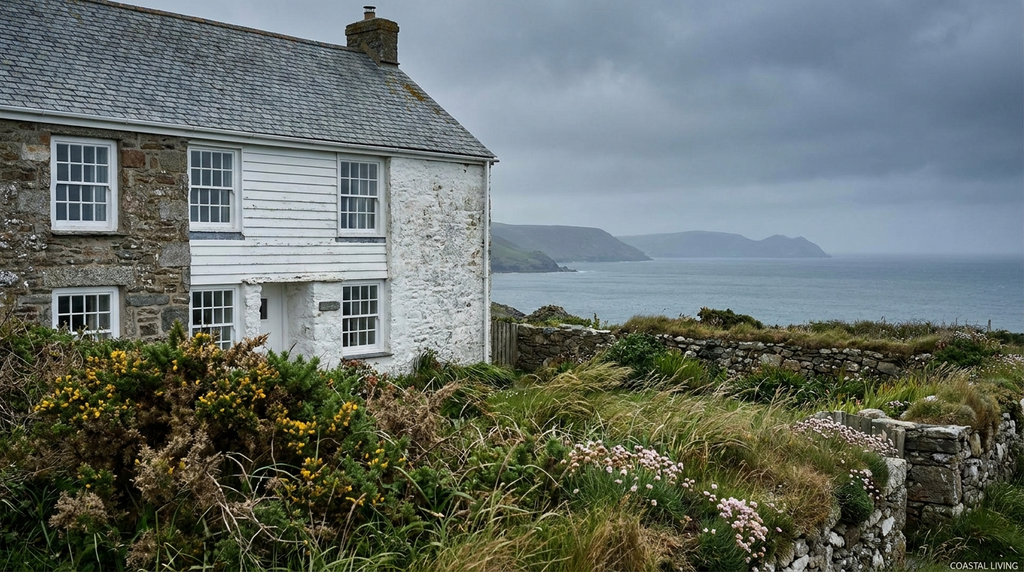
Then there’s the weather. Neath is famously wet, and we mean properly wet. set between the Neath Valley and the hills pushing in from the Brecon Beacons, the town catches prevailing westerly winds and significantly higher rainfall than most of England. That kind of relentless moisture exposure accelerates the deterioration of older window frames, rots timber sills, and makes draught-proofing a constant losing battle. New double glazing doesn’t just keep heat in, it keeps the Welsh weather out.
What Double Glazing Actually Involves for a Typical Neath Home
The majority of homes in Neath are either terraced or semi-detached, with a large proportion built between 1890 and 1960. That building era matters enormously when you’re planning a window replacement project, because these homes weren’t designed with standard modern window sizes in mind.
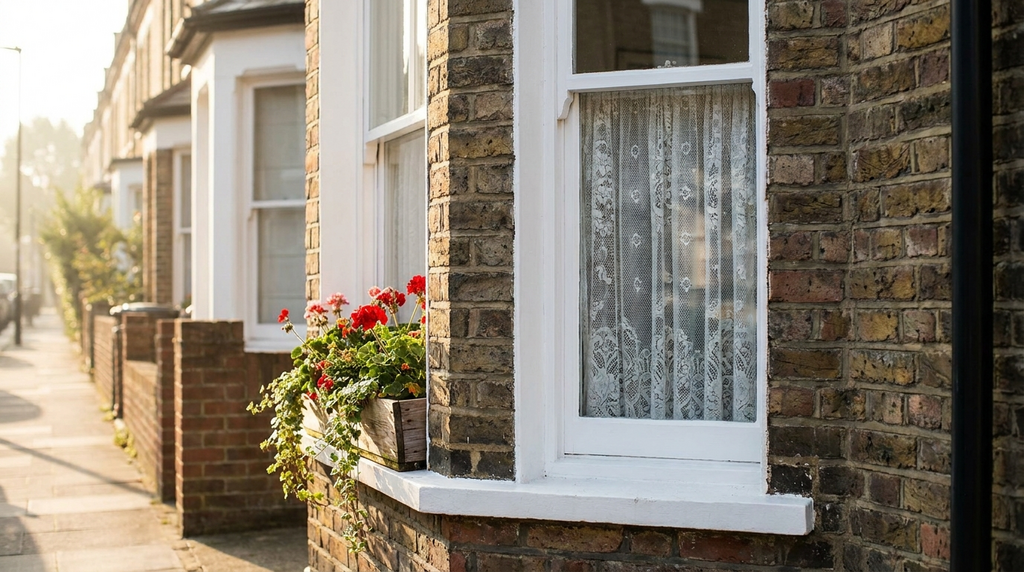
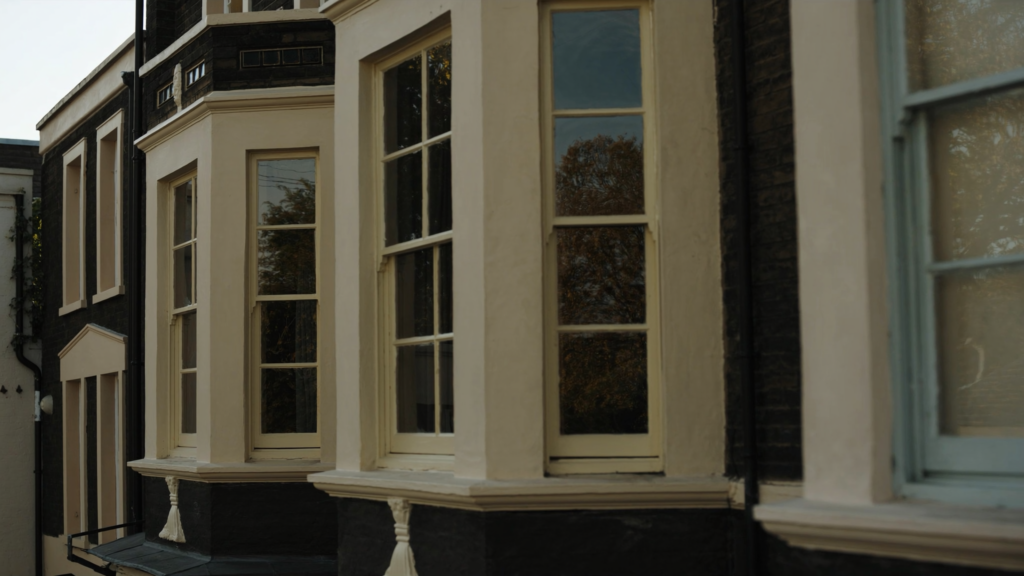
Victorian and Edwardian terraces, particularly common in the streets running off Windsor Road and around the town centre, often have tall, narrow sash-style openings with deep reveals. Modern double glazed units can absolutely be fitted into these openings, but it takes a bit more measuring and sometimes bespoke sizing, which affects your costs and lead times.
For a typical three-bedroom Neath terrace, you’re usually looking at replacing between six and ten window openings plus a front door. Semi-detached properties built in the interwar and post-war periods, think the estates spreading towards Cimla and Jersey Marine, often have slightly more standard casement openings, which makes the installation more straightforward and usually a little cheaper.
A few practical challenges that come up regularly in Neath specifically
- Narrow access and on-street parking, many terraced streets have no off-road parking, so installers need to unload materials quickly and may charge a small access premium
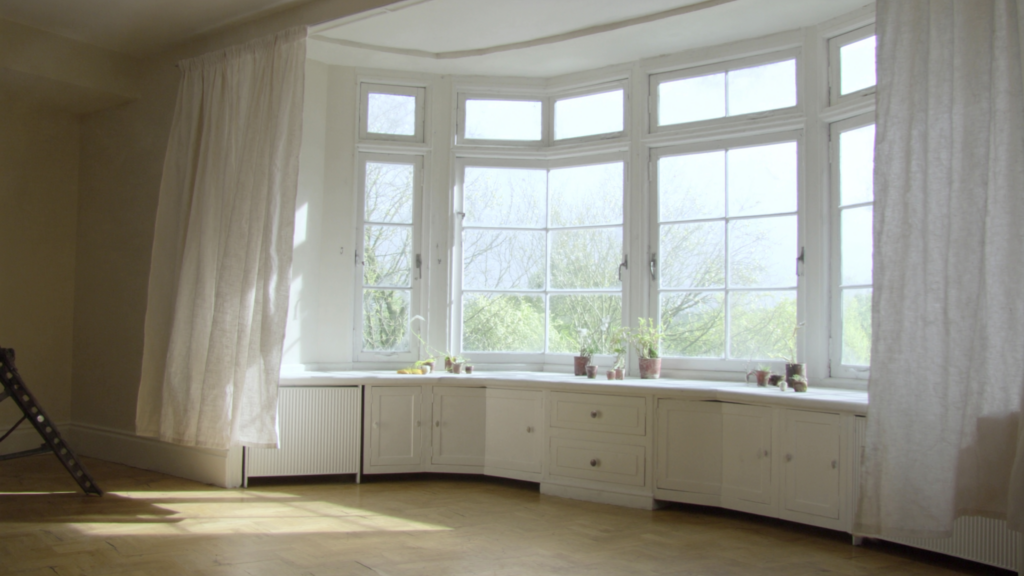
- Bay windows, extremely common in Victorian-era Neath properties, and more complex to replace than standard flat-fronted casements
- Solid stone or brick reveals, older properties often have thicker walls than modern builds, which affects frame depth choices
- Existing timber frames, if your home still has original timber sashes, you’ll need to decide whether to retain the style (more expensive) or switch to uPVC or aluminium
None of these are dealbreakers, they’re just things a good local installer will assess during a survey and price accordingly. Always insist on a home visit before accepting any quote.
How Much Double Glazing Costs in Neath and the Wales Area in 2026
Let’s talk real numbers. Costs in the Neath area sit very close to the Welsh average, which itself runs slightly below the UK national average, mainly because labour costs in South Wales are a little lower than the South East of England. However, Neath’s location means most installers are operating across a cluster that includes Port Talbot, Swansea, Bridgend and Porthcawl, so competition is reasonably healthy and keeps pricing fair.
| Property Type | Number of Windows | Standard uPVC (A-rated) | Premium uPVC or Aluminium | Timber or Heritage-Style |
|---|---|---|---|---|
| 2-bed terraced (e.g. Gnoll area) | 5–7 | £2,800 – £4,200 | £4,500 – £6,500 | £6,000 – £9,000 |
| 3-bed terrace or semi (e.g. Cimla) | 8–10 | £4,000 – £5,800 | £6,000 – £8,500 | £8,500 – £13,000 |
| 4-bed semi or detached (e.g. Jersey Marine) | 10–14 | £5,500 – £8,000 | £8,000 – £12,000 | £11,000 – £17,000 |
| Bay window (additional cost per bay) | 1 bay | £900 – £1,400 | £1,400 – £2,200 | £2,500 – £4,000 |
| Composite front door (added to window project) | 1 door | £1,100 – £1,600 | £1,600 – £2,500 | £2,800 – £4,500 |
Compared to Swansea (roughly 11km away), prices in Neath are typically within 3–5% of each other, most major installers cover both towns as a single service area. Port Talbot jobs can occasionally run slightly cheaper due to simpler access on newer estates, while work in more rural parts of the Neath Valley may carry a small travel supplement if you’re using a Swansea-based company.
The Wales average for a full house re-glaze on a three-bedroom property sits around £5,200 for standard uPVC, broadly in line with Neath. UK national average for the same specification runs closer to £5,800, so you are getting a modest geographical saving here.
How Neath’s Weather and Location Affect Your Double Glazing Choices
This is where living in Neath genuinely changes the advice you should be getting. The town receives over 1,200mm of rainfall per year, significantly more than the UK average of around 885mm, and the prevailing westerly winds mean your west and south-west facing windows take a real battering through autumn and winter.
Driving rain is a particular issue. It doesn’t just mean your windows look dirty more often, it means the seals, gaskets and drainage channels on your frames are working much harder than they would in, say, Milton Keynes. For Neath homes, this means you should specifically ask for
- Fully welded frame corners rather than mechanically joined ones, they’re dramatically more resistant to water ingress over time
- Multi-point locking hardware that compresses seals tightly all the way around the frame, not just at the handle
- Integrated drainage channels at the bottom of all outer frames, check these are clear during installation and know how to clean them
- Quality weatherstripping rated for high-exposure locations, don’t let installers skip this detail
The windward side of your property, usually facing south-west in Neath, is worth upgrading to a higher specification glass unit if you’re on a budget and can’t do the whole house at once. That’s where you’ll get the biggest weather and acoustic benefit first.
On the sunnier side of things, Neath gets reasonable solar irradiance (around 1,100 kWh/m² per year), which means south-facing rooms can genuinely benefit from solar control glazing if they tend to overheat in summer. This is especially relevant for conservatories or large picture windows facing the garden.
The Products and Options That Work Best Here
Given everything above, here’s what genuinely performs well for Neath’s housing stock and climate, not a generic brochure list, but an honest steer.
For most terraced and semi-detached homes, uPVC with A++ rated glazing units is the sweet spot. The frames hold up well in high-moisture environments, they don’t need painting, and the better manufacturers now produce profiles that aren’t the cheap, yellowing uPVC of 20 years ago. Look for a 70mm or 76mm profile depth, better for thermal performance and structural rigidity in older reveals.
Glass specification, go for argon-filled double glazed units with a warm-edge spacer bar as a minimum. The warm-edge spacer (usually grey or black, replacing the old silver aluminium strip) dramatically reduces condensation at the edge of the glass, which matters in Neath’s damp climate. A U-value of 1.2 W/m²K or below is what you’re aiming for on the whole window unit.
For period properties wanting to maintain character, flush casement uPVC or aluminium windows have come a long way. They give the visual profile of traditional timber without the maintenance nightmare. If your home is in or near a conservation area, this is often the most practical route.
Triple glazing, worth considering for north-facing bedrooms or rooms above exposed hillside positions (relevant if you’re in the higher parts of Cimla or Bryncoch). The acoustic benefits alone can justify the extra cost in those locations, and the additional thermal performance is meaningful on rooms that face away from winter sun.
Frame colour, anthracite grey and slate finishes have become extremely popular across Neath’s housing stock and complement the local stone and render well. They’re typically a £200–£400 premium over white for a full house, and add genuine kerb appeal.
How to Find a Trustworthy Double Glazing Installer Near Neath
The Neath, Port Talbot and Swansea area has a reasonable number of window installers, ranging from sole traders to regional companies operating across the cluster from Bridgend through to Swansea Bay. Here’s how to sort the good from the problematic.
Certifications to look for
- FENSA registration, this is the big one for windows. FENSA-registered installers self-certify that their work meets Building Regulations, and you get a certificate that’s essential when you sell your home
- CERTASS, an alternative to FENSA with similar standing; either is fine
- TrustMark, a government-endorsed quality scheme worth checking for any installer doing grant-funded work
- Manufacturer accreditation, being an approved installer for Rehau, VEKA, or Residence Collection systems, for example, signals they’ve been vetted by the supplier
Questions worth asking before you sign anything
- Are you FENSA or CERTASS registered, and will I receive a certificate on completion?
- Who manufactures your sealed units and what is the glass unit warranty?
- Do you use fully welded or mechanically jointed frame corners?
- What’s your installation lead time from survey to fitting?
- How do you handle remedial work if there are issues after installation?
Red flags to walk away from, pressure to sign on the day, “today only” discounts that last forever, no physical business address in the area, and quotes with no detail on glass specification. If they can’t tell you the U-value of the unit they’re proposing, that tells you something.
Lead times in the Wales area are currently running at four to eight weeks from survey to installation for most mid-sized jobs, though busier periods (spring and early autumn) can stretch this. Companies based in Swansea regularly cover Neath as a standard service area, so don’t limit yourself to installers with a Neath postcode, just confirm they don’t add a travel charge.
Grants and Funding That Could Reduce Your Costs in 2026
This is the section that often surprises Neath homeowners, there is more financial help available in Wales than many people realise, particularly through Welsh Government programmes that sit on top of the UK-wide schemes.
Warm Homes Nest (Wales), this is the most relevant scheme for many Neath residents. Run by Welsh Government, Nest provides free home energy improvements including windows and doors for households receiving means-tested benefits, or for households with a low income living in poor quality housing. There’s no income threshold for households where someone has a long-term health condition affected by cold homes. Apply through the Nest website or call 0808 808 2244, it’s genuinely free to apply and the advice is impartial.
ECO4 (Great Britain Scheme), available across Wales, ECO4 funds energy efficiency measures including windows for households on certain qualifying benefits or with an EPC below Band D. Given that the average Neath home sits at Band D, upgrading from an even lower-rated property is definitely within scope. Your energy supplier is the first port of call, or use the government’s ECO4 eligibility checker.
The Great British Insulation Scheme closed on 31 March 2026. It funded insulation measures only and never covered windows or glazing. Worth asking about if you’re doing multiple upgrades at once.
Optimised Retrofit Programme, if you’re a social housing tenant in Neath Port Talbot, your landlord may be accessing this Welsh Government-funded programme for whole-house retrofits. Ask Neath Port Talbot County Borough Council’s housing team if your property is on any upgrade schedule.
Self-funded buyers, if you don’t qualify for grant funding, some Welsh installers working under TrustMark can offer 0% finance over 12–24 months. Always read the small print, but it’s a legitimate way to spread costs without paying interest.
Planning Permission and Regulations in Neath
For most Neath homeowners, the good news is that replacing windows on a standard terraced or semi-detached property falls under permitted development, meaning no planning permission is needed, as long as the new windows are broadly similar in appearance to what’s being replaced.
However, there are important exceptions specific to the Neath area that you need to check before proceeding.
Conservation areas, Neath has conservation areas covering parts of the historic town centre and some surrounding streets. If your property sits within a designated conservation area, permitted development rights for window replacement are restricted. You’ll generally need to match the existing window style, material and finish closely, and in some cases you’ll need prior approval from Neath Port Talbot County Borough Council’s planning department. It’s always worth a quick call to the council to confirm your property’s status before you start getting quotes.
Listed buildings, if your home is listed (there are Grade II listed properties in and around Neath town centre and in the Vale of Neath villages), you’ll need listed building consent for any window changes, full stop. This is a separate process from planning permission and skipping it can lead to enforcement action.
Building Regulations compliance, all