Why Ceredigion Is One of Wales’s Most Interesting Counties for Eco Home Improvements
Ceredigion sits along the western edge of Wales, facing the Irish Sea with a rugged coastline, sweeping hills, and a landscape that genuinely takes your breath away. It’s a county that feels apart from the rest, quieter, more rural, and deeply connected to its Welsh-speaking identity and natural surroundings.
But here’s the thing that surprises most people. Despite all that natural beauty, the homes here are among the least energy-efficient in the UK. The average EPC rating across Ceredigion is Band E, well below the national average, which means most households are spending far more on heating than they need to. That’s not a criticism of homeowners here. It’s simply the result of older housing stock, rural construction styles, and decades of under-investment in home energy upgrades.
The good news is that Ceredigion is brilliantly positioned to benefit from renewable energy. You’re on the west coast, which means strong winds, good rainfall, and, perhaps surprisingly, some of the best solar irradiance in Wales. The mild climate also means heat pumps perform exceptionally well here. Add in the range of Welsh Government grants and national schemes available in 2026, and there’s a real opportunity to cut your bills significantly while making your home far more comfortable.
With around 20,000 residents spread across a relatively compact county, Ceredigion has a close-knit feel where local installers genuinely know the area and the properties in it. That matters more than you might think when you’re choosing someone to upgrade your home.
Understanding Energy Performance Across the County, and What It Means for Your Bills
The county average EPC Band E is an important number to sit with for a moment. An EPC Band E home typically costs somewhere between £2,200 and £2,800 per year to heat and power, depending on the size of the property and how it’s used. That’s significantly more than a Band C home, which might cost closer to £1,200 to £1,500 annually.
The average gas usage across Ceredigion is 13,050 kWh per year, broadly in line with the national median. However, many older rural properties here are off the gas grid entirely, relying on oil boilers or electric storage heaters, which tend to be even more expensive to run. If that sounds like your home, you’re likely paying even more than those average figures suggest.
The housing stock varies noticeably across the county. Aberystwyth, as the main urban centre, has a concentration of Victorian and Edwardian terraced housing, solid stone buildings that hold heat reasonably well but suffer from draughts, single-glazed windows, and uninsulated walls. Cardigan, to the south, has a mix of older stone cottages and post-war semi-detached properties, many of which have never had cavity wall or loft insulation installed.
Rural areas between these towns often feature older farmhouses, stone cottages, and detached properties that pre-date modern building regulations entirely. These homes can be expensive to heat and require a more tailored approach to insulation, particularly where solid stone walls are involved. The good news is that nearly all of them qualify for upgrade funding of some kind in 2026.
Moving from Band E to Band C in a typical Ceredigion home could save you £700 to £1,100 per year on energy costs. Over ten years, that’s a meaningful sum, and those savings compound as energy prices continue to rise.
The Full Range of Eco Home Services Available to Ceredigion Homeowners
If you’re in Aberystwyth or Cardigan, or anywhere in between, you have access to a wide range of eco home improvements. Here’s a straightforward rundown of what’s available and what each one does for you.
Solar Panels
Given Ceredigion’s west-facing position and reasonable sunshine levels, solar panels make strong financial sense here. Typical installations on a semi-detached home generate 3,000 to 3,500 kWh per year, which can cover a substantial portion of your electricity use. Costs range from £5,500 to £9,000 installed, with annual savings of £500 to £800 depending on your usage habits and whether you add battery storage.
Heat Pumps
Air source heat pumps are increasingly popular across Ceredigion, particularly for homes off the gas grid. They work by extracting heat from outdoor air, even on cold days, and delivering it into your home far more efficiently than a traditional boiler. A well-installed air source heat pump can deliver three to four units of heat for every one unit of electricity consumed. Installed costs typically range from £8,000 to £14,000, though the Boiler Upgrade Scheme can reduce this significantly.
Insulation
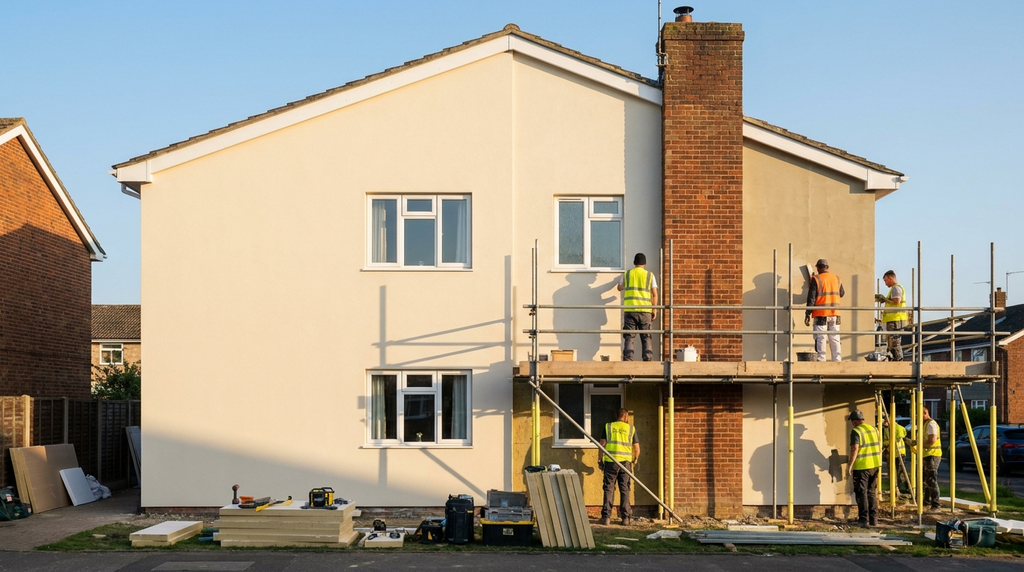
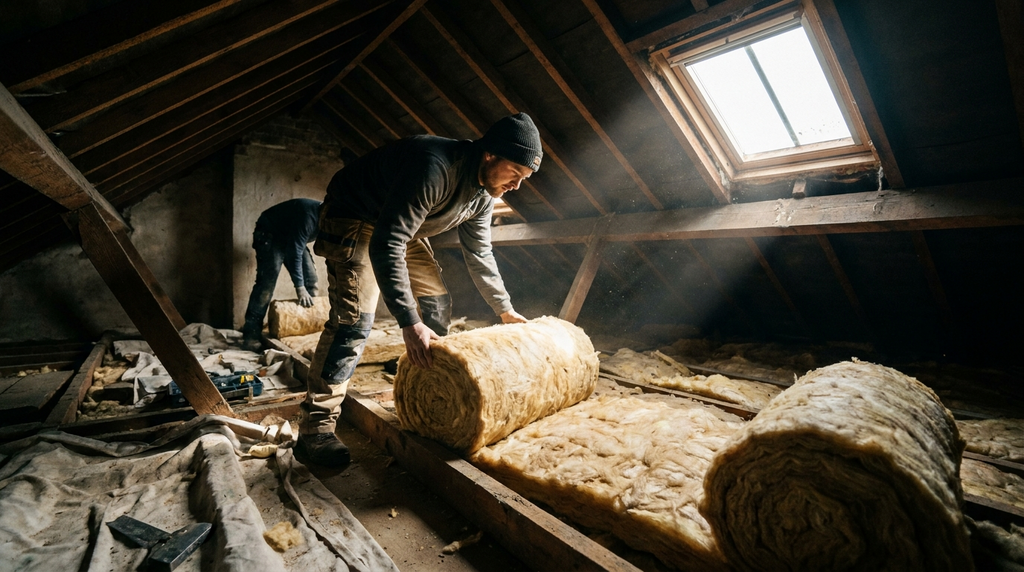
This is often the smartest place to start. Loft insulation typically costs £400 to £700 for a semi-detached home and can save £200 to £300 per year on its own. Cavity wall insulation costs around £700 to £1,200. For the many stone-built homes in Ceredigion, external wall insulation is often the preferred route, more disruptive and costly at £8,000 to £18,000, but transformative in terms of comfort and efficiency.
Double and Triple Glazing
Replacing single-glazed windows with modern double or triple glazing makes an immediate difference to draughts and cold spots. Expect to pay £300 to £600 per window depending on size and specification. A full house re-glaze might run from £4,000 to £8,000 for a typical terraced property.
Energy Efficiency Improvements
Alongside the bigger upgrades, smaller measures such as smart thermostats, draught proofing, hot water cylinder insulation, and LED lighting can collectively save £150 to £300 per year at relatively low upfront cost. These are often a good starting point while you plan larger works.
Typical Costs and Savings for Common Improvements in Ceredigion
Here’s a clear breakdown of what you might expect to pay, and what you might save, based on the most common property types in the county.
| Improvement | Terraced Home | Semi-Detached Home | Estimated Annual Saving | Approximate Payback Period |
|---|---|---|---|---|
| Loft Insulation | £400 – £600 | £500 – £700 | £200 – £300 | 2 – 3 years |
| Cavity Wall Insulation | £700 – £1,000 | £800 – £1,200 | £150 – £250 | 4 – 6 years |
| External Wall Insulation | £8,000 – £14,000 | £10,000 – £18,000 | £400 – £600 | 18 – 28 years |
| Solar Panels (4kW system) | £5,500 – £7,500 | £6,500 – £9,000 | £500 – £800 | 8 – 14 years |
| Air Source Heat Pump | £9,000 – £12,000 | £10,000 – £14,000 | £400 – £900 | 10 – 20 years |
| Double Glazing (full house) | £3,500 – £6,000 | £4,500 – £8,000 | £150 – £250 | 18 – 30 years |
| Smart Thermostat and Controls | £200 – £400 | £200 – £400 | £100 – £200 | 1 – 3 years |
These figures are estimates based on 2026 market rates and typical Ceredigion property sizes. Your actual costs and savings will depend on your property’s current condition, size, and energy use. Always get at least three quotes before committing.
| Combined Upgrade Package | Typical Total Cost | Estimated Annual Saving | Expected EPC Improvement |
|---|---|---|---|
| Insulation plus glazing (Band E to D) | £5,000 – £10,000 | £400 – £600 | E to D |
| Insulation plus heat pump (Band E to C) | £15,000 – £25,000 | £700 – £1,100 | E to C |
| Full retrofit including solar (Band E to B) | £25,000 – £40,000 | £1,200 – £1,800 | E to B |
Grants and Funding Available to Ceredigion Homeowners in 2026
This is where it gets genuinely exciting for Ceredigion residents, because there are multiple funding routes available, and Wales has its own schemes on top of the national ones.
The Warm Homes Nest Scheme
This is the Welsh Government’s flagship energy efficiency programme and it’s available across Ceredigion. If your household income is below £31,000 per year, or you receive certain means-tested benefits, you may qualify for free insulation, heating upgrades, and renewable energy measures through the Nest scheme. This is administered by British Gas on behalf of the Welsh Government and covers measures like loft insulation, wall insulation, and heat pump installation at no cost to eligible households.
The Optimised Retrofit Programme
Wales’s Optimised Retrofit Programme supports a whole-house approach to energy efficiency, rather than just installing one measure at a time. It works through social landlords and local authorities but is increasingly influencing how private homeowners access support. It’s worth asking Ceredigion County Council whether there are any active local retrofit programmes in your area.
ECO4 (Energy Company Obligation)
This national scheme requires large energy suppliers to fund energy efficiency improvements for lower-income households. Ceredigion residents in Band E, F, or G rated homes who receive qualifying benefits may be eligible for fully funded insulation, glazing, and heating upgrades. An EPC assessment is the starting point.
The Great British Insulation Scheme
Separate from ECO4, this scheme targets homes rated Band D or below and extends eligibility slightly further up the income scale. If your home has unfilled cavity walls or poor loft insulation and your EPC is D or below, it’s worth checking your eligibility, you may qualify for subsidised or fully funded insulation.
The Boiler Upgrade Scheme
The BUS offers a £7,500 grant toward the installation of an air source heat pump, making this technology far more accessible for Ceredigion homes currently using oil or electric heating. Ground source heat pumps attract a £7,500 grant too. This scheme is available to homeowners across Wales and does not have an income threshold, it’s available to most owner-occupiers.
VAT Reduction on Energy-Saving Materials
In 2026, the installation of qualifying energy-saving materials, including insulation, solar panels, and heat pumps, attracts zero VAT when installed in residential properties in the UK. This is a meaningful saving on larger jobs, effectively reducing costs by up to 20% compared with standard-rated work.
Planning Permission and Local Authority Considerations in Ceredigion
Most eco home improvements in Ceredigion fall under what’s known as permitted development, meaning you don’t need to apply for planning permission. But there are important exceptions worth knowing about before you start.
Planning applications across Ceredigion are handled by Ceredigion County Council. For most straightforward improvements like solar panels on a rear roof slope, loft insulation, or cavity wall insulation, you won’t need to apply. However, if your property sits within a conservation area, is a listed building, or falls within the Cambrian Mountains area, additional rules apply.
Aberystwyth has a number of designated conservation areas covering its Victorian and Edwardian terraces. In these areas, solar panels visible from the street, external wall insulation that changes the appearance of a building, or replacement windows that alter the character of the street frontage will typically require planning consent. It’s always worth a quick call to the council’s planning department before commissioning work in these areas.
For listed buildings anywhere in the county, you’ll need listed building consent for any works that affect the character or fabric of the structure. This includes adding insulation to walls, replacing windows, or installing external fixtures. An experienced installer or architect with listed building experience is essential in these cases.
The good news is that Ceredigion County Council has been supportive of low-carbon home improvements as part of Wales’s broader Net Zero commitments. Where planning permission is required, applications for renewable energy installations are generally viewed positively, provided they’re well-designed and sensitive to their surroundings.
How Ceredigion’s Climate and Geography Shape the Best Choices for Your Home
Living on the west coast of Wales means your home faces some specific environmental challenges, and some real advantages, that are worth understanding before you invest in upgrades.
The prevailing westerly winds and high rainfall, anywhere from 1,000mm to over 2,000mm per year in some parts of the county, mean that external insulation systems need to be properly specified for moisture resistance. Not all external wall insulation products are equal in this regard, so make sure your installer uses systems rated for exposed western locations.
On the positive side, Ceredigion enjoys a milder climate than much of England and Wales. With 1,200 to 1,500 heating degree days per year, your home simply needs less heat than properties in Scotland or the north of England. This means heat pumps work especially efficiently here, they perform best when outdoor temperatures don’t drop too low, and Ceredigion winters are relatively mild by UK standards.
Solar panels also perform better than many people expect on the west coast. With 1,200 to 1,500 sunshine hours per year and good solar irradiance for a western UK location, a well-oriented roof in