Portadown’s Housing Stock, And Why Now Is a Good Time to Act
Portadown sits at the heart of County Armagh, straddling the River Bann and surrounded by some of Northern Ireland’s most productive farmland. It’s a working town with real character, the kind of place where people put down roots, raise families, and stay for generations. That also means a lot of the housing stock has been around for a while, and a good chunk of those homes are quietly haemorrhaging heat through walls, roofs, and draughty windows.
Most of Portadown’s residential streets were built in the post-war decades through to the 1980s, with concentrations of semi-detached and terraced homes in areas like Edgarstown, Corcrain, Killycomain, and the Meadowbrook estate. These properties were built to the standards of their time, which is to say, not particularly well insulated by modern expectations. The good news is that this also means there’s real money to be saved here, and meaningful upgrades are genuinely achievable for most homeowners.
One thing that sets Portadown apart from many English towns of a similar size is that a significant number of homes are not connected to the gas grid. Oil-fired central heating is the norm across much of the town, which changes the maths on upgrades considerably, and opens up some interesting options that aren’t available everywhere.
For the bigger county-wide picture, it’s worth reading our eco homes guide for County Armagh alongside this page.
How Energy Efficient Are Portadown Homes, Honestly?
The average EPC rating across Portadown is Band D, which puts the town broadly in line with the Northern Ireland average, though NI as a whole tends to trail slightly behind England on energy performance due to older stock and higher rates of off-grid heating.
Band D isn’t a disaster, it means your home has some insulation and a reasonable heating system, but it’s not where you want to be either. In practical terms, a Band D semi-detached home in Portadown is likely costing you between £1,800 and £2,400 a year to heat and power, depending on if you’re on oil or electricity for heating.
Oil heating in particular stings right now. With oil prices remaining volatile, households running oil boilers on 13,000 kWh of annual heat demand are typically spending £1,100 to £1,400 a year just on heating oil, before you’ve put the kettle on or charged a single device. Compare that to a well-insulated home with a heat pump, where equivalent warmth might cost £600 to £800 in electricity, a saving worth noticing.
Moving from Band D to Band B, which is achievable with a package of upgrades, could cut your total energy bills by £600 to £900 annually at current energy prices. Over a decade, that’s a serious amount of money staying in your pocket rather than going up the chimney.
Solar Panels on Portadown Rooftops, What the Numbers Actually Look Like
Portadown’s latitude puts it at roughly 54 degrees north, which sounds gloomy but doesn’t rule out solar at all. The town sees around 1,100 to 1,200 sunshine hours per year, lower than London, but comparable to Belfast and similar to many parts of Scotland where solar is well established. The key is getting the panel angle and orientation right.
The town’s relatively flat terrain around the Bann valley means most rooftops in areas like Killicomaine Road or the Corcrain estate have good sky exposure without being overshadowed by hills. South-facing roofs will outperform, but southwest-facing roofs (very common given the prevailing westerlies here) still generate well. One genuine consideration for Portadown is rainfall, panels need cleaning more regularly than in drier parts of the UK, roughly every six months, to maintain output.
Here’s how the numbers typically stack up for Portadown homes in 2026:
| System Size | Installed Cost | Annual Generation | Annual Bill Saving | Payback Period |
|---|---|---|---|---|
| 3 kWp | £5,500 – £6,500 | ~2,400 kWh | £380 – £480 | 12 – 15 years |
| 4 kWp | £7,000 – £8,500 | ~3,100 kWh | £490 – £600 | 12 – 15 years |
| 6 kWp | £9,500 – £11,500 | ~4,600 kWh | £700 – £850 | 12 – 14 years |
These figures assume you’re using a reasonable proportion of the electricity you generate, which is easier to achieve if you pair panels with a battery or a heat pump that runs during the day. The Smart Export Guarantee (SEG) also means you get paid for any surplus you push back to the grid, adding a modest extra income on top.
Installers typically need to travel from Craigavon or Banbridge to serve Portadown, so factor in that lead times of 8 to 14 weeks are common during the spring and summer rush.
Heating Systems That Actually Make Sense in Portadown
Because so many Portadown homes run on oil, the question of what to do about heating is more open than in a typical English town. You’re not locked into gas, which is actually an advantage, because it means the switch to a heat pump isn’t a dramatic leap.
Here’s an honest comparison for a typical Portadown semi-detached home:
- Oil boiler (like-for-like replacement), Around £2,500 to £3,500 installed. Familiar technology, but you remain exposed to oil price swings. Running costs of £1,100 to £1,400 per year on current prices.
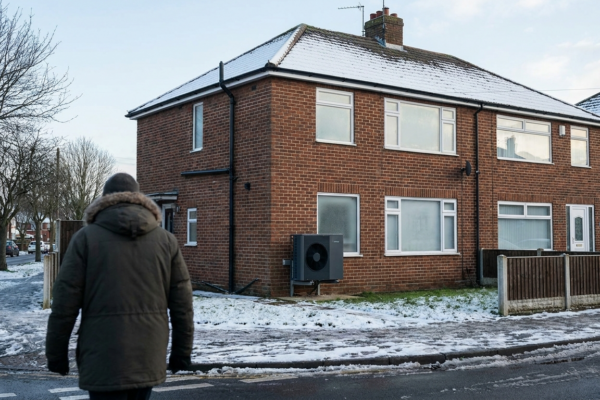
- Air source heat pump (ASHP), £8,000 to £14,000 installed before grants (see funding section below). Running costs of £600 to £900 per year if your home is reasonably well insulated. Works well in Portadown’s mild winters, the River Bann valley rarely sees sustained hard frosts.
- Ground source heat pump (GSHP), £18,000 to £28,000 installed. Better efficiency than air source, but requires garden space for ground loops. Most suited to the more spacious properties on the outskirts of Portadown toward Tartaraghan or Maghery rather than terrace rows in Edgarstown.
The honest truth is that an ASHP paired with good insulation is the sweet spot for most Portadown homes. The upfront cost is significant, but the combination of grants and lower running costs makes it genuinely competitive over a 10-year horizon.
Important note for older terraced homes in the town centre, heat pumps work best when your radiators are oversized or when you upgrade to underfloor heating. If your system was designed around oil boiler temperatures, a heat pump engineer will need to assess whether your existing radiators are large enough, or factor in replacement costs.
Where to Start With Insulation, A Prioritised List for Portadown Homes
Insulation is the unglamorous hero of home energy improvements. Get this right first, and everything else, solar, heat pumps, smart controls, works better and costs less to run. Here’s where to focus, in order of impact for a typical Portadown semi-detached or terrace:
- Loft insulation, If yours is below 270mm, topping it up is one of the cheapest and fastest wins available. Cost around £300 to £600. Annual saving of £200 to £300. This should be the first thing you do, full stop.
- Cavity wall insulation, The majority of Portadown’s post-war semis and terraces have unfilled cavities. Filling them costs £500 to £1,200 for a typical semi and saves £150 to £250 per year. One genuine local consideration, Portadown gets a lot of westerly driven rain, so make sure your installer uses a product rated for exposed conditions, such as blown mineral fibre rather than standard EPS beads.
- Solid wall insulation (for older properties), Some of the older terraced streets closer to Portadown town centre have solid stone or brick walls with no cavity. External wall insulation costs £8,000 to £15,000 for a semi, and saves £300 to £500 per year. It’s expensive but transformative. Internal wall insulation is cheaper (£4,000 to £8,000) but reduces room size slightly.
- Floor insulation, Suspended timber floors in older homes lose more heat than most people realise. Insulating underneath costs £800 to £1,500 and saves £50 to £100 annually, less dramatic, but worth doing when you’re already having other work done.
- Double or triple glazing, If your windows are original single-glazed units, replacing them is a comfort upgrade as much as an energy one. Budget £4,000 to £8,000 for a typical house. Annual saving around £100 to £150.
Grants and Funding Portadown Homeowners Can Actually Get in 2026
Northern Ireland has its own energy support landscape, separate from England and Wales, and it’s worth understanding what’s actually available to you as a Portadown resident.
The Affordable Warmth Scheme
Administered by the NI Housing Executive, this scheme covers a wide range of energy efficiency measures including insulation, heating system upgrades, and boiler replacement. You may qualify if your household income is below £23,000 and you own or privately rent your home. Grants can cover the full cost of eligible works, this is one of the most generous schemes available in Northern Ireland, and it’s genuinely worth checking your eligibility before spending a penny of your own money.
The NI Sustainable Energy Programme (NISEP)
NISEP is funded by energy suppliers operating in Northern Ireland, including Power NI and SSE Airtricity, and delivered through local contractors. It typically covers insulation and heating controls for households that meet income criteria. Funding levels change each year, so contact your energy supplier directly or visit the Utility Regulator’s website to check what’s running in your area.
The Boiler Replacement Scheme
Northern Ireland runs its own version of boiler support, aimed at replacing inefficient old boilers with modern condensing units or heat pumps. Grants of up to £7,500 have been available for heat pump installations, confirm current figures with the Department for the Economy NI, as amounts are reviewed annually.
The UK-Wide ECO4 Scheme
Although primarily administered in Great Britain, some ECO4 funding flows into Northern Ireland through energy suppliers. If you’re on a lower income or receive certain benefits, it’s worth asking suppliers whether they have any NI-eligible ECO4 activity.
A practical tip, Armagh City, Banbridge and Craigavon Borough Council (which covers Portadown) has been developing its own climate action commitments. It’s worth checking their website for any locally administered support or referral pathways to the schemes above.
Finding a Good Installer Near Portadown, What to Watch Out For
Portadown doesn’t have a huge pool of specialist eco-home installers based in the town itself, so you’ll generally be working with companies that travel from Craigavon, Banbridge, or occasionally Dungannon. That’s fine, but it does mean doing a bit more homework than if you lived in a larger city.
Here’s what to look for and watch out for:
- MCS certification, Any installer fitting solar panels or heat pumps must be MCS certified for the installation to qualify for SEG payments and government grants. Don’t accept anything less.
- CIGA membership, For cavity wall insulation, look for Cavity Insulation Guarantee Agency registration. This gives you a 25-year guarantee on the work.
- Get three quotes minimum, Prices genuinely vary by 20 to 30% for the same job in this area. Don’t accept the first figure you’re given.
- Ask specifically about exposed-location experience, Given Portadown’s rainfall and westerly wind exposure, ask whether they’ve worked on similar homes in the area and what products they recommend for wet climates.
- Watch for pressure selling, If someone knocks on your door offering a free survey and tries to get you to sign on the same visit, walk away. Reputable installers are busy and don’t need to doorstep.
Waiting times for quality installers currently run at 6 to 16 weeks depending on the type of work. Heat pump installers in particular are stretched across Armagh and Tyrone, so book early if you’re planning for winter.
Your Step-by-Step Upgrade Plan for a Typical Portadown Home
If you’re sitting in a Band D semi-detached on a street like Killycomain Road or around the Corcrain area and wondering where to start, here’s a practical roadmap:
- Get an EPC assessment done first, A current EPC (around £75 to £120) tells you exactly where your home is losing heat and what upgrades are recommended. It’s also required for most grants.
- Check your grant eligibility before spending anything, Contact the NI Housing Executive about the Affordable Warmth Scheme. If you qualify, you could get insulation and heating upgrades for free or heavily subsidised.
- Do loft insulation immediately, Cheapest, fastest, biggest bang for your buck. If you haven’t done this, do it this month.
- Fill cavity walls if your home has them, Most post-war Portadown semis and terraces do. This is your second-biggest win for the money.
- Plan your heating system upgrade, If your oil boiler is more than 12 years old, start getting heat pump quotes now. The combination of grants and falling running costs makes this a genuinely good financial decision for most Portadown homes.
- Add solar panels once your insulation is sorted, Solar works harder when your home is already efficient, because more of what you generate stays useful. Don’t do this before step three and four.
- Consider a battery storage unit, If you’ve got solar and a heat pump, a 5 to 10 kWh battery lets you store daytime generation for evening use, cutting your bills further.
Done in this order, a typical Port