Lisburn, A City Built on Linen, Now Building for the Future
Lisburn earned its city status in 2002, but its character was shaped long before that, by the linen industry that once made it famous across the world. Walk through the Lisburn Road corridor or the older streets around Castle Gardens and you’ll find solid Victorian and Edwardian terraces built to last, but not built with your heating bill in mind. Move out towards Tonagh, Belsize, or the Ballymacoss estate and the picture shifts to post-war semi-detached homes from the 1960s and 70s, decent bones, but often leaking heat through uninsulated cavity walls and draughty single-glazed windows that were standard back then.
Lisburn sits in the Lagan Valley, sheltered somewhat by the rolling drumlins to the south and west, but still very much exposed to the Atlantic weather systems that barrel in from the west. The River Lagan itself cuts through the city and the surrounding countryside is genuinely beautiful, but that westerly exposure matters enormously when we’re talking about your home’s energy performance.
With 72,000 residents and a housing stock that spans everything from listed Georgian buildings in the old town centre to brand-new builds out near Sprucefield and Millbrook, Lisburn is a city where eco home improvements can make a dramatic, real-world difference to your comfort and your bills. This guide is written specifically for homes here, not some generic advice sheet that could apply equally to Swindon or Stirling.
How Energy Efficient Are Lisburn Homes, Honestly
The average home in Lisburn sits at EPC Band D, which sounds perfectly middle-of-the-road until you translate it into money leaving your account each month. Band D typically means your home is losing heat faster than it should, your boiler is working harder than it needs to, and you’re probably spending £1,800 to £2,400 per year on energy bills depending on your home size and heating system.
Northern Ireland has a particular quirk that makes this even more significant, a large proportion of homes here are off the gas grid and rely on oil heating instead. In Lisburn’s more rural fringes towards Hillsborough, Dromara Road, and the countryside around Blaris, oil boilers are the norm. Oil prices in Northern Ireland have been volatile, and households using oil can easily spend £1,500 to £2,200 on heating oil alone each winter. That’s before you add electricity.
Compared to newer homes on developments like those around Knockmore Hill or the Lagan Valley Regional Park edge, older Band D properties are typically losing around 30 to 40% more heat per year than they need to. Moving from Band D to Band B, which is absolutely achievable for most Lisburn semis and detached homes, could cut your energy bills by £600 to £900 annually. That’s a holiday, paid for by your walls not leaking heat.
Solar Panels in Lisburn, More Viable Than You Might Think
People often assume Northern Ireland is too cloudy for solar to make sense. It’s not quite that simple. Lisburn receives around 850 to 950 sunshine hours per year, which is lower than, say, Brighton, but solar panels generate electricity from daylight, not just direct sunshine. On a clear February morning in Lisburn, your panels are already working.
The westerly exposure that brings Lisburn’s higher rainfall (over 1,000mm per year) also means your panels will need more frequent cleaning than they would in the drier east. Salt air isn’t a major concern in Lisburn itself, you’re roughly 30km inland from the coast, but For anyone in the Dromore or Hillsborough fringes where wind exposure increases. Panels on a south-facing roof at 30 to 45 degrees will perform best; many of Lisburn’s semi-detached homes in areas like Ballymacoss and Tonagh sit on streets that offer exactly this orientation.
| System Size | Installed Cost (2026) | Annual Generation | Annual Bill Saving | Payback Period |
|---|---|---|---|---|
| 3kW system | £5,500 – £6,500 | ~2,400 kWh | £480 – £620 | 10 – 13 years |
| 4kW system | £7,000 – £8,500 | ~3,200 kWh | £640 – £820 | 10 – 13 years |
| 6kW system | £9,500 – £11,500 | ~4,700 kWh | £900 – £1,150 | 9 – 12 years |
Adding a battery storage system (typically £3,000 to £5,000 extra) makes particular sense in Lisburn given the higher electricity tariffs through suppliers like Power NI and SSE Airtricity, you capture more of what you generate rather than exporting it cheaply. If you have an oil-heated home and are considering moving to a heat pump in future, battery storage becomes even more valuable.
Planning permission isn’t usually needed for solar panels on standard Lisburn residential properties, but if your home is in or near Lisburn’s conservation area around the historic town centre, or if it’s a listed building, you’ll need to check with Lisburn and Castlereagh City Council planning department first. The council covers the full city area and has been generally supportive of renewable installations on modern housing stock.
Heating Choices That Actually Work for Lisburn Homes
This is where Lisburn’s situation gets genuinely interesting, and a bit different from homes in England or Wales. Let’s be straight with you about your options.
If you’re on mains gas, which applies to much of the Lisburn city core, including areas like Hillhall, Knockmore, and Lambeg, a modern condensing gas boiler remains a cost-effective upgrade if your current one is over 15 years old. A new A-rated boiler costs £2,000 to £3,500 installed and can reduce gas consumption by 15 to 25%. It’s not the greenest option, but many homes will find it the most immediately practical one.
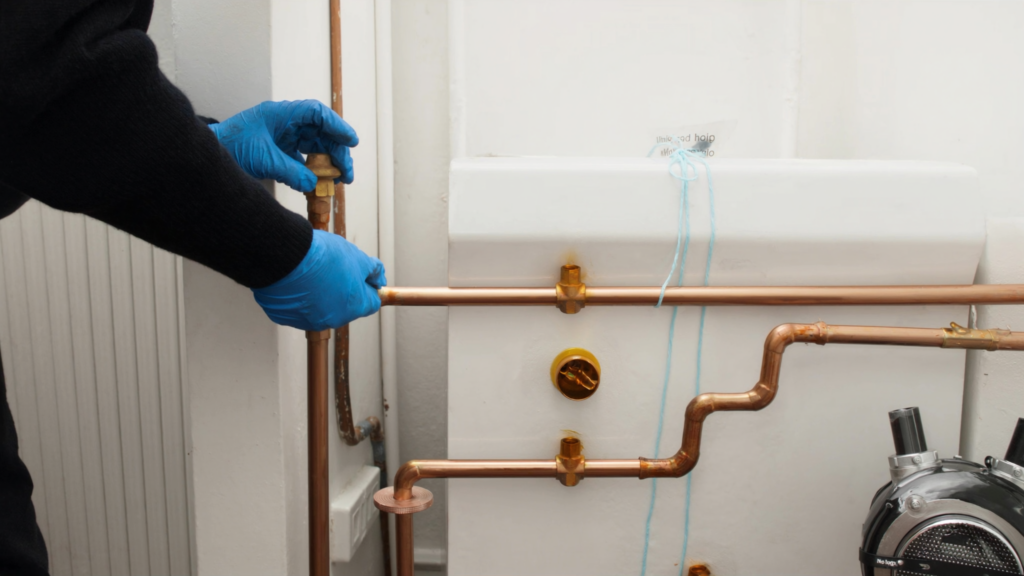
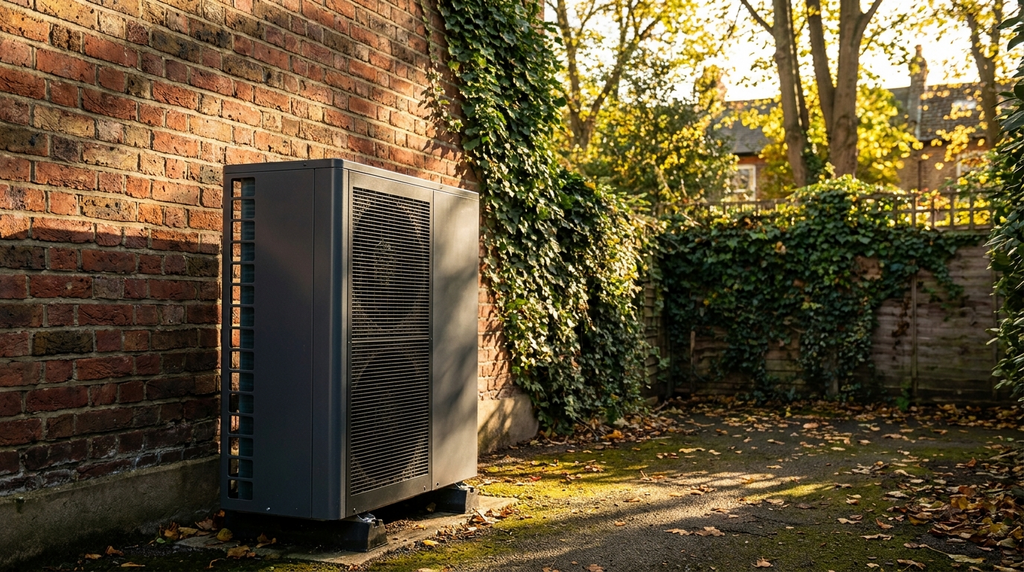
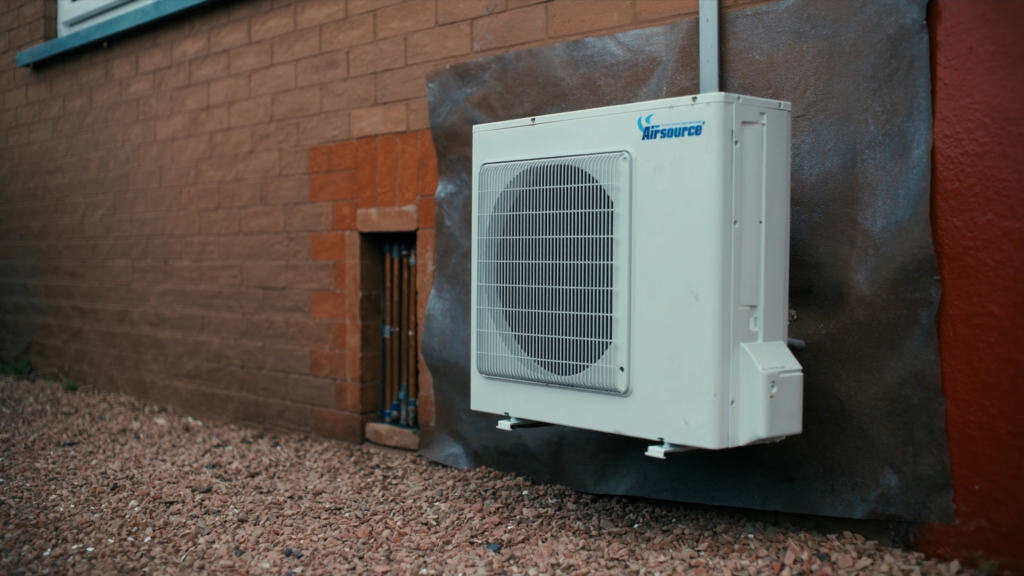
If you’re on oil heating, which covers a large proportion of homes on Lisburn’s rural fringes and in areas like Hillsborough, Moira, and the countryside around Magheralave, an air source heat pump deserves serious consideration. Running costs on a well-installed ASHP in Lisburn’s climate typically come in at £900 to £1,400 per year for space heating in a 3-bedroom semi, compared to £1,500 to £2,200 for oil. The savings are real, but so is the upfront cost.
- Air source heat pump installed cost, £10,000 to £16,000 (before any grants)
- Ground source heat pump installed cost, £18,000 to £28,000
- Ground source suits larger detached homes with garden space, quite common in Lisburn’s more spacious residential areas like Governors Road and the Hillsborough Road area
- Heat pumps work best with good insulation in place, don’t install one in a draughty Band D home without insulating first
- Northern Ireland electricity tariffs mean your ASHP running costs depend heavily on getting a good deal with Power NI, SSE Airtricity, or Budget Energy
One honest caveat, Lisburn’s cold winters (expect 1,800 to 2,200 heating degree days per year, which is meaningfully colder than most of England) mean your heat pump will work harder in January and February. Modern heat pumps handle this well, but undersized systems struggle. Always get a proper heat loss calculation done before installation.
Where to Start With Insulation in Lisburn
For most Lisburn homes, particularly the semi-detached stock across Belsize, Tonagh, Ballymacoss, and the Broomhedge area, insulation is where you’ll see the fastest return on investment. Here’s the priority order based on what saves the most money first.
- Loft insulation, If your loft has less than 270mm of mineral wool insulation, topping it up is the single cheapest improvement you can make. Cost is typically £300 to £600 for a standard semi. Annual saving, around £180 to £280. Payback in as little as 18 months.
- Cavity wall insulation, Most Lisburn homes built between 1945 and 1990 have unfilled cavity walls. Cavity fill costs £600 to £900 for a semi-detached and saves roughly £200 to £350 per year. This is the sweet spot upgrade for the majority of Lisburn’s housing stock.
- External wall insulation (EWI), For solid-wall homes, particularly older Victorian properties around Castle Street and the historic centre, EWI is more expensive at £8,000 to £14,000 but delivers annual savings of £400 to £600. Given Lisburn’s higher rainfall, choose a render system specifically rated for high-exposure western UK conditions, not all systems are.
- Floor insulation, Often overlooked. Suspended timber floors common in older Lisburn homes can account for 10 to 15% of heat loss. Insulating underneath costs £800 to £1,500 and saves roughly £70 to £120 per year.
- Double or triple glazing, If your windows are original single-glazed units, replacement double glazing for a typical Lisburn semi costs £4,000 to £7,000 and saves around £120 to £200 annually. The comfort improvement is enormous even before you count the bill savings.
Grants and Funding Lisburn Residents Can Actually Get in 2026
Northern Ireland has its own energy funding framework, which is genuinely good news for Lisburn homeowners, there are schemes available here that don’t exist in England or Wales, and the NI Housing Executive actively administers retrofitting programmes.
The NI Sustainable Energy Programme (NISEP) is the main scheme to know about. Funded through a levy on energy bills and administered through energy suppliers, NISEP provides subsidised or free energy efficiency measures for qualifying households. In practice this often covers insulation, heating controls, and sometimes boiler replacements. Contact your energy supplier, Power NI and SSE Airtricity both participate, and ask specifically about NISEP eligibility. You don’t need to be on benefits to qualify, though priority is given to lower-income households.
The Affordable Warmth Scheme targets households in or at risk of fuel poverty. If your household income is below approximately £23,000 per year and you own your home or rent privately, you may qualify for free insulation, a new heating system, or both. Applications go through the NI Housing Executive. Worth a phone call even if you’re not sure, the eligibility criteria are broader than many people assume.
The Boiler Replacement Scheme, administered through the Department for Economy, provides support for replacing old inefficient boilers with modern alternatives. Funding levels are reviewed annually, so check the current NI Direct website for up-to-date figures when you’re ready to apply.
The Great British Insulation Scheme closed on 31 March 2026. It funded insulation measures only and never covered windows or glazing. A good independent energy advisor, rather than an installer with something to sell you, is worth their weight in gold here. Bryson Energy, based in Belfast and serving the greater Lisburn area, offers free and impartial energy advice and can help you stack multiple funding sources together.
- Heat pump grants through the NI Boiler Replacement Scheme can reach £7,500 for eligible properties
- NISEP insulation measures can be fully funded for qualifying households
- VAT on most energy efficiency measures in Northern Ireland remains at 0%, always confirm this with your installer
- Lisburn and Castlereagh City Council has committed to carbon reduction targets, watch their website for any locally-administered pilot schemes
Finding Good Installers Around Lisburn
Lisburn is well-served by installers from both Belfast (12km up the M1) and the wider mid-Ulster area, which means you have genuine competition for quotes, and that’s to your advantage. Companies based in Belfast regularly cover Lisburn, Craigavon (23km), Banbridge (23km), and Antrim (25km) as part of their standard service area, so don’t feel restricted to only those with a Lisburn postcode.
For solar panels, look for installers certified with MCS (Microgeneration Certification Scheme), this is non-negotiable if you want to access any grant funding or smart export tariffs through your energy supplier. For heat pumps, MCS certification is again essential. For insulation, look for membership of the National Insulation Association or the Cavity Insulation Guarantee Agency (CIGA).
Some practical tips for getting good quotes in the Lisburn area:
- Get at least three quotes, prices for solar and heat pumps in particular can vary by 20 to 30% between installers
- Be wary of any installer who gives you a price without visiting your home, a reputable heat pump installer will always do a full heat loss calculation first
- Ask specifically whether the installer has experience with Northern Ireland building regulations, these differ from England and Wales, and not all cross-border companies are fully up to speed
- Check online reviews on Trustpilot and Google, and ask for references from local customers in the Lisburn or Lagan Valley area specifically
- Waiting times for good installers are currently 6 to 14 weeks in this part of Northern Ireland, plan ahead rather than rushing into a decision with whoever can come quickest
Your Step-by-Step Upgrade Plan for a Lisburn Band D Home
If you’re standing in your Lisburn semi or detached home wondering where on earth to start, here’s a practical roadmap based on what makes sense for the housing stock, climate, and funding landscape here specifically.
- Get an EPC assessment done, If yours is more than a couple of years old or was done by a previous seller, get a fresh one. It costs around £60 to £100 and gives you a current baseline. Look for an assessor registered with Elmhurst or Stroma who knows Northern Ireland properties.