Average insulation removal cost in the UK ranges from £300 to £2,000 depending on material type
If you are considering replacing old or problematic insulation, the first question is usually about cost. The answer depends heavily on what material is being removed and where it is located in your home.
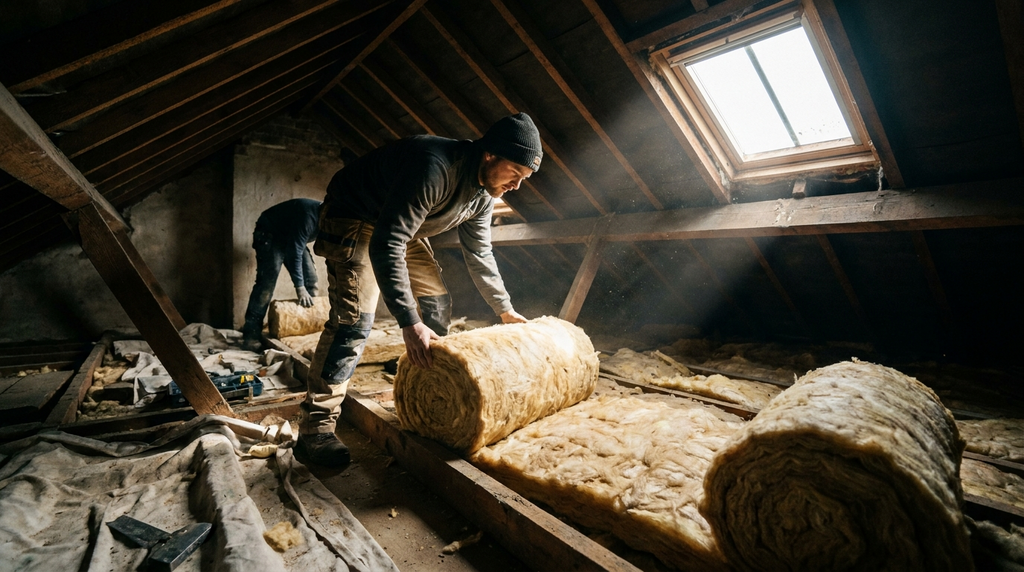
According to the 2026 DESNZ “Energy Savings and Costs” release, typical loft insulation removal costs between £300 and £600 for fibreglass or mineral wool, while spray foam removal can reach £1,500 to £2,000 (DESNZ, 2026). Cavity wall insulation removal averages £800 to £1,500, with higher costs for blown fibre materials, per the Energy Saving Trust’s 2026 cost database (Energy Saving Trust, 2026).
The National Insulation Association (NIA) 2026 market report states that removal costs vary significantly by accessibility. Easy-access lofts cost less than 5% of total removal jobs, while confined spaces add 20–40% to the labour element (NIA, 2026).
Eligibility for government-funded insulation removal grants depends on your property type and income
Government funding for insulation removal is not available to everyone. The Great British Insulation Scheme closed on 31 March 2026. It funded insulation measures only and never covered windows or glazing.
Households on means-tested benefits (Universal Credit, Pension Credit, Income Support) qualify for up to 100% of removal costs under the ECO4 programme, as stated on the Ofgem ECO4 scheme page (Ofgem, 2026). The Great British Insulation Scheme closed on 31 March 2026. It funded insulation measures only and never covered windows or glazing.
Homeowners must have a valid EPC dated within the last 10 years to apply. Without a current EPC, removal costs are fully self-funded, per the EST “Insulation Grants 2026” guide (Energy Saving Trust, 2026).
Quick numbers insulation removal costs by material and property type
| Material Type | Average Cost Range (2026) | Typical Removal Time | Common Property Types |
|---|---|---|---|
| Loft fibreglass/mineral wool | £300–£600 | 2–4 hours | 3-bed semi, detached |
| Loft spray foam | £1,500–£2,000 | 1–2 days | Any property with spray foam |
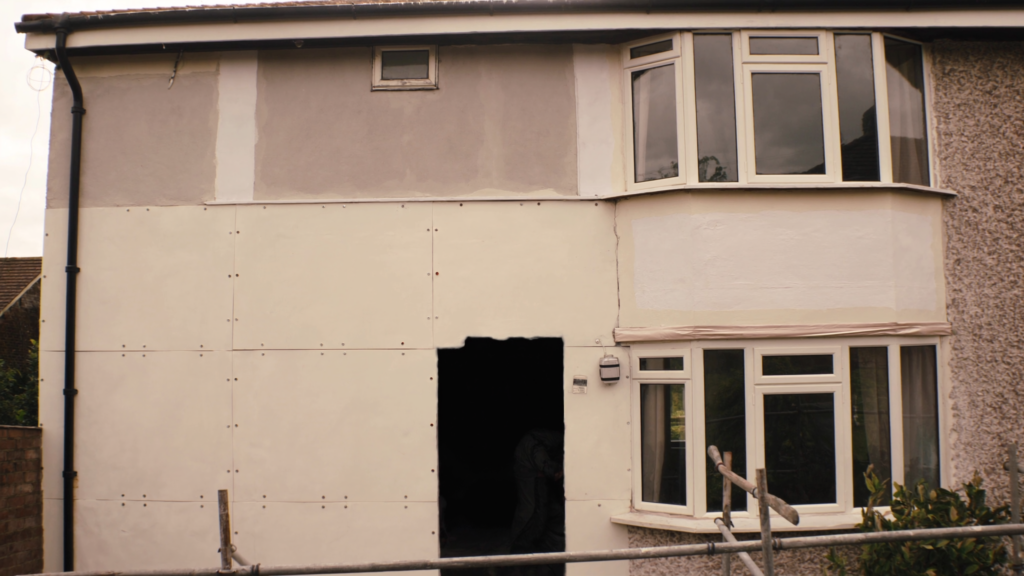
| Cavity wall blown fibre | £800–£1,500 | 4–6 hours | 1930s–1990s homes |
| Cavity wall EPS beads | £600–£1,200 | 3–5 hours | 2000s new builds |
| Underfloor mineral wool | £400–£900 | 3–6 hours | Suspended timber floors |
All figures are from DESNZ “Energy Savings and Costs for Households 2026” and the NIA “UK Insulation Market Report 2026” (DESNZ, 2026; NIA, 2026).
You do not qualify for insulation removal grants if your home has an EPC rating of D or above
The direct answer is clear. The Great British Insulation Scheme closed on 31 March 2026. It funded insulation measures only and never covered windows or glazing.
For homes rated A–D, the only funding option is the ECO4 scheme, but only if you receive a qualifying benefit and the removal is part of a full home upgrade (not standalone), per Ofgem’s ECO4 rules (Ofgem, 2026). Self-funded removal is always an option. The EST 2026 cost guide confirms that paying privately avoids waiting lists and income checks (Energy Saving Trust, 2026).
guide to understanding your EPC rating and improving it
How to verify your insulation removal installer is certified and eligible for grant work
The Great British Insulation Scheme closed on 31 March 2026. It funded insulation measures only and never covered windows or glazing. Spray foam removal specifically requires a certified spray foam contractor registered with the National Insulation Association (NIA) and holding a valid “Spray Foam Removal” endorsement, per NIA 2026 standards (NIA, 2026).
Cavity wall insulation removal must be carried out by a CIGA-registered installer (Cavity Insulation Guarantee Agency) to maintain your property’s guarantee, per the CIGA website (CIGA, 2026). Always check the installer’s certificate on the MCS register (www.mcscertified.com) and TrustMark (www.trustmark.org.uk) before signing a contract, as recommended by the EST “Choosing an Insulation Installer 2026” guide (Energy Saving Trust, 2026).
Insulation removal is not always necessary before replacement
Fibreglass and mineral wool loft insulation older than 15 years often requires removal due to degradation and reduced R-value, per the DESNZ “Insulation Lifespan Guidance 2026” (DESNZ, 2026). Spray foam insulation must be removed before any new installation because it cannot be topped up and may void roof warranties, confirmed by the NIA “Spray Foam Removal Guidance 2026” (NIA, 2026).
If your existing insulation is in good condition and less than 10 years old, you may only need top-up rather than full removal, saving 30–50% on costs, per the EST “Loft Insulation Top-Up Guide 2026” (Energy Saving Trust, 2026).
when to top up vs replace loft insulation
Hidden costs in insulation removal
Asbestos testing is mandatory for any insulation installed before 2000, costing £100–£300 per sample, per the Health and Safety Executive (HSE) 2026 guidance on asbestos in homes (HSE, 2026). Spray foam removal often reveals roof timber rot or condensation damage, requiring structural repairs averaging £500–£1,500, as reported in the NIA “Spray Foam Removal Survey 2026” (NIA, 2026).
Disposal fees for hazardous waste (e.g., asbestos-containing insulation) add £50–£150 per skip load, per the Environment Agency “Waste Disposal Costs for Households 2026” (Environment Agency, 2026). These hidden costs can add 10–25% to your total removal bill, so it is wise to budget for them upfront.
Frequently Asked Questions
Insulation removal cost UK ranges from £300 to £2,000 depending on material. Loft fibreglass removal costs £300–£600, while spray foam removal reaches £1,500–£2,000, per the DESNZ 2026 report.
Yes, households on means-tested benefits can get up to 100% of removal costs under the ECO4 programme, per Ofgem 2026. The Great British Insulation Scheme closed on 31 March 2026. It funded insulation measures only and never covered windows or glazing.
Spray foam insulation removal costs £1,500 to £2,000, according to the DESNZ 2026 'Energy Savings and Costs' release. It is the most expensive material to remove due to specialised handling.
Yes, but DIY removal of fibreglass or mineral wool is possible only with proper protective gear. Spray foam and cavity wall insulation should be removed by professionals, as stated by the National Insulation Association 2026.
Yes, homeowners must have a valid EPC dated within the last 10 years to apply for any government insulation removal grant, per the Energy Saving Trust 2026 guide.