The Great British Insulation Scheme closed on 31 March 2026. It funded insulation measures only and never covered windows or glazing. It is built to help people living in properties with poor energy efficiency ratings reduce their heating bills and carbon footprint.
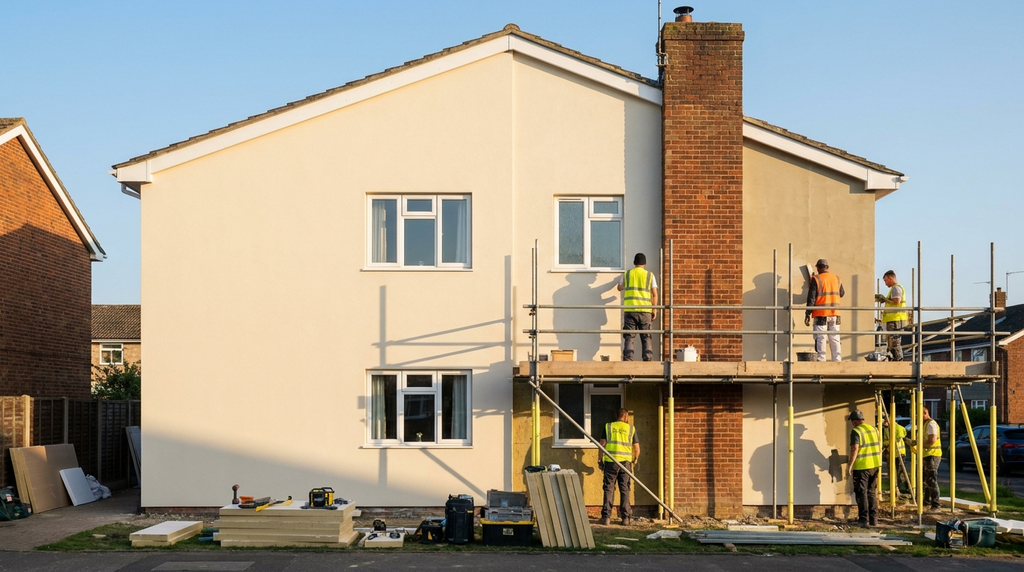
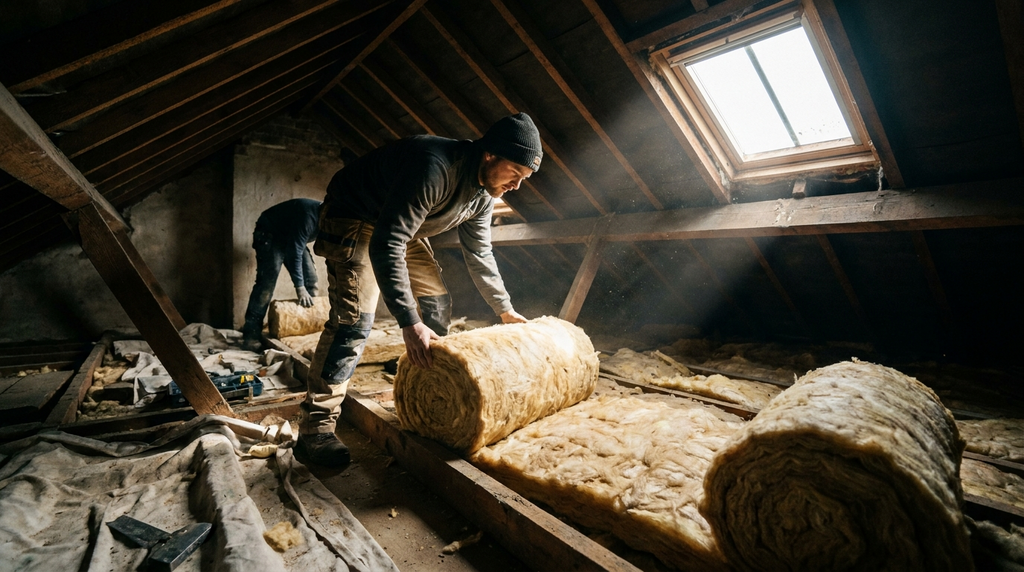
The scheme, managed by Ofgem, covers the full cost of installation for eligible households, meaning you pay nothing for the work. It targets homes with an Energy Performance Certificate (EPC) rating of D or below, and focuses on two specific measures: loft insulation (either new or topping up existing insulation to 270mm) and cavity-wall insulation (DESNZ, “Great British Insulation Scheme: Scheme Guidance,” 2026).
The Great British Insulation Scheme 2026 is a government programme for low-cost loft and cavity-wall insulation
The Great British Insulation Scheme is a key part of the UK government’s plan to improve home energy efficiency and reduce fuel poverty. It replaces earlier iterations of the Energy Company Obligation (ECO) with a more targeted approach, focusing on the most cost-effective measures for the least efficient homes.
The scheme is delivered by energy suppliers, who are obligated to install insulation in eligible homes at no cost to the householder. The Great British Insulation Scheme closed on 31 March 2026. It funded insulation measures only and never covered windows or glazing.
The Great British Insulation Scheme closed on 31 March 2026. It funded insulation measures only and never covered windows or glazing.
To qualify, you must own your home or rent from a private landlord (with the landlord’s written permission) and live in England, Scotland, or Wales. Your household must be in receipt of at least one qualifying means-tested benefit, such as Universal Credit, Pension Credit, or Child Tax Credit with a low household income, as defined by the Department for Energy Security and Net Zero (DESNZ, “Scheme Eligibility Criteria,” 2026).
Alternatively, you may qualify if your home is identified as fuel-poor by your local authority or energy supplier, even if you do not receive benefits. The Great British Insulation Scheme closed on 31 March 2026. It funded insulation measures only and never covered windows or glazing.
Quick numbers costs, savings, and scheme limits
| Measure type | Typical cost without scheme | Grant amount (household pays £0) | Annual saving on energy bills | Number of homes targeted in 2026 |
|---|---|---|---|---|
| Loft insulation (top-up to 270mm) | £300–£500 | £300–£500 | £180–£250 | 200,000 |
| Cavity-wall insulation | £500–£1,200 | £500–£1,200 | £200–£300 | 100,000 |
Cost and savings data are based on Energy Saving Trust estimates for a typical three-bedroom semi-detached house (Energy Saving Trust, “Insulation savings calculator,” 2026) and the government’s scheme impact assessment (DESNZ “Scheme Impact Assessment,” 2026).
How to check if your home is eligible without applying
The Great British Insulation Scheme closed on 31 March 2026. It funded insulation measures only and never covered windows or glazing. You will need your EPC rating, which you can find on the GOV.UK “Find an energy certificate” service. If you do not have an EPC, a free assessment may be arranged through the scheme.
You can also contact your energy supplier directly. Suppliers such as British Gas, E.ON, and Octopus Energy are obligated to offer the scheme to eligible customers (Ofgem “Scheme Delivery Guidance,” 2026). How to find your EPC rating
The Great British Insulation Scheme closed on 31 March 2026. It funded insulation measures only and never covered windows or glazing.
If you meet the benefit and EPC criteria, you pay nothing for installation. The scheme covers the full cost of materials and labour, with no hidden charges (DESNZ, “Scheme Overview,” 2026).
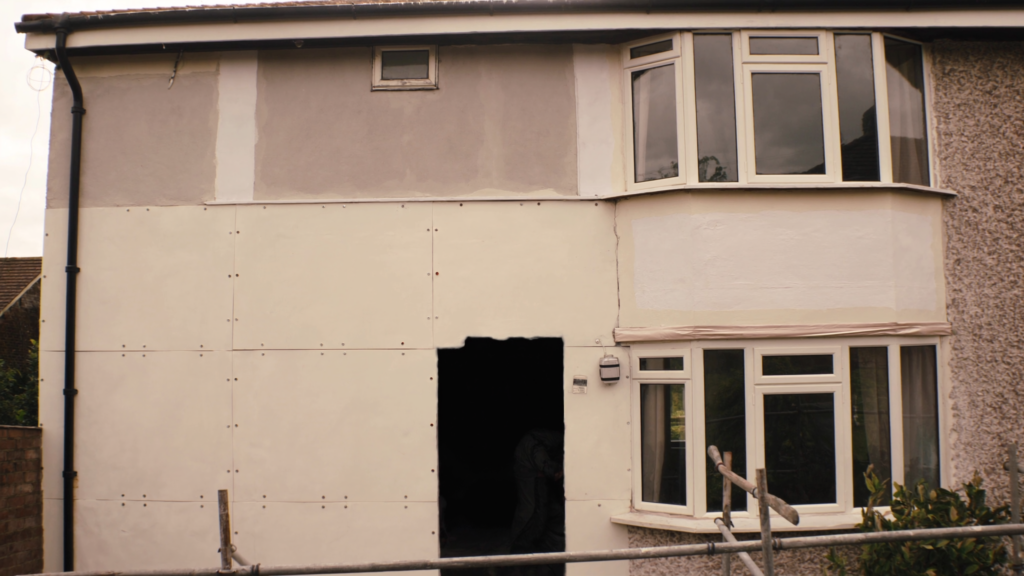
It does not cover solid-wall, floor, or external-wall insulation; those are handled by ECO4 or other local authority programmes. You do not need to repay the grant if you sell your home or move out within a certain period, as there is no clawback clause for homeowners (DESNZ “Great British Insulation Scheme: Terms and Conditions,” 2026).
How to verify your installer is certified and approved for the scheme
All installations under the scheme must be carried out by an MCS-certified contractor (Microgeneration Certification Scheme) for insulation work (MCS, “Insulation Installation Standards,” 2026). The installer must also be registered with TrustMark, the government-endorsed quality assurance scheme (TrustMark, “Scheme Requirements,” 2026).
You can check an installer’s MCS certificate number on the MCS register (mcsregister.com) and their TrustMark status on the TrustMark website. For cavity-wall insulation, the installer must hold a CIGA (Cavity Insulation Guarantee Agency) guarantee; ask for the guarantee certificate post-installation (Ofgem “Scheme Installer Requirements,” 2026). How to check if an insulation installer is legitimate
What happens after you apply timeline and next steps
Once you apply via your energy supplier or the Ofgem portal, they will arrange a free home survey to confirm eligibility and measure suitability (DESNZ, “Scheme Process,” 2026). Installation typically takes one to two days for loft insulation (including clearance of old insulation if needed) or half a day for cavity-wall insulation.
After installation, you receive a certificate of completion and a guarantee. Cavity-wall insulation comes with a 25-year guarantee under CIGA, while loft insulation typically carries a 10-year guarantee from the installer (Energy Saving Trust, “What to expect from the Great British Insulation Scheme,” 2026).
Frequently Asked Questions
Ofgem manages the scheme, targeting homes with an EPC rating of D or below.
The Department for Energy Security and Net Zero sets the eligibility criteria.
Solid-wall insulation remains under the separate ECO4 scheme or local authority programmes, as confirmed by GOV.UK.
Check eligibility on the GOV.UK website or contact your supplier directly to start the process.
The scheme covers the full cost of installation, including topping up loft insulation to 270mm.
The full list is defined by the Department for Energy Security and Net Zero.
It does not cover Northern Ireland, which has separate energy efficiency programmes.