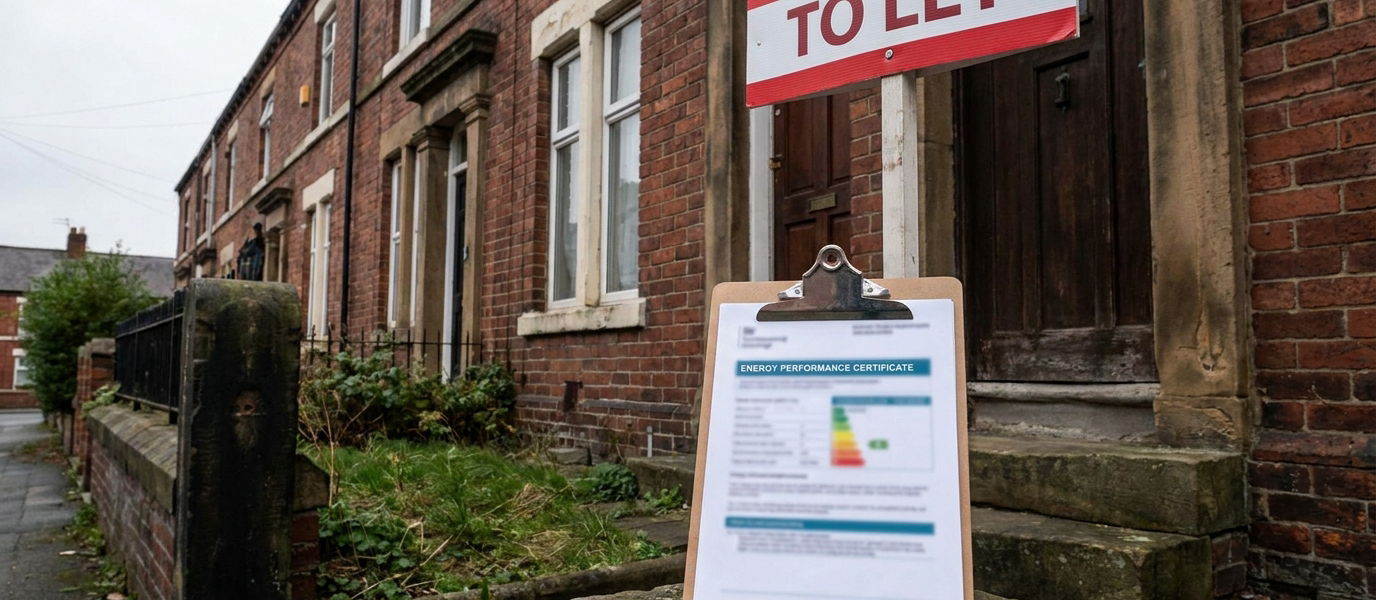
The average private tenant in England spends £1,200 a year more on energy than they would in an EPC C-rated home. That is the gap the new minimum energy efficiency standards are built to close, and landlords have just four years to act.
The Energy Saving Trust has outlined the timeline for the private rented sector’s upgrade, as reported by Energy Saving Trust. Under current proposals, all new tenancies signed from 2028 must have an EPC rating of C or above. Existing tenancies get two more years, until 2030. The previous deadline of 2025 for EPC E was quietly abandoned; this is the replacement.
Who qualifies, and who doesn’t
The rules apply to all private rented properties in England and Wales. Landlords with properties rated EPC D or lower must invest in insulation, glazing, heating systems or renewable technologies to reach the C threshold. Exemptions exist for listed buildings, properties where cost-effective improvements would exceed £10,000, and homes where the tenant refuses consent. But the exemption must be registered on the PRS Exemptions Register, and it lasts only five years.
The catch is that landlords cannot simply ignore the deadline. Ofgem figures show that 1.8 million privately rented homes in England are currently below EPC C. That is roughly 40% of the sector. The cost to bring a typical D-rated three-bed semi up to C is between £5,000 and £15,000, according to the Energy Saving Trust, depending on whether cavity wall insulation, loft top-up, double glazing, or a boiler upgrade is needed.
What it costs a typical 3-bed semi
For a landlord with a D-rated property, the cheapest first step is usually loft insulation. A 270mm top-up costs around £400 and can add 5-10 EPC points. Cavity wall insulation runs £1,200-£2,000. If the property has single glazing, replacing with A-rated double glazing costs £4,000-£7,000. A new gas boiler adds £2,000-£3,500. For the hardest-to-treat homes, solid walls, no cavity, external or internal wall insulation can cost £10,000-£15,000.
But the government offers help. The Boiler Upgrade Scheme provides £7,500 towards a heat pump. The Great British Insulation Scheme closed on 31 March 2026. It funded insulation measures only and never covered windows or glazing. Landlords can also claim up to £5,000 per property in tax relief under the Property Income Allowance for capital improvements, though the rules are complex and HMRC guidance is worth reading.
Fines and enforcement, what actually happens
Local trading standards officers will enforce the rules. Fines start at £5,000 for the first offence and rise to £30,000 for repeated non-compliance. The landlord’s name and address can be published on a public register. But enforcement has been patchy. A 2023 Freedom of Information request by the Residential Landlords Association found that only 12 councils had issued any fines under the previous EPC E rules. The government has promised a central enforcement body, but no details have been announced.
Yet the real pressure may come from tenants. From 2028, tenants will be able to request improvements and, if refused, take landlords to a First-tier Tribunal. The tribunal can order works and award compensation. For landlords, the smart move is to act early, waiting until 2027 risks a scramble for installers and higher prices.
What this means for your EPC rating and your bills
For homeowners, the same logic applies. The Future Homes Standard will require new builds to be EPC B from 2025. Mortgage lenders are increasingly offering better rates for EPC A and B properties, Nationwide and Barclays both offer green mortgages with 0.1-0.5% rate discounts for high-rated homes. And from 2030, the government is consulting on extending the EPC C minimum to owner-occupied homes at point of sale. That would affect 10 million homes currently rated D or below.
The Energy Saving Trust’s advice is clear: start with an EPC assessment. It costs £60-£120 and tells you exactly which improvements will give the biggest rating boost. Then prioritise fabric first, insulation before heating, draught-proofing before solar. The typical payback on loft insulation is two to three years. For a heat pump, it’s eight to twelve years with the current grant.
The Great British Insulation Scheme closed on 31 March 2026. It funded insulation measures only and never covered windows or glazing. Landlords should register exemptions by 31 December 2027 for new tenancies. The clock is ticking, and the fines are real.
Frequently Asked Questions
The deadline for new tenancies in England and Wales is 2028, with existing tenancies required to comply by 2030. This replaces the earlier 2025 EPC E deadline, which was quietly abandoned.
For a typical D-rated three-bed semi, costs range from £5,000 to £15,000 depending on the work needed. Loft insulation costs around £400, cavity wall insulation £1,200-£2,000, double glazing £4,000-£7,000, and a new gas boiler £2,000-£3,500.
Landlords can also claim up to £5,000 per property in tax relief under the Property Income Allowance.
Exemptions apply to listed buildings, properties where cost-effective improvements exceed £10,000, and homes where the tenant refuses consent. The exemption must be registered on the PRS Exemptions Register and lasts only five years.
Fines start at £5,000 for the first offence and rise to £30,000 for repeated non-compliance. Local trading standards enforce the rules, and landlords' names can be published on a public register, though enforcement has been patchy historically.





