Winter heating bills hit £1,800 for the average UK household last year, and summer cooling costs are rising as heatwaves become more frequent. The government has now launched a discount scheme to help families tackle both extremes, but the details matter more than the headline.
As reported by GOV.UK, the scheme offers discounts for energy-efficiency upgrades that keep homes warm in winter and cooler in summer. The catch: it targets specific measures, not all eco-home improvements.
Who qualifies, and who doesn’t
The discounts are available to households on means-tested benefits, including Universal Credit and Pension Credit. But the government has also opened eligibility to homes with an EPC rating of D or below, regardless of income. Ofgem confirmed to the BBC that roughly 3 million households fall into this category.
The scheme covers loft insulation, cavity wall insulation, double glazing, and heat pumps. Solar panels and battery storage are excluded. For a typical 3-bed semi with an EPC of D, the discount covers up to 75% of the cost, capped at £5,000. Energy Saving Trust estimates that loft insulation alone saves £300 per year on heating bills.
What it costs a typical 3-bed semi
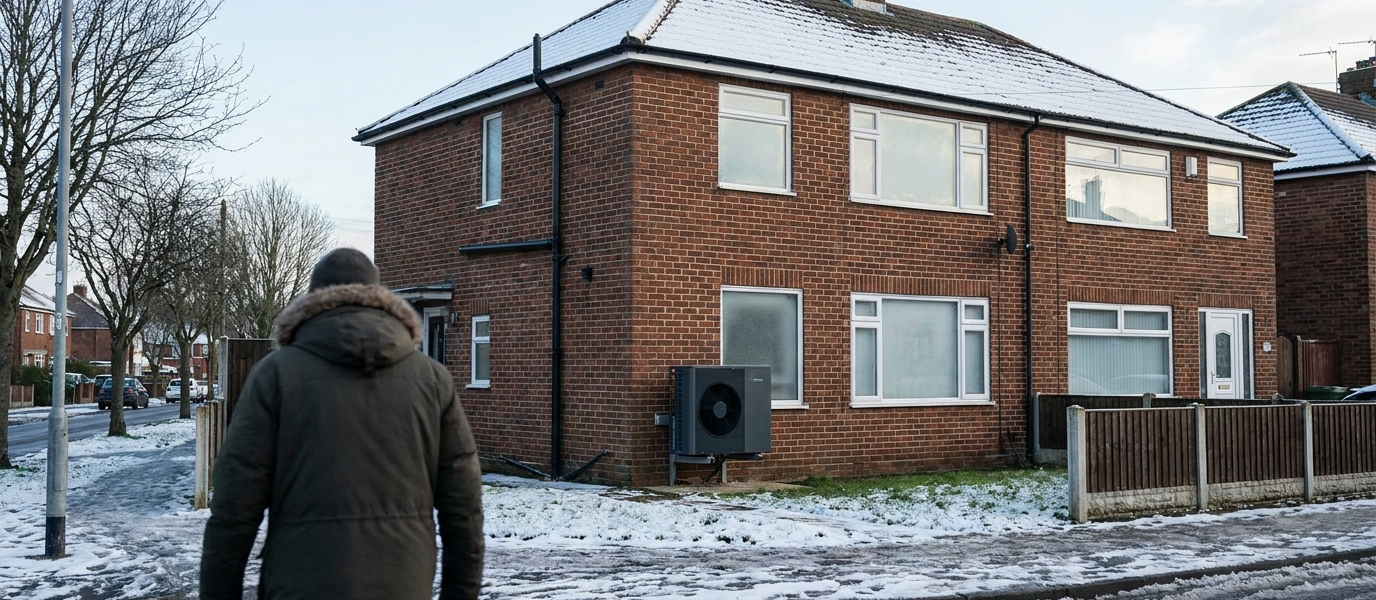
Take a 1970s semi-detached in Manchester with 100mm loft insulation and single-glazed windows. The homeowner currently pays £1,900 a year for gas and electricity. Under the scheme, they could get:
- Loft insulation top-up to 270mm: discount of £400, cost to homeowner £100
- Double glazing for 6 windows: discount of £3,000, cost to homeowner £1,500
- Heat pump installation: discount of £2,500, cost to homeowner £1,200
Total cost to the homeowner: £2,800. Total annual bill saving: £680. Payback period: 4.1 years. EPC improvement: from D to B.
But the figures assume the installer charges within government caps. Some installers in the South East charge 20% more, reducing the discount’s real value. Officials have not confirmed whether the caps will be enforced.
The EPC impact, and the missing measures
The scheme is built to boost the UK’s average EPC rating from D to C by 2030, a target the government set in 2021. But the exclusion of solar panels means households aiming for an A or B rating will need to pay separately. Solar panels typically add 10-15 points to an EPC score, enough to lift a C to a B.
Energy analysts at Carbon Brief note that the scheme’s focus on fabric-first measures, insulation and glazing, makes sense for winter warmth. Summer cooling benefits come from better insulation keeping heat out, but the scheme does not include mechanical ventilation or shading. For homes in southern England where summer temperatures exceed 30°C for 20+ days, this is a gap.
The government says the scheme will run until March 2027. Households on standard variable tariffs can apply through gov.uk from 4 November 2025. Eligibility checks take 10 working days. Installers must be registered with TrustMark or MCS.
For most homeowners, the smartest move is to book an EPC assessment first, the report will identify the cheapest measures to improve your rating. Then apply for the discounts that match your home’s needs. The scheme closes in 18 months, so don’t wait for next winter.
Frequently Asked Questions
Households on means-tested benefits like Universal Credit and Pension Credit qualify, as well as homes with an EPC rating of D or below regardless of income. Ofgem confirmed roughly 3 million households fall into this latter category.
The scheme covers loft insulation, cavity wall insulation, double glazing, and heat pumps. Solar panels and battery storage are excluded, so households aiming for an A or B EPC rating will need to pay separately for these.
For a 1970s semi-detached in Manchester with an EPC of D, the discount covers up to 75% of costs capped at £5,000. The homeowner pays £2,800 for loft insulation, double glazing, and a heat pump, saving £680 annually on energy bills with a payback period of 4.1 years.
The scheme focuses on fabric-first measures like insulation and glazing, which help keep homes cooler in summer by reducing heat gain. However, it does not include mechanical ventilation or shading, which is a gap for homes in southern England where summer temperatures exceed 30°C for over 20 days.
Households on standard variable tariffs can apply through gov.uk from 4 November 2025, and the scheme runs until March 2027. Eligibility checks take 10 working days, and installers must be registered with TrustMark or MCS.



