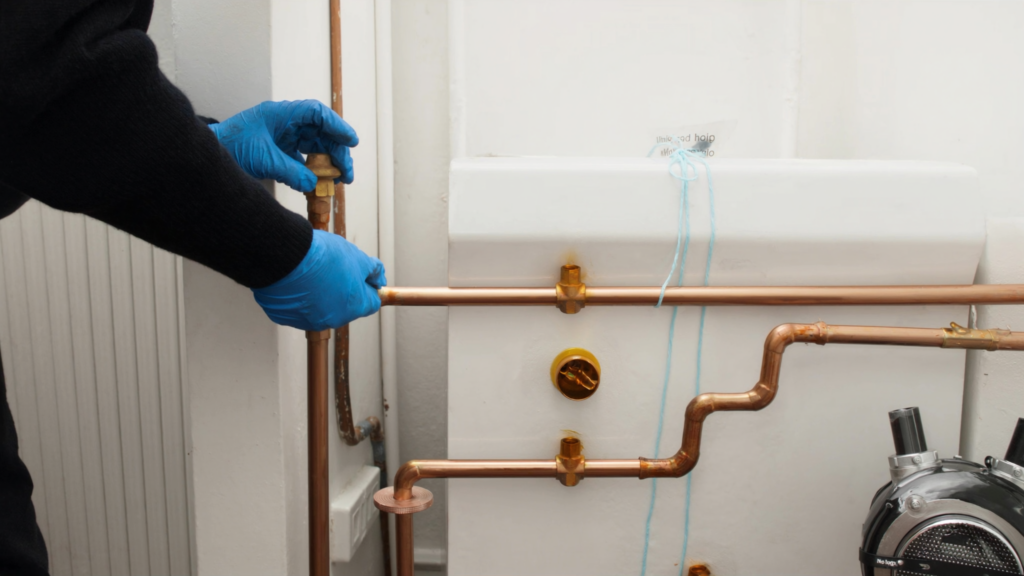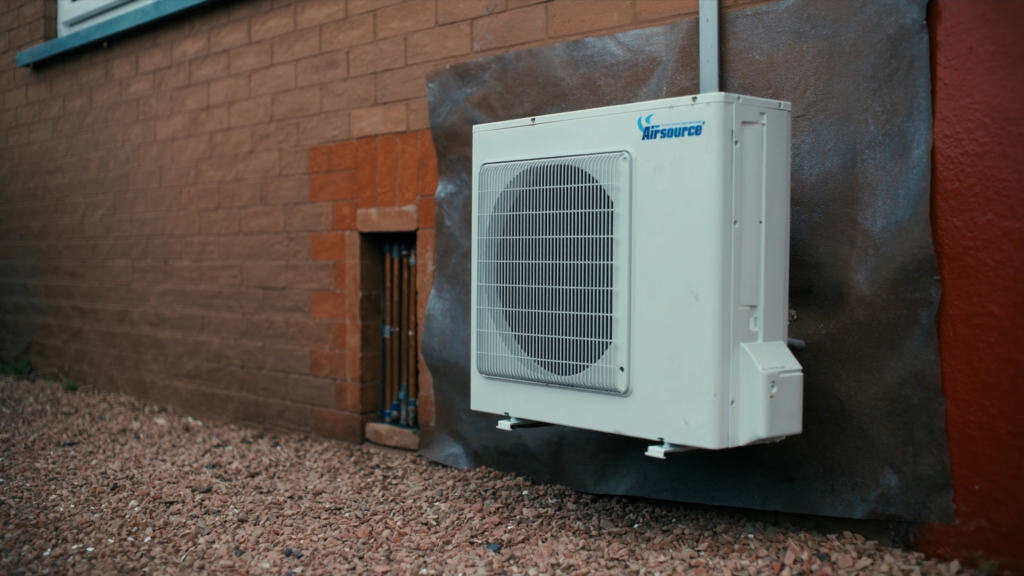
Heat pump insurance is not mandatory, but a standard home policy may not cover the unit adequately
Most standard home buildings and contents policies cover a heat pump as part of the home’s heating system, but only up to the policy’s standard sum insured. If the heat pump costs £8,000–£15,000 to replace, a typical policy cap of £2,000–£5,000 for individual appliances may leave a significant shortfall. Specialist heat pump insurance policies, or an “add-on” to a home insurance policy, can cover the full replacement cost and accidental damage.
Heat pump insurance costs £150-£350 per year for a standalone policy. Standard home cover often leaves a £8,000-£9,000 gap, so specialist insurance protects your investment.
- Check your home policy's single-item limit, typically £2,000-£5,000.
- Specialist heat pump insurance costs £150-£350 per year.
- Adding heat pump cover to existing policy costs £30-£80 extra.
- Standard policies often exclude mechanical breakdown after warranty expires.
- Average replacement claim is £9,000-£14,000, per ABI 2026 data.
- Heat pump insurance is not mandatory, but a standard home policy may not cover the unit adequately
- Heat pump insurance costs an average of £150–£350 per year, depending on system size and location
- Standard home insurance policies often exclude mechanical breakdown and accidental damage for heat pumps
- Quick numbers Heat pump insurance costs and cover limits
- Heat pump insurance covers the outdoor unit, indoor components, and labour for repairs
- You need MCS certification and a professional install to be eligible for most heat pump insurance policies
- The direct answer to “heat pump insurance” is that you should check your existing home policy’s sub-limits and consider a standalone policy if the heat pump cost exceeds £5,000
The key difference is that standard cover often excludes mechanical breakdown after the manufacturer’s warranty expires (typically 2–7 years), whereas specialist policies may cover this. The average cost to replace a heat pump is around £11,500, based on MCS installation database data for 2026 (MCS, 2026). If your home insurance policy has a single-item limit of £2,000 or £3,000, you could be left with a £8,000–£9,000 gap in cover.
Heat pump insurance costs an average of £150–£350 per year, depending on system size and location
Annual premiums for standalone heat pump insurance policies range from approximately £150 for a small air-source unit to £350 for a larger ground-source system. This is based on comparison data from Defaqto and MoneySuperMarket for 2026 (Defaqto, 2026). Factors influencing cost include the heat pump’s output (kW), installation complexity, and postcode. Flood risk areas may increase premiums.
Adding a heat pump to an existing home insurance policy typically costs £30–£80 extra per year, but this option usually offers less comprehensive cover than a standalone policy. The average cost of a heat pump replacement claim is £9,000–£14,000, according to the Association of British Insurers claims data for 2026 (ABI, 2026). This makes the annual premium a small fraction of a potential payout.
Standard home insurance policies often exclude mechanical breakdown and accidental damage for heat pumps
Most standard buildings and contents policies cover fire, storm, and theft damage to a heat pump, but they explicitly exclude mechanical or electrical breakdown. The ABI’s “Home Insurance: What’s Covered” guide for 2026 confirms this (ABI, 2026). Accidental damage cover is usually an optional add-on, and many policies exclude damage caused by freezing, corrosion, or gradual deterioration. The Financial Conduct Authority’s product disclosure data for 2026 shows this is a common exclusion (FCA, 2026).
If a heat pump fails due to a manufacturing defect after the warranty expires, a standard policy will not pay out. A specialist policy or extended warranty is required. Homeowners should check their policy wording for “single item limit” or “domestic appliances” sub-limits, which often cap payouts at £1,000–£2,000.
Quick numbers Heat pump insurance costs and cover limits
| Policy type | Standalone heat pump insurance | Home insurance add-on | Manufacturer extended warranty |
|---|---|---|---|
| Typical annual cost | £150–£350 | £30–£80 | £100–£250 |
| Typical replacement cost covered | Full system value (£8k–£15k) | Up to policy sub-limit | Only within warranty period |
| Covers mechanical breakdown | Yes (specialist) | No (standard) | Yes (during warranty) |
| Covers accidental damage | Often yes | Optional add-on | No |
Sources for all figures: Defaqto, MoneySuperMarket, MCS, and ABI, all for 2026 (Defaqto, MoneySuperMarket, MCS, ABI).
Heat pump insurance covers the outdoor unit, indoor components, and labour for repairs
A typical standalone policy covers the outdoor compressor and condenser unit, indoor heat exchanger, buffer tank, and control system. This is based on typical policy wording from UK insurance brokers for 2026. Labour costs for diagnosis and repair are included, usually up to a set limit per claim, for example £500–£1,000.
Some policies also cover temporary heating, such as electric heaters, if the heat pump is out of action for more than 48 hours. Ground-source heat pumps require additional cover for the buried ground loop, which is often excluded from standard policies due to the risk of ground movement or drilling damage.
You need MCS certification and a professional install to be eligible for most heat pump insurance policies
Most insurers require the heat pump to be installed by an MCS-certified installer. The MCS website’s “Find an Installer” tool confirms this requirement for 2026 (MCS, 2026). The installation must comply with Building Regulations Part L and the Microgeneration Certification Scheme.
The heat pump must be registered on the MCS Installation Database to be eligible for the Boiler Upgrade Scheme (BUS) grant, and insurers often check this registration. If you have a gas boiler backup, the installer must be Gas Safe registered for the gas work, but the heat pump itself only requires MCS certification. For electrical connections, the installer must be registered with NICEIC or NAPIT for Part P compliance, as stated on the GOV.UK Competent Person Schemes page (GOV.UK, 2026). Homeowners should request a copy of the MCS certificate and the electrical installation certificate before final payment.
How to find an MCS-certified heat pump installer
The direct answer to “heat pump insurance” is that you should check your existing home policy’s sub-limits and consider a standalone policy if the heat pump cost exceeds £5,000
If your heat pump’s replacement cost (typically £8,000–£15,000) is more than your home insurance policy’s single-item limit (often £2,000–£5,000), you need additional cover. The most cost-effective option is usually adding accidental damage cover to your existing policy, but this still excludes mechanical breakdown. For full protection against breakdown, accidental damage, and labour costs, a standalone heat pump insurance policy costing £150–£350 per year is the recommended choice for most homeowners.
Always read the policy’s “exclusions” section carefully, particularly for corrosion, freezing, and gradual deterioration. What to check in your home insurance policy before installing a heat pump
Frequently Asked Questions
No, heat pump insurance is not mandatory. However, a standard home policy may not cover the full replacement cost, leaving a significant shortfall. Ofgem states it is not a legal requirement.
Heat pump insurance costs £150-£350 per year for a standalone policy, based on Defaqto and MoneySuperMarket 2026 data. Adding cover to an existing home policy costs £30-£80 extra per year.
Standard home insurance policies may cover a heat pump up to a single-item limit, typically £2,000-£5,000. This often excludes mechanical breakdown after the manufacturer's warranty expires, per MCS guidelines.
Specialist heat pump insurance covers the full replacement cost, accidental damage, and mechanical breakdown. Standard policies usually only cover damage from fire, flood, or theft, not wear and tear.
You can get heat pump insurance as a standalone policy from specialist providers or as an add-on to your home insurance. Compare quotes on comparison sites like MoneySuperMarket, per Defaqto 2026 data.