Heat pumps in the UK last 15–20 years on average
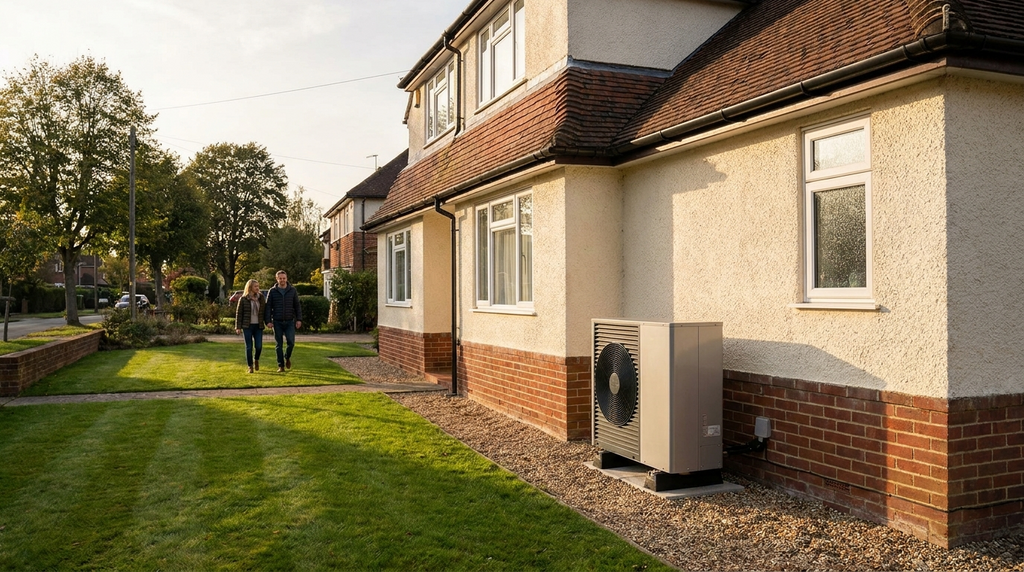
A well-installed heat pump in the UK should give you 15 to 20 years of service before needing replacement. Ground-source heat pumps, which use buried pipework, typically last 20 to 25 years because the compressor unit is indoors and protected from weather. Air-source heat pumps, the more common type for UK homes, average 15 to 20 years (Energy Saving Trust, 2026).
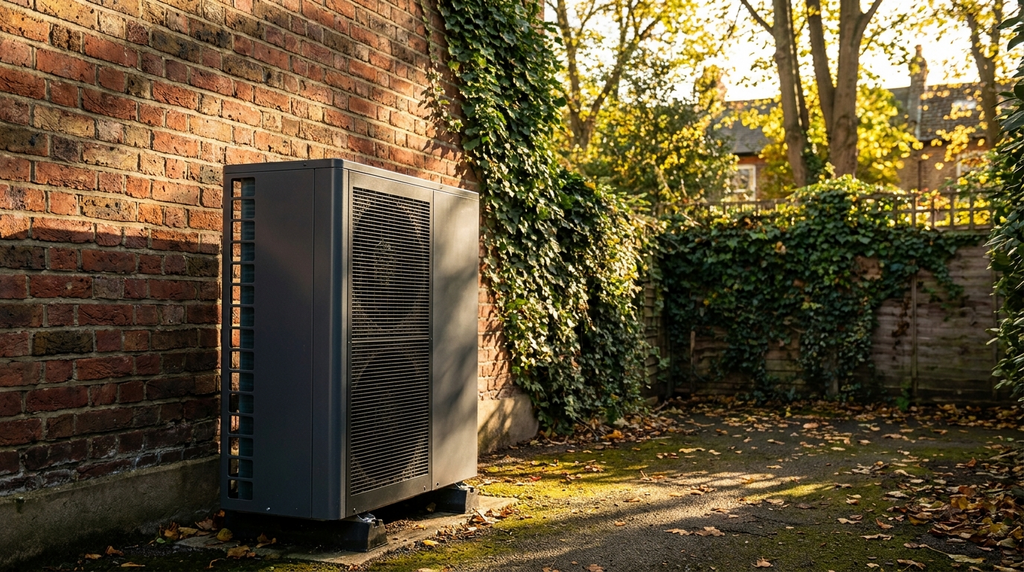
Three things can shorten that lifespan significantly. Poor installation by a non-MCS certified engineer is the most common cause. Lack of annual servicing lets dirt build up on filters and reduces efficiency. An oversized unit that short-cycles (turns on and off too frequently) will wear out its compressor faster. The outdoor unit is the most vulnerable component – exposure to rain, salt air near the coast, or debris can reduce its life if not sheltered. Modern inverter-driven compressors, which run at variable speeds, typically outlast older on/off types that slam on and off.
Gas boilers typically need replacing after 10–15 years
A gas boiler in the UK usually needs replacing after 10 to 15 years. Combi boilers average 10 to 12 years, while system or regular boilers with separate hot water cylinders may reach 15 years (Heating & Hotwater Industry Council, 2026). The key wear parts are the heat exchanger, which corrodes from hard water, the fan, and the diverter valve – these often fail after 10 years.
Annual Gas Safe servicing can extend boiler life by 2 to 3 years. Installing a water softener in hard water areas also helps the heat exchanger last longer. Boilers installed before 2025 are likely non-condensing models, which run at lower efficiency and have a shorter lifespan. Smart thermostats and weather compensation controls reduce the number of on-off cycles, which reduces wear on the fan and pump.
Maintenance costs differ significantly between heat pumps and boilers
Annual servicing for a heat pump costs £150 to £250, which includes filter cleaning, refrigerant pressure check, and electrical inspection (MCS installer price data, 2026). A gas boiler service costs £80 to £120 from a Gas Safe registered engineer. However, major repairs are more expensive for heat pumps. A compressor or refrigerant leak repair can cost £800 to £2,500 after 10 years. Boiler major repairs, such as a heat exchanger or PCB replacement, typically run £300 to £800 after 8 years.
Heat pumps have fewer moving parts than boilers – no burner, no flue, no gas valve – so they require less frequent part replacements. But when something does go wrong, the parts are more specialised and costly. Over a 20-year period, the total maintenance cost for a heat pump is roughly £3,000 to £5,000, compared to £2,000 to £3,500 for a gas boiler.
Quick numbers lifespan, cost, and efficiency comparison
| System type | Average lifespan (years) | Annual service cost (£) | Replacement cost (£) | Efficiency |
|---|---|---|---|---|
| Heat pump (air-source) | 15–20 | 150–250 | 7,000–13,000 | SPF 2.5–3.5 |
| Heat pump (ground-source) | 20–25 | 200–300 | 14,000–21,000 | SPF 3.0–4.5 |
| Gas boiler (combi) | 10–12 | 80–120 | 1,500–3,000 | ErP A-rated ≥92% |
| Gas boiler (system/regular) | 12–15 | 80–120 | 2,000–4,000 | ErP A-rated ≥92% |
Efficiency figures come from Energy Saving Trust field trials for heat pumps (SPF 2.5–3.5) and the Boiler Plus 2018 regulations for gas boilers (ErP A-rated at least 92% efficient) (Energy Saving Trust, 2026).
The key factor that determines heat pump lifespan is installation quality
MCS certification is the UK standard for heat pump installation. Installers must follow MIS 3005 for air-source and MIS 3006 for ground-source systems (MCS website, 2026). Poor installation – undersized pipework, incorrect refrigerant charge, bad siting that restricts airflow – can halve the expected lifespan. You can check an installer’s MCS number for free on the MCS register online.
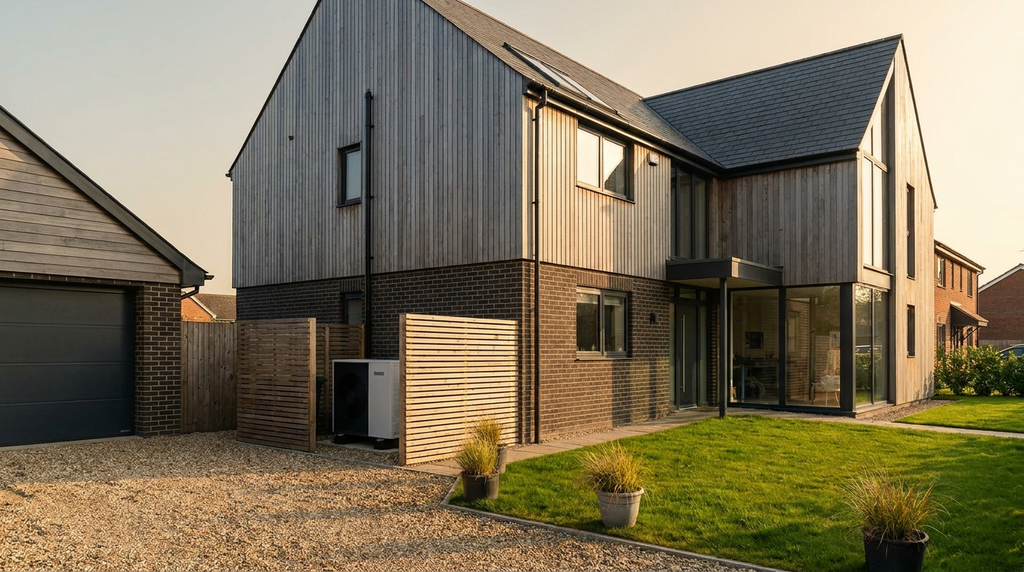
Most major manufacturers (Daikin, Mitsubishi, Vaillant) offer a 10-year warranty on the compressor, but this requires annual servicing by an MCS-approved engineer. Without that, the warranty is void. The outdoor unit should be sited away from direct rain splash and debris, ideally on a wall bracket or concrete plinth with a clear gap underneath for airflow. what to check before installing a heat pump
Boiler lifespan depends on water quality and usage patterns
Hard water areas – mainly south-east and east of England – reduce heat exchanger life by 2 to 4 years due to limescale buildup (British Water scale data, 2026). Annual Gas Safe inspection is a legal requirement for landlords; for homeowners it is strongly recommended to maintain the warranty. Smart thermostats and weather compensation controls reduce cycling and extend boiler life.
Boiler replacement is often triggered by part obsolescence. Manufacturers stop making spares for models over 12 years old, so a simple repair becomes impossible. A boiler that is 15 years old and still running is unusual and likely inefficient. The average UK home uses a gas boiler for around 10,000 hours of operation over its lifetime, after which the heat exchanger is typically corroded beyond repair.
Heat pumps require less frequent replacement but higher upfront investment
Over 20 years, the total cost of a heat pump (purchase, installation, and servicing) ranges from £8,000 to £15,000. A gas boiler over the same period, assuming two replacements plus servicing, costs £6,000 to £12,000 (DESNZ heat pump cost analysis, 2026). The Boiler Upgrade Scheme offers a £7,500 grant until 2028, which significantly narrows the gap (GOV.UK, 2026).
Heat pumps produce no carbon emissions during operation, while a gas boiler emits about 2.2 tonnes of CO₂ per year (Ofgem fuel mix data, 2026). Heat pump lifespan is less sensitive to usage frequency than boilers – they run continuously at low power rather than short cycling, which reduces wear on the compressor. how the Boiler Upgrade Scheme works
How to verify your installer for either system
For heat pumps, check the installer’s MCS registration (mandatory for grant eligibility) and TrustMark for workmanship standards (TrustMark website, 2026). For gas boilers, use the Gas Safe Register for gas installations and OFTEC for oil boilers (Gas Safe Register, 2026). For both systems, ask for proof of public liability insurance and professional indemnity insurance, plus written warranty terms.
Relevant certification bodies include MCS for heat pumps, Gas Safe for gas, FENSA for flues, and NICEIC or NAPIT for electrical work. A single installer may hold multiple certifications. Always verify each one on the relevant register before paying a deposit. A reputable installer will be happy to provide their registration numbers and insurance documents without hesitation.
Frequently Asked Questions
A heat pump in the UK lasts 15 to 20 years on average, with ground-source models reaching 20 to 25 years according to the Energy Saving Trust (2026). Air-source heat pumps are the most common type for homes.
A gas boiler typically lasts 10 to 15 years, with combi boilers averaging 10 to 12 years according to the Heating & Hotwater Industry Council (2026). Annual Gas Safe servicing can extend this by 2 to 3 years.
Poor installation by a non-MCS certified engineer is the most common cause, along with lack of annual servicing and an oversized unit that short-cycles. The outdoor unit is especially vulnerable to weather and debris.
Yes, annual Gas Safe servicing can extend boiler life by 2 to 3 years according to industry guidance. Installing a water softener in hard water areas also helps the heat exchanger last longer.
Heat pumps last longer than gas boilers, with air-source models averaging 15 to 20 years and ground-source up to 25 years, compared to 10 to 15 years for boilers from the Heating & Hotwater Industry Council (2026).