The first step to apply for ECO4 Flex is to contact your local authority and ask if they have signed a Statement of Intent for the scheme, as eligibility is determined through a council-led referral process rather than direct application to the government (GOV.UK, 2026).
ECO4 Flex is not a grant you apply for yourself. Instead, it is a local authority route to qualify for the Energy Company Obligation (ECO4) scheme, which funds energy-efficiency improvements like insulation, heat pumps, or solar panels for low-income and vulnerable households. The key variable is whether your council has adopted a Statement of Intent, a document that sets out the local eligibility criteria. If they have, you can be referred by the council or a partner organisation (e.g., a charity or housing association) to an obligated energy supplier, who then arranges the installation. If your council has not signed a Statement of Intent, you cannot use the Flex route and must check standard ECO4 eligibility instead.
Check your local authority statement of intent
Visit your council’s website or call their energy team to confirm they have published a Statement of Intent for ECO4 Flex. The document must list the specific eligibility criteria, such as a household income below £31,000 (after housing costs) or a person with a health condition worsened by cold homes (GOV.UK, 2026). If your council has not signed one, they may be in the process, check back every few months. You can also search for “ECO4 Flex [your council name]” online to find the document directly.
Contact a certified installer or energy supplier
Once you confirm your council is participating, contact a TrustMark-registered installer or your energy supplier to start the referral. The installer will assess your home and confirm you meet the Flex criteria, then submit the referral to the obligated supplier on your behalf. Suppliers like British Gas, EDF, or Octopus Energy are obligated to deliver ECO4 measures (Ofgem, 2026). The installer handles the paperwork, but you must provide proof of income, benefits, or health conditions as required by your council’s Statement of Intent.
Complete the installation and sign off
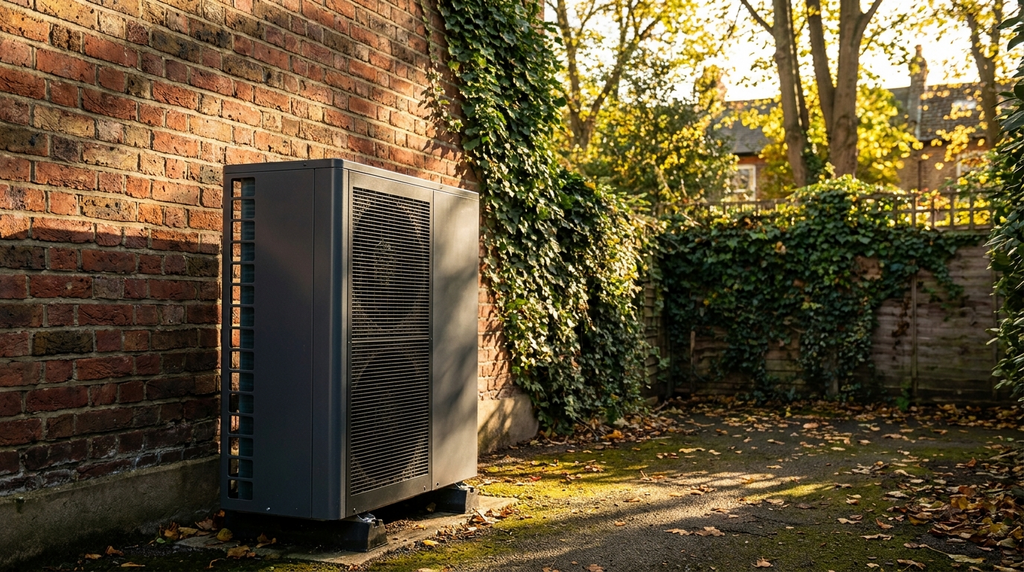
After the referral is accepted, the supplier or installer arranges a home survey to confirm the measures needed, such as cavity wall insulation (typical cost £1,000–£2,000, fully covered under ECO4) or an air source heat pump (average cost £7,000–£13,000, covered if eligible). The installation is carried out by a certified contractor, and you must sign a declaration confirming the work is complete and satisfactory (TrustMark, 2026). The supplier then claims the funding from Ofgem. You do not pay anything upfront if you are eligible through Flex.
A worked example
A typical 1930s semi-detached house in Manchester with a gas boiler and no loft insulation could receive a full ECO4 Flex package worth £14,000 for external wall insulation, loft insulation, and an air source heat pump, with the homeowner paying £0 if their council has signed a Statement of Intent and their household income is below £31,000. The Energy Saving Trust estimates the combined upgrades would cut annual heating bills by roughly £1,200 and reduce carbon emissions by 2.1 tonnes per year. Because the work is fully funded under ECO4 Flex, the payback period is immediate, the homeowner saves £1,200 from year one. Over 25 years, total savings reach £30,000 at current energy prices, and the property’s EPC rating jumps from an E to a C, adding an estimated £8,000 to its resale value according to Nationwide data cited by Energy Saving Trust.
| Item | Figure |
|---|---|
| Upfront cost after grants | £0 |
| Yearly savings | £1,200 |
| Payback period | Immediate |
| 25-year lifetime savings | £30,000 |
What homeowners often get wrong
The most common mistake is assuming ECO4 Flex is a grant you apply for online, when in fact you must go through your local council’s referral process. Here are three frequent errors that waste time or block funding.
- Applying directly to an energy supplier Many homeowners contact their supplier first, hoping to skip the council step. The right answer is you need a council referral, without a Statement of Intent from your local authority, the supplier cannot process your application, and you waste weeks chasing a dead end.
- Assuming any installer can do the work People often hire a local builder, only to find the work is not ECO4-compliant. The right answer is only TrustMark-registered installers with relevant PAS 2030 or MCS certifications can carry out ECO4 work, using an unaccredited firm voids the grant and leaves you paying the full £14,000 bill yourself.
- Overlooking the income threshold Homeowners earning £30,000 think they are too well-off for any help. The right answer is the £31,000 gross household income cap applies, and many councils also accept referrals for those on means-tested benefits or with a doctor’s note for a cold-related health condition, so you may qualify even if you are working full-time.
Quick reference
- ECO4 Flex is not a direct application, you must be referred by your local council after they sign a Statement of Intent.
- Household income below £31,000 is the standard eligibility cap, but councils can set higher local thresholds in high-cost areas.
- You qualify automatically if you receive means-tested benefits such as Universal Credit, Pension Credit, or Child Tax Credits.
- Typical payback for fully funded insulation and heat pump upgrades is immediate, with annual savings of £1,000 to £1,500 for a three-bedroom semi.
- If your council has no Statement of Intent, check standard ECO4 eligibility through GOV.UK or the Ofgem website instead.
Frequently Asked Questions
Contact your local council and ask if they have signed a Statement of Intent for ECO4 Flex. If they have, they can refer you to an obligated energy supplier for installation.
You typically need a household income below £31,000 after housing costs or a health condition worsened by a cold home, as set out in your council's Statement of Intent (GOV.UK, 2026).
No, you cannot apply directly to the government. ECO4 Flex is a local authority route, so you must go through your council or a partner organisation like a charity or housing association.