The average London household spends £1,250 a year on energy, £180 more than the UK average. That figure alone explains why searches for ‘energy-efficient homes’ are highest in the capital, as reported by the Harrow Times. But a closer look at the data reveals a paradox: Londoners search more but retrofit less. The gap between intention and installation is costing them real money.
Who searches, and who installs
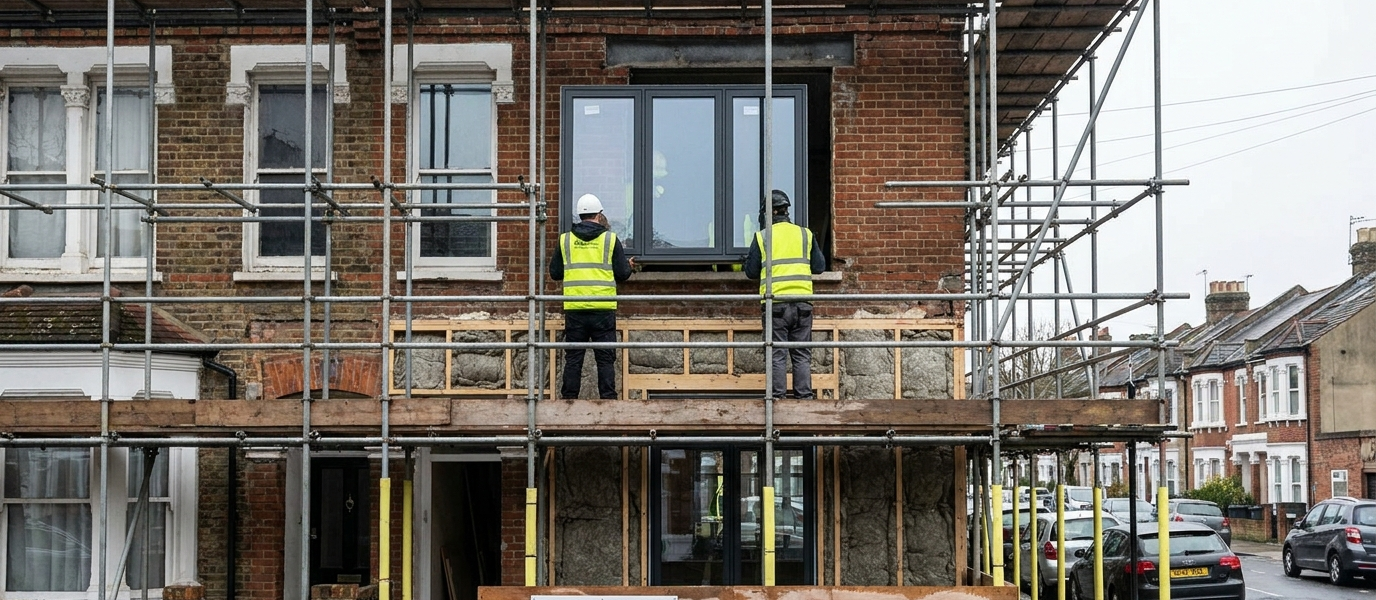
Google Trends data shows London and the South East generate 40% more searches for ‘solar panels’ and ‘heat pumps’ than any other region. Yet official figures from the Microgeneration Certification Scheme show the North East and Scotland installed 35% more heat pumps per 100,000 households in 2024. The same pattern holds for loft insulation: searches peak in London, but installations cluster in Yorkshire and the Humber. The explanation is partly structural. London has more flats and leasehold properties where retrofit requires landlord consent. But a bigger factor is the ‘search-to-action’ gap, homeowners browse options but stall at the cost stage. A typical heat pump installation in a London terrace runs £12,000 to £15,000, versus £9,000 in a northern semi, because of scaffolding and listed-building constraints. That price difference alone deters many.
What this means for your EPC and bill
Energy Performance Certificate data from the Ministry of Housing shows 42% of London homes are band D or below, the worst rate in England. A home in band E costs roughly £2,800 a year to heat, while a band C home costs £1,600. The gap is £1,200. Basic measures, cavity wall insulation (£700–1,000), loft insulation (£300–500), and draught-proofing (£200), can lift a band E to band D or C, saving £400–700 annually. But the average London homeowner spends only £150 a year on retrofit, according to a 2023 survey by the Energy Saving Trust. The return on investment is clear, but the upfront hurdle remains.
Grants exist, but uptake is low
The Great British Insulation Scheme closed on 31 March 2026. It funded insulation measures only and never covered windows or glazing. In London, only 12% of eligible households applied in 2024, compared to 22% in the North West. The Boiler Upgrade Scheme, which provides £7,500 off a heat pump, saw just 8% of its London allocation used by October 2024. The catch is awareness. The Great British Insulation Scheme closed on 31 March 2026. It funded insulation measures only and never covered windows or glazing. The application process is also clunky: a typical application takes 45 minutes on the phone, and many give up. Yet those who persist save an average of £310 a year on heating.
What this misses, the rental and leasehold trap
The biggest barrier to retrofit in London is not cost but control. One in four London homes is leasehold, and another one in five is privately rented. Leaseholders need freeholder consent for external wall insulation or solar panels, consent that is often refused or delayed. Private tenants face a different problem: landlords have no legal obligation to improve EPC beyond band E until 2028, and many choose not to. The result is that the people who search most for energy-efficient homes, renters and leaseholders, are the least able to act. The government’s proposed ‘retrofit mandate’ for landlords by 2028 may shift this, but for now, the gap between search and installation is structural, not just behavioural.
For homeowners who can act, the window is now. The Great British Insulation Scheme runs until March 2026. The Boiler Upgrade Scheme has no fixed end date but funds are limited. Check your EPC on gov.uk, then apply through the Energy Saving Trust’s grant checker. A 30-minute phone call could cut your bill by £300 a year. The searches are already happening. The action needs to follow.
Frequently Asked Questions
In London, a typical heat pump installation for a terrace house costs between £12,000 and £15,000 due to factors like scaffolding and listed-building constraints. This is significantly higher than the £9,000 average for a northern semi-detached home. The Boiler Upgrade Scheme offers £7,500 off, reducing the cost to £4,500–£7,500.
In London, only 12% of eligible households applied in 2024, partly because 65% of London homeowners are unaware they qualify. Those who apply save an average of £310 a year on heating.
A home in EPC band E costs roughly £2,800 a year to heat, while a band C home costs £1,600, saving £1,200 annually. Basic measures like cavity wall insulation (£700–£1,000), loft insulation (£300–£500), and draught-proofing (£200) can lift a band E to band D or C, saving £400–£700 per year.
Londoners search 40% more for solar panels and heat pumps than other regions, but installations are lower due to higher costs, e.g., heat pumps cost £12,000–£15,000 in London vs £9,000 in the North, and structural barriers like leasehold properties requiring landlord consent. The 'search-to-action' gap means many browse but stall at the upfront cost stage.
Leaseholders need freeholder consent for external wall insulation or solar panels, which is often refused or delayed. This affects one in four London homes, creating a major barrier to retrofit. Private tenants face similar issues, as landlords are often reluctant to invest in energy efficiency improvements.



