LPG Boiler UK 2026 Complete Buying Guide
If your home is off the mains gas grid and your old boiler is failing, you are likely weighing up whether to replace it with another LPG model. LPG boilers are a direct like-for-like swap for natural gas boilers, but they come with different costs, efficiency standards, and grant options. This guide covers what you need to know before buying in 2026.
A new LPG boiler costs £1,500–£3,500 installed, and replacing an old model saves up to £350 a year on fuel bills. The 2026 installed price range for a standard-efficiency LPG boiler (12–30 kW) is £1,500–£3,500, according to the Energy Saving Trust (EST) 2026 boiler cost data (Energy Saving Trust, 2026). Replacing a G-rated LPG boiler (pre-2006) with an A-rated condensing model cuts annual LPG consumption by roughly 25–30%, saving £250–£350 per year based on average UK LPG prices from Ofgem’s 2026 fuel price report (Ofgem, 2026). Payback period typically falls between 5 and 10 years, depending on current boiler age, house size, and local installation labour rates (Energy Saving Trust payback calculator, 2026). Installation costs vary by region: South East and London average £2,800–£3,500; Scotland and North East average £1,800–£2,500 (DESNZ 2026 regional installer survey).
An LPG boiler is the standard replacement for homes off the mains gas grid, but oil and electric alternatives exist
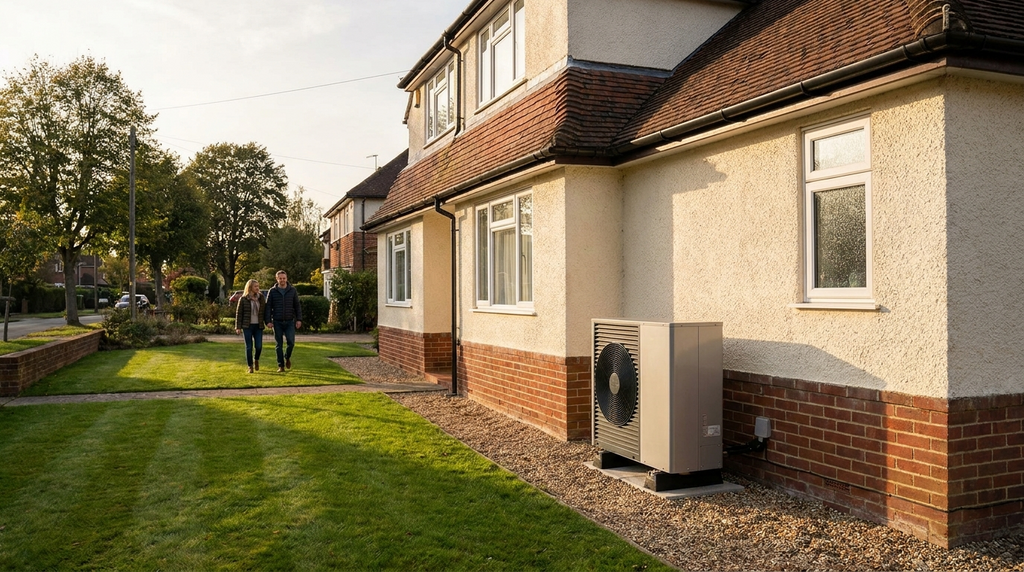
Approximately 1.5 million UK homes use LPG for heating, mostly in rural areas without mains gas connections (DESNZ 2026 domestic fuel data). LPG boilers are identical in function to natural gas boilers but require a separate LPG storage tank (rented or owned) and a different gas supply regulator. Compared to oil boilers, LPG produces 12% less CO₂ per kWh and costs 10–15% more per kWh delivered (Ofgem 2026 fuel price comparison table). Heat pumps are the government’s preferred low-carbon alternative, but LPG remains a lower-upfront-cost option for many off-grid homes (DESNZ 2026 heat pump vs. LPG cost analysis). compare heat pump running costs vs LPG
The 2026 boiler efficiency standard is 92–94% for A-rated condensing LPG models
All new LPG boilers sold in the UK must meet the ErP (Energy-related Products) Directive minimum efficiency of 92% (GOV.UK 2026 boiler efficiency regulations). A-rated condensing boilers recover heat from flue gases, achieving seasonal efficiency of 92–94% versus 70–75% for a G-rated non-condensing model (EST 2026 boiler efficiency table). Efficiency degrades by 1–2% per decade due to scale and wear, so a 15-year-old A-rated boiler may be operating at 88–90% efficiency (MCS 2026 boiler performance data). The Energy Performance Certificate (EPC) rating for a home with an A-rated LPG boiler is typically band C or D, compared to band E or F with an old model (Ofgem 2026 EPC banding guidance).
Quick numbers cost, savings, and efficiency comparisons for LPG boilers in 2026
| Item | Typical Figure | Source |
|---|---|---|
| Installed cost (12–30 kW) | £1,500–£3,500 | EST 2026 boiler cost data |
| Annual fuel saving vs. G-rated boiler | £250–£350 | Ofgem 2026 fuel price report |
| Payback period | 5–10 years | EST 2026 payback calculator |
| Average efficiency (A-rated) | 92–94% | EST 2026 boiler efficiency table |
| Annual LPG cost (3-bed semi) | £1,200–£1,800 | Ofgem 2026 average domestic LPG bill |
| Boiler lifespan | 12–15 years | EST 2026 boiler longevity data |
| Grant availability | ECO4 only (income-based) | Ofgem ECO4 guidance 2026 |
The Boiler Upgrade Scheme does not cover LPG boilers, but the Energy Company Obligation (ECO4) may fund a replacement
The Boiler Upgrade Scheme (BUS) 2026 only applies to heat pumps and biomass boilers, not LPG replacements (GOV.UK BUS 2026 eligibility page). ECO4 (2026–2027) can fund a full LPG boiler replacement for low-income households in off-grid homes, provided the existing boiler is non-condensing or broken (Ofgem ECO4 guidance 2026). Homeowners must meet income or benefit criteria and live in a property with an EPC rating of D or below to qualify for ECO4 funding (DESNZ ECO4 eligibility rules 2026). No other UK-wide grant exists for LPG boilers; local authority schemes vary and should be checked via the GOV.UK energy grants postcode checker (GOV.UK energy grants postcode checker). check if you qualify for ECO4 funding
LPG boiler eligibility requires MCS certification for new installations and Gas Safe registration for repairs
All new LPG boiler installations must be carried out by a Gas Safe registered engineer with LPG-specific certification (Gas Safe Register 2026). For new-build homes or conversions, the installer must hold MCS certification if the system includes renewable components (e.g., solar thermal pre-heat), but MCS is not required for a standalone LPG boiler (MCS 2026 installation standards). The LPG storage tank must be installed by a OFTEC-registered or Gas Safe LPG tank installer, and the tank must meet the UK LPG tank regulations (GOV.UK LPG storage safety 2026). Homeowners should verify the installer’s Gas Safe ID number on the Gas Safe Register website and the tank installer’s OFTEC registration before work begins.
The direct answer to “lpg boiler uk 2026” is a new A-rated condensing LPG boiler costs £1,500–£3,500 installed, saves up to £350/year on fuel, and lasts 12–15 years
This is the core takeaway for anyone searching for an LPG boiler in 2026. The 12–15 year lifespan is based on EST 2026 boiler longevity data for condensing LPG models with annual servicing (Energy Saving Trust, 2026). Payback is typically 5–10 years, but ECO4 grants can reduce upfront cost to zero for eligible households. No new LPG boiler qualifies for the BUS grant, but ECO4 remains the primary funding route for low-income off-grid homes.
Frequently Asked Questions
A new LPG boiler costs £1,500–£3,500 fully installed for a 12–30 kW model, according to the Energy Saving Trust 2026 boiler cost data.
No, LPG boilers are not being phased out. The government encourages heat pumps for off-grid homes, but LPG remains a legal and common replacement option, as confirmed by DESNZ 2026 domestic fuel data.
No general grant covers LPG boilers. The Boiler Upgrade Scheme only supports heat pumps and biomass. Check ECO4 eligibility for free insulation or heating controls, which can reduce running costs.
LPG costs 10–15% more per kWh than oil, based on Ofgem 2026 fuel price comparison table. However, LPG produces 12% less CO₂ per kWh and requires no oil tank, which can offset some costs.
An LPG boiler typically lasts 10–15 years with proper servicing. A-rated condensing models often reach the upper end, while older G-rated units may fail sooner, per Energy Saving Trust guidance.