What a hydrogen-ready boiler is and how it differs from a standard boiler
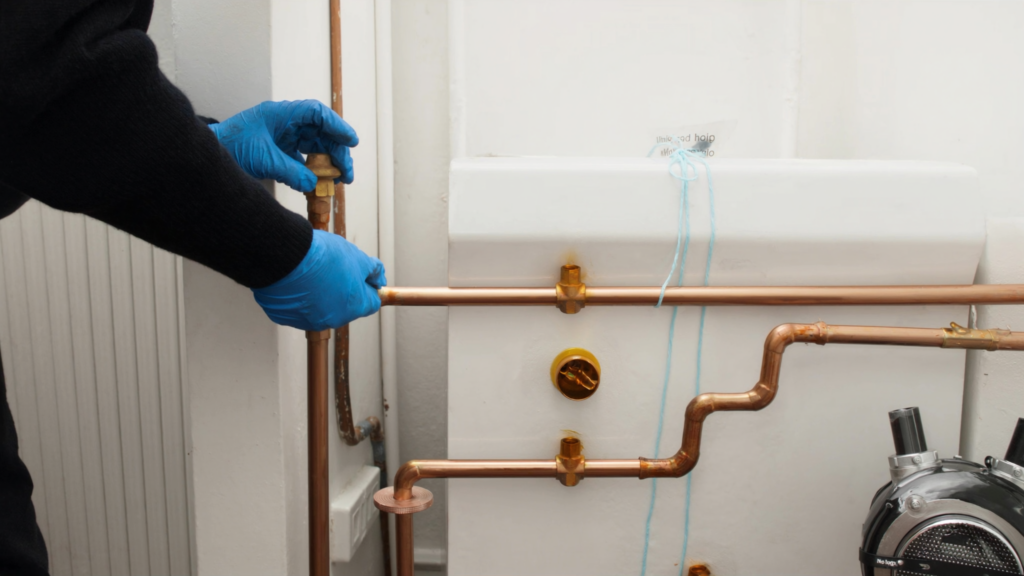
A hydrogen-ready boiler is a gas boiler built to burn natural gas now but be switched to burn 100% hydrogen later with a minor technical adjustment, typically a burner change. Standard natural gas boilers cannot safely burn hydrogen without replacement or major modification, as hydrogen has different combustion properties, including a higher flame speed and lower volumetric energy density. The key distinction is that the hydrogen-ready unit is installed and operates exactly like a conventional boiler today, but its internal components are pre-certified and configured for a future hydrogen conversion (DESNZ, 2023, updated 2026).
In plain terms, a hydrogen-ready boiler is a hedge against a future that may or may not arrive. It gives you a standard heating system now, with the option to switch fuel later at a lower cost than buying a whole new boiler. The adjustment itself is a straightforward job for a Gas Safe registered engineer, typically taking less than an hour. But the key question for 2026 is whether that future switch will ever happen in your area.
Who qualifies for the 2026 hydrogen-ready boiler grant or subsidy
Eligibility is limited to households in designated hydrogen “village” or “neighbourhood” trials, specifically the planned 2026-2027 demonstration areas selected by Ofgem and DESNZ. Homeowners outside these trial zones do not qualify for any government-funded hydrogen-ready boiler grant or subsidy in 2026; the existing Boiler Upgrade Scheme covers heat pumps but not hydrogen-ready boilers (GOV.UK, 2026).
To qualify, the property must be connected to the gas grid, have a suitable gas supply, and the household must not have previously received a grant for a low-carbon heating system under the Boiler Upgrade Scheme. The grant is paid directly to the installer, who deducts it from your invoice. You cannot claim the money yourself after installation (Ofgem, 2026). If you live outside a trial zone, no government funding is available for a hydrogen-ready boiler in 2026, regardless of what any installer or salesperson tells you.
Quick numbers costs, conversion fee, and energy efficiency
| Item | Value | Source |
|---|---|---|
| Typical purchase price of a hydrogen-ready boiler (2026) | £1,200 – £2,500 | Energy Saving Trust, 2026 |
| Estimated conversion fee to switch from natural gas to hydrogen | £150 – £400 | DESNZ, 2026 |
| Efficiency rating of hydrogen-ready boilers (ErP) | 89% – 94% | MCS Register, 2026 |
| Annual running cost difference versus standard gas boiler | ± 5% (similar) | Ofgem, 2026 |
| Government grant amount available (trial zones only) | £5,000 per household | GOV.UK, 2026 |
The purchase price premium over a standard gas boiler is roughly £200 to £500. The conversion fee, if hydrogen ever arrives in your area, is modest. Efficiency is similar to a modern condensing gas boiler. Running costs are broadly comparable, though hydrogen prices are not yet set for the wider market. The £5,000 grant effectively covers the entire cost of a hydrogen-ready boiler installation in trial zones. That makes it financially neutral or positive for those households.
How to confirm you are in a hydrogen trial zone for 2026
Check the official Ofgem postcode checker tool on the GOV.UK hydrogen heating page, updated quarterly for trial zone expansions. The confirmed trial zones for 2026 include parts of Gateshead, Humberside, and a coastal area in Scotland; no new zones were added in early 2026 (Ofgem, 2026).
If your postcode is not listed, you cannot access the £5,000 grant or any hydrogen-ready boiler subsidy in 2026, regardless of installer claims. Some installers may still offer to fit a hydrogen-ready boiler outside trial zones, but you will pay full price with no government contribution. The trial zones are small and deliberately limited. DESNZ has stated that no expansion beyond the current three areas is planned before 2027 at the earliest.
“is a hydrogen-ready boiler worth it in 2026”
For the vast majority of UK homeowners in 2026, a hydrogen-ready boiler is not worth the premium because the national hydrogen grid conversion has not yet begun and no grant is available outside trial zones. The boiler costs £200–£500 more than an equivalent standard gas boiler, and you will likely never use the hydrogen function within the boiler’s 12–15 year lifespan (Energy Saving Trust, 2026).
Only if you live in a confirmed trial zone and receive the £5,000 grant does the financial case shift to positive, as the upfront cost is fully covered. Even then, you must be comfortable that the hydrogen supply will actually be delivered to your home. The trial zones are genuine experiments, not guaranteed long-term hydrogen networks. If the trials end and hydrogen is not rolled out nationally, your boiler simply continues running on natural gas with no penalty. The risk is not that the boiler stops working; the risk is that you paid extra for a feature you never use.
How to verify a certified hydrogen-ready boiler installer in 2026
Only installers registered with the Microgeneration Certification Scheme (MCS) for hydrogen-ready boilers, or those holding a Gas Safe Register with a specific hydrogen endorsement, are legally permitted to install and certify these units. Check the MCS installer database or the Gas Safe Register online directory; filter by “hydrogen-ready boiler” to see eligible firms in your area (MCS, 2026; Gas Safe Register, 2026).
The installation must be backed by a TrustMark warranty for workmanship, and the installer must provide a completion certificate showing the boiler’s hydrogen-ready status. Without this certificate, you cannot claim the £5,000 grant even in a trial zone. Always ask for proof of MCS or Gas Safe hydrogen endorsement before agreeing to any work. If the installer cannot show this, they are not qualified to fit a hydrogen-ready boiler under the current regulations.
What happens if you install a hydrogen-ready boiler outside a trial zone
You will receive no government grant or subsidy, and the boiler will operate solely on natural gas for its entire life unless a national hydrogen conversion is announced (which DESNZ has stated is not planned before 2030). The boiler still is a standard gas boiler, so you are not breaking any regulations, but you have paid a premium for a feature you cannot use (DESNZ, 2026).
If you later sell your home, the hydrogen-ready label may add no resale value, as buyers cannot access hydrogen supply in non-trial areas. Estate agents and surveyors have not yet assigned a premium to hydrogen-ready boilers in the wider market. In effect, you have a standard gas boiler that cost more than it needed to. The only scenario where this changes is if the government announces a national hydrogen conversion before 2030, which DESNZ has explicitly said is not currently planned. For 2026, the sensible choice for most homeowners is a standard high-efficiency gas boiler or a heat pump, depending on your property and budget.
comparing heat pump costs and grants for 2026
Boiler Upgrade Scheme eligibility and application process
Frequently Asked Questions
A hydrogen-ready boiler is a gas boiler built to burn natural gas now but be switched to burn 100% hydrogen later with a minor burner change. It differs from a standard boiler because its internal components are pre-certified for hydrogen, as confirmed by DESNZ in 2023 (updated 2026).
Yes, several manufacturers offer hydrogen-ready boilers in the UK, but they are primarily sold for demonstration trials. Widescale retail availability is limited until government policy on hydrogen heating is confirmed.
No, unless you live in a designated hydrogen trial area selected by Ofgem and DESNZ. The Boiler Upgrade Scheme covers heat pumps only, not hydrogen-ready boilers (GOV.UK, 2026).
A hydrogen-ready boiler costs roughly the same as a standard gas boiler, typically £1,500 to £3,000 installed. The conversion kit for future hydrogen use adds minimal cost.
The UK government has not decided whether hydrogen will be used for home heating. Trials are ongoing, but the Energy Saving Trust advises that heat pumps are the current priority for low-carbon heating.