A monobloc heat pump is generally cheaper and simpler to install than a split system for most UK homes
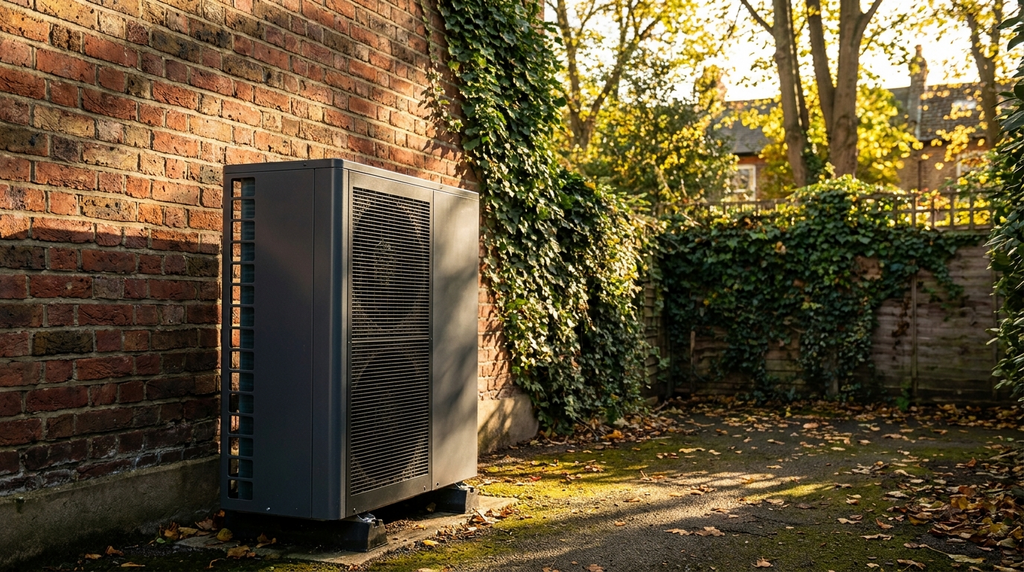
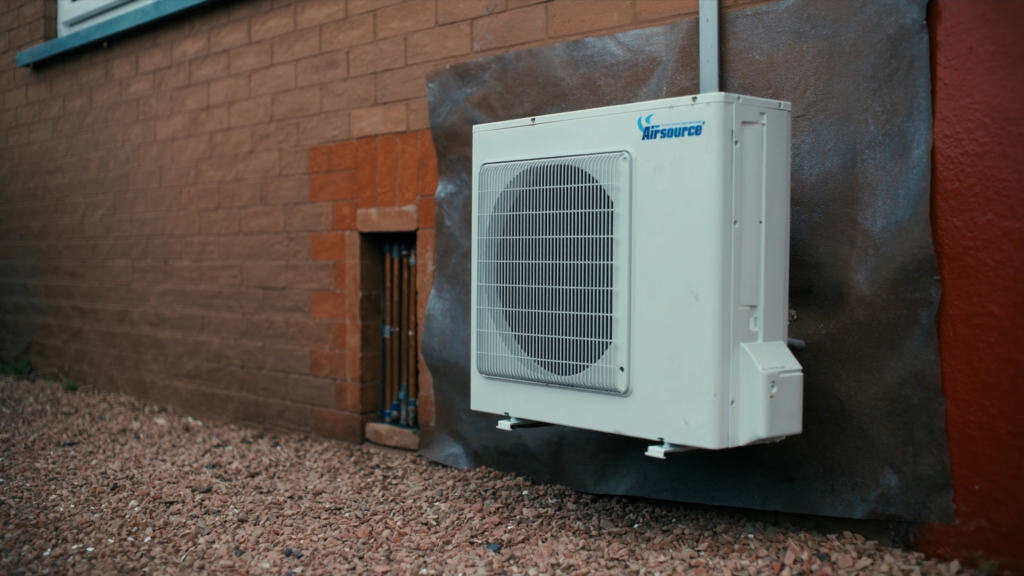
The core difference between these two heat pump designs comes down to where the refrigerant components sit. A monobloc system houses all refrigerant parts in a single outdoor unit, meaning no refrigerant pipework needs to be run inside the property. This single-unit design reduces installation complexity and cost, typically by £500–£1,500 compared to a split system (Energy Saving Trust, 2026).
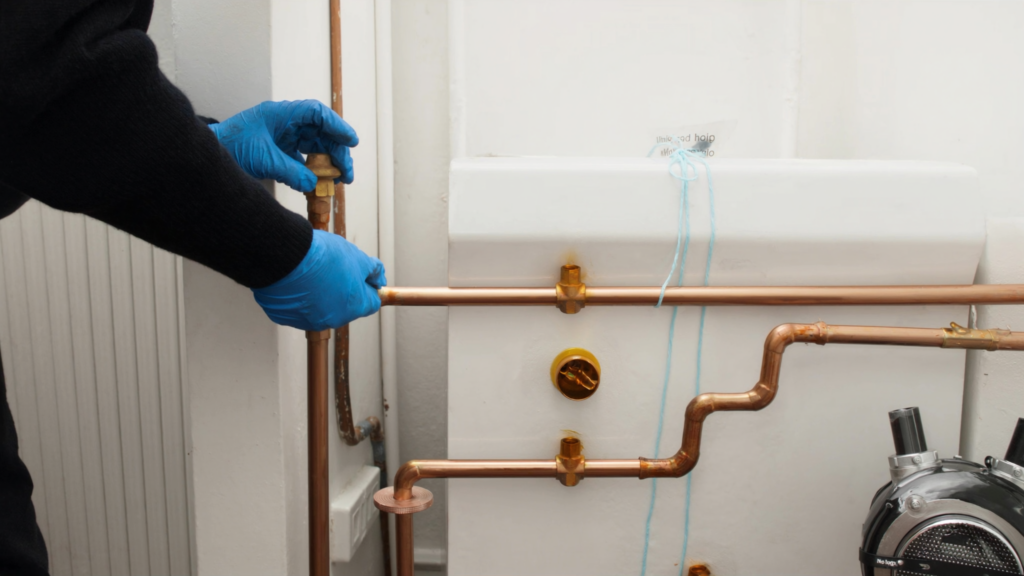
For the majority of UK home retrofits, monobloc units are the most common choice because they require less disruption to existing plumbing and electrical systems. The installer connects water pipes from the outdoor unit to the indoor heating system, avoiding the need for specialist refrigerant handling inside the building. MCS installation standards confirm that monobloc systems are generally faster to commission and less prone to refrigerant leak risks during installation (MCS, 2026).
A split heat pump can be more efficient in larger or multi-zone homes
Split systems separate the compressor (outdoor) from the evaporator or condenser (indoor). This allows refrigerant to travel directly to the heat distribution system. This design can reduce heat losses in long pipe runs, improving the Seasonal Coefficient of Performance (SCOP), a measure of average efficiency over a year, by 0.1–0.3 in some installations (DESNZ, 2026).
Split systems are better suited to homes with multiple heating zones, such as separate upstairs and downstairs circuits, because the indoor unit can be positioned closer to each zone’s manifold. For a home over 200m² with long pipe runs between the outdoor unit and the heat distribution points, the efficiency advantage can marginally offset the higher upfront cost. The MCS SCOP database shows that split systems in larger properties can achieve a SCOP of 3.2–3.8, compared to 3.0–3.5 for monobloc units in the same climate (MCS, 2026).
The upfront cost difference monobloc saves £1,000–£2,000 on average
Typical installed cost for a monobloc air source heat pump (8–12 kW) in a UK semi-detached home ranges from £7,000 to £11,000. A comparable split system costs £8,500 to £13,000 to install (Energy Saving Trust, 2026). The higher cost of a split system is driven by additional labour for refrigerant line installation, pressure testing, and commissioning, along with the requirement for an F-Gas certified engineer to handle the refrigerant.
Ofgem Boiler Upgrade Scheme data confirms that the average grant-eligible cost for air source heat pumps in 2026 is around £9,500, with monobloc installations consistently on the lower end of that range (Ofgem, 2026). The £1,000–£2,000 gap means monobloc is the more budget-friendly option for most homeowners, especially when the efficiency difference is modest.
Quick numbers key specifications compared
| Feature | Monobloc | Split |
|---|---|---|
| Typical SCOP (UK average climate) | 3.0–3.5 | 3.2–3.8 |
| Installed cost (8–12 kW) | £7,000–£11,000 | £8,500–£13,000 |
| Installation time | 2–3 days | 3–5 days |
| Refrigerant handling required on site | No | Yes (F-Gas certified engineer) |
| Indoor unit space required | None (outside only) | Indoor unit (approx. 1m² floor area) |
| Source: MCS SCOP database; EST cost data; F-Gas regulations (GOV.UK). | ||
The answer to “monobloc vs split heat pump uk” choose monobloc for simpler retrofits, split for higher efficiency in large homes
For most UK homes, semi-detached, terraced, and small detached properties, the monobloc is the practical and cost-effective choice. The installation is simpler, the upfront cost is lower, and the efficiency difference is typically small. For homes over 200m² with multiple heating zones or long pipe runs, a split system may deliver marginally higher efficiency that offsets the extra cost over 10+ years (DESNZ, 2026).
The difference in running cost between the two is typically less than £100–£150 per year for an average home, according to the Energy Saving Trust running cost calculator (EST, 2026). That means the payback period for the higher-cost split system is rarely short enough to justify it for a standard retrofit. compare heat pump running costs to gas boiler running costs
How to verify your installer is certified for either system
Monobloc systems require an MCS-certified heat pump installer. You can check the MCS register at mcs.uk to confirm a company is listed (MCS, 2026). Split systems require the installer to hold an F-Gas certificate (Category I) for handling refrigerant, in addition to MCS certification (GOV.UK, 2026).
Both systems should be installed under a TrustMark-registered company for consumer protection (TrustMark, 2026). For existing homes, check that the installer can provide an MCS certificate for the specific heat pump model you choose, which is needed for Boiler Upgrade Scheme grant eligibility. what to check before hiring a heat pump installer
The Boiler Upgrade Scheme (BUS) applies equally to both
The BUS grant is £7,500 for either monobloc or split air source heat pump installations in England and Wales as of 2026 rates (GOV.UK, 2026). The grant is not available for DIY installations or those by non-MCS engineers. Both system types must meet minimum efficiency standards (SCOP of 2.8 or higher) to qualify (Ofgem, 2026).
Scotland’s Home Energy Scotland loan and grant scheme also applies to both system types, with similar MCS requirements (Home Energy Scotland, 2026). This means the grant decision does not favour one system over the other, the choice depends on your home size, heating layout, and budget.
Frequently Asked Questions
A monobloc heat pump has all refrigerant parts in one outdoor unit, requiring only water pipes inside. A split system separates refrigerant components between indoor and outdoor units. The Energy Saving Trust says monobloc is simpler and cheaper to install for most UK homes.
Monobloc heat pumps are typically £500-£1,500 cheaper to install than split systems. The Energy Saving Trust confirms the cost difference comes from simpler installation without refrigerant pipework inside the property.
Split systems can be 0.1-0.3 SCOP more efficient in larger or multi-zone homes, according to DESNZ. The MCS SCOP database shows split systems achieve SCOP 3.2-3.8 compared to 3.0-3.5 for monobloc in homes over 200m².
For most UK home retrofits, monobloc heat pumps are the most common choice because they cause less disruption and are cheaper to install. Split systems are better suited to homes over 200m² with multiple heating zones and long pipe runs, according to MCS standards.
Yes, split heat pumps require refrigerant pipework inside the property, which needs specialist handling. Monobloc systems avoid this by keeping all refrigerant in the outdoor unit, reducing leak risks during installation as confirmed by MCS standards.