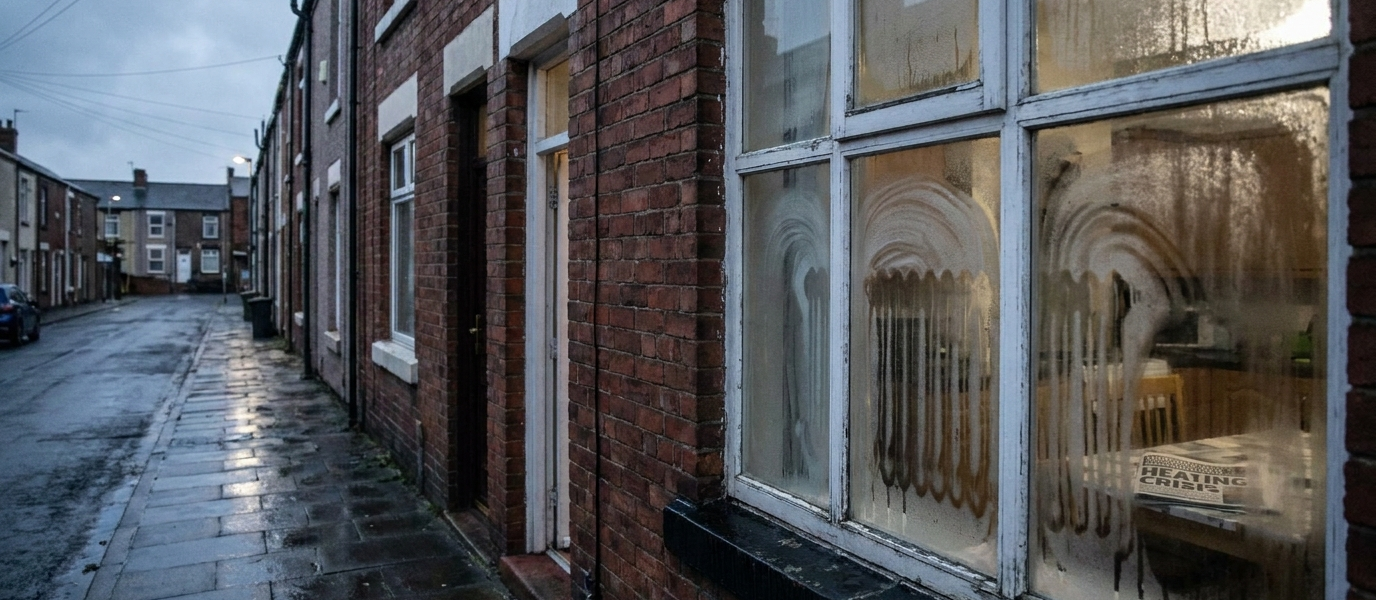
The UK’s insulation programme has spent billions of pounds since 2010, yet one in three homes still has cavity walls unfilled and two in five lofts under-insulated. That is not a policy gap, it is a scandal, as reported by Politico. And for every household sitting on a standard variable tariff, the cost of this failure is measured in pounds, not policy papers.
What the scandal actually means for your bill
A typical 3-bed semi loses around 30% of its heat through uninsulated walls and another 25% through a poorly insulated loft, according to Energy Saving Trust figures. With the energy price cap at £1,923 from October, that wasted heat adds roughly £300–£500 to the annual bill for an average home. The government’s own audits found that up to 40% of installations under the Green Homes Grant were defective or incomplete. That is a bureaucratic failure that costs you money every winter.
Who qualifies, and who doesn’t
The Great British Insulation Scheme, launched in 2023, targets low-income households and those in EPC bands D to G. But eligibility is narrow: you must be on certain benefits or live in a specific council tax band. Ofgem data shows that only 120,000 homes had been treated by mid-2024, against a target of 300,000. The catch is that even if you qualify, the installer may be unaccredited or the work may not meet PAS 2035 standards. The National Insulation Association told the BBC that rogue traders remain a problem, and the Competition and Markets Authority is investigating mis-selling of cavity wall guarantees.
What you can do, now
Do not wait for a government scheme to fix your home. First, book an independent energy assessment from a certified retrofit coordinator, costs typically £200–£400, but it gives you a PAS 2035-compliant plan. Second, check your loft insulation depth: if it is less than 270mm, top it up yourself for about £50–£100. Third, if you are on a standard variable tariff, switch supplier now, the difference can be £200 a year. The scandal is real, but the cheapest kilowatt-hour is the one you do not use. Insulation pays back in three to five years, and it lifts your EPC rating by at least one band, which adds value when you sell.
Frequently Asked Questions
Topping up loft insulation to the recommended 270mm depth costs around £50–£100 for DIY materials, while professional installation typically ranges from £200–£400. This investment can save you £150–£250 annually on heating bills, with payback in three to five years.
You qualify if you receive certain benefits or live in a specific council tax band, but only 120,000 homes had been treated by mid-2024 against a 300,000 target.
Cavity wall insulation typically costs £500–£1,500 for a standard 3-bed semi-detached house in the UK. It can save you around £200–£300 annually on energy bills, with payback within two to five years, though up to 40% of installations under the Green Homes Grant were defective.
These provide a PAS 2035-compliant plan, which is essential for quality work and avoiding rogue traders.
Measure the depth of your loft insulation with a ruler, if it's less than 270mm, it's under-insulated and costing you around £150–£250 extra per year. Topping it up yourself with rolls from a DIY store costs about £50–£100 and can be done in a few hours.



