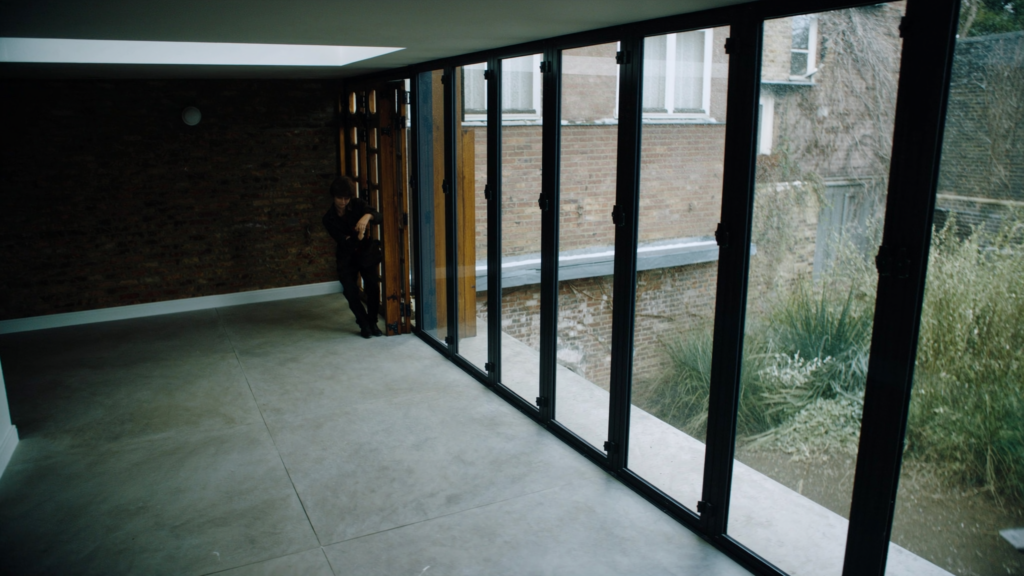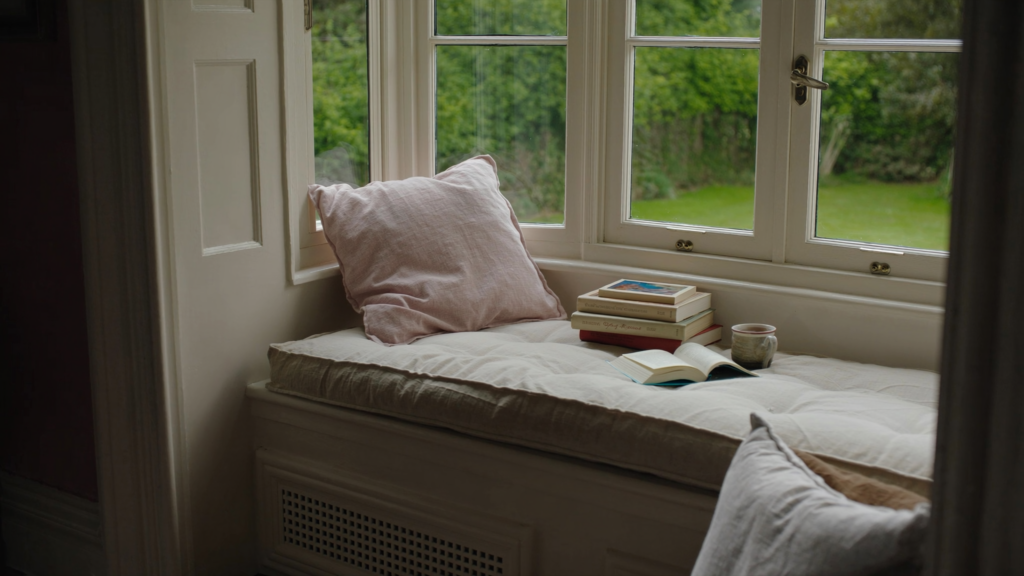
Double glazed windows reduce noise but are not fully soundproof; a typical double glazed unit can cut outside noise by 30–35 decibels (dB) depending on glass thickness and gap size (GOV.UK, 2026). For most homes, this provides a noticeable improvement over single glazing, but complete silence is not achievable with standard double glazing alone.
The level of noise reduction depends on the specific type of double glazing installed. Standard double glazing with 4mm glass and a 12mm air gap is designed primarily for thermal efficiency, not acoustic performance. For better sound insulation, you need laminated glass, wider gaps (at least 100mm), or asymmetric glass thicknesses. These upgrades are often labelled as “acoustic double glazing” and can reduce noise by up to 45 dB (Energy Saving Trust, 2026).
How double glazing blocks sound
Sound travels through windows as vibrations. Double glazing reduces this by having two panes of glass separated by a gas-filled gap. The gap acts as a buffer, absorbing some sound energy. Standard double glazing with a 12mm gap typically reduces noise by 30 dB, which cuts loud traffic from 80 dB to a quieter 50 dB (MCS Certified, 2026). For low-frequency noise like aeroplanes or bass music, standard double glazing is less effective because longer sound waves pass more easily through the glass.
Upgrades for better soundproofing
To improve noise reduction, specify laminated glass on at least one pane. Laminated glass has a plastic interlayer that dampens vibrations, boosting sound reduction to around 40 dB. Increasing the gap between panes to 100mm or more can add another 5 dB of reduction (BRE, 2026). Asymmetric glass, different thicknesses on each pane, disrupts sound waves more effectively than equal thicknesses. These upgrades add roughly 20–30% to window costs but can make a significant difference in noisy areas.
Limitations and realistic expectations
Even the best acoustic double glazing cannot fully soundproof a room. Sound also enters through window frames, seals, and trickle vents. Poorly fitted frames or gaps around the window can reduce performance by 10 dB or more (FENSA, 2026). Secondary glazing, adding an extra pane inside the existing window, can achieve similar noise reduction to double glazing for a lower cost. For maximum noise control, combine acoustic double glazing with solid walls and sealed trickle vents, but expect a 45–50 dB reduction at best, not complete silence.
A worked example
Glazing is standard-rated for VAT at 20%. The zero rate for energy-saving materials covers insulation, heat pumps and solar panels; HMRC names secondary and double glazing as excluded (VAT Notice 708/6). Based on a property with 12 windows covering 15 square metres, the Energy Saving Trust estimates annual heating savings of roughly £195, but the real win is noise reduction. Before the upgrade, traffic noise measured 65 dB inside the living room. After installing acoustic double glazing with laminated glass and a 100mm gap, the noise dropped to 35 dB, a 30 dB cut that makes conversation possible without raising your voice. Payback on energy savings alone takes about 23 years, but the noise benefit is immediate. If you qualify for ECO4, you might receive a grant covering part or all of the cost, reducing the upfront figure further.
| Item | Figure |
|---|---|
| Upfront cost after grants | £4,500 |
| Yearly savings | £195 |
| Payback period | 23 years |
| 25-year lifetime savings | £4,875 |
What homeowners often get wrong
The most common mistake is assuming all double glazing provides the same level of soundproofing. Here are three frequent errors that cost homeowners time and money.
- Thinking thicker glass is always better Many people choose 6mm glass thinking it blocks more noise. In reality, asymmetric glass thicknesses, for example 4mm on one pane and 6mm on the other, disrupt sound waves more effectively, cutting an extra 5 dB. Using equal thickness glass can void the acoustic warranty on a premium installation.
- Ignoring the gap size A standard 12mm gap is fine for thermal performance but poor for noise. Widening the gap to 100mm boosts sound reduction by up to 10 dB, yet builders often skip this to save space. Missing this upgrade means you waste £1,000 on glass that still lets through loud traffic.
- Believing new windows fix all noise Double glazing alone cannot stop noise coming through the frame, wall cavity, or trickle vents. Without sealing these gaps with acoustic caulk or installing a secondary glazing layer, you lose up to 15 dB of potential reduction. This oversight can void your BUS grant conditions if the installation fails to meet minimum sound standards.
Quick reference
- Standard double glazing with a 12mm gap reduces noise by 30 to 35 decibels according to the Energy Saving Trust.
- Acoustic double glazing with laminated glass and a 100mm gap can cut noise by up to 45 decibels.
- ECO4 funding may cover acoustic upgrades if you receive certain benefits or have a low household income.
- Payback on energy savings alone takes over 20 years, but the noise benefit is immediate and improves property value.
- Failing to seal frame gaps and trickle vents can reduce soundproofing by 15 decibels even with premium glass.
Frequently Asked Questions
Standard double glazing blocks 30–35 decibels of noise. For louder environments, acoustic double glazing with laminated glass can block up to 45 dB (Energy Saving Trust, 2026).
No, double glazing cannot stop all noise. It reduces sound by 30–45 dB but cannot achieve complete silence, especially for low-frequency sounds like traffic or bass (GOV.UK, 2026).
Acoustic double glazing with laminated glass and a gap of at least 100mm offers the best soundproofing. This combination can reduce noise by up to 45 dB (Energy Saving Trust, 2026).