Why Blackburn Homeowners Are Paying More Than They Should on Heating Bills
Here’s something worth knowing about Blackburn before anything else, the average home here sits at EPC Band E. That’s below the national average of Band D, which means most households in town are spending noticeably more on heating than people in comparable properties elsewhere in England. With gas usage running around 13,000 kWh per year, that’s a significant chunk of money disappearing through poorly insulated windows every single winter.
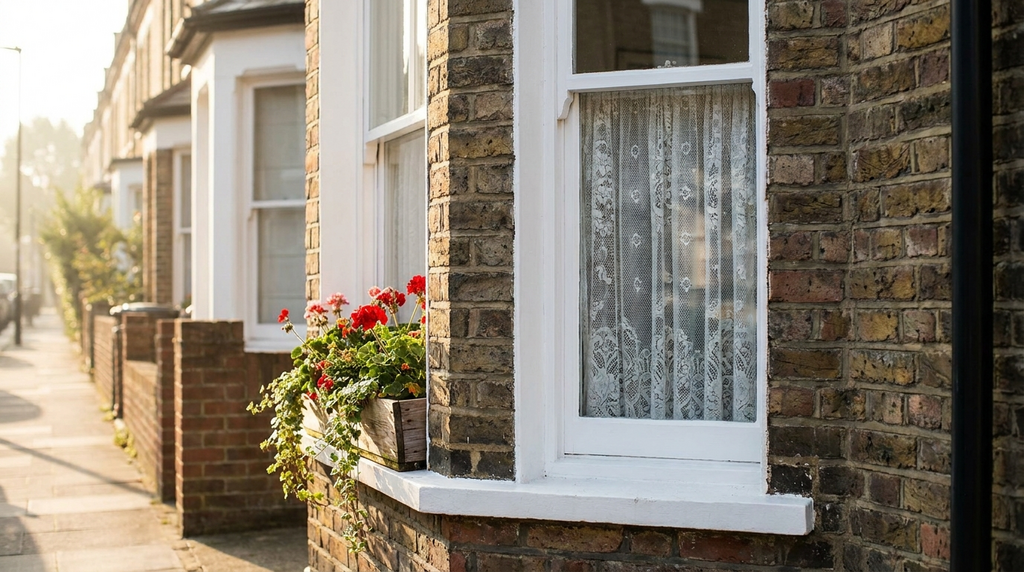
Blackburn’s housing stock is heavily weighted towards Victorian and Edwardian terraces, particularly across areas like Bastwell, Audley, and the older streets radiating out from the town centre. These homes were built in an era when single-pane glass and draughty timber frames were just the way things were. Decades later, many still have the same windows, or at best, older double glazing that’s well past its best. You can often spot the signs: condensation trapped between the panes, frames that no longer seal properly, and that unmistakable cold draught when you sit near the window in January.
There’s also the timing to consider. Energy prices have stabilised somewhat but remain historically high, and the government’s current push on retrofitting older homes has made grants more accessible than they’ve been in years. For Blackburn specifically, where a high proportion of properties qualify due to lower EPC ratings, right now is genuinely a good moment to act.
What Double Glazing Actually Involves for a Typical Blackburn Home
Let’s be honest about what you’re dealing with in most Blackburn properties. The terraced streets around Ewood, Darwen Street area, and the older semis out towards Lammack and Beardwood were built predominantly between 1880 and 1940. That means deep-set window reveals, non-standard frame sizes, and in many cases, original brick surrounds that require careful measurement and sometimes a bit of remedial work around the frame.
The good news is that terraced homes are actually quite straightforward for double glazing installation in most respects. Installers can often work from inside and out without scaffolding, particularly on ground and first floor windows. Bay windows, common on the better Edwardian semis in Beardwood and the Pleasington side of town, are a bit more involved and will add cost, but they’re well within normal territory for any experienced North West installer.
What does complicate things in parts of Blackburn is the sheer density of the housing. In tightly packed terraced streets, parking for an installer’s van and access to the rear of the property can genuinely slow a job down. Some back-to-back terraces have very restricted rear access, meaning all materials have to come through the house. This is worth flagging when you get quotes, a good installer will ask about access upfront and price accordingly rather than hit you with extras later.
For homes built pre-1919, you’ll also want to check whether the existing window openings have any original features worth preserving, or whether there are any structural considerations around the lintels. Most of the time it’s straightforward, but it’s worth having a surveyor-style visit rather than just a quick measure-and-price approach.
How Much Double Glazing Costs in Blackburn and the North West Area in 2026
Labour costs in Blackburn are moderately priced, noticeably cheaper than Manchester city centre rates and roughly in line with nearby Accrington and Chorley. You’re in a good position geographically, with strong installer coverage across the east Lancashire corridor. That competition helps keep prices honest.
| Property Type | Number of Windows | uPVC Double Glazed | Aluminium Double Glazed | Triple Glazed Upgrade |
|---|---|---|---|---|
| 2-bed mid-terrace | 6–8 windows | £2,800 – £4,200 | £4,100 – £5,800 | £4,500 – £6,500 |
| 3-bed end-terrace | 8–10 windows | £3,500 – £5,200 | £5,000 – £7,200 | £5,800 – £8,400 |
| 3-bed semi-detached | 10–12 windows | £4,200 – £6,500 | £6,200 – £8,800 | £7,000 – £10,500 |
| 4-bed detached | 12–16 windows | £6,000 – £9,000 | £8,500 – £12,000 | £10,000 – £15,000 |
| Bay window (per unit) | 1 bay | £1,200 – £1,800 | £1,800 – £2,600 | £2,200 – £3,200 |
Compared to the national average, Blackburn sits roughly 8–12% below London and South East pricing, and about 5% below the UK median. Preston installers tend to price similarly, while Rawtenstall and Accrington-based firms operating locally can sometimes come in a touch cheaper due to lower overheads. Even so, don’t let price be your only filter, more on that in the installer section below.
Factors that push costs up in Blackburn specifically include restricted rear access on terraced streets, bay windows requiring specialist frames, and any work in the town’s conservation zones where approved styles may cost more to source.
How Blackburn’s Weather and Location Shape the Right Window Choice
Blackburn sits on the edge of the Pennines, perched at elevations that range from around 80 metres near the town centre to well over 200 metres on the moors above Guide and Cherry Tree. This is not the sheltered Lancashire plain, the town gets genuine weather. Rainfall runs to around 900mm per year, and in winter the westerly winds funnelling off the Pennines give your windows a proper workout.
That exposure matters when choosing frames and glazing. For homes on the higher eastern and northern edges of town, places like Whitebirk, Shadsworth, and Rising Bridge boundary areas, wind-driven rain is a real consideration. You want frames with high weather resistance ratings and quality rubber gaskets that won’t degrade within a few years. Cheap uPVC can discolour and warp more quickly at these elevations, so it’s worth investing in reinforced profiles with steel inserts.
The town’s heating degree days sit around 1,600–1,700 per year, which is meaningfully higher than southern England. Your windows are working hard from October through to April. This makes the thermal performance of your glazing unit, not just the frame, critically important. A low U-value (the measure of heat loss) pays dividends in Blackburn in a way it simply doesn’t in, say, a comparable home in Birmingham.
Noise is also worth mentioning. If you’re on one of Blackburn’s busier arterial routes, the A666 Bolton Road, the A677 Whalley Road, or near the ring road, acoustic laminated glass in your inner pane makes a significant difference to everyday comfort, not just energy efficiency.
The Products and Options That Actually Perform Well in Blackburn Conditions
After considering the climate, the housing stock, and the typical budget range in east Lancashire, here’s what a knowledgeable installer would actually recommend for most Blackburn homes.
- uPVC with A-rated glazing units, The right choice for the vast majority of Blackburn terraces and semis. Look for frames with reinforced steel cores (not all budget suppliers include these) and glazing units with a centre-pane U-value of 1.0 W/m²K or better. Argon-gas filled units between low-emissivity glass panes are standard at this spec level.
- Triple glazing for exposed elevations, If your home faces northwest or sits above 150m elevation, the upgrade to triple glazing deserves serious consideration. U-values around 0.6–0.8 W/m²K make a tangible difference to bills and draught comfort, and the payback period is shorter here than in milder parts of England.
- Thermally broken aluminium frames, For the Edwardian semis in Beardwood, Lammack, and Revidge where original slim sightlines matter aesthetically, thermally broken aluminium is a good middle ground. It looks sharp, performs well, and will last decades with minimal maintenance.
- Acoustic laminated inner pane, Worth the modest premium (typically £50–£80 extra per window) if you’re on a bus route or busy road. The difference is immediate and striking.
- Tilt-and-turn casements, Particularly useful in the terraced streets where cleaning external glazing from outside isn’t always practical. You can clean both panes from inside, which is a real-world convenience that often gets overlooked at the quote stage.
For replacement frames, white uPVC remains the most cost-effective and widely available option. If you’re in a conservation area or have a period property you want to treat sympathetically, timber-effect uPVC or actual timber double-glazed units are both available locally, just expect to add 15–25% to the cost.
How to Find a Trustworthy Double Glazing Installer Near Blackburn
Blackburn has decent installer coverage, and the cluster of towns within a short drive, Accrington to the east, Darwen to the south, Clitheroe to the north, Preston to the west, means many firms serve this whole corridor. You’re unlikely to be left with only one or two options, which is good for competitive pricing.
Even so, the double glazing industry has more than its share of high-pressure sales tactics and misleading quotes. Here’s what to look for and watch out for.
Certifications that actually matter
- FENSA registration, This is the essential one for replacement windows. FENSA-registered installers self-certify that their work meets Building Regulations, saving you from needing to apply for a council inspection. Always ask for FENSA certification, Blackburn with Darwen Borough Council requires this for replacement glazing.
- TrustMark, Government-endorsed quality scheme. Particularly important if you’re using grant funding, as some schemes require TrustMark-accredited installers.
- CERTASS, An alternative to FENSA for self-certification. Either is acceptable.
Questions worth asking every installer
- Are you FENSA or CERTASS registered and will you provide the certificate after installation
- Do you manufacture your own frames or buy in, and who from
- What is the U-value of the glazing unit you’re quoting
- How do you handle access at rear-access terraced properties
- What’s your lead time currently (in early 2026, expect 4–8 weeks for most North West installers)
Red flags to watch for
- A quote that’s only valid “today”, this is a classic pressure tactic
- No physical address or only a mobile number
- No mention of Building Regulations compliance
- Prices that seem dramatically lower than other quotes without explanation
Grants and Funding That Could Genuinely Reduce Your Costs in Blackburn
Given that Blackburn’s average EPC sits at Band E, a significant proportion of local homeowners qualify for assistance, often more than people realise. Here’s a practical breakdown of what’s available in 2026.
ECO4 Scheme, The government’s Energy Company Obligation scheme is still running and windows can be covered as part of a whole-house improvement package. If your home is Band E or below and you receive qualifying benefits (Universal Credit, Pension Credit, Child Tax Credit among others), you could receive double glazing at significantly reduced cost or even free as part of a broader retrofit. Blackburn with Darwen Borough Council has an active referral process, contact them directly or use the national ECO4 eligibility checker as your starting point.
Great British Insulation Scheme (GBIS), Aimed at homes in lower EPC bands, GBIS can contribute towards window upgrades when combined with other insulation measures. Band E properties like the majority in Blackburn are in the target group. Funding amounts vary, but contributions of £500–£1,500 towards glazing costs are not unusual for eligible households.
Warm Homes: Local Grant, Administered via local authorities and covering low-income households in Band D and below properties, this scheme replaced some previous local authority delivery funding. Blackburn with Darwen Borough Council participates, check their housing energy efficiency pages for current application windows and eligibility thresholds, as funding is released in tranches.
Lancashire-wide initiatives, Lancashire County Council has supported area-based retrofit schemes in recent years. While these aren’t always ongoing, they’re worth monitoring if you’re not eligible for national schemes, they occasionally cover households that fall just outside ECO4 criteria.
A practical tip, if you’re unsure where to start, contact the council’s housing energy team directly. They can signpost you to every available scheme and often have access to funding pots that aren’t widely advertised.
Planning Permission and Regulations in Blackburn, What You Actually Need to Know
For most Blackburn homeowners, replacing windows falls under permitted development rights, meaning you don’t need planning permission. However, there are important exceptions and a few formalities you still need to meet regardless.
When you don’t need planning permission
If your home is a standard terraced or semi-detached property not in a conservation area and not listed, you can replace windows under permitted development. The replacement must be like-for-like in terms of appearance, similar style, similar colour. Your installer handles Building Regulations compliance through FENSA or CERTASS self-certification.
Conservation areas in Blackburn
Blackburn with Darwen Borough Council has several designated conservation areas, including parts of the historic town centre and certain older residential streets. If your property is within one of these areas, the rules tighten considerably. You’ll likely need planning permission even for like-for-like replacement, and the council will expect windows that match the original character of the area, which in practice often means timber or timber-effect frames rather than standard white uPVC. Check the council’s conservation area maps before you proceed, or call the planning department directly, they’re generally helpful with pre-application queries and it’s much better to ask first than to face enforcement action later.
Listed buildings
If your home is listed, and there are listed properties across older parts of Blackburn, you need Listed Building Consent before changing any windows. This is separate from planning permission and the requirements are strict. Original windows in listed buildings are often protected features. Speak to a specialist conservation glazing company if you’re in this situation.
Building Regulations
Even under permitted development, replacement windows must comply with Part L of the Building Regulations covering energy efficiency. Your FENSA-registered installer handles this, but it’s worth knowing that this sets minimum standards for U-values that rule out genuinely poor-quality products. It’s a