Why Haringey Homeowners Are Seriously Looking at Double Glazing Right Now
If you live in Haringey and your windows rattle every time the North Circular rumbles with traffic, or your front room feels like a draught tunnel from October through March, you’re not imagining it. Thousands of homeowners across Wood Green, Tottenham, Hornsey, and Crouch End are in exactly the same boat, and double glazing has moved from “nice to have” to “genuinely urgent” for a lot of them.
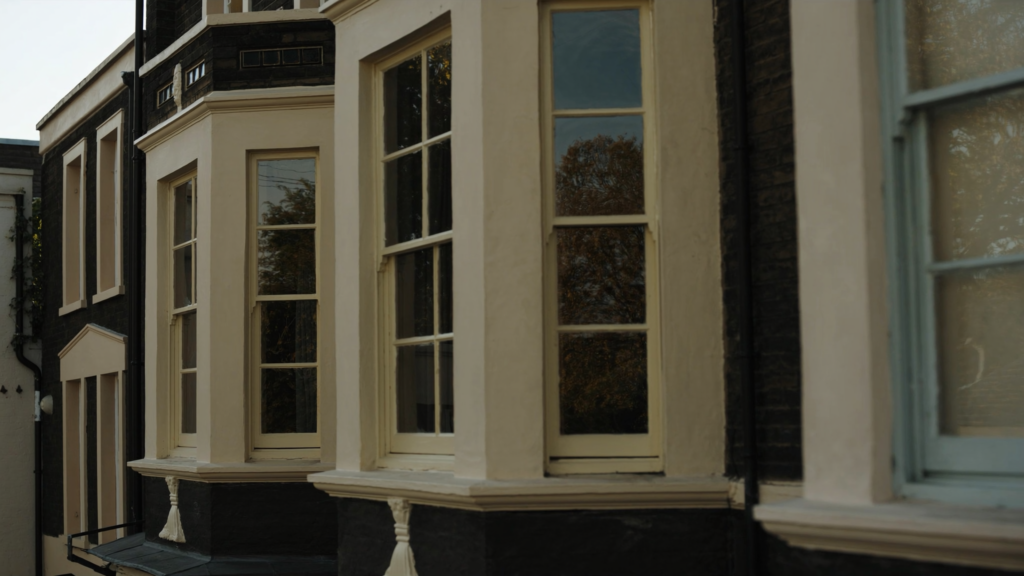
Here’s the thing about Haringey specifically. The borough has an unusually high proportion of older Victorian and Edwardian terraced houses, particularly in the southern and western parts around Stroud Green, Finsbury Park, and Hornsey, many of which still have their original single-glazed sash windows. Those frames are beautiful, but thermally they’re about as effective as holding a sheet of tissue paper against the cold.
Haringey Council has been actively pushing its retrofit agenda as part of the borough’s climate action commitments, and the GLA’s borough-level retrofit guidance has put double glazing firmly on the agenda for private homeowners. Energy bills haven’t softened as much as anyone hoped, and Band D EPC ratings, which is exactly where the average Haringey home sits, are increasingly a liability for selling or remortgaging. All of that is making double glazing a very practical conversation right now.
What Double Glazing Actually Involves for a Typical Haringey Home
Let’s talk about what installation actually looks like on a typical Haringey street. If you’re in a mid-terrace in Bruce Grove, a ground-floor conversion flat in Muswell Hill, or a maisonette in Seven Sisters, your property comes with its own quirks that affect how installation goes.
Most of Haringey’s housing stock was built between 1870 and 1940. That matters because Victorian and Edwardian window openings were built to imperial measurements, which almost never align neatly with modern standard window sizes. Any decent installer will manufacture bespoke frames, don’t accept anyone offering off-the-shelf sizes for a period property.
The Sash Window Question
Many older terraces in Haringey still have vertical sliding sash windows, particularly in Crouch End, Hornsey, and the conservation areas around Alexandra Palace. You have two realistic choices here, double-glazed sash replacements that replicate the original look, or slim-profile double-glazed units installed within a refurbished original frame. The second option is more expensive upfront but often easier to get through planning if you’re in a conservation area (more on that shortly).
Flats and Leasehold Properties
A significant chunk of Haringey’s population lives in flats, and if you’re a leaseholder, you almost certainly need written permission from your freeholder or management company before replacing windows. This is one of the most common delays homeowners face here. Get that paperwork sorted before you even request quotes, some freeholders can take weeks to respond.
Access and Parking Challenges
Haringey’s dense terraced streets often have no front drive and very limited parking. Installers working in Tottenham, Wood Green, or Green Lanes regularly face the challenge of parking a van and getting materials up a narrow front path. This isn’t insurmountable, but it does add time and occasionally cost, particularly if scaffolding is needed for upper-floor windows. ULEZ charges also apply across the entire borough, so factor in that installers operating older vehicles may pass this cost on.
How Much Double Glazing Costs in Haringey and the London Area in 2026
Labour costs in Haringey run roughly 15 to 25 percent above the national average, which is the reality of working in Greater London. Even so, the density of installers competing for work in this part of North London does create some healthy competition, you’re not stuck with whoever will travel to you.
Here’s a realistic breakdown of what you should expect to pay in 2026:
| Property Type | Number of Windows | Standard uPVC (A-rated) | Timber-Effect uPVC | Aluminium Slim-Frame | Double-Glazed Sash |
|---|---|---|---|---|---|
| One-bed flat | 4–5 windows | £2,800–£3,500 | £3,400–£4,200 | £4,200–£5,000 | £3,800–£4,800 |
| Two-bed terraced | 6–8 windows | £4,200–£5,500 | £5,000–£6,500 | £6,200–£8,000 | £5,800–£7,500 |
| Three-bed terraced (typical Haringey mid-terrace) | 9–12 windows | £6,000–£8,000 | £7,500–£9,500 | £9,000–£12,000 | £8,500–£11,500 |
| Four-bed terraced or semi | 13–16 windows | £8,500–£11,500 | £10,500–£13,500 | £13,000–£17,000 | £12,000–£16,000 |
How does this compare? In Barnet, just 5km away, you might pay around 5 to 10 percent less on labour for the same job. In Hampstead, particularly for conservation-area properties, expect to pay at the higher end or beyond these ranges. Nationally, a typical three-bed terraced job runs around £5,000 to £6,500, so Haringey homeowners are typically paying a meaningful premium. It’s worth requesting quotes from installers who cover the wider North London cluster, including those based in Islington and Hackney, as they’re often competitive for Haringey addresses.
How Haringey’s Weather and Location Shape Your Double Glazing Choices
Haringey sits in eastern Greater London, which means it catches cold easterly winds in winter, those sharp, penetrating blasts that roll in off the North Sea and make a badly insulated front room genuinely miserable. This is different from the milder, damper conditions you get further west, and it has practical implications for what glass and frame spec you should be asking about.
The borough sees relatively low annual rainfall (typically in the 500 to 700mm range) compared to the UK average, and enjoys some of the best solar irradiance in the country, around 1,100 to 1,200 kWh per square metre per year. That’s good news if you’re thinking about solar gain through south-facing windows, but it also means east and west-facing windows in Haringey can experience more glare and summer overheating than homeowners expect.
What This Means in Practice
- Argon-filled units as standard, given those cold easterly winds, don’t accept air-filled double glazing. Argon fill improves thermal performance meaningfully and should be included in any quote without you having to fight for it.
- Low-E glass coating, this is especially valuable on north and east-facing elevations, which take the brunt of Haringey’s cold winter winds while getting very little solar warmth.
- Solar control glass for south-facing rooms, if you have a rear extension or large south-facing windows (common in knocked-through Victorian terraces), consider a slight solar control coating to prevent summer overheating without sacrificing winter solar gain completely.
- Acoustic interlayers, Haringey is a noisy borough. The North Circular, Green Lanes, and the rail lines through Tottenham and Hornsey generate significant road and rail noise. Acoustic laminated glass in the inner pane is worth the extra investment for any property within 200 metres of a main road or railway line.
The Products and Options That Actually Perform Well Here
Given Haringey’s housing stock and climate, here’s what genuinely works well, not a generic list, but specific guidance based on real local conditions.
For Victorian and Edwardian Terraces
White chamfered uPVC is the budget option and it’s fine, but if you care about the appearance of your home, and in Haringey’s popular streets, you absolutely should, timber-effect sculpted uPVC or genuine timber frames with sealed double-glazed units look far more sympathetic. Sash window replacements using a run-through pile seal system are significantly better at draught exclusion than cheaper spiral-balance alternatives.
Aim for a minimum U-value of 1.2 W/m²K for the whole window unit. Many installers will quote a centre-pane U-value, which sounds impressive but isn’t the full picture, always ask for the whole-window U-value.
For Flats in Purpose-Built Blocks
Slim-profile aluminium frames with a thermally-broken profile are often the only option acceptable to freeholders and management companies in Haringey’s many converted and purpose-built blocks. They’re pricier, but they perform well and often look better. Make sure any unit meets Building Regulations Document L requirements, a FENSA certificate is your proof of compliance.
Glazing Specifications Worth Asking For
- 4mm outer pane / 16mm argon-filled cavity / 4mm inner pane with low-E coating, solid all-round spec for most Haringey homes
- 6.4mm acoustic laminated outer pane / 16mm argon cavity / 4mm low-E inner, recommended for any room facing a busy road or railway
- Triple glazing, honestly, less compelling in Haringey’s relatively mild climate than it would be in northern England, but worth considering on north-facing elevations exposed to easterly winds
How to Find a Trustworthy Double Glazing Installer Near Haringey
The good news is that Haringey sits within a dense cluster of North London boroughs, Barnet, Islington, Hackney, and Enfield are all nearby, so you have genuine choice for installers. That means competition, and competition means you can and should get at least three quotes.
Certifications to Look For
- FENSA registration, this is the key one for window replacement. A FENSA-registered installer self-certifies compliance with Building Regulations, meaning you don’t need a separate building notice. Always ask for your FENSA certificate on completion.
- CERTASS, an alternative to FENSA, equally valid. Some very good local installers are CERTASS-registered rather than FENSA.
- TrustMark, indicates the installer has been vetted for quality and trading standards. Particularly useful if you’re accessing any grant funding.
- Which? Trusted Trader, useful additional indicator, though not a substitute for checking FENSA directly.
Questions Worth Asking Before You Sign Anything
- Are you FENSA or CERTASS registered, and will you provide the certificate on completion?
- Do your quoted prices include VAT, removal of old frames, and making good around the reveals?
- What is your lead time from order to installation?
- Do you use your own installation teams or subcontractors?
- What is covered under your 10-year guarantee, and who backs it if your company ceases trading?
Red flags in Haringey’s market specifically, be wary of any company that quotes without a site visit, offers pressure-sell same-day discounts, or can’t give you a FENSA registration number to verify independently. Lead times across North London installers currently run around 4 to 8 weeks for standard orders.
Grants and Funding That Could Reduce Your Costs in 2026
Double glazing sits in an interesting position with grant funding, it’s often included as part of a broader retrofit package rather than funded as a standalone measure. Here’s what’s genuinely available to Haringey residents in 2026:
ECO4 (Energy Company Obligation)
If your household income is below £31,000 or you receive qualifying benefits (Universal Credit, Pension Credit, Child Tax Credit, etc.), you may qualify for ECO4 funding. Under ECO4, double glazing is typically funded as part of a whole-house improvement package, you won’t usually get windows paid for in isolation, but they can be included alongside insulation or heating upgrades. Contact your energy supplier directly or use the government’s ECO4 eligibility checker.
Great British Insulation Scheme (GBIS)
The Great British Insulation Scheme closed on 31 March 2026. It funded insulation measures only and never covered windows or glazing. Double glazing can qualify where it’s part of an assessed energy efficiency improvement. Your EPC Band D rating actually puts you in the eligible category here, which is worth exploring seriously.
Haringey Council Retrofit Support
Haringey Council has been active in administering both national and GLA-funded retrofit programmes. It’s worth checking directly with the council’s housing team for any current borough-level funding rounds, these tend to open and close throughout the year. The GLA’s Warmer Homes programme has also periodically provided funding for private homeowners in London boroughs, with Haringey residents having been eligible in recent funding rounds.
VAT
Glazing is standard-rated for VAT at 20%. The zero rate for energy-saving materials covers insulation, heat pumps and solar panels; HMRC names secondary and double glazing as excluded (VAT Notice 708/6). Glazing is standard-rated for VAT at 20%, so a quote showing 20% VAT is correct and should not be challenged. The zero rate for energy-saving materials covers insulation, heat pumps and solar panels; HMRC names secondary and double glazing as excluded (VAT Notice 708/6).
Planning Permission and Regulations in Haringey
For most Haringey homeowners, replacing like-for-like windows falls under permitted development rights, meaning no planning application needed. But there are important exceptions.
Conservation Areas
Haringey has several designated conservation areas, including parts of Muswell Hill, Crouch End, Stroud Green, and the Alexandra Palace area. If your property sits within one of these, permitted development rights for windows are more restricted. In most cases, you’ll need to preserve the original character of the window, including the sash design, frame profile, and glazing bar arrangement. uPVC is often unacceptable in conservation areas; timber or high-quality timber-effect alternatives may be required, and even then, you should seek a certificate of lawful development or pre-application advice from Haringey Council’s planning department before proceeding.
Listed Buildings
If your home is listed (there are several listed properties in Haringey’s Victorian streets and around Alexandra Palace), you’ll need Listed Building Consent for any window replacement. This is separate from planning permission and must be obtained from Haringey Council before any work begins.
Building Regulations Compliance
Regardless of planning, all new window installations