Why Hackney Homeowners Are Suddenly Serious About Double Glazing
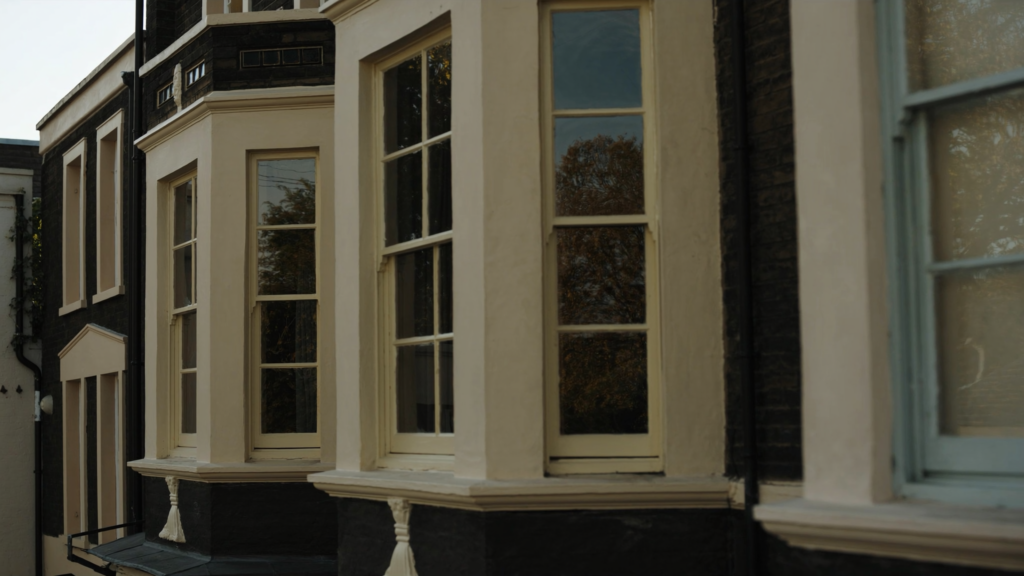
If you own a flat or terrace in Hackney right now, you’ve probably noticed something: energy bills that feel completely disconnected from how little heat your home actually holds onto. That’s not a coincidence. A huge proportion of Hackney’s housing stock dates from the Victorian and Edwardian eras, and those beautiful period properties were built with single-glazed sash windows that let in draughts as willingly as they let in light.
Hackney sits in an interesting position for home improvement. It’s one of London’s most densely populated boroughs, 281,000 residents crammed into an area that stretches from Stoke Newington down through Dalston, Hackney Wick, and out to the fringes of the Olympic Park. The housing here is overwhelmingly terraced and flatted, and the average EPC rating is Band D. That means the majority of homes in this borough are officially average, not terrible, not great, and double glazing is one of the single most effective upgrades you can make to shift that needle.
There’s also a very real noise issue driving interest. Living between Mare Street and Kingsland Road, or near the overground stations at Dalston Junction and Hackney Central, means road and rail noise is part of daily life. Modern double glazing with acoustic laminate glass can genuinely transform how quiet your home feels, and that’s something Hackney residents rate almost as highly as the energy savings.
What Double Glazing Actually Involves for a Typical Hackney Home
Let’s be honest about what you’re working with. If your home was built before the 1920s, and in Hackney, there’s a very good chance it was, your window frames are probably either original timber sashes or, in the worst case, poorly fitted uPVC replacements from the 1990s that are now failing. Neither situation is ideal, but both are very fixable.
For ground-floor flats and mid-terrace houses, double glazing installation is usually straightforward. Access is good, scaffolding is rarely needed for front elevations, and most units can be swapped out in a single day. It’s a different story for upper-floor flats in converted Victorian houses, particularly the three- and four-storey terraces you’ll find throughout De Beauvoir, London Fields, and Clapton, where scaffold access can add a meaningful chunk to your costs.
The other key consideration is whether your windows are original timber. Hackney has a significant number of homes where the Victorian or Edwardian timber frames are in genuinely good structural condition. A good installer will be honest with you about whether a flush casement or slim-profile double glazed unit can be retrofitted into the existing frame (sometimes called a “slimline double glaze”), or whether a full frame replacement makes more sense. Don’t let anyone rush you into a full frame replacement if the original timber is sound, it’s not always necessary, and it could affect your ability to get planning consent in certain parts of the borough.
Properties Built Before 1919
These are the most common in inner Hackney. Solid brick construction, deep window reveals, and original sash windows are typical. You’ll need a specialist who understands period properties, not every double glazing fitter does.
Interwar and Post-War Flats
Council estates from the 1930s through to the 1970s, like parts of Shoreditch and the estates around Homerton, often have steel-framed or aluminium windows that require specific replacement profiles. These are usually straightforward to upgrade but need care around airtightness.
Modern Conversions and New-Build Flats
If you’re in a Hackney Wick conversion or a newer development around the Olympic Park, you may already have double glazing, but that doesn’t mean it’s performing well. Older double glazed units lose their gas fill over time, and you might benefit from a unit replacement (glass only) rather than a full window replacement.
How Much Double Glazing Costs in Hackney and the London Area in 2026
Let’s cut straight to the numbers. London costs run 15–25% above the national average, and Hackney’s central location means you’ll also encounter ULEZ compliance costs built into installer pricing. Parking restrictions on many residential streets (particularly around the Shoreditch and Dalston areas) can add to the time and cost of the job.
| Property Type | Number of Windows | Standard uPVC (Hackney) | Timber / Aluminium (Hackney) | National Average Equivalent |
|---|---|---|---|---|
| One-bedroom flat | 4–5 windows | £2,800–£3,600 | £4,200–£5,500 | £2,200–£3,000 |
| Two-bedroom flat | 6–8 windows | £3,800–£5,200 | £5,500–£7,500 | £3,000–£4,400 |
| Mid-terrace house | 8–12 windows | £5,000–£7,500 | £7,500–£11,000 | £4,000–£6,200 |
| End-of-terrace house | 10–14 windows | £6,200–£9,000 | £9,000–£13,500 | £5,000–£7,500 |
| Add for scaffold access | Per elevation | £600–£1,400 extra | £600–£1,400 extra | £400–£900 extra |
These figures assume standard double glazed units with argon fill and low-e coating, which is the minimum spec you should be asking for. Triple glazing adds roughly 30–40% to these costs and is increasingly worth considering for north-facing rooms.
Insider tip: Installers who also serve Islington, Camden, and Tower Hamlets (all within 5km of central Hackney) tend to have larger teams and more flexible scheduling than those operating in outer London. If an installer is already working a terrace two streets over, your day-rate costs can come down noticeably, it’s always worth asking.
How Hackney’s Weather and Location Shape Your Double Glazing Choices
Hackney doesn’t have the relentless wet weather of Manchester or the fierce coastal winds of the east coast, but it does have its own specific conditions that should influence what you buy. The borough sits on the eastern side of inner London, which means it catches cold easterly winds in winter more than western boroughs like Hammersmith or Chiswick do. Those easterly winds aren’t violent, but they’re persistent and cutting, and they’ll find their way through any gaps around poorly fitted frames.
Rainfall in east London sits at the lower end of the UK range, typically 550–650mm per year, which is genuinely good news if you’re considering external works alongside your windows. It means fewer weather delays and better conditions for sealant curing. Contrast this with somewhere like Bristol or Edinburgh where external work gets held up regularly by rain.
Hackney also enjoys more sunshine hours than most of the UK, up to 1,500 hours per year in a good summer, and solar irradiance at the windows (around 1,100–1,200 kWh/m² per year) is among the best in the country. This matters for your south-facing rooms. Solar gain through well-specified low-e glass can meaningfully reduce your heating demand in spring and autumn without overheating in summer, as long as your installer specifies glass with an appropriate g-value (solar transmission factor). Aim for a g-value of 0.62 or above on south-facing aspects.
The flip side is noise. Hackney has some of the highest background noise levels of any London borough, particularly around the A10 corridor (Kingsland Road, Stoke Newington High Street), the A107 in Clapton, and around Hackney Central station. For homes near these routes, acoustic laminated glass is not a luxury, it’s a serious quality of life improvement. Look for units with at least 6mm laminated glass on the outer pane.
The Products and Options That Actually Perform Well Here
Given Hackney’s mix of Victorian terraces, period conversions, and urban noise exposure, here’s what genuinely performs well in this specific context.
- Flush casement uPVC in heritage colours, For terraced homes outside conservation areas, a flush casement in anthracite grey or black gives you a period-appropriate look without the cost of timber. Make sure the profile is genuinely slim, some cheaper uPVC profiles look bulky and can affect your Listed Building or Conservation Area application.
- Slimline double glazed sash windows, Specifically designed for Victorian and Edwardian properties. These replicate the appearance of original sashes almost exactly. The best units use a 4mm–12mm–4mm configuration, which keeps the overall profile narrow enough to suit deep historic reveals. Brands like Roseview and Residence Collection are worth asking about.
- Aluminium triple glazed windows, For anyone serious about noise reduction and living within 200 metres of a major road or rail line, aluminium-framed triple glazing with acoustic inner laminate is the gold standard. Yes, it’s more expensive, but in Dalston, Hackney Wick, or along the A10, it pays back in comfort almost immediately.
- Low-e argon-filled double glazing (minimum Uw 1.2 W/m²K), This is the baseline specification you should not go below for any new installation in 2026. It’s what Building Regulations require, and any decent installer will offer it as standard. If someone quotes you without specifying the U-value, ask directly.
What to avoid: Generic online-quoted uPVC with no frame colour choice, no gas fill specification, and no acoustic option. These units are cheap for a reason and tend to fail within 10–12 years in a dense urban environment where temperature cycling and pollution cause premature seal degradation.
How to Find a Trustworthy Double Glazing Installer Near Hackney
The London installer market is big, which sounds reassuring, but it actually means more variation in quality than you’d get in a smaller town where reputation travels fast. Here’s what to look for specifically in the Hackney area.
Certifications That Actually Matter
- FENSA registration, This is non-negotiable for window replacement in England. A FENSA-registered installer self-certifies compliance with Building Regulations, which means you don’t need a separate Building Regulations application. Always ask for the FENSA certificate after completion.
- TrustMark accreditation, Government-endorsed quality scheme. Particularly important if you’re accessing any grant funding.
- Which? Trusted Trader status, Worth checking, especially for London-based installers where you have less neighbourhood word-of-mouth to rely on.
Questions Worth Asking Before You Sign Anything
- Are you FENSA registered, and will you provide the certificate on completion
- What is the U-value and g-value of the units you’re quoting
- Do you have experience with period properties in conservation areas in Hackney or nearby boroughs
- How do you handle scaffold access and parking permits on residential streets
- What is your lead time from survey to installation right now
Lead times in the London area currently run at 6–10 weeks from survey to installation for most established installers. Be wary of anyone promising to start next week, that either means they’re under-booked for a reason, or they’re not conducting a proper pre-installation survey.
Good installers in this part of London typically cover the whole inner east cluster, Hackney, Islington, Tower Hamlets, Southwark, and Camden, and have established supplier relationships that keep their material costs competitive. A company that only covers Hackney in isolation may actually cost more than one operating across multiple nearby boroughs.
Grants and Funding That Could Reduce Your Costs in 2026
The funding landscape has shifted considerably, and there are genuine options available to Hackney residents, but you need to know where to look.
ECO4 (Energy Company Obligation)
ECO4 is delivered through energy suppliers and covers window upgrades as part of a wider home retrofit package. To qualify, you typically need to be on means-tested benefits (such as Universal Credit or Pension Credit), or your home needs to be referred by Hackney Council as part of their area-based scheme. Double glazing alone rarely qualifies, it usually needs to be part of a package that includes insulation. Contact Hackney Council’s Sustainable Neighbourhoods team directly to check if your street or estate is part of an active area scheme.
Great British Insulation Scheme (GBIS)
The Great British Insulation Scheme closed on 31 March 2026. It funded insulation measures only and never covered windows or glazing. Windows can be included as part of a qualifying package. Again, Hackney Council’s housing retrofit team can advise on whether you fall within an active delivery area.
Hackney Council’s Local Retrofit Support
Hackney Council has published its own borough-level retrofit pathway aligned with the GLA’s London-wide sustainability targets. The council periodically runs area-based schemes where residents in specific streets or estates can access subsidised or group-buy installation. Keep an eye on the council’s housing and sustainability pages, or contact them directly at the Climate Action department, these schemes move quickly and aren’t always widely advertised.
Warm Homes Local Grant
Administered through local authorities, this scheme targets owner-occupiers and private renters in lower-income households. Hackney Council is one of the participating authorities. Grants of up to £15,000 are available for eligible households undertaking a full retrofit package, and double glazing can form part of that package.
One honest caution: Double glazing on its own, without accompanying insulation or heating measures, is rarely covered by grant schemes. If you’re seeking funding, it’s worth thinking about what else you might be doing at the same time. Combining window replacement with loft insulation or wall insulation dramatically improves your eligibility and your overall energy savings.
Planning Permission and Building Regulations in Hackney, What You Actually Need to Know
This is where Hackney gets genuinely complicated compared to other parts of the country. The borough has a higher-than-average proportion of its housing stock in conservation areas and containing Listed Buildings, and the council takes its planning enforcement seriously.
Permitted Development Rights for Most Homes
For most non-listed homes outside conservation areas, replacing windows with double glazing falls under permitted development, meaning you don’t need planning permission as long as the replacement frames match the existing appearance. You do still need to comply with Building Regulations (which your FENSA-registered installer handles automatically).
Conservation Areas in Hackney
Hackney has several designated conservation areas, including parts of Stoke Newington Church Street,