Why Islington Homeowners Are Looking at Double Glazing Right Now
If you own a flat or terraced house in Islington, chances are your windows are already on your radar. Energy bills across the borough shot up significantly over recent years, and with the average Islington home sitting at EPC Band D, there’s a very real gap between where your home is and where it could be. Double glazing is one of the most immediate, visible ways to close that gap.
There’s something else driving demand too. Islington is one of London’s densest inner boroughs, sandwiched between Camden, Hackney, and the City, and the noise from surrounding streets, buses, and neighbours is relentless. Modern double glazing doesn’t just keep heat in, it keeps the outside world out. For anyone on Upper Street, the Caledonian Road, or near the Emirates Stadium on match nights, that acoustic benefit alone can feel transformative.
The borough also has a notably ambitious climate retrofit agenda. Islington Council has published its own Carbon Zero Islington strategy, and retrofit support programmes have pushed double glazing firmly into the mainstream conversation. If you’re a homeowner in Barnsbury, a leaseholder in Archway, or managing a period flat in Canonbury, 2026 feels like the moment to act.
What Double Glazing Actually Involves for a Typical Islington Home
Islington’s housing stock is overwhelmingly Victorian and Edwardian. Those rows of terraced houses in Highbury, the mansion flats around Holloway Road, and the converted Georgian townhouses near Angel were mostly built between the 1840s and 1910s. Beautiful architecture, but the windows were designed for a world without central heating or energy tariffs.
For these homes, double glazing installation isn’t quite as simple as swapping like-for-like. Victorian sash windows, in particular, require careful handling. You have two main choices: replace the entire frame with a uPVC or timber double-glazed unit, or go for a slimline double-glazed sash replacement that maintains the original aesthetic. The second option costs more but is often required in conservation areas (more on that below).
Specific Considerations for Islington’s Flat and Terraced Homes
- Access and parking restrictions, Islington’s terraced streets are notoriously tight. Installers often can’t park a van directly outside, which means carrying materials further and, in some cases, arranging temporary parking dispensations from the council. This adds time and cost.
- Scaffolding for upper floors, In multi-storey Victorian terraces, upper-floor windows may need scaffolding rather than a simple ladder access. That adds a day’s hire and erection costs on top of the window price itself.
- Shared ownership and leasehold complications, A significant chunk of Islington’s flats are leasehold. If you rent or hold a lease, you’ll need freeholder or landlord permission before any external alterations. Allow extra time for this step.
- Solid brick walls, Older Islington properties have solid brick rather than cavity walls. There’s no cavity to worry about here, but it does mean the window reveals and internal sill depths need careful measuring to ensure proper thermal fitting.
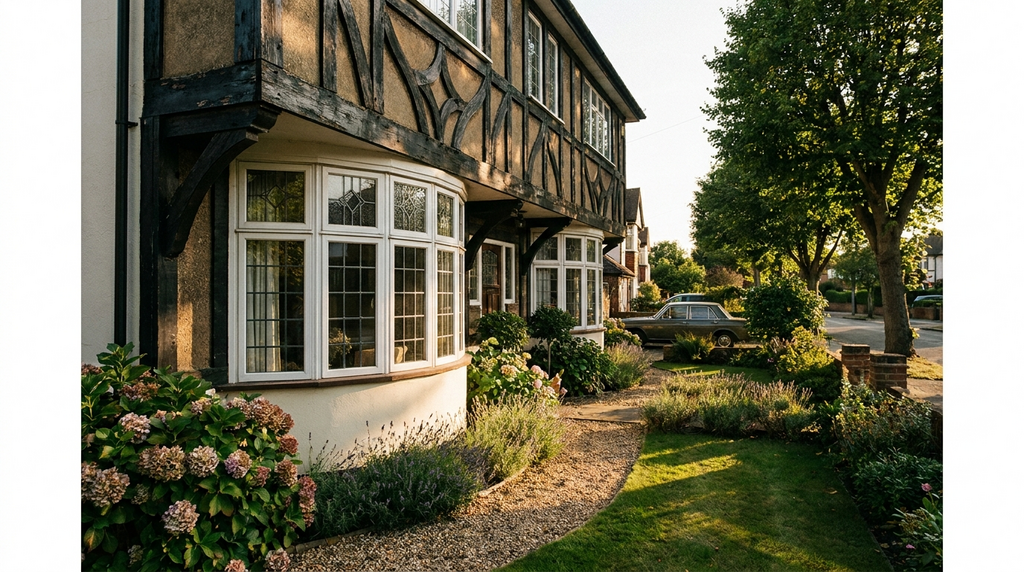
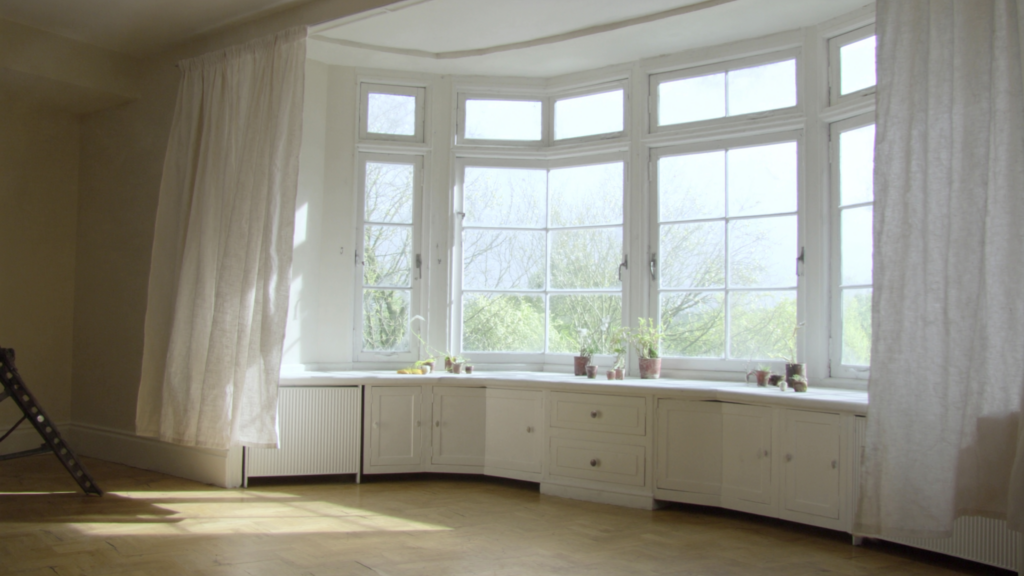
- Bay windows, The classic three-sided Victorian bay is common across Highbury and Barnsbury. These require more complex frames and typically cost 20–35% more per window than a standard flat casement.
The good news is that Islington has no shortage of experienced installers who deal with these exact challenges every week. This isn’t uncharted territory, it’s their bread and butter.
How Much Double Glazing Costs in Islington and the London Area in 2026
Let’s get straight to the numbers. London labour costs run 15–25% above the national average, and Islington’s central location means the congestion charge and ULEZ affect installer operating costs for anyone coming from outside the zone. Factor in parking challenges and the occasional scaffolding requirement, and you’re looking at a meaningful premium over, say, a similar job in Sheffield or Bristol.
Even so, competition is fierce. With Camden, Hackney, Southwark, and Westminster all within a few kilometres, most installers serve the whole cluster, and you can get genuinely competitive quotes if you shop around.
| Window Type / Scenario | Islington Typical Cost | UK National Average | Notes |
|---|---|---|---|
| Standard uPVC casement (per window) | £550 – £750 | £400 – £600 | Most common in purpose-built flats |
| Timber-look uPVC sash (per window) | £750 – £1,100 | £550 – £850 | Popular in Victorian terraces |
| Slimline double-glazed sash (heritage) | £1,000 – £1,500 | £750 – £1,200 | Required in many conservation areas |
| Bay window unit (3-section) | £1,800 – £2,800 | £1,400 – £2,200 | Victorian bays in Highbury, Barnsbury |
| Full house (5–8 windows, terraced) | £5,000 – £9,500 | £3,500 – £7,000 | Includes fitting, disposal, basic sills |
| Two-bedroom flat (4–6 windows) | £3,500 – £6,500 | £2,500 – £5,000 | Depends on window size and frame style |
| Scaffolding surcharge (upper floor) | £400 – £800 | £300 – £600 | Common on 3-storey Victorian terraces |
| Triple glazing upgrade (per window) | Add £150 – £300 | Add £100 – £250 | Worth considering for east-facing windows |
Insider tip, always ask for a fully itemised quote that separates the window cost from fitting, disposal of old frames, and any sill or reveal work. Vague “all-in” quotes make it very hard to compare installers fairly.
How Islington’s Weather and Location Shape Your Double Glazing Choices
Islington sits in the centre of inner north London, which gives it a slightly sheltered microclimate compared to outer suburbs, but don’t let that lull you into thinking weather isn’t a factor. The borough faces a very specific combination of conditions that should genuinely influence which products you choose.
Eastern England’s exposure to cold, dry easterly winds in winter is real here. Those February blasts that come off the North Sea aren’t dramatically harsh, but they’re persistent, and windows on east-facing elevations feel the chill more acutely. If your property faces east (common on many of Islington’s north-south-running streets), investing in argon-filled units with a low-emissivity (low-E) coating on the inner pane is not an upgrade, it’s a sensible baseline.
Islington also benefits from London’s urban heat island effect, meaning winters are slightly milder than the surrounding countryside (heating degree days run around 1,200–1,500 annually). This means you won’t need the most aggressive triple-glazing specification as a matter of necessity, but acoustic performance becomes proportionally more important than in quieter rural settings.
Solar Gain, Use It Wisely
This is one of Islington’s genuine hidden advantages. Southern England’s solar irradiance of 1,100–1,200 kWh/m² per year is the best in the UK. South-facing windows in Islington homes can actually contribute meaningful passive solar heat gain through winter, reducing your boiler’s workload. Choosing glass with the right solar factor (g-value) matters here, you want south-facing glass to let warmth in during winter without causing overheating in summer. Look for a g-value between 0.35 and 0.55 for south-facing rooms.
North-facing windows, by contrast, receive almost no direct sun. Here, the priority is minimising heat loss, so lower U-values (ideally 1.2 W/m²K or below) are more important than solar gain figures.
The Products and Options That Genuinely Perform Well in Islington
Given Islington’s Victorian housing stock, urban acoustic demands, and mix of conservation restrictions, here’s what actually makes sense rather than a generic product list.
For Standard Victorian Terraces in Highbury, Barnsbury, and Holloway
A timber-effect uPVC sliding sash with argon-filled double glazing and a low-E coating hits the sweet spot. Look for a U-value of 1.4 W/m²K or better for the whole window unit (not just the glass). Reputable frames from Profile 22 or Rehau systems offer good longevity in urban environments. White remains the planning-safe choice on most streets, but anthracite grey on internal-facing windows is increasingly popular.
For Purpose-Built Flats (Highbury Fields area, Archway, Caledonian Road)
Standard casement or tilt-and-turn uPVC works well. Tilt-and-turn is particularly practical for flats where reaching external surfaces for cleaning is difficult, the window cleans from inside. Aim for a whole-window U-value of 1.2–1.4 W/m²K and ensure frames include multi-point locking for security (Islington’s urban density makes window security a practical concern).
For Conservation Area Properties (Canonbury, Lower Holloway Conservation Area)
Slimline double-glazed units within refurbished or like-for-like timber frames are the go-to here. Secondary glazing is also a legitimate option and sometimes easier to approve, it fits inside the existing frame and can achieve remarkable acoustic and thermal improvements without touching the original window at all. If you’re in a listed building, secondary glazing is often the only viable route.
Acoustic Glass, Worth the Premium in Islington
If you’re on or near a main road, Essex Road, Seven Sisters Road, Holloway Road, or Pentonville Road, consider laminated acoustic glass in your inner pane. This uses a PVB interlayer that specifically dampens mid-range frequencies (traffic, voices, buses). A standard double-glazed unit might give you 30–32dB sound reduction; acoustic laminated glass can push that to 38–42dB. The cost premium is roughly £80–£150 per window and is absolutely worth it on busy streets.
How to Find a Trustworthy Double Glazing Installer Near Islington
The London market has more installers than almost anywhere in the country, which is good for competition but means you need a clear filter for who to trust.
FENSA registration is non-negotiable. In England, replacement windows must comply with Building Regulations, and FENSA-registered installers self-certify their work, meaning you don’t need a separate building control application. Check any installer’s FENSA status at fensa.org.uk before accepting a quote.
Beyond FENSA, look for TrustMark registration (the government-endorsed quality scheme) and check reviews specifically on Checkatrade or Trustpilot rather than testimonials on the company’s own website. Ask to see examples of work done in similar Islington properties, any experienced local installer should have a portfolio of Victorian sash and bay window jobs.
Questions Worth Asking Before You Sign
- Are you FENSA registered, and will you provide a FENSA certificate on completion
- Who manufactures your frames, and what is the warranty on profiles and sealed units
- Do you have experience working in Islington’s conservation areas
- How do you handle parking and access on restricted streets
- Is scaffolding included in your quote, or charged separately
- What is your lead time from survey to installation in the current period
Lead times in London currently run 4–8 weeks from survey to installation for most reputable companies. Anyone offering next-week installation on a full house job deserves extra scrutiny. Most quality installers serving Islington also cover Camden, Hackney, Southwark, and Westminster as part of their standard service area, so don’t feel limited to firms with an Islington postcode.
Red flag to watch for, high-pressure same-day discount tactics. Legitimate installers don’t need to pressure you. If the “special price” evaporates the moment you want to think it over, walk away.
Grants and Funding That Could Reduce Your Costs in Islington in 2026
The funding landscape has evolved considerably and there are real options available to Islington residents, but eligibility varies significantly, so it’s worth checking each one carefully.
ECO4 (Energy Company Obligation, Phase 4)
ECO4 is the main national scheme and it can fund window upgrades as part of a broader whole-house retrofit, but windows alone are rarely funded unless they’re part of a package that includes insulation or heating measures. You need to be on qualifying benefits (Universal Credit, Pension Credit, income-related ESA or JSA, among others) or be referred through your energy supplier’s flexible eligibility route. Islington Council can make referrals, contact their housing or sustainability team directly.
Great British Insulation Scheme (GBIS)
GBIS focuses on single insulation measures and can sometimes include window upgrades for properties in EPC bands D–G. As Islington’s average is Band D, many homes sit right at the eligibility boundary. Income-based eligibility applies for the lower bands; a general stream is available for D–G properties regardless of income, though competition for that funding is fierce. Check the government’s GBIS portal and ask installers if they participate as registered suppliers.
Islington Council Retrofit Support
Islington Council has, through its Carbon Zero strategy, operated supplementary retrofit support programmes for residents. These have included advice vouchers, subsidised surveys, and in some periods, direct grants for energy efficiency measures. The detail changes as funding rounds open and close, so the most reliable approach is to contact Islington Council’s sustainability or housing team directly or check the council website for current offers. Don’t assume last year’s scheme is still running.
London-Wide Schemes via the GLA
The Greater London Authority periodically runs retrofit programmes through its Warmer Homes initiative, targeting low-income and vulnerable Londoners. These are delivered through boroughs and can cover glazing within a whole-house approach. Eligibility typically focuses on households with incomes below a defined threshold or those with health vulnerabilities.
Practical advice, if you’re not on benefits and don’t qualify for ECO4, don’t assume there’s nothing for you. The GBIS general stream and Islington’s own programmes have helped homeowners who simply own older, poorly-rated properties. It’s worth a