Why Milton Keynes Homeowners Are Taking Double Glazing Seriously Right Now
Milton Keynes is a city built at speed, and that speed shows in its windows. Huge swathes of housing were constructed during the 1970s and 1980s boom that created the grid squares we all know, and a lot of that original glazing is now 40 to 50 years old. Single glazing, draughty frames, condensation between panes, these aren’t just annoyances, they’re costing you real money every winter.
But here’s what’s interesting about MK specifically. The city already sits above the national average at EPC Band C, which is genuinely impressive for a place with so much post-war housing. That means many homeowners aren’t starting from a terrible baseline. What double glazing offers here isn’t rescue, it’s refinement, pushing your home from good to excellent while cutting energy bills that are already reasonably manageable.
There’s also a strong financial argument tied to property values. The South East consistently records the highest house prices in England outside London, and Milton Keynes has seen particularly strong growth across estates like Emerson Valley, Monkston Park, and Broughton. Quality double glazing here is a comfort upgrade that also protects and enhances a serious asset.
With Milton Keynes Council actively running retrofit and climate action programmes, and with the city’s size meaning you have genuine competition between installers (unlike smaller towns), right now is genuinely one of the better moments to get this done.
What Double Glazing Actually Involves for a Typical Milton Keynes Home
The most common property types in Milton Keynes are semi-detached and detached homes, many of them brick-built from the 1970s through to the early 2000s across the grid square estates. This is actually a good starting point for double glazing installation because these homes tend to have standard window openings, reasonable access for fitters, and frames that can accommodate modern double or triple-glazed units without major structural work.
Even so, there are some specifics worth knowing before you call anyone out for a quote.
The 1970s and 1980s Grid Square Homes
Properties across estates like Bradwell, Conniburrow, Netherfield, and Beanhill were built quickly using similar designs. Many still have their original timber frames or early uPVC from the 1990s. If your frames are original timber, you’ll likely need a full replacement rather than a reglaze, budget accordingly. Replacement uPVC or aluminium frames that date from the 1990s should also be replaced rather than refilled.
Newer Build Estates
Homes in areas like Broughton, Brooklands, and Whitehouse, built from the 2000s onwards, often already have compliant double glazing. For these properties the question is whether your existing glazing meets current U-value standards. Many don’t, despite being relatively recent. It’s worth getting a glazing assessment rather than assuming everything is fine.
Conservation Areas and Older Properties
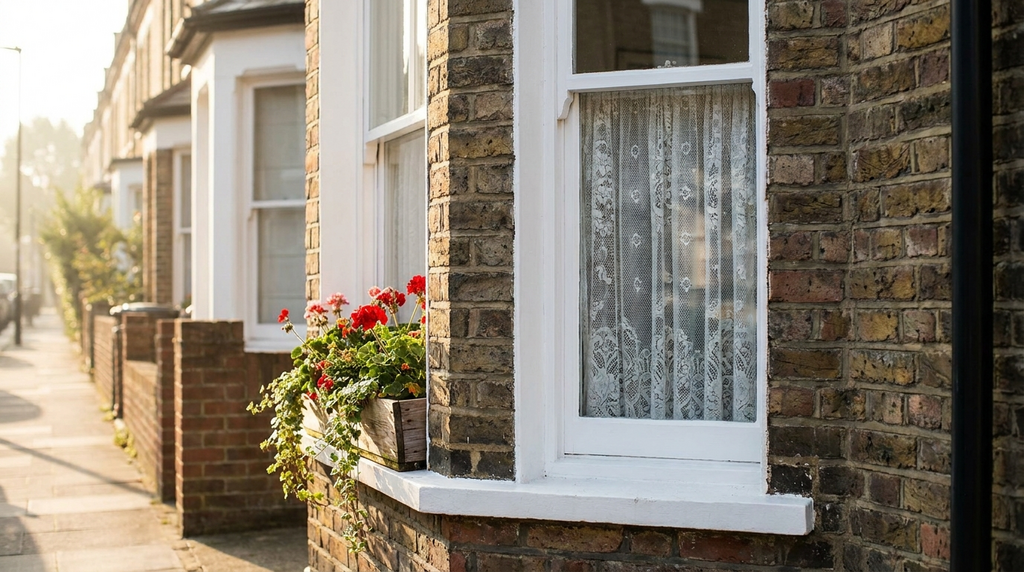
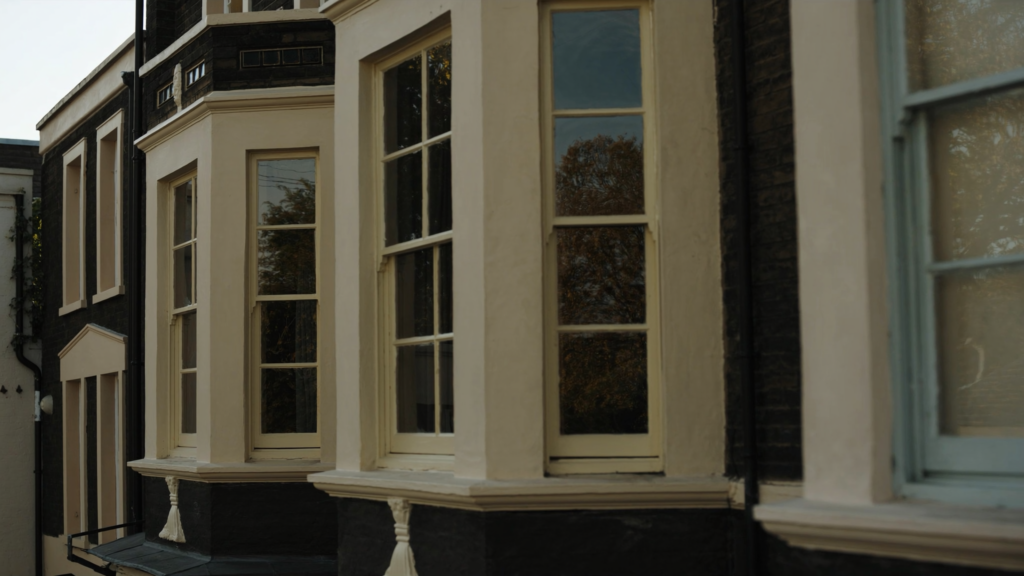
Central Milton Keynes has its listed and character buildings, and there are conservation areas in villages that were absorbed into the city, Newport Pagnell, Olney, and Woburn Sands among them. These require more careful consideration. Standard white uPVC is often rejected in these settings. You may need to look at slim-profile double glazing built to replicate timber frames, or secondary glazing if full replacement isn’t permitted.
Practical Access Points
One advantage MK homeowners often overlook, the grid road system and generous plot sizes on most estates mean access for installers is straightforward. Parking isn’t the nightmare it is in older city centres. Most installations won’t need scaffolding unless you have significant upper-floor bay windows or dormer features.
How Much Double Glazing Costs in Milton Keynes and the South East in 2026
Milton Keynes sits in interesting pricing territory. You’re in the South East, which typically means labour rates above the national average, but the city’s size and the competition between local installers does keep things honest. You’ll pay more here than in Bedford or Northampton (where costs run roughly 8-12% lower), but noticeably less than closer to London.
| Property Type | Number of Windows | Standard uPVC Double Glazing | Premium uPVC or Aluminium | Triple Glazing Upgrade |
|---|---|---|---|---|
| 2-bed semi (typical Netherfield/Bradwell) | 6-8 windows | £3,200 – £4,500 | £4,800 – £6,500 | £6,000 – £8,000 |
| 3-bed semi (typical Emerson Valley/Furzton) | 8-10 windows | £4,200 – £5,800 | £6,000 – £8,200 | £7,500 – £10,500 |
| 4-bed detached (typical Monkston/Broughton) | 10-14 windows | £5,500 – £8,000 | £8,000 – £12,000 | £10,000 – £15,000 |
| Conservation area or listed property | Variable | Secondary glazing from £400/window | Slim-profile heritage double glazing from £600/window | Not typically applicable |
Insider tip, prices in Milton Keynes can be nudged down by getting quotes from installers who also cover Bedford, Northampton, and Aylesbury. These companies often have lower overheads than pure MK-focused firms and still offer fully accredited installation. Don’t limit yourself to companies with a Milton Keynes postcode.
The South East average for a full house double glazing replacement runs about 15-20% above the national median. Milton Keynes sits roughly in the middle of that South East range, higher than Luton and Bedford, lower than the commuter belt towns closer to London.
How Milton Keynes’s Weather and Location Affect Your Double Glazing Choices
Here’s where living in MK actually works in your favour. The city sits in the centre of central England, which means you get the South East’s better solar irradiance (around 1,100-1,200 kWh per square metre per year) without the exposure to coastal winds and salt air that makes window maintenance harder along the Kent or Essex coasts.
Rainfall is moderate, typically 700-900mm per year, and the area doesn’t sit in any significant flood plain risk zones for most residential areas. Wind exposure is genuinely sheltered compared to anywhere north or west of here. What this means practically is that standard double glazing products perform reliably without you needing to over-specify for weather resilience.
Winters Here Are Mild, But Not Nothing
Milton Keynes records between 1,200 and 1,500 heating degree days per year, which puts it at the lower end of heating demand for England. Your gas bill of around 10,500 kWh per year reflects this, you’re burning slightly less than the national median. That doesn’t mean good glazing doesn’t matter, it just means the heating savings argument is real but not enormous. The comfort and condensation arguments are often stronger motivators here.
Solar Gain Is Worth Thinking About
With 1,200-1,500 sunshine hours per year and strong irradiance, south-facing rooms in MK genuinely benefit from solar gain in winter. When you’re choosing glazing specifications, think about using low-emissivity (low-e) coatings that allow solar gain in rather than blocking it entirely. This is particularly relevant for detached homes in Monkston Park, Kingsmead, and Broughton where south-facing lounges and kitchen-diners are common in the newer build layouts.
Noise Is an Underrated Factor
Living between grid roads means traffic noise is a genuine quality-of-life issue in many parts of MK. If your home backs onto or faces Portway, Grafton Street, or sits near any of the major grid roads, acoustic laminated glass as part of your double glazing spec is genuinely worth the additional cost. Expect to add around £50-£80 per window for acoustic glass.
The Products and Options That Work Best for Milton Keynes Housing
Based on the housing stock, climate, and typical use patterns here, here’s an honest steer on what actually makes sense rather than a generic product list.
- uPVC casement windows with A-rated or A+-rated glazing units, The workhorse option for 70s-90s semi-detached stock. A-rated units have U-values of around 1.4 W/m²K, A+ gets you to around 1.2. For most MK homes this is the sweet spot between cost and performance.
- Argon-filled double glazing with low-e coating, Standard on most modern units, but always confirm this in your quote. Argon filling improves thermal performance by around 10-15% over air-filled units at minimal extra cost.
- Triple glazing for north-facing rooms, If your home has north-facing bedrooms (common in some of the grid square layouts where houses were positioned for garden aspect rather than solar orientation), triple glazing with a U-value of 0.8-1.0 W/m²K gives meaningful extra performance where solar gain won’t help you.
- Aluminium frames for contemporary detached homes, Newer properties in Brooklands and Whitehouse suit slim aluminium frames aesthetically. Modern aluminium with thermal breaks performs almost as well as uPVC and lasts significantly longer.
- Acoustic laminated glass for grid-road-facing properties, As mentioned above, this is a genuinely high-value addition for many MK addresses and often overlooked in standard quotes.
- Heritage slim-profile double glazing for conservation village properties, If you’re in Olney, Woburn Sands, or Newport Pagnell’s older streets, products like the Bygone Collection or similar heritage glazing ranges give you modern performance without planning conflicts.
What to avoid, overly cheap uPVC from companies offering very low per-window prices. Milton Keynes’s installer market is competitive, which is great, but it also means a few less scrupulous operators cycle through. Glazing units below 24mm overall thickness are rarely worth fitting in 2026.
How to Find a Trustworthy Double Glazing Installer Near Milton Keynes
The good news is that with 248,000 residents and a strong local economy, Milton Keynes has a genuine market of qualified installers. The less good news is that installer quality varies considerably, and the closer you get to busy periods (spring and autumn), the more pressure some less established firms apply for quick decisions.
The Certifications That Actually Matter
- FENSA registration, This is the fundamental one. All replacement window installations in England must either be FENSA-registered or require a building regulations application. Always ask for the FENSA certificate on completion.
- TrustMark accreditation, Government-backed quality scheme. Not mandatory, but a good indicator of a serious business.
- Which? Trusted Trader or Checkatrade verified reviews, Useful for local reputation checks, though read reviews carefully rather than just looking at scores.
- GGF membership, The Glass and Glazing Federation runs a deposit protection scheme, which matters when you’re paying significant deposits upfront.
Questions Worth Asking Every Installer
- Are you FENSA-registered and will you handle the building regulations notification
- What U-value are your standard glazing units rated to
- What deposit protection do you offer if the company closes before installation
- Who manufactures your frames and where are they made
- What is your lead time right now
Lead times in Milton Keynes currently run 4-8 weeks for most installers, though this stretches to 10-12 weeks in spring when demand peaks. Firms that cover the Bedford-MK-Northampton-Aylesbury cluster often have more flexible scheduling than pure MK operations.
Red flag to watch for, any installer quoting heavily discounted prices “only valid today.” Legitimate businesses don’t operate with that kind of pressure because they have enough work at fair prices.
Grants and Funding That Could Reduce Your Costs in 2026
Milton Keynes sits in a genuinely useful position for grant funding. The city’s size means it runs active retrofit programmes, and several national schemes remain accessible for qualifying residents.
ECO4 (Energy Company Obligation)
This national scheme funds energy efficiency upgrades including glazing for qualifying households. Eligibility typically requires receiving means-tested benefits (Universal Credit, Pension Credit, and similar) or being referred through your energy supplier. For MK residents in older, less efficient properties, particularly those still on Band D or below, ECO4 can cover a significant portion of costs or even full installation. Contact Milton Keynes Council’s housing team or your energy supplier to begin an eligibility check.
Great British Insulation Scheme (GBIS)
Running alongside ECO4, GBIS supports a broader group of households including those in lower EPC bands regardless of benefit status. Given that Milton Keynes averages Band C, you may not qualify on EPC grounds alone, but if your specific property is Band D or below, it’s well worth applying. Double glazing can be included as part of a package of measures.
Milton Keynes Council Retrofit Programmes
Milton Keynes Council has been running climate action and home retrofit programmes connected to its net zero commitments. These have included subsidised assessments and match-funding for energy efficiency improvements. The scope and availability of these local schemes changes, so check directly with the council’s climate and sustainability team for the most current offer. The council’s Home Energy Check service is a good starting point to understand what you might access.
The Warm Homes Plan
The government’s Warm Homes Plan is rolling out additional funding for energy efficiency through 2026 and beyond. Priority is given to lower-income households and those in the least efficient homes. Watch for updated guidance through the council and GOV.UK.
Honest note, if your home is already at Band C and you’re not on means-tested benefits, the chances of full grant funding are limited. But partial contributions, subsidised assessments, and council-backed financing options are often available regardless of income. Always check before assuming you don’t qualify.
Planning Permission and Local Authority Rules in Milton Keynes
For most homeowners in Milton Keynes, replacing existing windows with double glazing falls under permitted development rights, meaning you don’t need planning permission as long as you’re not in a conservation area and the property isn’t listed.
Standard Permitted Development Rules
Replacing like-for-like windows (similar style, similar frame material) on a semi-detached or detached home in a standard residential area requires no planning application. You do need a FENSA certificate (or building regulations sign