Why County Durham Is One of the Most Important Places in England for Eco Home Improvements
County Durham is a place of real contrasts. You’ve got the dramatic upland moorland of the North Pennines in the west, the old colliery villages scattered across the central coalfield, and the coastal towns stretching down towards the Tees. It’s a county with deep industrial roots, a strong sense of community, and, if we’re being honest, some of the most thermally challenged housing stock in England.
That last point matters a lot. The North East consistently records the highest rates of fuel poverty in England, and County Durham sits right at the heart of that challenge. Cold winters, older terraced housing, and energy bills that have hit families hard in recent years make eco home improvements not just a nice-to-have here, they’re genuinely life-changing for a lot of households.
The good news? County Durham also has some of the lowest installation labour costs in England, a growing network of local installers, and access to some of the most generous grant funding available anywhere in the country. If you’re a homeowner here, there has genuinely never been a better time to look at what upgrades could do for your home and your bills.
What EPC Band D Actually Means for County Durham Homeowners
The average EPC rating across County Durham is Band D, which puts the county right at the national average. But that headline figure hides quite a lot of variation depending on where you live and what type of home you’re in.
Homes in the older colliery settlements around Consett, Seaham, Spennymoor, and Bishop Auckland tend to sit at the lower end, many are Band E or even F. These are predominantly solid-wall terraced properties built before cavity wall construction became standard, and they lose heat at a much faster rate than newer homes. If your home falls into this category, your heating bill alone could be running to £2,200–£2,800 per year based on current energy prices.
Newer estates around Newton Aycliffe, Darlington, and parts of Stockton-on-Tees tend to perform better, many are Band C or upper D, particularly where cavity wall and loft insulation was installed as standard. These homes still benefit from upgrades, but the starting point is more manageable.
Durham city itself has a mix of everything, Victorian terraces close to the centre, post-war semis in the suburbs, and some genuinely ancient buildings in and around the historic core. The average household in County Durham using gas and electricity at typical rates is spending around £1,900–£2,400 per year on energy, though homes at Band E or below can be considerably higher.
The Colliery Housing Problem Worth Knowing About
A significant proportion of County Durham’s housing stock was built as colliery housing, solid brick or stone terraces that were functional and built to last, but were never designed with energy efficiency in mind. These homes have no cavity in their walls, which makes insulation more complex and expensive than in standard cavity wall properties.
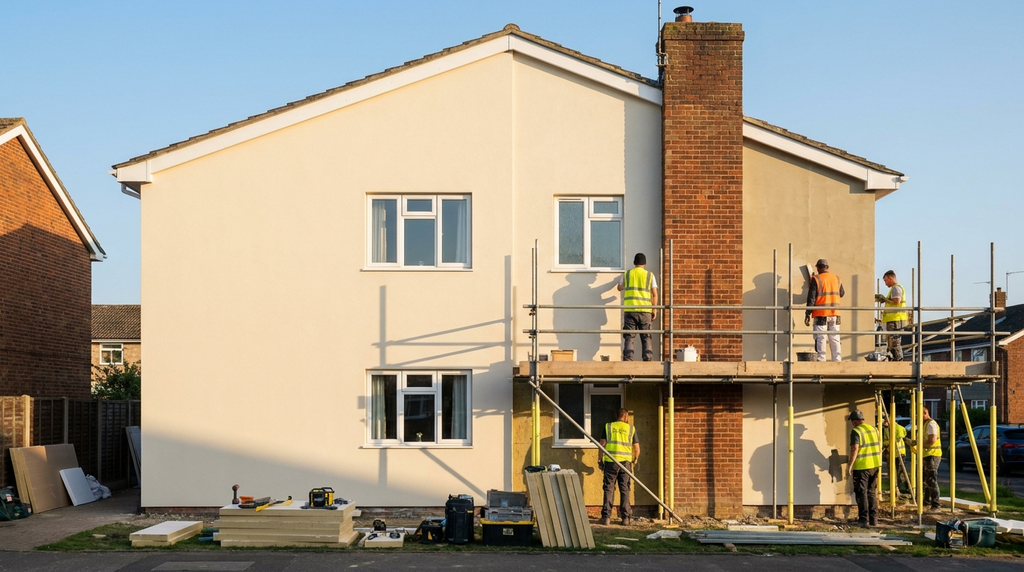
External wall insulation (EWI) is usually the most practical solution for these homes, and it’s worth knowing that many colliery villages have already seen EWI installed on whole streets through previous retrofit programmes, which means your neighbours may have already done the hard work of gaining planning approval and working with installers.
The Full Range of Eco Home Services Available Across County Durham
If you’re in a small terraced house in Seaham or a semi-detached in Darlington, there’s a full menu of eco improvements available to you. Here’s a plain-English rundown of what’s on offer and roughly what each one does.
Solar Panels
Solar photovoltaic (PV) panels generate electricity from daylight, and yes, County Durham does get enough sunshine to make them worthwhile. With around 850–1,000 sunshine hours per year, you won’t match what homeowners in the South West achieve, but a typical 4kW system can still generate around 3,000–3,400 kWh per year. Installed costs typically run from £5,500 to £8,000 for a standard home. Adding a battery storage unit (around £2,500–£4,000 extra) helps you use more of what you generate.
Heat Pumps
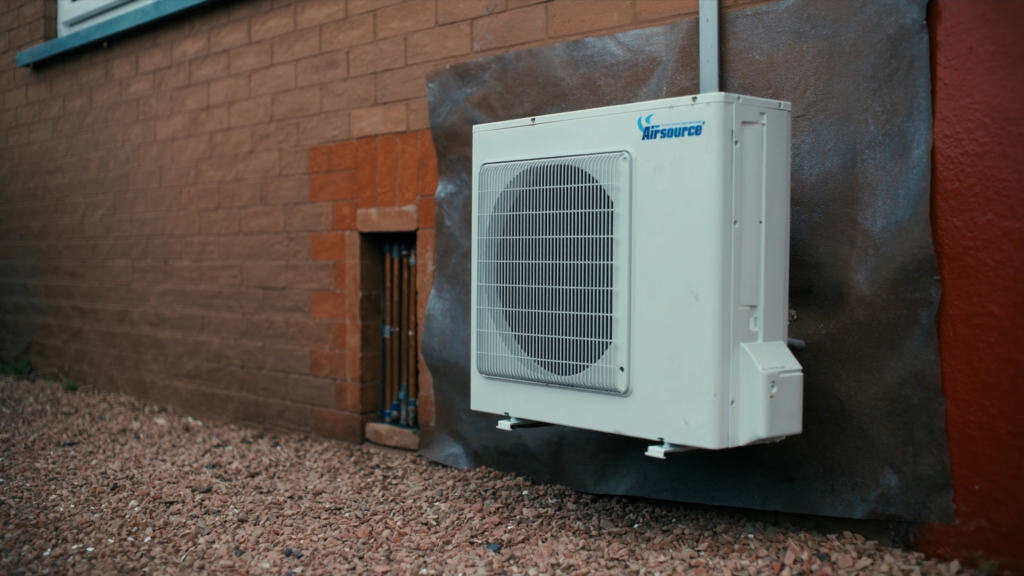
Air source heat pumps are becoming increasingly common across the county. They work like a fridge in reverse, extracting heat from outside air and pumping it into your home. They work best in well-insulated properties, so they’re often paired with an insulation upgrade. Installed costs typically run from £8,000 to £14,000 before any grant support.
Insulation
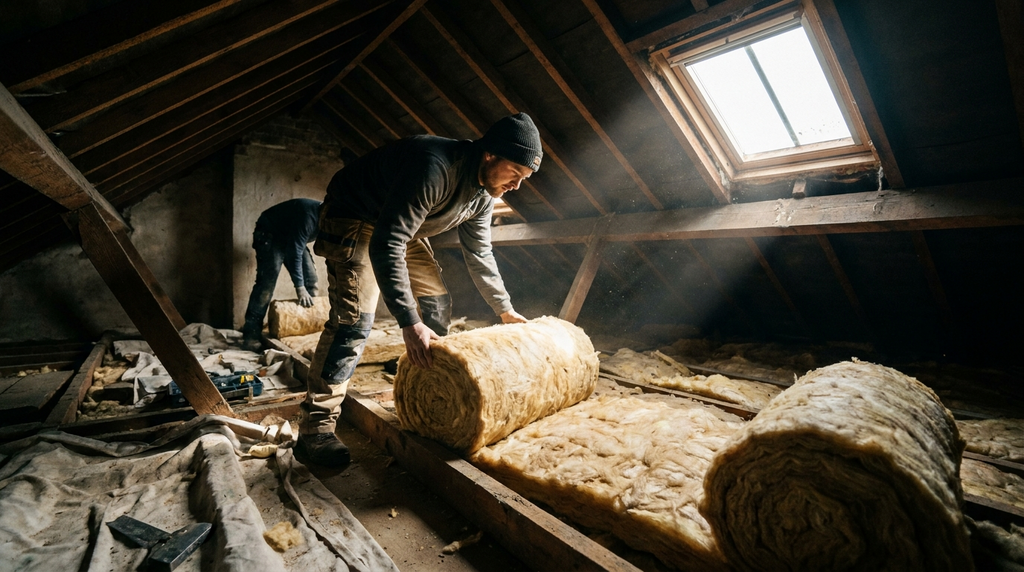
This is often the single most impactful upgrade you can make, particularly in County Durham’s older housing stock. Options include loft insulation, cavity wall insulation, and solid wall insulation (both internal and external). Costs vary hugely depending on your property type, more on this in the table below.
Double and Triple Glazing
Replacing single-glazed windows with modern double or triple glazing can make a noticeable difference to draughts and heat loss, particularly in older terraced properties. Expect to pay £400–£700 per window for quality double glazing.
Energy Efficiency Improvements
This umbrella category covers things like smart thermostats, hot water cylinder insulation, LED lighting upgrades, draught-proofing, and heating controls. These are often the cheapest and quickest wins, a good smart thermostat can save £100–£200 per year and costs less than £300 to install.
Typical Costs, Savings, and Payback Periods for County Durham Homes
Here’s a practical breakdown comparing typical upgrade costs and expected returns for the two most common property types in County Durham, terraced and semi-detached homes.
| Improvement | Terraced Home (typical cost) | Semi-Detached (typical cost) | Estimated Annual Saving | Approximate Payback Period |
|---|---|---|---|---|
| Loft Insulation (top-up to 270mm) | £300–£500 | £400–£600 | £150–£250 | 2–4 years |
| Cavity Wall Insulation | £600–£900 | £800–£1,200 | £200–£350 | 3–5 years |
| External Wall Insulation (solid wall) | £8,000–£14,000 | £10,000–£18,000 | £400–£700 | 15–25 years |
| Solar PV (4kW system) | £5,500–£7,500 | £6,000–£8,000 | £500–£900 | 7–12 years |
| Air Source Heat Pump | £9,000–£13,000 | £10,000–£14,000 | £300–£800 | 10–20 years |
| Double Glazing (whole home) | £3,500–£6,000 | £4,500–£8,000 | £100–£200 | 20–30 years |
| Smart Thermostat and Controls | £200–£350 | £200–£350 | £100–£200 | 1–3 years |
A quick note on payback periods, these look long for some measures, but they don’t account for rising energy prices, improved home comfort, or the boost to your property’s value. External wall insulation in particular tends to add more to a home’s resale value than its headline payback figure suggests.
Grants and Funding Available to County Durham Residents in 2026
This is where County Durham homeowners genuinely have an advantage. As part of a region with high fuel poverty rates, there’s more grant support available here than in many other parts of England. Here’s what you should know about.
The Boiler Upgrade Scheme (BUS)
The government’s Boiler Upgrade Scheme offers a £7,500 grant towards the cost of installing an air source heat pump, and £7,500 for a ground source heat pump. This is available to homeowners across County Durham regardless of income. Your installer applies on your behalf, you just pay the difference. This grant has made heat pumps genuinely affordable for many homeowners, particularly in well-insulated semis.
ECO4 (Energy Company Obligation)
ECO4 requires large energy suppliers to fund energy efficiency improvements for eligible households. In County Durham, this can mean fully funded or heavily subsidised insulation, heating system upgrades, and in some cases solar panels. Eligibility is means-tested, you’ll typically qualify if you’re on certain benefits or have a household income below around £31,000. Given the county’s demographic profile, a significant proportion of homeowners here will be eligible.
Great British Insulation Scheme (GBIS)
The Great British Insulation Scheme closed on 31 March 2026. It funded insulation measures only and never covered windows or glazing. If your home is rated Band D or below and your household meets income criteria, you may qualify for subsidised or fully funded insulation measures. Loft and cavity wall insulation are the most commonly funded measures under this scheme.
North East-Specific and County-Level Support
Durham County Council has been actively involved in retrofit and fuel poverty programmes, working alongside the North East Combined Authority. The council has historically partnered with registered providers and community organisations to deliver whole-street retrofit in colliery villages, if you live in one of these areas, it’s worth contacting Durham County Council directly to ask about any active schemes in your street or village.
The North East Combined Authority has also been involved in coordinating regional retrofit investment. Keep an eye on announcements from the Combined Authority, as additional regional funding rounds for home energy improvements are periodically made available to residents across the region.
Warm Homes Discount
If you’re on a low income or receiving certain benefits, the Warm Homes Discount provides a £150 annual rebate directly off your electricity bill. It won’t transform your home’s efficiency, but it helps with immediate costs while you plan longer-term upgrades.
Planning Permission and Local Authority Rules Across County Durham
Most eco home improvements are covered by permitted development rights, meaning you don’t need formal planning permission. But County Durham has some specific situations worth being aware of before you book an installer.
Durham County Council, the Main Planning Authority
Durham County Council is the unitary authority responsible for planning across most of the county. Darlington is a separate unitary authority with its own planning department, and Hartlepool and Stockton-on-Tees are also independent unitary authorities covering their respective towns.
For most properties outside designated areas, solar panels on a roof, heat pump installations, and standard insulation works are all permitted development. You don’t need to apply for planning permission, though you should always check with your council if you’re unsure.
Conservation Areas and Listed Buildings
Durham city centre and its environs include significant conservation areas and listed buildings, the cathedral, castle, and many of the surrounding streets are subject to tighter controls. If your home is listed or within a designated conservation area, you’ll need to discuss your plans with the council’s planning team before starting any work that alters the external appearance of the building.
External wall insulation, in particular, changes the appearance of a building and will almost always require planning permission in conservation areas. Internal wall insulation is often a better option in these situations, though it does reduce internal floor space slightly.
North Pennines AONB
Homes in and around the North Pennines Area of Outstanding Natural Beauty, which covers much of the western part of County Durham, may face additional considerations around external alterations. The principle of sympathetic design matters here. Solar panels are generally still permitted, but external wall insulation schemes in these areas need careful handling.
A Practical Tip for Conservation Areas
Always call your local planning department before committing to an installer if your home is in a conservation area or is listed. A five-minute phone call can save you from an expensive mistake. Durham County Council’s planning team is generally helpful and will point you in the right direction.
How County Durham’s Climate Shapes the Best Eco Home Choices
County Durham’s climate is genuinely worth understanding before you decide where to invest your money. The county sits in northern England, and its geography creates some interesting variations within a relatively small area.
The upland west of the county, around the Pennine dales and moorland above Barnard Castle and Consett, sees significantly colder and wetter winters than the more sheltered lowland areas around Darlington and Stockton. Heating degree days across the county range from around 1,800 to 2,200 per year, which is meaningfully higher than the English average and means heating costs are above what homeowners in the Midlands or South would typically pay for an equivalent property.
What This Means for Insulation
The cold climate makes insulation the single most important investment for most County Durham homeowners. Every pound you spend on insulation saves more here than it would in a warmer part of the country, because your heating is running harder and for longer each year. Insulation first, then renewables is the right order of thinking for most homes in this county.
What This Means for Solar
County Durham sits in a moderate solar zone, not the sunniest part of the country, but far from the worst. With 850–1,000 sunshine hours per year, solar panels do generate meaningful amounts of electricity here, particularly from spring through to early autumn. South-facing roofs perform best. Don’t let the “it’s too cloudy up north” myth put you off, modern panels work in diffuse light, not just direct sunshine.
What This Means for Heat Pumps
Modern air source heat pumps are built to work efficiently even in temperatures as low as minus 15 degrees Celsius, so County Durham’s winters are well within their operational range. Even so, heat pumps work best in well-insulated homes, which reinforces the point about doing insulation first. A heat pump in a draughty, poorly insulated terraced house will struggle to keep you comfortable and could end up costing more to run than your old boiler.
Towns Across County Durham Where Eco Home Services Are Available
Eco home installers serve homeowners right across County Durham. If you’re in a market town, a former colliery village, or a larger urban centre, you should be able to access the full range of services. Here are the towns covered across the county.
- Barnard