Why Cumbria Is a County Worth Investing In, Ecologically Speaking
Cumbria is one of England’s most distinctive counties, a place of dramatic fells, working market towns, and a coastline that stretches from Barrow-in-Furness up to the Solway Firth. It’s also a county of real contrasts. You’ve got Georgian townhouses in Carlisle sitting alongside Victorian terraces in Barrow, stone-built farmhouses outside Penrith, and holiday cottages tucked into the Lake District fells near Ambleside and Windermere.
That variety matters for eco home improvements. With 217,361 residents spread across 11 towns and a vast rural hinterland, many Cumbrian homes sit well outside urban centres, which means higher-than-average heating costs, sometimes patchy insulation, and real potential to save money by upgrading. The average home here uses 13,564 kWh of gas per year, very close to the national median, but the combination of older housing stock, rural exposure, and high rainfall means many properties are losing more heat than they should.
Cumbria also sits in a genuinely interesting position for renewable energy. Yes, it rains here, quite a lot, in fact. But that’s only part of the picture. Many parts of the county, especially in the south around Kendal and Ulverston, get a reasonable number of sunshine hours. And the high rainfall that makes some people hesitant about solar panels? It actually keeps them clean and performing well. There’s far more opportunity here than many homeowners realise.
Energy Performance Across Cumbria, What the Numbers Actually Mean for Your Bills
The county average EPC rating is Band D, which puts Cumbria right at the national average. That might sound reassuring, but Band D means there’s significant room for improvement, and real money being wasted every year on heat that simply escapes through walls, roofs, and draughty windows.
A typical Band D home in Cumbria spends roughly £1,650 to £2,100 per year on energy bills, depending on size, age, and how well it’s been maintained. Push that to a Band B or C and many homeowners are looking at savings of £400 to £800 annually, sometimes more in larger detached properties.
Different parts of the county tell quite different stories for energy efficiency.
- Barrow-in-Furness has a high concentration of Victorian and Edwardian terraced housing, much of it solid-walled. These homes have no cavity to fill, which makes insulation more involved, but also means the gains from upgrading are substantial.
- Carlisle has a more mixed stock, post-war semis, 1970s and 1980s builds, and older townhouses. Many of the cavity-walled properties from this era are good candidates for straightforward cavity wall insulation.
- Kendal, Penrith, and Appleby-in-Westmorland feature a lot of stone-built properties, some of which are listed or within conservation areas. These need a more careful approach to insulation, but internal solutions and secondary glazing can still make a meaningful difference.
- Ambleside, Keswick, and Windermere are within or close to the Lake District National Park, which brings additional planning considerations (more on that below). Exposed positions and high rainfall mean draughts and damp are common issues.
It’s also worth knowing that average electricity usage is 3,400 kWh per year across the county. If you install solar panels or a heat pump, that figure becomes much more relevant, because using your own generated electricity instead of buying it from the grid is where the biggest financial wins come from.
What Eco Home Services Are Available Across Cumbria
Whether you live in a terraced house in Barrow or a detached stone cottage outside Kirkby Lonsdale, there’s a wide range of eco home improvements that can reduce your bills and cut your carbon footprint. Here’s a plain-English summary of what’s available and what each one involves.
Solar Panels
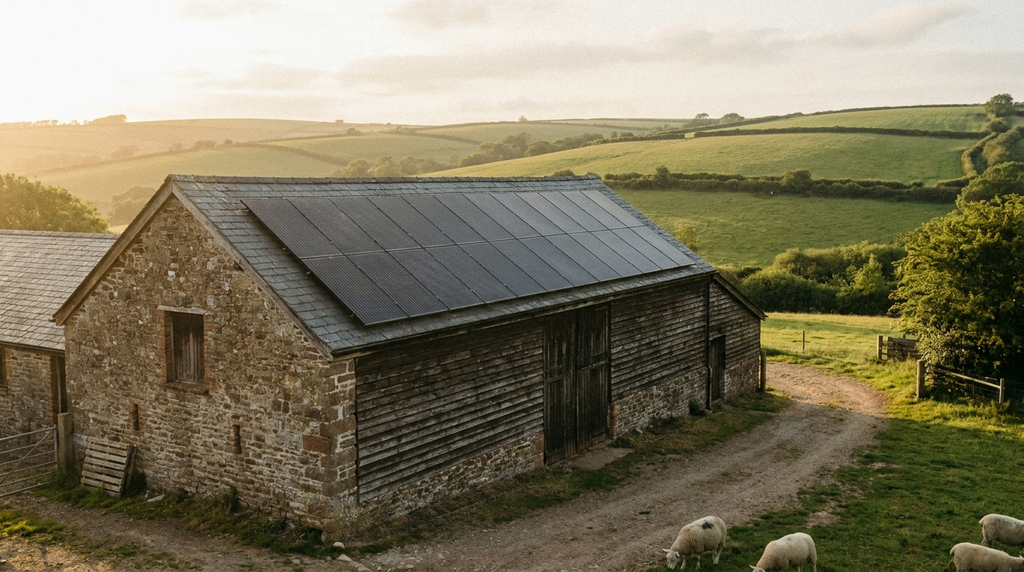
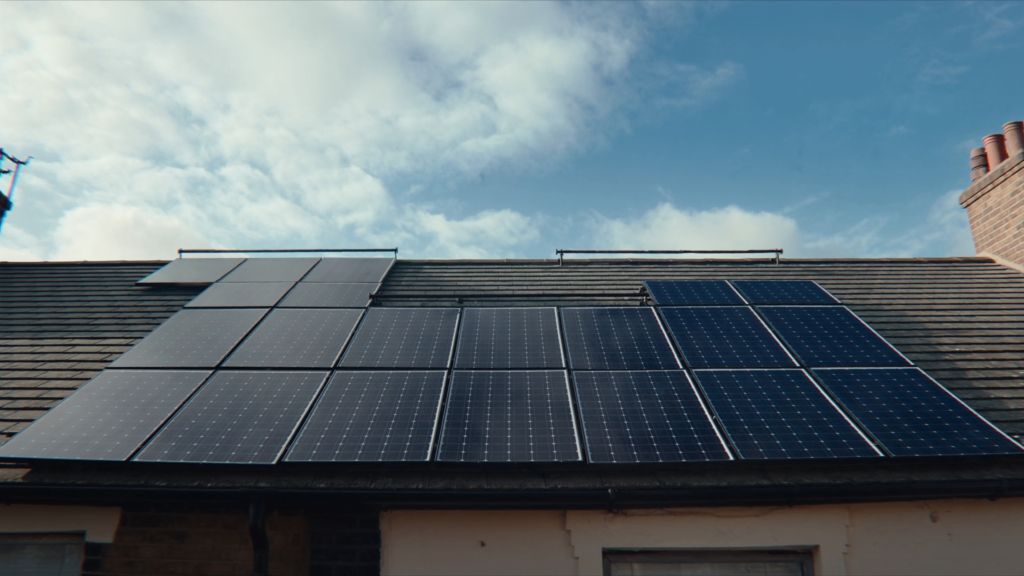
Solar photovoltaic (PV) panels generate electricity from daylight, not just direct sunshine. A typical 4kWp system costs around £7,000 to £9,000 installed, and can generate 3,000 to 3,800 kWh of electricity per year in Cumbria. Pair this with a battery storage unit (add roughly £2,500 to £4,000) and you can use that electricity in the evenings too, rather than sending it back to the grid.
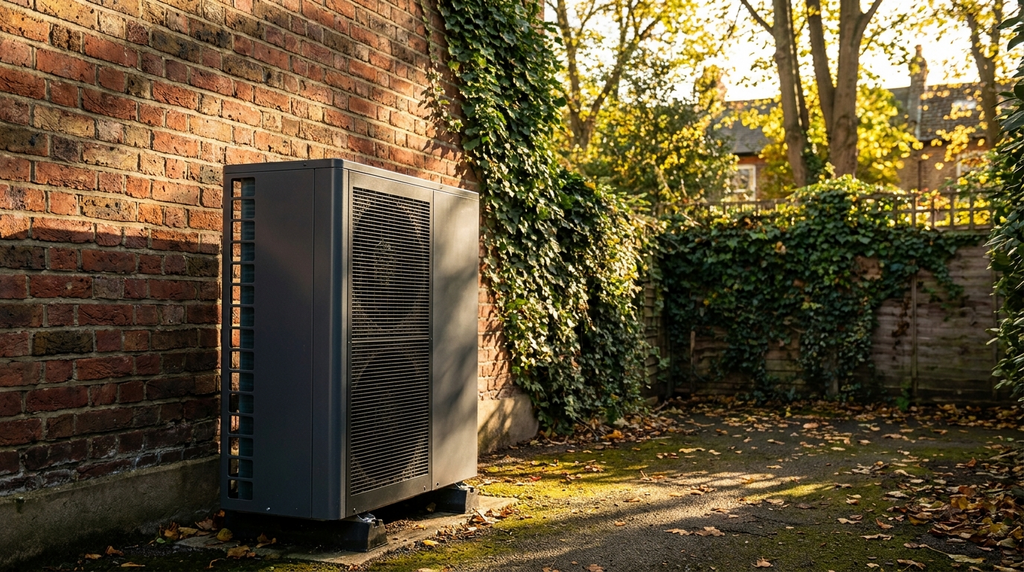
Air Source Heat Pumps
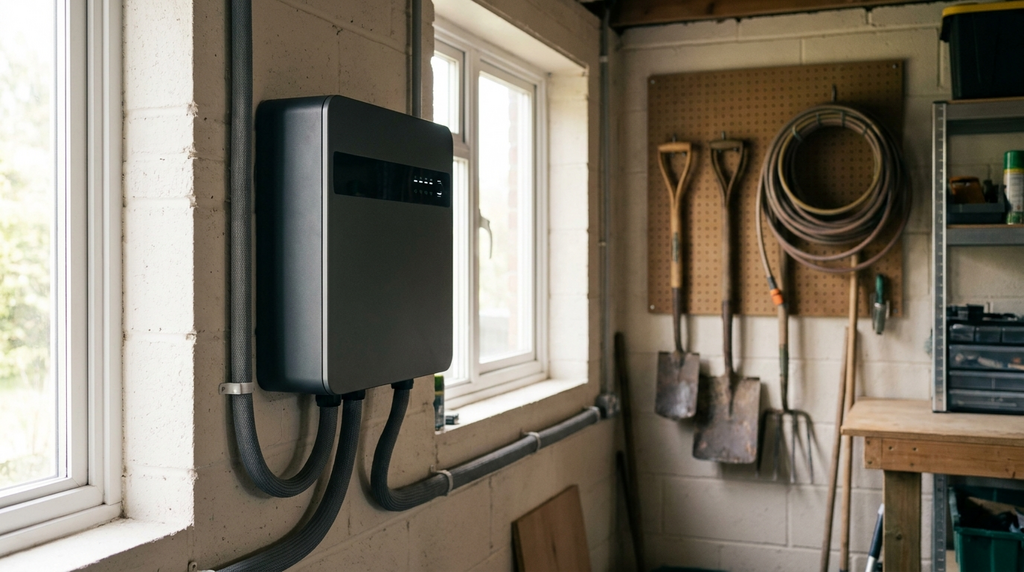
Heat pumps extract warmth from outdoor air and use it to heat your home, even in cold weather. They work best in well-insulated homes. Typical installed costs run from £8,000 to £13,000, but the Boiler Upgrade Scheme grant of £7,500 brings this down significantly. Running costs depend heavily on your home’s insulation level, but many Cumbrian households switching from oil heating see useful savings.
Insulation
This is often the single most cost-effective upgrade. Cavity wall insulation starts at around £500 to £1,500 for a semi-detached. Loft insulation can cost as little as £300 to £600. Solid wall insulation (external or internal) is more involved, typically £8,000 to £20,000, but vital for older stone and brick properties that make up a large share of Cumbria’s housing stock.
Double and Triple Glazing
Replacing old single-glazed or draughty windows with modern double or triple glazing reduces heat loss and draughts noticeably. Costs vary widely by property size, expect to pay £4,000 to £10,000 for a full house, depending on the number of windows and frame materials. Secondary glazing is a useful and often cheaper alternative in listed buildings.
Energy Efficiency Improvements
Draught-proofing, smart heating controls, LED lighting, and hot water cylinder insulation are lower-cost steps that add up. A full draught-proofing package might cost £200 to £400 and save £100 or more annually. Smart thermostats like the Hive or Nest typically pay back within two years.
Cost Comparison Across Cumbria’s Common Property Types
| Improvement | Terraced House | Semi-Detached | Detached | Estimated Annual Saving | Typical Payback Period |
|---|---|---|---|---|---|
| Cavity Wall Insulation | £500 – £900 | £700 – £1,200 | £1,000 – £1,800 | £150 – £300 | 3 – 6 years |
| Loft Insulation (top-up) | £300 – £500 | £300 – £550 | £400 – £700 | £100 – £250 | 2 – 4 years |
| External Wall Insulation | £8,000 – £14,000 | £10,000 – £16,000 | £14,000 – £22,000 | £300 – £600 | 20 – 30 years |
| Solar PV (4kWp) | £7,000 – £8,500 | £7,000 – £9,000 | £7,500 – £10,000 | £400 – £700 | 12 – 18 years |
| Air Source Heat Pump | £8,000 – £11,000 | £9,000 – £12,000 | £10,000 – £14,000 | £300 – £700 | 10 – 20 years (post-grant) |
| Double Glazing (full house) | £3,500 – £5,500 | £4,500 – £7,000 | £6,000 – £10,000 | £100 – £250 | 20 – 35 years |
Tip: External wall insulation payback periods look long on paper, but the comfort improvement and damp reduction in older Cumbrian stone properties are real benefits that go beyond the numbers. Many homeowners say it’s transformative.
Grants and Funding Available to Cumbria Homeowners in 2026
The good news is there’s genuine funding available, and Cumbria residents can access both national and regional schemes. Here’s what’s on the table right now.
The Boiler Upgrade Scheme (BUS)
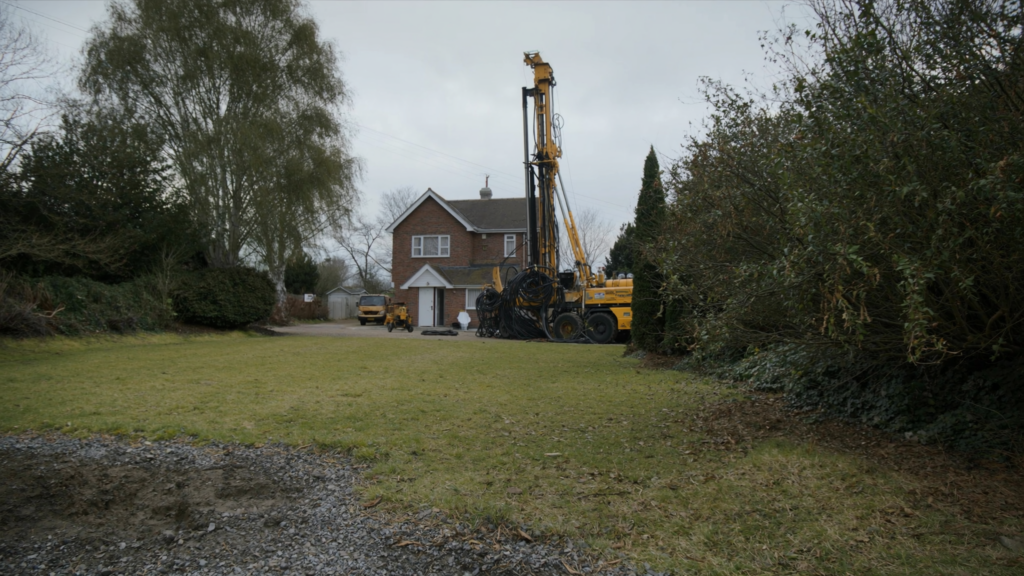
This national grant offers £7,500 off the cost of an air source heat pump or £7,500 towards a ground source heat pump. You apply through your installer, who must be MCS-certified. There are no income restrictions, any homeowner in Cumbria can apply, as long as your property has a valid EPC with no outstanding recommendations for loft or cavity wall insulation.
ECO4
The Energy Company Obligation (ECO4) scheme funds insulation and heating upgrades for lower-income households. If you receive qualifying benefits (including Universal Credit, Pension Credit, or Child Tax Credit), you may be eligible for fully funded insulation, a new boiler, or even a heat pump at no cost to you. Your energy supplier applies the funding. It’s worth checking eligibility even if you’re not sure, many Cumbrian households qualify and don’t realise it.
Great British Insulation Scheme (GBIS)
This scheme extends support beyond means-tested households. If your home is rated EPC Band D or below (which describes the Cumbrian average), you may qualify for subsidised insulation regardless of income. Single-measure upgrades like loft or cavity wall insulation are the focus. Contact your energy supplier directly to check eligibility and get the process started.
Warm Homes Plan
The government’s Warm Homes Plan is expanding support for low-income households across England, with a particular focus on moving homes off fossil fuel heating. Cumbrian households in fuel poverty, which affects a higher proportion of rural properties here than the national average, should ask their local council about how this funding is being deployed locally.
Cumberland and Westmorland and Furness Council Support
Since local government reorganisation, Cumbria is now served by Cumberland Council (covering Carlisle, Copeland, and Allerdale) and Westmorland and Furness Council (covering South Lakeland, Eden, and Barrow). Both councils have committed to net-zero targets and are actively signposting residents to retrofit funding. It’s worth contacting your local council’s housing or environmental team directly, small local grants and interest-free loan schemes do appear periodically, and they don’t always get the publicity they deserve.
Planning Permission and Local Authority Considerations Across Cumbria
Before you commit to any major eco improvement, it’s worth understanding what planning rules apply to your property. Cumbria has more planning complexity than many counties, largely because of the Lake District National Park and a significant number of conservation areas and listed buildings.
The Lake District National Park
If your home falls within the Lake District National Park, which covers large parts of the county including areas around Ambleside, Windermere, Keswick, and Coniston, planning rules are stricter. Solar panels, external wall insulation, and heat pump outdoor units all require planning permission within the National Park. The Lake District National Park Authority handles these applications, not the local council. The good news is they have a dedicated planning team and are generally willing to work with homeowners to find solutions that respect the landscape.
Conservation Areas and Listed Buildings
Towns like Kendal, Appleby-in-Westmorland, and Kirkby Lonsdale have extensive conservation areas. Listed buildings (typically anything Grade I or Grade II) face significant restrictions on external changes. If your home is listed, external insulation and standard double glazing are usually not permitted. However, internal wall insulation, secondary glazing, and discreet solar installations can sometimes be approved. Always check with your council’s planning department before spending money on surveys or quotes.
Permitted Development Rights
For most standard homes outside conservation areas and national parks, solar panels and air source heat pumps qualify as permitted development, meaning no planning application is needed, as long as you meet specific size and siting criteria. Your installer should confirm this as part of their survey.
| Improvement | Standard Property | Conservation Area | Listed Building | Lake District National Park |
|---|---|---|---|---|
| Solar PV Panels | Usually permitted development | May need permission if visible from street | Likely needs listed building consent | Planning permission required |
| Air Source Heat Pump | Usually permitted development | Check with council | Likely needs consent | Planning permission required |
| External Wall Insulation | Usually permitted development | Often needs permission | Almost always needs consent | Planning permission required |
| Loft Insulation | No permission needed | No permission needed | No permission needed | No permission needed |
| Double Glazing | Usually no permission needed | May need permission | Likely needs listed building consent | Check with LDNPA |
How Cumbria’s Climate and Geography Shape the Best Eco Choices
Cumbria’s climate is genuinely distinctive, and it matters when you’re choosing which upgrades to prioritise. The county gets