Why Dumfries and Galloway Is a County Worth Getting to Know
Dumfries and Galloway is one of Scotland’s most quietly remarkable regions. Stretching from the Solway Firth coastline up into the Southern Uplands, it covers a vast swathe of southwest Scotland, bigger than many people realise, and far more varied in landscape and character than outsiders give it credit for.
The county sits in an interesting position geographically. It borders England to the south and east, which means it shares some of the same housing challenges as northern English counties, while also falling under Scotland’s distinct energy policies and building regulations. That combination of factors makes it genuinely different from anywhere else in the UK.
What really stands out here is the contrast between the county town of Dumfries and the sprawling rural hinterland that surrounds it. With around 33,000 residents, this is a compact community, and that closeness has real practical benefits for finding trusted local tradespeople and eco home installers who know the area well.
The climate here is worth taking seriously. Cold, wet winters driven by Atlantic weather systems mean heating bills are consistently above the Scottish and UK averages. Getting your home properly insulated and heated efficiently isn’t a luxury here, it’s a genuine financial priority. The good news is that Scotland has some of the most generous eco home funding in the UK, and residents of Dumfries and Galloway are well placed to benefit.
What Energy Performance Looks Like Across Dumfries and Galloway
The county average sits at EPC Band D, which puts it in line with the typical UK picture. That might sound reassuring, but Band D still means your home is losing more heat than it should and costs more to run than it needs to.
In practical terms, a Band D home in Dumfries and Galloway typically costs between £1,800 and £2,400 per year to heat and power, depending on property size and the type of fuel used. Many older properties in and around Dumfries town centre rely on gas boilers, while rural homes are more likely to use oil or LPG, fuels that have seen significant price volatility in recent years.
The county’s housing stock reflects its history. Much of Dumfries was developed during the Victorian and Edwardian eras, with rows of solid stone terraced homes that are characterful but thermally challenging. Stone walls look beautiful and last forever, but they can be slow to heat and quick to lose warmth without proper intervention.
Semi-detached properties built in the mid-twentieth century make up another large chunk of the county’s housing. These tend to be more straightforward to insulate and upgrade, and they often respond very well to modern eco improvements. If you’re in one of these homes, you’re actually in a strong position to make meaningful improvements without enormous upheaval.
The average gas usage across the county sits at 14,000 kWh per year, with average electricity consumption of around 3,400 kWh annually. Both figures reflect the colder climate and older housing stock, and both represent real opportunities to save money through the right upgrades.
The Full Range of Eco Home Services Available Across the County
Whatever stage you’re at with making your home more efficient, there are services available to help. Here’s an honest overview of what’s on the table for homeowners in Dumfries and Galloway.
Solar Panels
Yes, Dumfries and Galloway gets enough sun to make solar panels worthwhile, 850 to 1,000 sunshine hours per year is the typical range, which is lower than the south of England but still sufficient for a solid return on investment. South-facing roofs in Dumfries town itself tend to perform particularly well.
A standard 4kW solar panel system costs around £7,000 to £9,000 installed, and can generate approximately 3,200 to 3,800 kWh per year in this part of Scotland. Pair that with a battery storage unit and you can dramatically cut your reliance on grid electricity.
Heat Pumps
Air source heat pumps are increasingly popular across the county, and for good reason. They work efficiently even in cold Scottish winters, and they pair beautifully with solar panels if you generate your own electricity. Expect to pay £10,000 to £15,000 for a well-specified air source system, though the Boiler Upgrade Scheme can bring that cost down significantly (more on that below).
Ground source heat pumps are also an option for properties with enough outdoor space, particularly relevant in the more rural parts of the county. These systems cost more upfront (typically £20,000 to £30,000) but offer higher efficiency ratings.
Insulation
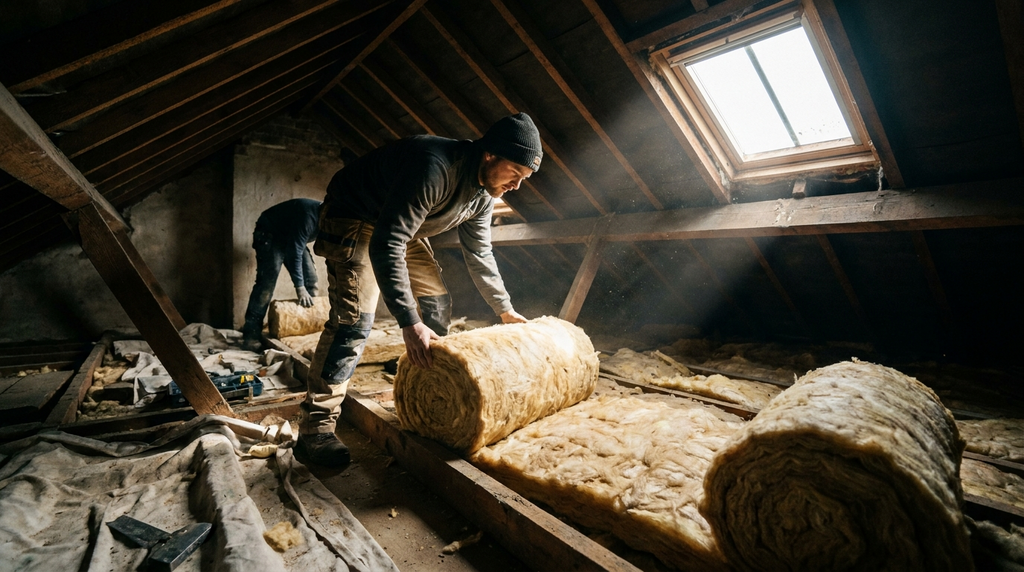
This is where the biggest gains often come for Dumfries and Galloway homeowners. Loft insulation, cavity wall insulation, and solid wall insulation can each make a significant dent in your heating bills. Cold, wet winters make proper insulation essential rather than optional here.
Loft insulation is typically the most cost-effective starting point, costing around £300 to £600 for a standard semi-detached and paying back within two to three years. Solid wall insulation (relevant for many older properties in the county) costs considerably more, around £8,000 to £22,000, but the long-term savings and comfort improvements are substantial.
Double and Triple Glazing
Replacing single-glazed windows with modern double or triple glazing makes an immediate difference to comfort and draught reduction. For a typical three-bedroom semi-detached in Dumfries, expect to pay £4,000 to £8,000 for a full set of A-rated double-glazed windows. Triple glazing costs a bit more but is worth considering given the climate.
Energy Efficiency Improvements
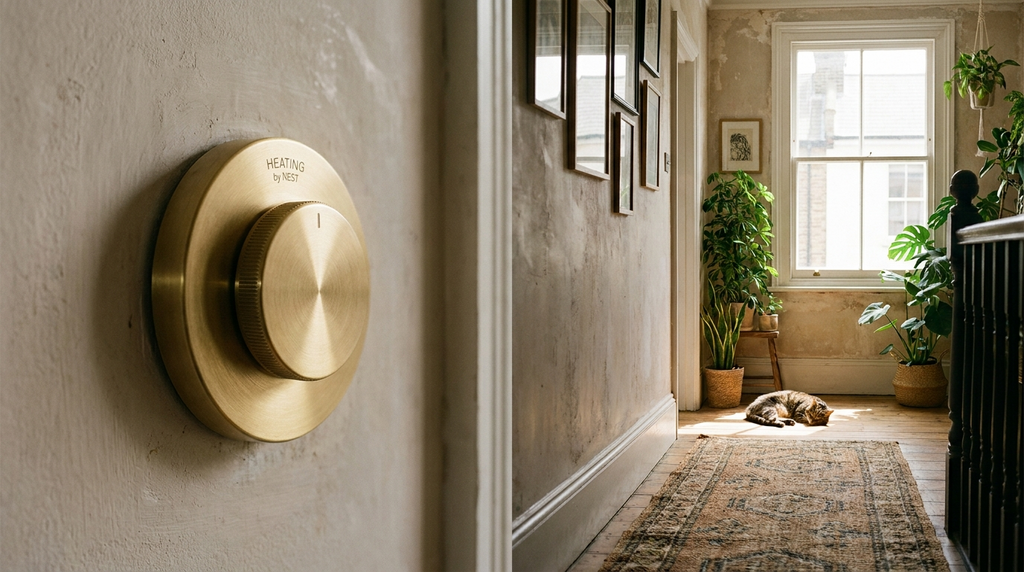
Smart thermostats, upgraded heating controls, LED lighting throughout, and hot water cylinder insulation all add up. These smaller measures are often overlooked but can collectively save £150 to £300 per year with minimal disruption or cost.
Costs, Savings and Payback Periods at a Glance
Here’s a straightforward comparison of the main eco improvements for the property types most common across Dumfries and Galloway. These figures reflect 2026 installer pricing in Scotland.
| Improvement | Semi-Detached, Typical Cost | Terraced, Typical Cost | Estimated Annual Saving | Approximate Payback Period |
|---|---|---|---|---|
| Loft insulation (top-up) | £300 – £500 | £250 – £450 | £150 – £250 | 2 – 3 years |
| Cavity wall insulation | £700 – £1,200 | £500 – £900 | £200 – £350 | 3 – 4 years |
| Solid wall insulation (external) | £12,000 – £22,000 | £8,000 – £16,000 | £400 – £700 | 18 – 30 years |
| Solar panels (4kW system) | £7,000 – £9,000 | £7,000 – £9,000 | £500 – £800 | 10 – 14 years |
| Air source heat pump | £10,000 – £15,000 | £10,000 – £14,000 | £400 – £900 | 12 – 20 years |
| Double glazing (full house) | £5,000 – £8,000 | £4,000 – £7,000 | £150 – £300 | 15 – 25 years |
| Smart thermostat and controls | £150 – £400 | £150 – £400 | £100 – £200 | 1 – 3 years |
Tip, combining measures almost always improves your payback period. An insulated home needs less heat, which means your heat pump or boiler works less hard, which multiplies your savings significantly.
Grants and Funding Available to Dumfries and Galloway Residents in 2026
This is where living in Scotland genuinely pays off. The funding landscape here is more generous than in most of England and Wales, and there are multiple routes to support depending on your circumstances.
Home Energy Scotland
This is the Scottish Government’s flagship advice and funding service, and it’s an excellent first port of call. Home Energy Scotland offers free, impartial advice from qualified energy advisors, no sales pressure, no obligation. They can assess your home’s needs and point you towards the right measures.
Beyond advice, the scheme also offers interest-free loans of up to £15,000 for energy improvements, including insulation, heat pumps, solar panels, and more. For rural homes off the gas grid (which includes many properties across Dumfries and Galloway’s countryside), additional cashback grants are available on top of the loan.
Warmer Homes Scotland
If you’re on a lower income or receiving certain qualifying benefits, Warmer Homes Scotland could provide free energy efficiency improvements to your home, at no cost to you whatsoever. Eligible measures include insulation, heating systems, and draught-proofing. This scheme is administered through Home Energy Scotland, so the same starting point applies.
ECO4
The UK Government’s ECO4 scheme (Energy Company Obligation) runs alongside Scottish schemes and provides funding for insulation and low-carbon heating for lower-income households. Eligibility is means-tested, and the scheme is delivered through energy suppliers. It’s worth checking eligibility even if you’re not sure you qualify, the income thresholds are broader than many people expect.
Boiler Upgrade Scheme
The Boiler Upgrade Scheme (BUS) provides a £7,500 grant toward an air source heat pump and £7,500 toward a ground source heat pump. This applies across Scotland as well as England and Wales. If you’re considering switching from an oil or LPG boiler, common in rural Dumfries and Galloway, this grant can make a heat pump genuinely competitive on upfront cost.
Great British Insulation Scheme
The Great British Insulation Scheme closed on 31 March 2026. It funded insulation measures only and never covered windows or glazing. Given that the county average is Band D, a significant proportion of Dumfries and Galloway homeowners may be eligible. Your EPC rating is the key eligibility trigger here, so it’s worth getting an updated assessment if yours is out of date.
Dumfries and Galloway Council Support
Dumfries and Galloway Council also administers local area-based schemes and can sometimes connect residents with additional support, particularly for rural properties and households in fuel poverty. It’s always worth contacting the council’s housing or energy team directly to ask what’s current, these local schemes can change throughout the year.
Planning Permission and Local Authority Considerations
Most standard eco home improvements in Dumfries and Galloway fall under permitted development rights, which means you don’t need planning permission to get started. Solar panels on a pitched roof, cavity wall insulation, and most heat pump installations are typically covered, but there are important exceptions to know about.
The entire county falls under the planning jurisdiction of Dumfries and Galloway Council, which is a single unitary authority covering the full area. That’s actually quite convenient, there’s one planning department to deal with, one set of local policies to understand, and one contact point if you have questions.
The county contains several areas of significant natural and heritage importance. The Galloway Forest Park, the largest forest park in the UK, sits within the county, and properties in or near designated landscapes may face additional considerations. The Galloway and Southern Ayrshire UNESCO Biosphere also covers a large part of the region, and while this doesn’t directly restrict home improvements, it does reflect a strong local commitment to environmental sensitivity.
Listed buildings are a particular consideration across Dumfries, where the historic town centre contains many Category A and B listed properties. If your home is listed, you will almost certainly need listed building consent before making external alterations, including external wall insulation or changes to window profiles. Internal improvements may still be possible, speak to the council’s conservation officer early in the process.
Conservation areas exist in parts of Dumfries town and some of the county’s smaller settlements. External solar panels and some types of external insulation may require prior approval in these areas. The council’s planning portal is the clearest starting point for checking whether your property is affected.
Scotland’s own building regulations, known as Section 6, apply to all energy-related work across the county. These set minimum standards for energy performance that in some cases exceed the equivalent English regulations. Any installer working on your home should be familiar with these requirements, but it’s worth asking the question directly.
How the Climate Shapes Your Eco Home Choices Here
The climate of Dumfries and Galloway is genuinely distinctive, and it should shape how you think about eco home investment. This is not the kind of place where you can take a casual approach to insulation.
The county experiences between 1,800 and 2,200 heating degree days per year, a technical measure of how hard your heating system has to work. That puts it firmly in the higher-demand bracket compared to most of England. Cold, damp winters are the norm rather than the exception, and the prevailing westerly winds from the Atlantic drive significant rainfall, 1,000 to 2,000mm annually depending on where you are in the county.
What does that mean practically? A few things worth bearing in mind.
- Insulation comes first. In this climate, getting your home properly sealed and insulated delivers faster payback than almost any other measure. Don’t skip straight to solar panels without addressing heat loss first.
- External wall insulation needs careful specification. The high rainfall here means any external insulation system must use moisture-resistant materials and be installed by someone who understands the west of Scotland climate. Cutting corners here leads to problems.
- Solar panels still work well. Despite the cloud and rain, there’s enough solar resource here for a good return, especially when combined with battery storage to capture and use energy generated on brighter days.
- Wind exposure is relevant. Some parts of the county, particularly along the coast and on higher ground, experience significant wind. This can affect heat loss from older properties and is worth factoring into any assessment.
- Heat pumps are well suited to this climate