North Yorkshire, A County Worth Investing In
North Yorkshire is one of England’s most distinctive counties, a vast, varied landscape stretching from the dramatic moors of the northeast to the limestone dales of the west, from the bustling spa town of Harrogate to the ancient city of York. It’s the largest county in England by area, and that sheer scale means an enormous variety of housing stock, heating challenges, and eco improvement opportunities.
What makes North Yorkshire genuinely different from its urban neighbours in West Yorkshire or Teesside is the mix. You’ve got Georgian townhouses in Ripon, Victorian terraces in Scarborough, stone-built dales cottages in Grassington and Settle, market town semis in Northallerton and Thirsk, and modern estates on the edges of Harrogate and York. No two streets feel quite the same.
That variety matters when you’re thinking about eco improvements. The solutions that work brilliantly for a 1990s semi in Selby aren’t always the right fit for a stone farmhouse on the edge of the Dales. Getting the right advice for your specific property and location is everything, and that’s exactly what this guide is here to help with.
With 628,132 residents across 19 towns and surrounding rural areas, North Yorkshire has a significant collective energy footprint. The good news is that the county’s average EPC Band D rating means there’s genuine, achievable improvement available to the vast majority of homes here, and the savings add up quickly when you know where to start.
What the Average EPC Band D Really Means for North Yorkshire Homes
An EPC Band D rating sits squarely at the national average, it means your home is neither particularly efficient nor a complete energy disaster. But average doesn’t mean cheap to run. In North Yorkshire, where the average household uses 12,795 kWh of gas per year and 3,279 kWh of electricity, typical annual energy bills are sitting somewhere around £1,800 to £2,200 per year depending on tariff and property size.
That figure masks some real variation across the county. Homes in exposed upland areas, think the villages around Leyburn, Masham, or Helmsley, often burn considerably more gas than properties in the more sheltered Vale of York. Older stone-built properties in the Dales and North York Moors can feel the cold acutely in winter, particularly those with single-glazed windows or minimal loft insulation.
The terraced and semi-detached properties that make up much of the housing stock in Harrogate, Scarborough, Selby, and York tend to be Victorian or Edwardian in origin, solid walls, no cavity, and often very little original insulation. These homes can be significantly harder and more expensive to insulate than post-1930s properties, but the potential savings are correspondingly larger.
Newer builds on the edges of market towns like Northallerton and Skipton tend to sit at Band C or above already, meaning the most impactful upgrades, solar panels, heat pumps, or better glazing, are where those homeowners should focus. For older properties, you’re often better starting with insulation before layering in renewables.
- Band D homes typically cost £200–£400 more per year to run than Band C equivalents
- Moving from Band D to Band B could save a typical North Yorkshire household £500–£900 annually
- Stone and brick solid-wall homes are the most common barrier to improvement across rural parts of the county
- Properties in the National Park areas often have additional planning constraints that affect upgrade options
Eco Home Services Available Across North Yorkshire
If you’re in a townhouse in York or a cottage near the Dales, the range of eco improvements available to you is broader than most people realise. Here’s a plain-English rundown of what’s on offer and what each service actually involves.
Solar Panels
Solar PV panels convert daylight into electricity you can use directly in your home, or export back to the grid for payment. North Yorkshire gets around 1,000–1,200 sunshine hours per year, which is enough to make solar genuinely worthwhile. A typical 4kWp system on a south-facing roof in Harrogate or York will generate around 3,400–3,800 kWh per year. Costs typically run from £6,000 to £9,000 for a fully installed system including battery storage options.
Heat Pumps
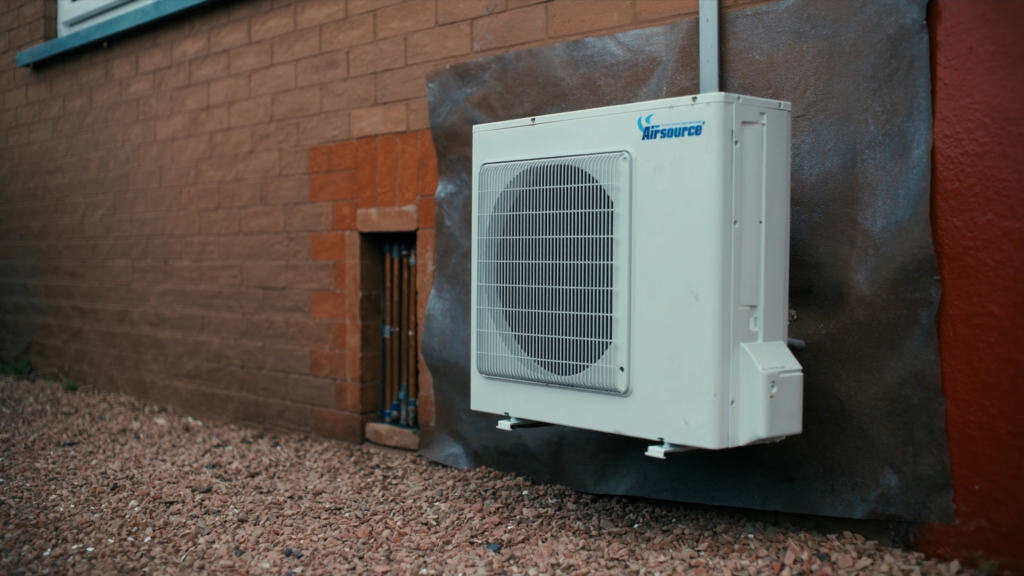
Air source heat pumps extract heat from outside air and use it to warm your home, they work even on cold winter days. They’re particularly well-suited to well-insulated properties, and they pair brilliantly with solar panels. Installed costs in North Yorkshire typically run from £8,000 to £15,000, though the Boiler Upgrade Scheme can reduce this significantly (more on that below).
Insulation
Loft insulation, cavity wall insulation, and solid wall insulation (internal or external) are often the most cost-effective starting points for older North Yorkshire homes. Loft insulation can cost as little as £300–£500 and pay back within two to three years. Solid wall insulation is more involved, typically £8,000–£20,000 depending on method and property size, but can transform the comfort and efficiency of an older stone or brick home.
Double and Triple Glazing
Replacing single-glazed or original windows with modern double or triple glazing reduces heat loss, cuts draughts, and improves comfort noticeably. A full house replacement typically costs £4,000–£10,000 depending on property size and window count. In conservation areas or listed buildings, specialist glazing that mimics original appearance may be required, and will cost more.
Energy Efficiency Improvements
Smart thermostats, hot water cylinder insulation, draught-proofing, LED lighting upgrades, and underfloor heating all contribute to a more efficient home. Many of these are low-cost, DIY-friendly improvements that can deliver 10–20% reductions in energy use without any major building work.
Cost Comparison Across Common North Yorkshire Property Types
Here’s an honest look at what major eco improvements typically cost across the three most common property types in North Yorkshire, and what you’re likely to save.
| Improvement | Terraced Home | Semi-Detached | Detached Home |
|---|---|---|---|
| Solar PV (4kWp) | £6,000–£7,500 | £6,500–£8,500 | £7,500–£10,000 |
| Air Source Heat Pump | £9,000–£12,000 | £10,000–£13,000 | £12,000–£16,000 |
| Loft Insulation | £300–£500 | £400–£600 | £500–£800 |
| Cavity Wall Insulation | £600–£1,000 | £800–£1,400 | £1,200–£2,000 |
| Solid Wall Insulation (external) | £8,000–£13,000 | £10,000–£16,000 | £15,000–£22,000 |
| Double Glazing (full house) | £3,500–£5,500 | £4,500–£7,000 | £6,500–£11,000 |
| Improvement | Estimated Annual Saving | Approximate Payback Period |
|---|---|---|
| Solar PV (with SEG export) | £400–£700 | 10–14 years |
| Air Source Heat Pump (replacing gas boiler) | £200–£600 | 15–25 years without grant |
| Loft Insulation | £150–£300 | 2–4 years |
| Cavity Wall Insulation | £200–£400 | 3–5 years |
| Solid Wall Insulation | £300–£600 | 18–30 years |
| Double Glazing | £100–£250 | 20–35 years |
Honest note, payback periods for glazing and solid wall insulation are long on pure financial terms. But the comfort improvement is immediate, and both add real value to your property. Many homeowners find the day-to-day difference in warmth and draught reduction is worth as much as the bill savings.
Grants and Funding Available to North Yorkshire Residents in 2026
There are several funding routes worth knowing about, some national, some regional, and some worth checking at a local authority level.
The Boiler Upgrade Scheme
This national grant offers £7,500 off the installed cost of an air source heat pump (or ground source heat pump). It’s available to homeowners in England replacing an existing fossil fuel heating system. Your installer applies on your behalf, you don’t need to do the paperwork yourself. This scheme makes heat pumps significantly more affordable, especially for detached and semi-detached homes in North Yorkshire.
ECO4
The Energy Company Obligation scheme (ECO4) funds insulation, heating, and efficiency upgrades for households on certain qualifying benefits, or in low-income households. If you receive Universal Credit, Pension Credit, or certain other means-tested benefits, you may qualify for fully funded improvements, including solid wall insulation, loft insulation, or heat pump installation at no cost to you. Contact your energy supplier or the local council’s energy team to check eligibility.
The Great British Insulation Scheme
The Great British Insulation Scheme closed on 31 March 2026. It funded insulation measures only and never covered windows or glazing. Given that the county average in North Yorkshire is Band D, a significant number of homeowners here are potentially eligible. Single insulation measures such as loft insulation or cavity wall insulation are the main focus.
Yorkshire and the Humber Regional Programmes
North Yorkshire sits within the Yorkshire and the Humber region, and there are periodically additional funding streams delivered through the combined authority structures and local energy partnerships in this region. Check with North Yorkshire Council directly, as the county’s unitary authority since 2023, they administer and signpost local energy support alongside the national schemes. York also has its own city council (City of York Council) which runs separate local initiatives.
Local Authority Flex under ECO4
Both North Yorkshire Council and City of York Council can use their ECO4 Flex allocation to refer households who don’t qualify through benefits routes but are in genuine fuel poverty or living in very inefficient homes. It’s worth contacting them directly to ask, many eligible households never claim simply because they don’t know this route exists.
- Always use a TrustMark-registered installer for funded work, it’s a requirement for most grant schemes
- MCS certification is required for heat pump and solar installations under grant programmes
- Grants cannot usually be combined for the same measure, but you can stack different grants for different improvements
- Check the government’s Simple Energy Advice service as a starting point for national eligibility
Planning Permission, What North Yorkshire Homeowners Need to Know
Most eco home improvements in North Yorkshire don’t need planning permission, but there are important exceptions you need to be aware of before spending any money.
Permitted Development Rights
Solar panels, heat pump installations, and most insulation work fall under Permitted Development in England, meaning you can go ahead without a formal planning application. There are conditions, panels must not protrude more than 200mm from the roof surface, for example, but for the vast majority of standard homes in North Yorkshire, you’re fine to proceed.
Conservation Areas and Listed Buildings
This is where North Yorkshire gets more complex than many other counties. The county has a very high number of conservation areas, covering historic town centres in Ripon, Harrogate, Knaresborough, Scarborough, Whitby, and York, as well as many villages throughout the Dales and Moors. In conservation areas, permitted development rights for solar panels on front roof slopes and external wall insulation are restricted or removed.
Listed buildings require Listed Building Consent for almost any external alteration, and even some internal ones. If your home is listed, particularly common in rural North Yorkshire, you’ll need specialist advice before proceeding with almost any eco improvement. Work without consent can result in enforcement action.
The National Parks
Parts of North Yorkshire fall within the Yorkshire Dales National Park and the North York Moors National Park, both of which have their own planning authorities separate from the county council. The Yorkshire Dales National Park Authority and the North York Moors National Park Authority each apply their own policies, which tend to be stricter than standard permitted development rules. If your property sits within either park, check with the relevant authority before installing anything visible externally.
Which Council Handles Your Application
- North Yorkshire Council, covers the majority of the county including Harrogate, Scarborough, Selby, Northallerton, Thirsk, Skipton, Ripon, Whitby, and surrounding areas
- City of York Council, covers York and its immediate surroundings
- Yorkshire Dales National Park Authority, covers properties within the Dales park boundary
- North York Moors National Park Authority, covers properties within the Moors park boundary
Practical tip, if you’re not sure whether your property is in a conservation area or National Park, check the planning portal on your local authority’s website before commissioning any survey or quote. It takes two minutes and could save you a lot of hassle.
How the North Yorkshire Climate Shapes Your Best Eco Options
North Yorkshire’s climate is genuinely varied, and that variation matters when you’re choosing where to invest. The