South Yorkshire, A County Built on Industry, Ready for a Greener Future
South Yorkshire is one of England’s most fascinating counties, a place where Victorian terraces rub shoulders with post-war semis, where former steel towns are reinventing themselves, and where a genuine community spirit makes people want to do right by their neighbourhoods. Spanning from the urban heart of Sheffield to the flatter landscapes around Doncaster and the mining communities between, this is a county with real character.
What makes South Yorkshire stand out from its Yorkshire neighbours is its housing history. The industrial revolution left a legacy of densely packed terraced streets, particularly across Sheffield, Rotherham, and Mexborough, built quickly to house factory and mine workers, with little thought for insulation or energy efficiency. That’s not a criticism; it’s just the reality. And it means there’s enormous potential here to make homes warmer, cheaper to run, and genuinely better places to live.
With 908,000 residents across the county and energy bills still eating into household budgets, eco home improvements aren’t just good for the planet, they’re one of the smartest financial decisions a South Yorkshire homeowner can make right now.
How Energy Efficient Are South Yorkshire Homes, and What Are Bills Actually Costing You
The county average sits at EPC Band D, which puts South Yorkshire right in line with the national average. That might sound reassuring, but Band D still means most homes are leaking heat and costing their owners more than they should.
A typical South Yorkshire household uses around 12,100 kWh of gas per year and 3,240 kWh of electricity. At current energy prices, that works out to roughly £1,450–£1,700 per year on gas alone, with electricity adding another £800–£950 on top. So you’re looking at combined annual energy bills somewhere between £2,250 and £2,650 for an average home.
The picture varies significantly across the county, though. Here’s a rough breakdown of how different parts of South Yorkshire compare.
- Sheffield, The city’s older inner suburbs (Burngreave, Hillsborough, Attercliffe) contain some of the county’s least efficient housing stock. Many pre-1919 terraced properties have solid stone or brick walls with no cavity to fill, which makes insulation more complex and more expensive. The hillier terrain also means some properties face into prevailing westerly winds.
- Rotherham, A mix of colliery-era terraces and post-war social housing. Many properties were built to standard council specifications and have cavity walls that are straightforward to insulate. Some older streets in the town centre are less energy efficient.
- Barnsley, Similar to Rotherham in character, with a strong mix of semi-detached and terraced homes from the mid-20th century. Many of these are well-suited to cavity wall insulation and loft upgrades.
- Doncaster, The flatter terrain here means homes are more exposed to wind chill. A higher proportion of post-war housing stock makes cavity wall insulation and modern glazing particularly effective investments.
- Mexborough, A smaller market town with a dense core of Victorian terraced housing. Solid wall properties are common, meaning external or internal wall insulation is often the most realistic option.
The honest truth is that Band D homes are genuinely improvable. Most South Yorkshire properties could reach Band C or even Band B with a targeted package of upgrades, and that could cut your annual bills by £500–£900 depending on your starting point.
Eco Home Services Available Across South Yorkshire, What You Can Actually Get Done
The good news is that installer coverage across South Yorkshire is solid. The larger towns, Sheffield, Doncaster, Rotherham, and Barnsley, all have established local and regional contractors, and most national retrofit companies also operate across the county. Here’s a plain-English summary of what’s available.
Solar Panels
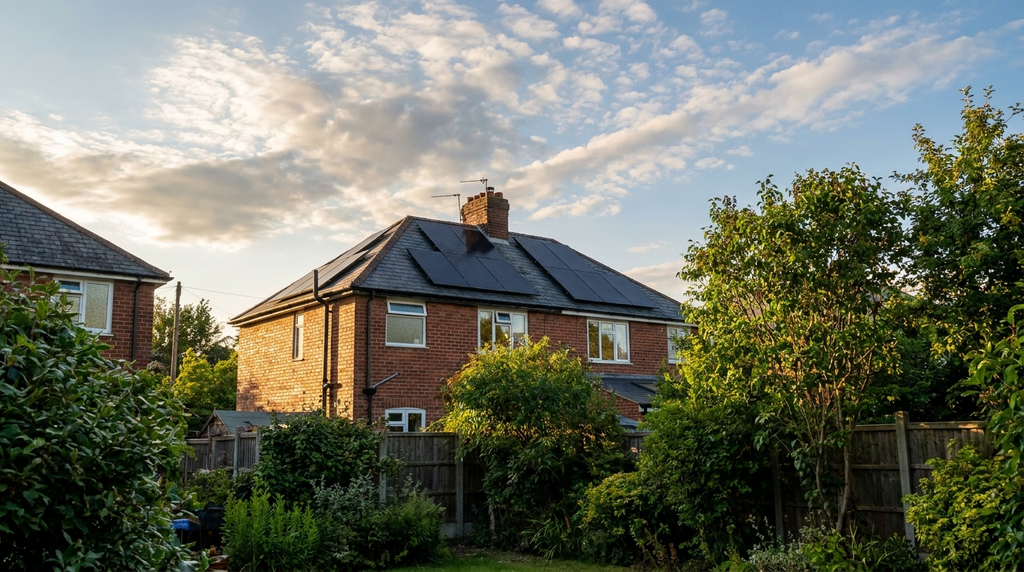
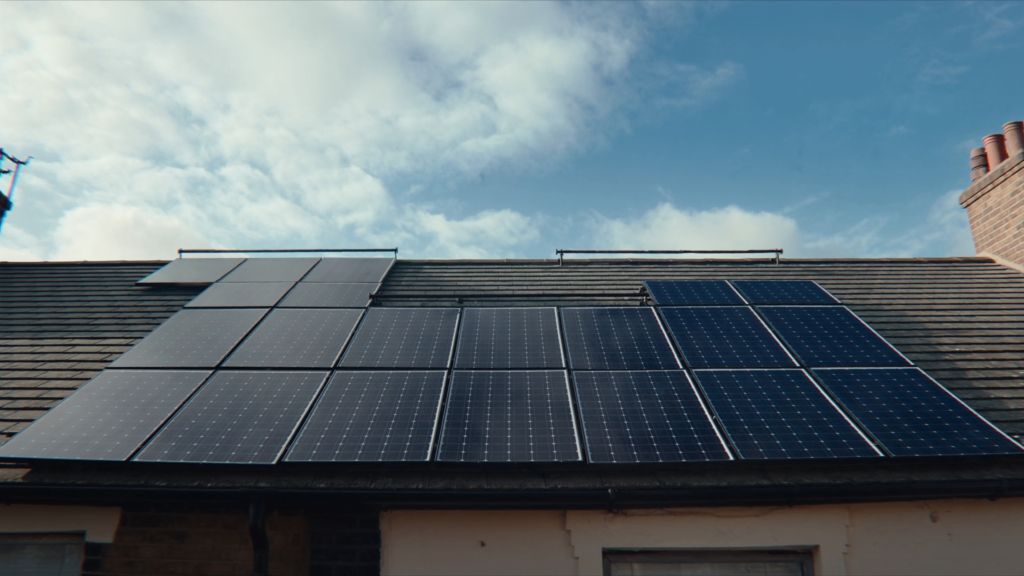
Solar photovoltaic (PV) panels convert daylight into electricity, reducing how much you buy from the grid. South Yorkshire gets around 1,000–1,200 sunshine hours per year, not as sunny as the south coast, but more than enough for solar to make financial sense, especially with a home battery added. A typical 4kW system costs £6,500–£8,500 installed and can save £400–£600 per year.
Heat Pumps
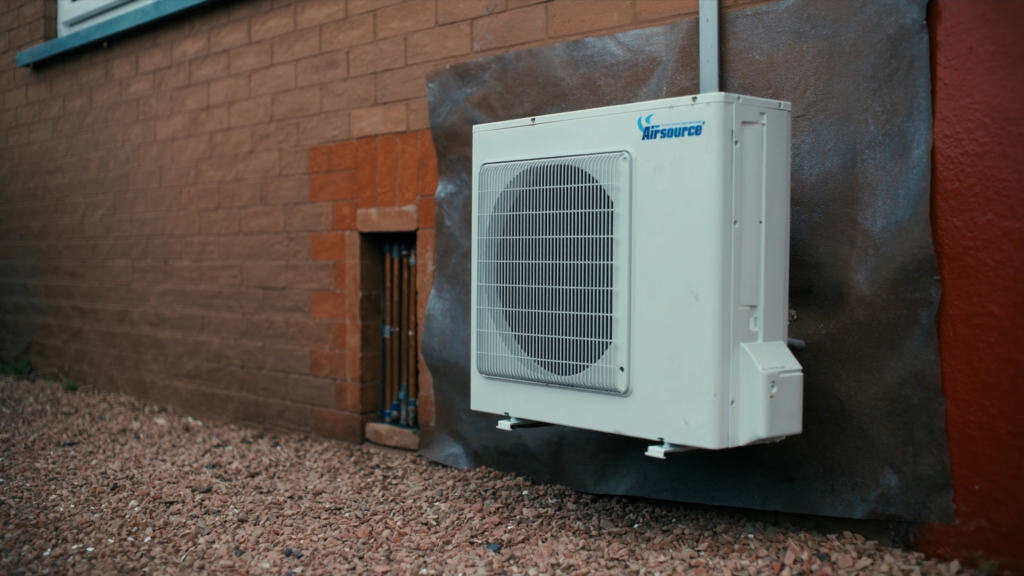
Air source heat pumps extract heat from outside air and use it to warm your home and hot water, even in cold weather. They work best in well-insulated homes, which is why they’re often installed alongside insulation upgrades. Costs typically run £9,000–£14,000 installed before any grant support. The Boiler Upgrade Scheme grant (more on that below) brings this down significantly.
Cavity Wall and Loft Insulation
These are usually the quickest wins. Loft insulation costs as little as £300–£600 for a standard semi-detached and can save £150–£200 per year. Cavity wall insulation typically costs £700–£1,200 and saves a similar amount annually. If your home was built between 1920 and 1990, there’s a good chance both are feasible.
Solid Wall Insulation
For older South Yorkshire terraces with solid walls, external or internal insulation is the answer. It’s more involved, costs range from £8,000–£22,000 depending on the approach and property size, but the savings and comfort improvements are dramatic.
Double and Triple Glazing
Modern A-rated glazing makes a real difference in draughty older homes. Replacing single glazing with double glazing typically costs £4,000–£8,000 for a full house and saves around £100–£200 per year. Triple glazing adds another layer of performance for homes aiming for higher EPC ratings.
Smart Heating Controls and Thermostats
Often overlooked, but one of the cheapest improvements you can make. A smart thermostat costs £150–£300 installed and can cut your heating bills by 10–15% just by learning your patterns and avoiding heating empty rooms.
Typical Eco Improvement Costs for South Yorkshire Homes, A Side by Side Comparison
| Improvement | Terraced House Cost | Semi-Detached Cost | Estimated Annual Saving | Approximate Payback Period |
|---|---|---|---|---|
| Loft insulation (top-up or new) | £300–£500 | £400–£600 | £150–£200 | 2–4 years |
| Cavity wall insulation | £700–£900 | £900–£1,200 | £150–£200 | 4–6 years |
| External solid wall insulation | £10,000–£16,000 | £14,000–£22,000 | £300–£500 | 25–40 years (grant-assisted can halve this) |
| Solar PV panels (4kW system) | £6,500–£7,500 | £7,000–£8,500 | £400–£600 | 12–18 years |
| Air source heat pump | £9,000–£12,000 | £10,000–£14,000 | £300–£700 (varies widely) | 10–20 years (with BUS grant, significantly less) |
| Double glazing (full house) | £4,000–£6,000 | £5,000–£8,000 | £100–£200 | 25–40 years |
| Smart thermostat | £150–£250 | £150–£300 | £100–£180 | 1–2 years |
Practical tip, combining improvements (for example, insulation plus a heat pump) often unlocks better grant funding and gives you a much shorter real-world payback period than tackling each measure in isolation.
Grants and Funding Available to South Yorkshire Homeowners in 2026
There’s a reasonable amount of financial support available if you know where to look. Here’s what South Yorkshire residents can access right now.
The Boiler Upgrade Scheme
This national scheme offers £7,500 off the installed cost of an air source heat pump and £7,500 off a ground source heat pump. You apply through your installer, you don’t need to claim it yourself. Eligibility is straightforward for most owner-occupiers.
ECO4, Energy Company Obligation
ECO4 targets low-income and fuel-poor households. If you receive certain benefits (Universal Credit, Pension Credit, Child Tax Credit, and others) or live in a low EPC-rated home, you may qualify for free or heavily subsidised insulation and heating upgrades. Large energy suppliers are required to fund these works. It’s worth checking your eligibility even if you’re not sure, many South Yorkshire households qualify.
The Great British Insulation Scheme
The Great British Insulation Scheme closed on 31 March 2026. It funded insulation measures only and never covered windows or glazing. Homes with an EPC rating of Band D or below can access support for single insulation measures. Given that the South Yorkshire county average is Band D, a large proportion of local homes may qualify. Income doesn’t always need to be a factor, the EPC band alone can open the door.
Yorkshire and the Humber Regional Programmes
South Yorkshire sits within the Yorkshire and the Humber region, which has historically benefited from regional retrofit funding streams linked to the UK Shared Prosperity Fund and Mayoral Combined Authority investment. The South Yorkshire Mayoral Combined Authority (SYMCA) has supported retrofit programmes targeting fuel-poor households across Sheffield, Rotherham, Barnsley, and Doncaster. Check directly with your local council for the most current programmes, these change as funding rounds open and close.
Local Authority Support
Each of the four main local authorities in South Yorkshire, Sheffield City Council, Rotherham Metropolitan Borough Council, Barnsley Metropolitan Borough Council, and Doncaster City Council, runs or signposts its own energy efficiency support for residents. Sheffield in particular has had active retrofit programmes linked to its net zero ambitions. It’s always worth a direct call or email to your council’s housing or environmental team to ask what’s currently available in your area.
Planning Permission and Local Authority Rules Across South Yorkshire
Most standard eco home improvements fall under permitted development rights, meaning you don’t need planning permission. But there are important exceptions to be aware of across South Yorkshire.
Conservation Areas
South Yorkshire has numerous conservation areas, particularly in Sheffield (Nether Edge, Crosspool, Broomhill), Rotherham town centre, and parts of Barnsley and Doncaster. In these areas, external changes, including external wall insulation, some types of solar panels visible from the street, and replacement windows, may require prior approval or full planning permission. Check with your local planning authority before committing to any external work.
Listed Buildings
If your home is listed (Grade I, II*, or II), you’ll need listed building consent for virtually any structural or external alteration. This applies to some of the older stone terraces in Sheffield’s historic suburbs and properties in market towns across the county. Your installer should always check listing status before starting work.
Solar Panel Rules
Roof-mounted solar panels are usually permitted development on most South Yorkshire homes, provided they don’t protrude more than 200mm from the roof surface and aren’t on a listed building or in certain conservation areas. Always double-check with your council if you’re in any doubt.
Which Council Handles Your Application
- Sheffield, Sheffield City Council Planning Department
- Rotherham and Mexborough, Rotherham Metropolitan Borough Council Planning
- Barnsley, Barnsley Metropolitan Borough Council Planning
- Doncaster, Doncaster City Council Planning
Practical tip, most councils offer a free pre-application advice service. If you’re unsure whether your planned improvement needs permission, a quick email to your council’s planning team can save you a lot of headaches down the line.
How South Yorkshire’s Climate and Geography Shape Your Best Options
South Yorkshire sits in the middle of England, sheltered from the worst of the coastal weather but still subject to proper northern winters. With around 1,500–1,800 heating degree days per year, heating demand is moderate, not as severe as the Scottish Highlands, but definitely enough that good insulation pays for itself.
The county receives 1,000–1,200 sunshine hours annually and typically sees 700–1,000mm of rainfall. The Pennines to the west provide some shelter from Atlantic weather systems, while Doncaster and the eastern parts of the county are more open and can feel colder in winter due to wind chill across the flat plain.
Here’s what this means practically for South Yorkshire homeowners.
- Insulation is your number one priority, With moderate but genuine heating demand, reducing heat loss through walls, loft, and floors gives the fastest and most reliable financial return across the county.
- Solar panels work well here, 1,000 sunshine hours is enough to make solar financially viable, especially combined with a battery. You’ll generate most of your electricity from spring through to early autumn, with worthwhile output year-round.
- Heat pumps are a strong long-term choice, Modern air source heat pumps work efficiently down to temperatures well below freezing, so South Yorkshire’s climate is not a barrier. Properly installed in a well-insulated home, a heat pump can replace a gas boiler effectively and economically.
- Wind turbines are rarely practical, The county’s sheltered position and mostly urban and suburban setting means small domestic wind turbines rarely make sense. Solar and heat pump technology is almost always a better investment.
- External wall insulation in Sheffield’s hillier areas, Homes on exposed slopes in western Sheffield or the