Why Derbyshire Is One of the Most Interesting Counties for Eco Home Improvements
Derbyshire is a county of genuine contrasts. You have the wild moorland and limestone dales of the Peak District sweeping across the west and north, then market towns like Bakewell and Matlock sitting in river valleys, and then the more urban, industrial character of Derby, Chesterfield, and Ilkeston in the east. It’s this variety, in landscape, in housing, and in community, that makes eco home improvements here such an interesting subject.
The county has a long industrial heritage, which means a lot of its housing stock is old. Victorian terraces, Edwardian semis, and inter-war properties are common across many towns. These homes were built for coal fires and thick walls, not energy efficiency. That’s actually good news for homeowners today, there’s a huge amount of low-hanging fruit for reducing energy waste and cutting bills.
With nearly 500,000 residents spread across nine towns and a great deal of rural land in between, Derbyshire has a more community-focused, close-knit feel than some of its East Midlands neighbours. Installers here often serve multiple towns across the county, and local councils have been increasingly active in supporting residents with fuel poverty programmes. If you’re a Derbyshire homeowner wondering whether eco improvements are worth it, the honest answer is almost always yes.
What the Average EPC Band D Really Means for Derbyshire Homeowners
Derbyshire sits right at the national average for energy performance, with the typical home rated EPC Band D. That sounds middling, and in truth it is, Band D means your home is losing more heat than it should, and you’re probably paying more than necessary to keep it warm.
In practical terms, a Band D home in Derbyshire with average gas usage of 12,356 kWh per year and average electricity usage of 3,233 kWh per year is likely spending somewhere between £1,600 and £2,100 annually on energy bills, depending on tariff and property size. That’s a significant household expense, and a good chunk of it is money leaving through poorly insulated walls, lofts, and windows.
Different parts of the county tell quite different stories for energy efficiency.
- Buxton and the Peak District fringe, Higher altitude, colder winters, and a high proportion of older stone-built properties. These homes often have solid walls rather than cavity walls, which makes insulation more complex and expensive. Energy bills here can run noticeably higher than the county average.
- Chesterfield and Ilkeston, Large amounts of Victorian and Edwardian terraced housing. These properties tend to have older boilers, single-glazed windows in some cases, and poor loft insulation. Often the easiest and most cost-effective homes to upgrade.
- Derby city, More varied housing stock. Newer estates from the 1970s onward with cavity walls are easier to treat, while the inner-city older terraces share similar challenges to Chesterfield.
- Bakewell, Matlock, and Wirksworth, Picturesque but often inefficient. Stone and limestone construction is beautiful but thermally poor. Conservation area restrictions also add a layer of planning complexity.
- Belper and Long Eaton, A mix of inter-war semis and newer builds. Cavity wall insulation, loft insulation, and solar panels are often straightforward here.
Moving from Band D to Band C alone could save a typical Derbyshire household £300 to £600 per year, and reaching Band B or above, which is achievable for many properties with a package of improvements, could push annual savings well beyond £800.
Eco Home Services Available Across Derbyshire, What You Can Actually Get Done
If you’re in a terraced house in Ilkeston or a detached stone cottage near Wirksworth, there’s a range of eco improvements available. Here’s an honest overview of what each involves and what it’s likely to cost.
Solar Panels
Derbyshire gets around 1,000 to 1,200 sunshine hours per year, which puts it close to the national average. Solar panels absolutely work here, don’t let the grey days fool you. A typical 4kW system costs between £6,000 and £8,500 installed, and can generate enough electricity to cover a good portion of your annual usage, especially if you’re home during the day or add battery storage.
Heat Pumps
Air source heat pumps are increasingly popular across Derbyshire, particularly in homes where gas is expensive to run or where the boiler is ageing. A typical installation costs £8,000 to £14,000, though the Boiler Upgrade Scheme (BUS) grant of £7,500 brings this down significantly. Ground source heat pumps are more suited to the larger rural properties in the Peak District fringe, but cost more, typically £20,000 to £35,000.
Cavity Wall Insulation
Many post-1920s homes in Derby, Chesterfield, Long Eaton, and Belper have unfilled cavity walls. This is one of the cheapest and most effective upgrades available, often costing just £400 to £900 for a semi-detached property and paying back within two to four years through reduced heating bills.
Solid Wall Insulation
Older stone and brick homes, common in Buxton, Bakewell, and Matlock, need external or internal wall insulation instead. This is more expensive, ranging from £8,000 to £22,000 depending on property size and method, but the savings are substantial in draughty older homes.
Loft Insulation
If your loft insulation is below 270mm, topping it up is one of the best-value things you can do. Costs run from £300 to £600 for a typical semi, and annual savings of £150 to £250 are realistic. The Great British Insulation Scheme closed on 31 March 2026. It funded insulation measures only and never covered windows or glazing.
Double and Triple Glazing
Replacing old single-glazed or early double-glazed windows improves comfort and reduces heat loss. Costs vary widely, from £3,000 to £9,000 for a whole house, and savings depend on your existing windows, but expect £100 to £300 per year back in energy costs.
EPC Assessments
Before anything else, it’s worth getting an up-to-date EPC assessment. This costs around £60 to £120 and gives you a clear picture of where your home is losing energy and which improvements will have the biggest impact.
Cost Comparison for Eco Improvements Across Different Derbyshire Home Types
| Improvement | Terraced (e.g. Chesterfield) | Semi-Detached (e.g. Derby) | Detached (e.g. Bakewell) | Typical Annual Saving | Approximate Payback Period |
|---|---|---|---|---|---|
| Cavity Wall Insulation | £400 – £700 | £500 – £900 | £700 – £1,200 | £150 – £280 | 3 – 5 years |
| Loft Insulation (top-up) | £300 – £450 | £350 – £550 | £450 – £700 | £150 – £250 | 2 – 4 years |
| Solar Panels (4kW) | £6,000 – £7,500 | £6,500 – £8,000 | £7,000 – £8,500 | £400 – £700 | 10 – 15 years |
| Air Source Heat Pump | £8,000 – £12,000 | £9,000 – £13,000 | £10,000 – £14,000 | £300 – £800 | 12 – 18 years (before grant) |
| External Wall Insulation | £8,000 – £14,000 | £10,000 – £17,000 | £14,000 – £22,000 | £300 – £600 | 20 – 35 years |
| Double Glazing (full house) | £3,000 – £5,500 | £4,000 – £7,000 | £5,500 – £9,000 | £100 – £300 | 20 – 35 years |
A quick note on payback periods, these figures assume no grants are applied. The Great British Insulation Scheme closed on 31 March 2026. It funded insulation measures only and never covered windows or glazing. More on that below.
Grants and Funding Available to Derbyshire Residents in 2026
There’s a reasonable amount of financial support available if you know where to look. Here’s an honest breakdown of what’s on offer and who qualifies.
ECO4 (Energy Company Obligation)
ECO4 is the government’s flagship scheme for lower-income households and those in fuel poverty. It funds insulation, heating upgrades, and sometimes heat pumps, often at no cost to the homeowner. You’re likely to be eligible if you receive benefits such as Universal Credit, Pension Credit, or Child Tax Credit, or if your home is EPC Band D or below. Several areas within Derbyshire, including parts of Chesterfield, Derby, and Ilkeston, have active fuel poverty programmes that feed into ECO4 delivery.
Great British Insulation Scheme (GBIS)
GBIS has a broader reach than ECO4. It covers homes rated EPC Band D or below (which is the county average for Derbyshire) and extends to some middle-income households. It focuses specifically on insulation, loft, cavity wall, and some solid wall insulation. If your home is Band D and you haven’t had insulation work done recently, it’s worth checking your eligibility.
Boiler Upgrade Scheme (BUS)
The BUS grant of £7,500 is available to any homeowner in England replacing a fossil fuel boiler with an air source heat pump. There’s no income threshold, this is open to all. Given that heat pump installations in Derbyshire typically run from £9,000 to £14,000, this grant makes a real dent. Ground source heat pump replacements attract £7,500 as well.
Warm Homes Local Grant
The Warm Homes Local Grant is delivered through local councils and targets owner-occupiers and private renters in lower-income households. Derbyshire County Council and the city of Derby have been involved in administering local versions of this scheme. Eligible improvements can include insulation, glazing, heat pumps, and solar panels. Check with your specific district or borough council for the most current eligibility details, as allocations and criteria can vary across the county’s districts.
Local Authority and Council Support
Derbyshire has nine district and borough councils alongside the county council, and several run their own fuel poverty and energy efficiency programmes. Amber Valley Borough Council, Erewash Borough Council (covering Ilkeston and Long Eaton), and Derbyshire Dales District Council have all had active energy advice and referral services. Derby City Council is a unitary authority with its own energy support programmes. It’s always worth a direct conversation with your local council’s housing team.
Planning Permission and Local Authority Considerations Across Derbyshire
For most eco improvements, you won’t need planning permission at all. Loft insulation, cavity wall insulation, and internal improvements are almost always permitted development. But there are some important exceptions to know about in Derbyshire.
The Peak District National Park
This is the big one. Parts of Buxton, Bakewell, Matlock, and Wirksworth fall within or very close to the Peak District National Park. The Peak District National Park Authority handles planning applications for properties within the park boundary, not the local district councils. Permitted development rights can be more restricted here, and external changes including solar panels and external wall insulation may need full planning permission. Always check with the Park Authority before commissioning any external works.
Conservation Areas
Derbyshire has a significant number of conservation areas, particularly in historic market towns like Bakewell, Wirksworth, and parts of Chesterfield and Derby. In conservation areas, permitted development rights for things like solar panels (visible from the street) and external cladding are often restricted. Your local council’s planning department can confirm what applies to your specific property.
Listed Buildings
Listed buildings, common in the older stone settlements across the county, require listed building consent for most internal and external alterations. This doesn’t mean eco improvements are impossible, but it does mean you’ll need specialist advice and a sympathetic approach. Internal wall insulation, for example, is often more feasible than external cladding on a listed property.
Which Council Handles Your Application
Derbyshire’s planning is divided between several authorities. Derby City Council is a unitary authority covering Derby. The rest of the county is divided between Amber Valley, Bolsover, Chesterfield Borough Council, Derbyshire Dales, Erewash, High Peak, North East Derbyshire, and South Derbyshire district and borough councils, with the Peak District National Park Authority having jurisdiction over the national park area regardless of which district it sits in.
How Derbyshire’s Climate and Geography Shape Your Best Options
Derbyshire’s climate is broadly moderate, central England rather than exposed coast, but there’s significant variation within the county that really does affect which eco improvements make most sense for your home.
Buxton, sitting at around 300 metres above sea level, is one of the wettest and coldest towns in England. Homes here see more heating degree days than anywhere else in the county, which means insulation and efficient heating genuinely pay back faster than the averages suggest. If you’re in Buxton, solid wall insulation and a heat pump are a particularly compelling combination.
The valley towns, Matlock, Bakewell, Belper, sit lower but can be affected by cold air pooling in the dales on still winter nights. These homes benefit enormously from draught-proofing and good glazing as well as insulation.
Towns in Derbyshire
Services in Derbyshire
Windows & Glazing
Solar Panels
Boilers & Heating
Home Insulation
Energy Saving
Government Grants
Nearby Counties
32.6 km away
43.3 km away
45.4 km away
50.9 km away
67.3 km away
68.5 km away
Frequently Asked Questions About Eco Home Services in Derbyshire – Energy Saving Solutions
Derbyshire homeowners can currently access the Warm Homes Plan funding, which replaced the previous ECO scheme and offers support for insulation, heat pumps, and solar panels for eligible households. Homes sitting at EPC Band D or below are well placed to qualify, and your local council, whether that is Derbyshire County Council or a district authority, can point you toward approved assessors. It is worth getting a free eligibility check done before spending anything, as many Band D homes in the East Midlands qualify for significant contributions toward upgrade costs.
In Derbyshire, a typical air source heat pump installation in 2026 runs between £8,000 and £15,000 depending on the size of your home and the complexity of the fit. The Boiler Upgrade Scheme still provides a £7,500 grant toward this cost, meaning many East Midlands homeowners are paying well under £5,000 out of pocket after support. Peak District and rural Derbyshire properties sometimes face slightly higher labour costs due to access, so always get at least three quotes from local MCS-certified installers.
The safest way to find a reliable installer in Derbyshire is to look for tradespeople registered with MCS (Microgeneration Certification Scheme) for renewables, or TrustMark for insulation and retrofit work, as these are the accreditations required for grant-funded projects in 2026. The Midlands Net Zero Hub also maintains a directory of vetted local contractors across the East Midlands region. Asking your installer for references from nearby Derbyshire jobs is always a smart move, especially for rural or older stone properties that need specialist knowledge.
Many traditional stone and brick properties across Derbyshire, including those in villages around the Peak District and Dales, can absolutely benefit from eco upgrades, though they do need a more careful approach than modern builds. A qualified retrofit assessor will carry out a PAS 2035 assessment to make sure any insulation fitted does not trap moisture in solid walls, which is a real concern with older Derbyshire homes. The good news is that in 2026 there are more breathable, heritage-compatible insulation products available than ever before, so upgrades need not harm your home's character or structure.
For a typical Band D home in the East Midlands, moving up to a Band C rating often takes just one or two targeted improvements, such as loft insulation and a smart heating upgrade, and the physical work can usually be completed within a few days. Getting your updated EPC certificate issued afterward normally takes one to two weeks once an accredited assessor has visited. Many Derbyshire homeowners find that tackling the highest-impact measures first, guided by their EPC report, gives them the fastest and most cost-effective route to that Band C rating.
Solar panels in Derbyshire do generate meaningful electricity even with the region's famously changeable weather, as modern panels respond to daylight rather than direct sunshine alone. Derbyshire properties typically generate around 850 to 950 kWh per kWp of installed capacity each year, which is only slightly below the UK average and still delivers solid savings on energy bills. Pairing panels with a home battery, which has become much more affordable in 2026, means households can store daytime generation and use it through the evening, making solar a very practical choice across the East Midlands.
Featured eco home guides.

Solar control glass for south-facing rooms UK
Solar control glass cuts summer heat gain by up to 77% in south-facing UK rooms, reducing peak temperatures by 5–7°C without compromising winter heat retention. It costs £80–£150 per square…
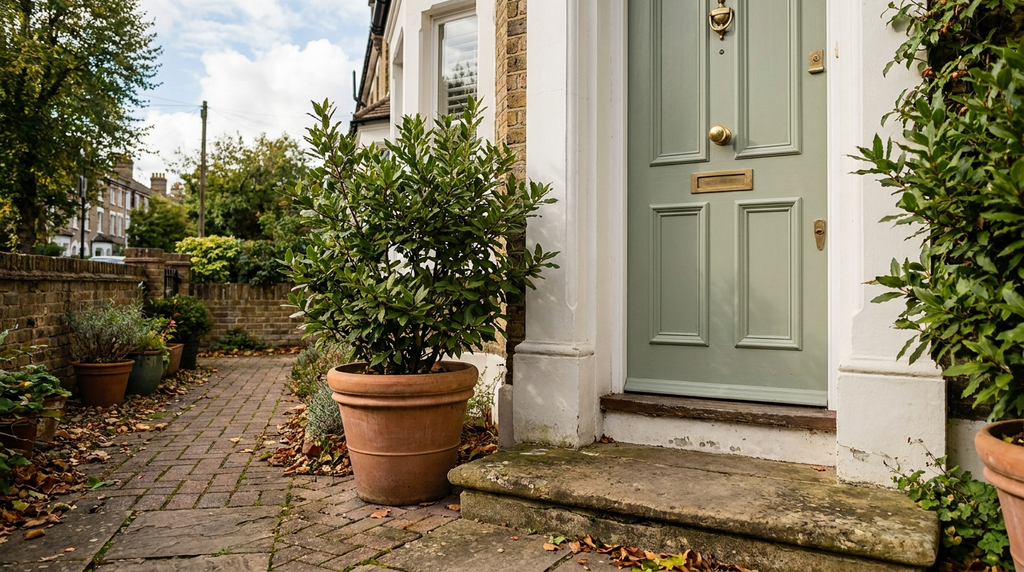
Door Draught Seals and Weatherstripping, A UK Guide
Door draught seals cost £15-£30 per door for DIY materials and save £25-£40 per year on heating bills, according to the Energy Saving Trust. They are one of the cheapest…

Smart glass and electrochromic glazing for UK homes
Smart glass costs £350–£700 per m² installed, 2–3× more than standard double glazing at £180–£250. Electrochromic glass can cut heating demand by up to 12% for south-facing rooms, but standard…

Bay window replacement costs and styles UK
Bay window replacement cost for a three-panel bay is £2,500–£6,000. uPVC is the cheapest option at £2,500–£4,000, while timber and aluminium cost more. Labour adds 30–40% to the total.

Composite vs uPVC front doors compared 2026
Composite doors cost £1,200–£2,200 and uPVC doors £500–£1,200 installed in 2026. Composite offers better insulation (U-value 1.2 vs 1.6 W/m²K), saving £50–£90 yearly on heating, with a payback period of…
Secondary glazing for listed buildings UK
Secondary glazing for listed buildings costs £250-£700 per window installed, roughly half the price of full double glazing. It cuts heat loss by up to 60% and requires no planning…
Get Eco Home Quotes in Derbyshire
Compare quotes from trusted local eco home installers. No obligation.
Get a Free Quote