Cheshire, A County Worth Investing In
Cheshire is one of those counties that tends to get overlooked in conversations about green energy and home improvement. Sandwiched between the urban sprawl of Greater Manchester and Merseyside to the north and the rural quiet of Shropshire to the south, it occupies a quietly distinctive corner of the North West, and it’s full of homes that are ripe for improvement.
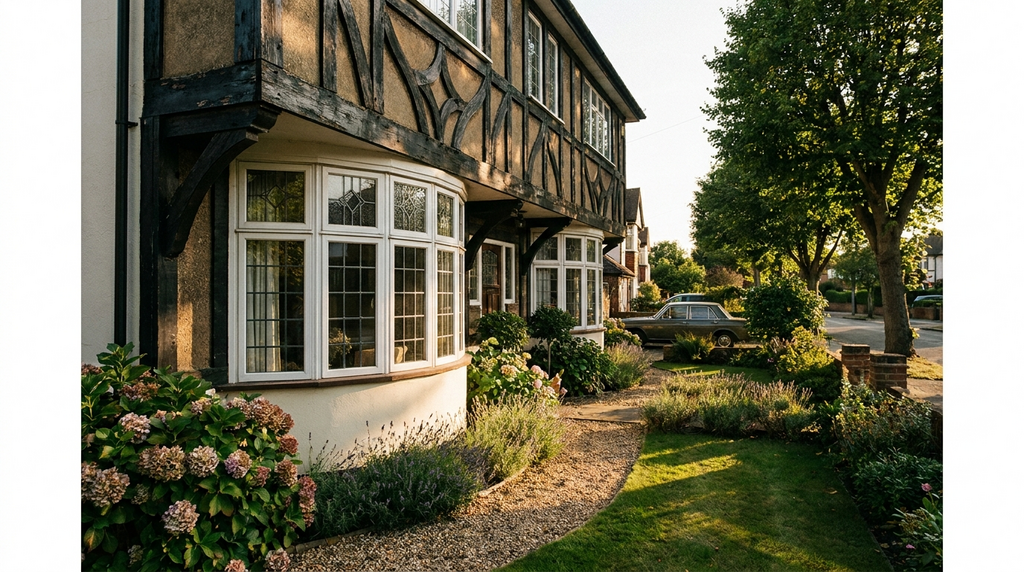
The county stretches from the old Roman walls of Chester in the west to the Pennine foothills around Macclesfield in the east. In between, you’ll find a fascinating mix of market towns, commuter villages, Georgian townhouses, and rows of Victorian terraces. That variety matters when you’re thinking about eco improvements, because no single solution fits every home here.
With 537,218 residents spread across 11 major towns and a patchwork of rural communities, Cheshire has enough population to attract good installer coverage, but it’s not so densely built-up that you’re competing with thousands of others for the same few tradespeople. That’s genuinely useful when you’re trying to get work done at a sensible price.
The county sits within the Cheshire East and Cheshire West and Chester local authority areas (plus Warrington as a unitary authority), each with slightly different approaches to planning and sustainability. Understanding which council covers your home is the first practical step before you start any project.
And the case for acting is real. Cheshire homes average EPC Band D, which means most households are spending significantly more on energy than they need to. The good news is that Band D is also the sweet spot where targeted improvements can make the biggest measurable difference to your bills and your carbon footprint.
How Energy Efficient Are Cheshire Homes Really
Band D sounds abstract until you put a number on it. The average Cheshire household uses 11,682 kWh of gas per year and 3,055 kWh of electricity. At current tariffs, that works out to roughly £1,550 to £1,750 a year on energy bills for a typical semi-detached home, and that’s before any particularly cold winters or rising wholesale prices bite.
Band D sits right at the national average, which tells you something useful. Cheshire isn’t in desperate shape like some areas with dense Victorian back-to-back terraces, but it’s also nowhere near as efficient as it could be. Most homes have at least two or three significant improvements available that would genuinely shift their bills.
The picture does vary quite a bit across the county though. Here’s a rough breakdown of where different areas tend to sit:
- Chester and its surrounding villages contain a high proportion of listed buildings, Georgian townhouses, and pre-1919 stone or brick properties. These are often the hardest to insulate and the most energy-hungry. Internal wall insulation tends to be the only realistic option where external work isn’t permitted.
- Macclesfield and the eastern fringes sit higher in elevation, experience cooler temperatures, and tend to have a mix of Victorian terraces and post-war semis. Heating demand here is slightly above the county average.
- Crewe, Winsford, and Northwich have large amounts of post-war council-built and social housing stock, where cavity wall insulation and loft upgrades have often already been installed, but may be ageing or poorly installed.
- Knutsford, Sandbach, and Nantwich skew toward larger detached homes with higher energy use in absolute terms, though they’re often better insulated. These homes can see the biggest absolute savings from solar and heat pump installations.
- Frodsham, Middlewich, and Warrington are a mixed bag, some newer builds performing well, some older housing stock dragging the average down.
If your home was built before 1970, there’s a very good chance it’s losing heat through the walls, roof, or floor in ways that a few targeted upgrades could fix. That’s not a criticism, it’s an opportunity.
The Full Range of Eco Home Services Available to You
The eco home sector has matured enormously in recent years, and across Cheshire you now have access to a comprehensive range of services. Here’s a plain-English summary of what’s available and what each one actually does for you.
Solar Panels
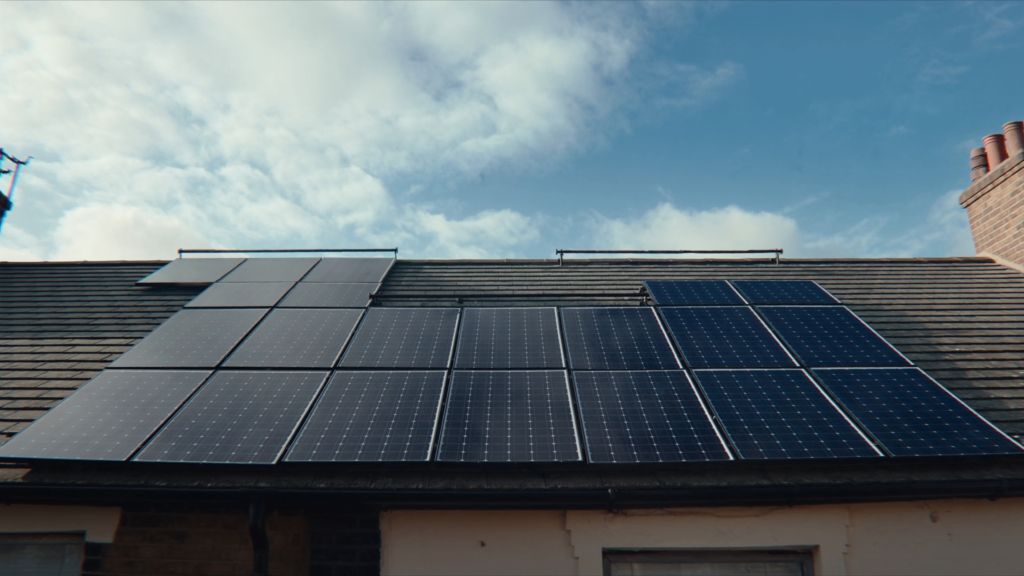
Solar photovoltaic (PV) panels generate electricity from daylight, not just direct sunshine, which is important in the North West. Cheshire gets around 1,000 to 1,200 sunshine hours per year, which is enough to make a meaningful difference. A typical 4kW system on a south-facing roof could generate around 3,200 to 3,600 kWh annually, offsetting a significant chunk of your electricity bill.
Heat Pumps
Air source heat pumps are becoming increasingly common across Cheshire, particularly in homes that are upgrading away from gas boilers. They work by extracting heat from outside air, even in cold weather, and using it to heat your home and hot water. They perform best in well-insulated homes, so they often work hand-in-hand with an insulation upgrade.
Insulation
This is often the most cost-effective first step. Loft insulation, cavity wall insulation, and solid wall insulation (for older homes) all reduce the amount of heat your home loses. Cheshire’s relatively moderate winters mean that insulation improvements here tend to show solid, consistent returns rather than the dramatic paybacks you’d see in harsher climates, but they’re still very worthwhile.
Double and Triple Glazing
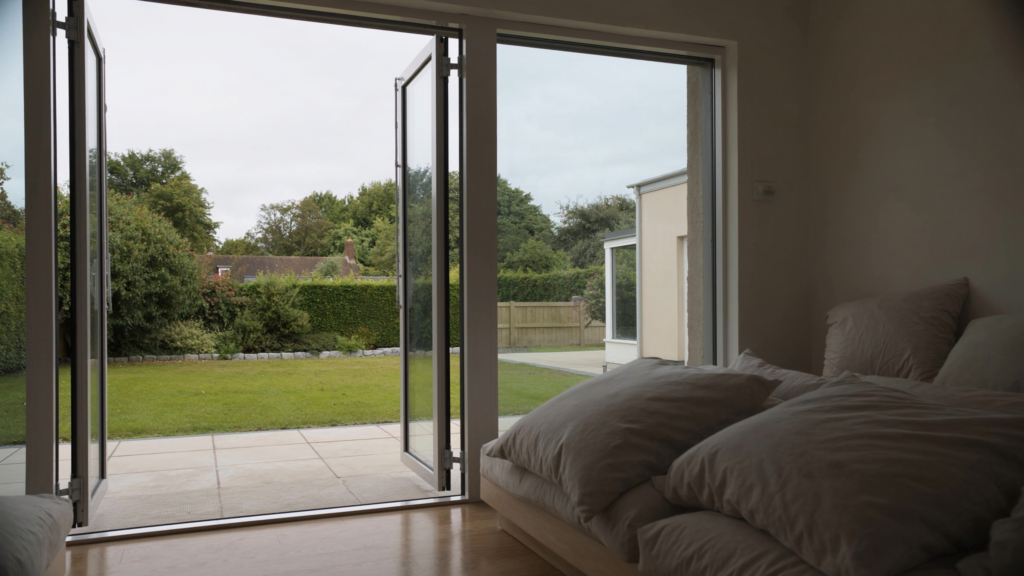
Upgrading from single glazing or old double glazing can make a noticeable difference to draughts and heat retention. It also reduces condensation and noise, particularly valuable in the busier town centres like Warrington and Chester.
Energy Efficiency Upgrades
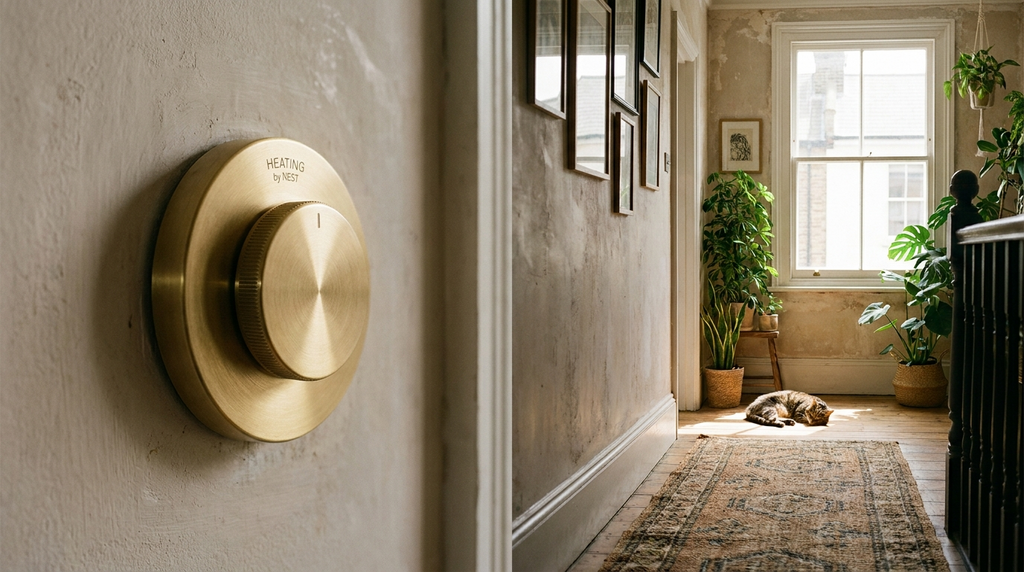
This covers everything from smart thermostats and heating controls to LED lighting, hot water cylinder insulation, and draught-proofing. These tend to be low-cost, quick-win improvements that complement bigger projects.
Battery Storage
If you’re installing solar panels, adding a battery storage system lets you store surplus electricity generated during the day and use it in the evening. This significantly improves the return on your solar investment.
Typical Costs and Savings Across Common Cheshire Property Types
Real numbers matter when you’re planning home improvements. The table below gives you honest, realistic estimates for the most common upgrades across the three main property types found across Cheshire. These are 2026 figures based on current installer pricing in the North West region.
| Improvement | Terraced House | Semi-Detached | Detached House |
|---|---|---|---|
| Loft Insulation | £400, £600 | £500, £700 | £600, £900 |
| Cavity Wall Insulation | £600, £900 | £700, £1,100 | £900, £1,400 |
| Solid Wall Insulation (external) | £8,000, £13,000 | £10,000, £16,000 | £14,000, £22,000 |
| Solar PV (4kW system) | £6,500, £8,500 | £6,500, £8,500 | £7,000, £10,000 |
| Air Source Heat Pump | £8,000, £13,000 | £9,000, £14,000 | £10,000, £16,000 |
| Double Glazing (full house) | £4,000, £7,000 | £5,000, £9,000 | £7,000, £14,000 |
| Battery Storage (add-on) | £2,500, £4,500 | £2,500, £4,500 | £3,000, £5,500 |
And here’s how those investments tend to pay back over time for a typical Cheshire semi-detached home.
| Improvement | Typical Annual Saving | Estimated Payback Period | EPC Band Improvement |
|---|---|---|---|
| Loft Insulation | £150, £250 | 3, 5 years | D to C or better |
| Cavity Wall Insulation | £200, £350 | 3, 5 years | D to C |
| Solid Wall Insulation | £400, £600 | 18, 30 years | E or D to C or B |
| Solar PV (4kW) | £600, £900 | 8, 12 years | D to C or B |
| Air Source Heat Pump | £300, £700 | 12, 18 years | D to B (if replacing gas) |
| Double Glazing | £100, £200 | 25, 40 years | Modest improvement |
Heat pump savings vary the most, they depend heavily on how well-insulated your home already is and what fuel you’re replacing. If you’re on oil or LPG rather than mains gas, the savings from switching to a heat pump are often substantially higher.
Grants and Funding Available to Cheshire Homeowners in 2026
The funding landscape has evolved, but there’s still meaningful financial support available if you know where to look. Here’s what’s open to Cheshire residents right now.
The Boiler Upgrade Scheme
The Boiler Upgrade Scheme (BUS) offers a £7,500 grant toward the cost of an air source heat pump, or £7,500 toward a ground source heat pump. This comes off the installer’s quote, so you never see the money, it just reduces what you pay. You need to own your home and have a valid EPC with no outstanding loft or cavity wall insulation recommendations.
ECO4
The Energy Company Obligation (ECO4) scheme targets lower-income households and properties with poor energy ratings. If your home is EPC Band D or below and you’re on certain qualifying benefits, you may be eligible for fully funded insulation, heating upgrades, or even heat pump installations. Cheshire West and Chester and Cheshire East both have areas where ECO4 take-up has been significant, particularly in Crewe, Winsford, and parts of Northwich.
Great British Insulation Scheme
The Great British Insulation Scheme closed on 31 March 2026. It funded insulation measures only and never covered windows or glazing. It covers single insulation measures, typically loft or cavity wall insulation. A good starting point for many Cheshire homes.
North West and Regional Support
The Greater Manchester Combined Authority retrofit programme has influenced neighbouring areas, and Cheshire councils have developed their own area-based improvement schemes. Cheshire West and Chester Council has run targeted retrofit programmes in partnership with registered social landlords, with some spillover support for private homeowners in qualifying postcodes. It’s worth contacting your local council directly to ask what’s currently running, these schemes come and go, and a phone call can save you thousands.
Warm Homes – Local Grant
This scheme channels funding through local authorities to reach fuel-poor households. Cheshire East and Cheshire West and Chester have both accessed this funding stream, with Warrington Borough Council also running its own version. Eligibility is based on household income and current EPC rating, typically targeting Bands D, E, F, and G.
Practical tip, always get an EPC assessment before applying for grants. Some schemes require a current EPC (less than 10 years old), and your rating directly affects which schemes you qualify for.
Planning Permission and Local Authority Rules Across Cheshire
Most common eco home improvements fall under what’s called Permitted Development, meaning you don’t need planning permission. But Cheshire has a few wrinkles worth knowing about before you start.
Which Councils Cover Cheshire
The county is split between three main planning authorities. Cheshire East Council covers the eastern half including Macclesfield, Crewe, Nantwich, Knutsford, Sandbach, and Middlewich. Cheshire West and Chester Council covers the western portion including Chester, Northwich, Frodsham, and Winsford. Warrington Borough Council handles Warrington as a unitary authority in its own right.
Conservation Areas and Listed Buildings
Chester in particular has extensive conservation areas, both within the city walls and in surrounding historic villages. If your home is in a conservation area, you may need planning permission for external changes including solar panels, external wall insulation, or new windows. Listed buildings require Listed Building Consent for almost any structural or external change, and this applies to a surprising number of properties across Cheshire’s market towns.
Knutsford, Nantwich, and Frodsham all have conservation area designations covering significant portions of their historic centres. It’s always worth checking with your local planning authority before committing to an installer.
What Typically Doesn’t Need Permission
- Solar panels on a roof that isn’t a listed building and doesn’t face a highway
- Air source heat pumps on non-listed homes (subject to conditions on size and placement)
- Loft insulation and cavity wall insulation (