Why Shropshire Is a County Worth Talking About When It Comes to Eco Homes
Shropshire is one of England’s most quietly distinctive counties. Bordered by Wales to the west, it stretches from the industrial edges of Telford in the east to the wild uplands of the Long Mynd and the Stiperstones near Church Stretton. It’s a county of extraordinary contrasts, ancient market towns, Georgian townhouses, Victorian terraces, and post-war estates all sitting within a few miles of each other.
That variety matters enormously for eco home improvements. A stone cottage in Ludlow faces completely different challenges to a 1950s semi in Telford or a detached farmhouse outside Market Drayton. There’s no one-size-fits-all answer here, and that’s exactly why getting county-specific advice makes such a difference.
With a population of just over 283,540 residents spread across seven main towns and a vast rural hinterland, Shropshire has more of a community character than its urban West Midlands neighbours. Installers here often serve multiple towns in a single working week, and local knowledge, about soil types, planning sensitivities, and housing stock quirks, genuinely shapes what gets recommended and what works.
The county also carries a quiet energy efficiency challenge. Rural properties without mains gas connections are more common here than the national average, meaning many households rely on oil, LPG, or even solid fuel. Those homes often have the most to gain from modern eco improvements, and in many cases, the strongest financial case for switching.
Understanding Shropshire’s Energy Performance, and What It Costs You Right Now
The county average EPC rating across Shropshire sits at Band D, right in line with the national average, which tells you something useful. This isn’t a county with unusually poor housing stock, but it’s also not one that’s stormed ahead on energy efficiency. There’s a lot of comfortable middle ground, and a lot of room to improve.
What Band D actually means on your energy bill is worth spelling out. Based on Shropshire’s average annual gas usage of 11,914 kWh and electricity usage of 3,157 kWh, a typical household is spending somewhere in the region of £1,600 to £2,100 per year on energy, depending on if you’re on a fixed tariff or paying standard variable rates.
Improve that home to Band C and you’d realistically expect to cut that bill by £350 to £600 annually. Reach Band B through a combination of insulation, solar, and a heat pump, and you could be looking at savings of £800 to £1,200 a year, sometimes more for larger detached properties.
How Different Parts of the County Compare
Not every part of Shropshire starts from the same baseline. The picture varies quite significantly depending on where you live.
- Telford, Much of Telford’s housing was purpose-built from the 1960s onwards as part of the new town development. That means a lot of cavity wall construction that’s ideal for insulation, but also design quirks like non-standard wall thicknesses that occasionally need specialist assessment.
- Shrewsbury, The county town has a real mix. The historic centre contains listed buildings and conservation area properties that need careful handling. The surrounding suburbs include solid Victorian and Edwardian terraces, plus a healthy number of 1930s semis that are strong candidates for insulation and solar.
- Ludlow and Church Stretton, These towns sit in and around Areas of Outstanding Natural Beauty. Older stone and timber-framed properties dominate. Thermal performance is often lower here, and planning sensitivity is higher, but the savings potential is substantial.
- Oswestry and Market Drayton, More rural character, higher proportion of properties off the gas grid, and a strong case for heat pumps and solar given the fuel switching savings available.
- Bridgnorth, A historic market town with a mix of Georgian and Victorian properties in the centre and newer housing on the outskirts. The low-rise character of much of the town means solar access is generally good.
The Full Range of Eco Home Services Available Across Shropshire
Whatever type of property you’re in, there’s likely at least one upgrade that could make a meaningful difference to your comfort and your bills. Here’s an honest overview of what’s available and what to expect.
Solar Panels
Solar photovoltaic (PV) systems are one of the most popular upgrades across the county, and with good reason. Shropshire receives around 1,000 to 1,200 sunshine hours per year, broadly in line with the national average, which makes solar a reliable investment. A typical 4kWp system costs between £6,000 and £8,500 installed, and can generate around 3,400 to 3,800 kWh annually. Pair it with a battery and you’ll use more of what you generate.
Heat Pumps
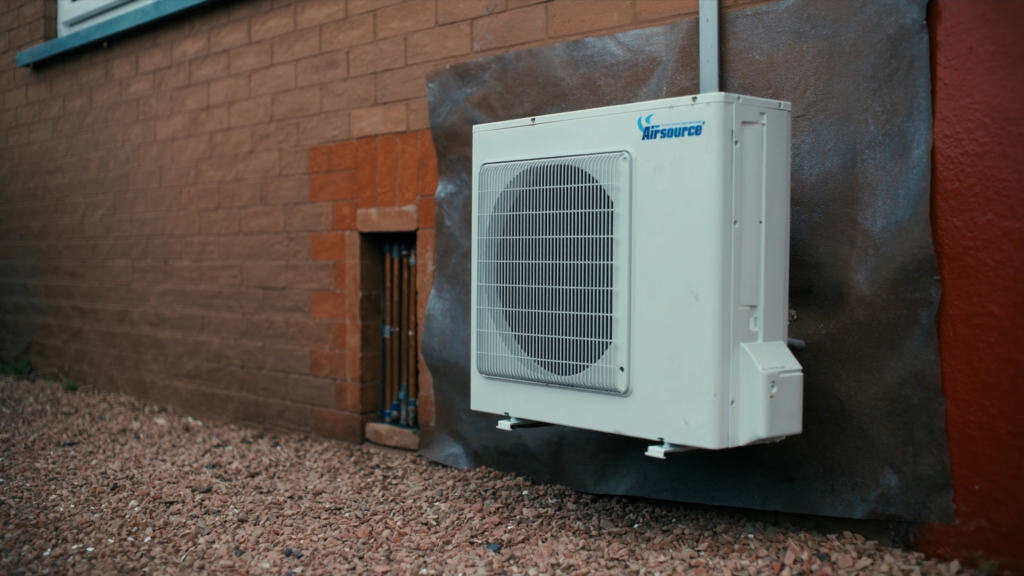
Air source heat pumps are increasingly common across Shropshire, particularly in properties off the gas grid. They work by extracting heat from outside air and are effective even in cold winters. A typical installed cost runs from £8,000 to £14,000, though the Boiler Upgrade Scheme (BUS) grant brings that down considerably. Ground source heat pumps are more suitable for larger rural properties and cost more, typically £18,000 to £30,000, but deliver excellent efficiency.
Cavity and Solid Wall Insulation
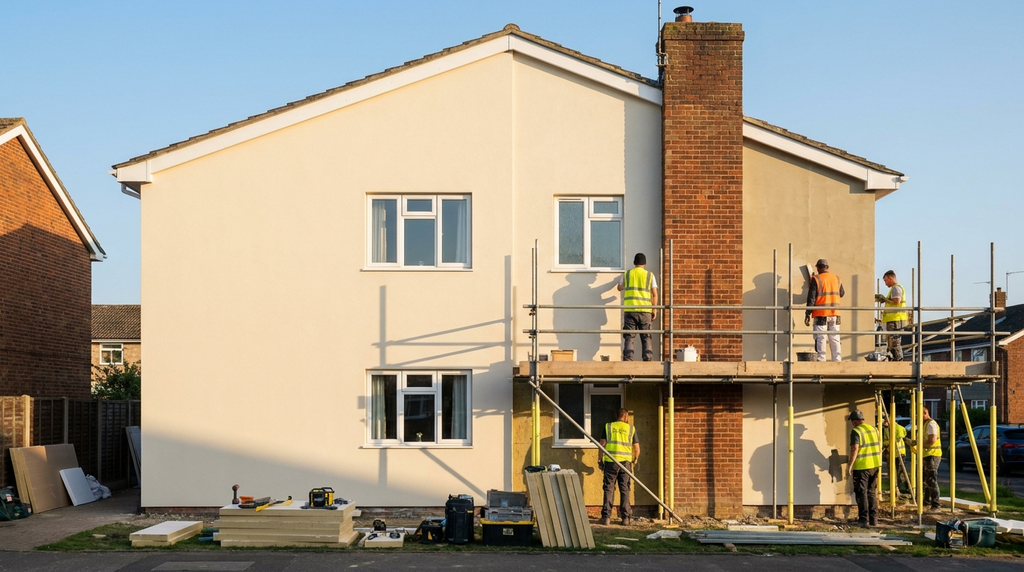
Cavity wall insulation is one of the fastest-payback upgrades available, typically costing £500 to £1,200 for a semi-detached home. Solid wall insulation, common in older Shropshire properties, is more expensive at £7,000 to £18,000 depending on whether it’s fitted internally or externally, but the savings on heating bills can be dramatic in previously cold stone homes.
Loft and Floor Insulation
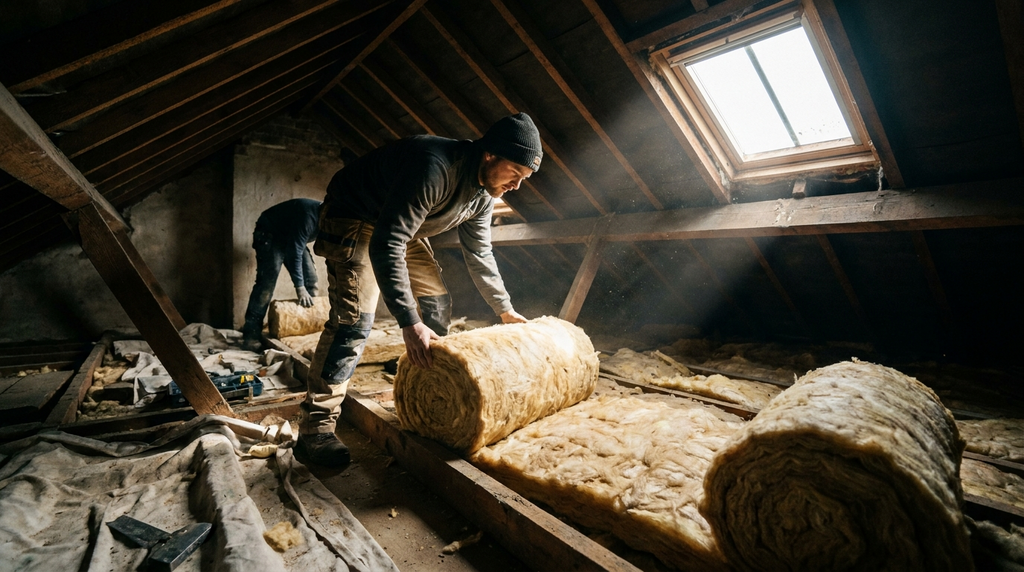
Uninsulated or under-insulated lofts are still surprisingly common. A full loft insulation job typically costs £300 to £600 and can save £150 to £250 per year in a typical semi. Suspended timber floor insulation is less well-known but highly effective in older Shropshire properties, costs run from £800 to £1,800.
Double and Triple Glazing
Replacing single-glazed windows with modern double or triple glazing typically costs £400 to £700 per window. In older Shropshire homes with original single glazing, the comfort improvement is as noticeable as the energy saving. Secondary glazing is often the better option for listed buildings where replacing windows isn’t permitted.
Energy Efficiency Improvements
Smaller but still meaningful upgrades include smart thermostats (from £150 to £300 installed), hot water cylinder insulation, draught proofing, and LED lighting. These often deliver the best return per pound spent and can be done quickly with minimal disruption.
Typical Costs, Savings and Payback Periods Across Shropshire Property Types
| Improvement | Terraced Home | Semi-Detached | Detached | Typical Annual Saving | Approximate Payback |
|---|---|---|---|---|---|
| Cavity Wall Insulation | £500 – £800 | £700 – £1,200 | £900 – £1,600 | £120 – £250 | 4 – 7 years |
| Loft Insulation (top-up) | £300 – £450 | £350 – £550 | £400 – £700 | £130 – £220 | 2 – 4 years |
| Solar PV (4kWp) | £6,000 – £7,500 | £6,500 – £8,000 | £7,500 – £9,500 | £450 – £750 | 9 – 14 years |
| Air Source Heat Pump | £8,000 – £11,000 | £9,000 – £12,000 | £10,000 – £14,000 | £400 – £900 | 10 – 18 years |
| External Wall Insulation | £7,000 – £11,000 | £9,000 – £14,000 | £13,000 – £18,000 | £300 – £600 | 18 – 28 years |
| Double Glazing (full house) | £3,500 – £6,000 | £4,500 – £7,500 | £6,000 – £12,000 | £100 – £200 | 25 – 40 years |
Tip, combining measures is almost always more cost-effective than doing them one at a time. A whole-house retrofit plan, even delivered in phases over a few years, tends to give better results and may unlock additional grant support.
Grants and Funding Available to Shropshire Homeowners in 2026
The funding landscape for eco home improvements has developed considerably, and Shropshire residents have access to several worthwhile schemes. Here’s what’s currently available.
The Boiler Upgrade Scheme
The Boiler Upgrade Scheme (BUS) offers a £7,500 grant towards an air source heat pump and £7,500 towards a ground source heat pump. This is applied directly by your installer, so you never handle the money yourself, it simply comes off the purchase price. There’s no income limit. The main requirement is that your home has a valid EPC with no outstanding recommendations for loft or cavity wall insulation.
ECO4
The Energy Company Obligation (ECO4) is aimed at lower-income households and those in fuel poverty. If you’re on certain qualifying benefits, including Universal Credit, Pension Credit, or Child Tax Credit, you may be eligible for fully funded or heavily subsidised insulation, glazing, or heating upgrades. Shropshire has pockets of genuine fuel poverty, particularly in rural off-grid areas, and this scheme is genuinely worth checking if your income is limited.
The Great British Insulation Scheme
The Great British Insulation Scheme closed on 31 March 2026. It funded insulation measures only and never covered windows or glazing. It targets homes in EPC Bands D to G and applies to households on low incomes or in council tax bands A to D. Given that Shropshire’s county average is Band D, a significant proportion of local homes qualify. Cavity wall and loft insulation are the most commonly funded measures.
West Midlands Combined Authority Retrofit Support
Shropshire sits within the West Midlands Combined Authority (WMCA) region, which runs its own retrofit and energy efficiency programmes alongside national schemes. The WMCA has invested in area-based retrofit schemes targeting whole streets and neighbourhoods rather than individual properties, which can mean lower costs per home and faster installation when your area is selected. It’s worth contacting Shropshire Council directly to ask whether your street or area has been earmarked under any current WMCA programme.
Shropshire Council Support
Shropshire Council administers a Healthy Homes programme that provides advice, referrals, and in some cases direct support for energy efficiency improvements, particularly for older residents and those with health conditions affected by cold homes. Telford and Wrekin Council, a separate unitary authority covering Telford, runs parallel schemes and it’s worth contacting them independently if you live in that area.
Planning Permission and Conservation Considerations Across Shropshire
Planning is one of the areas where Shropshire’s character really shows itself. The county has a rich heritage landscape, and there are more planning sensitivities here than in many urban areas. Here’s what you need to know before you start.
Which Councils Cover Shropshire
Shropshire has two main planning authorities. Shropshire Council covers the vast majority of the county, a unitary authority responsible for planning across rural areas and most market towns. Telford and Wrekin Council is a separate unitary authority covering Telford and the surrounding area. If you’re unsure which authority covers your property, a quick postcode check on the relevant council website will confirm it.
Permitted Development Rights
Most standard eco home improvements, solar panels on the rear or side of a roof, cavity wall insulation, loft insulation, and air source heat pumps, fall under permitted development rights and don’t require a formal planning application. However, there are important exceptions.
- Properties in conservation areas, including large parts of central Shrewsbury, Ludlow, and Bridgnorth, may need consent for visible external changes, including front-facing solar panels.
- Listed buildings require listed building consent for almost any alteration to the external fabric. If your home is Grade I or Grade II listed, speak to a specialist before commissioning any work.
- Properties within or adjacent to the Shropshire Hills National Landscape (formerly AONB) face additional scrutiny for external changes. Church Stretton and the surrounding villages fall squarely within this area.
- Air source heat pump installations near boundary walls or in certain locations may require prior approval even under permitted development.
The practical advice is this, always check before you commit to any external work on an older Shropshire property. A quick pre-application conversation with the planning department costs nothing and could save you significant trouble.
How Shropshire’s Climate and Geography Shape the Best Eco Choices
Climate matters when you’re choosing eco home improvements. Shropshire’s position in central England gives it a broadly moderate climate, but there are some local quirks worth knowing about.
The county experiences around 1,000 to 1,200 sunshine hours per year, enough to make solar PV a solid investment, though not quite the levels you’d see in the south of England. Solar panels still perform well here, and south or south-west facing roofs will give you the best return. Battery storage makes particular sense in Shropshire given the moderate solar irradiance, storing what you generate in the afternoon for evening use significantly improves your self-consumption rate.
Rainfall across Shropshire runs to around 700