Why West Midlands Homeowners Are Taking Eco Improvements Seriously Right Now
West Midlands is one of England’s most densely populated counties, home to 2.35 million people spread across a genuinely fascinating mix of urban centres, leafy suburbs, and quieter semi-rural pockets. From the vast terraced streets of inner Birmingham to the detached family homes of Solihull and the older industrial housing of Wolverhampton and Dudley, no two parts of this county feel quite alike.
What ties them together is a shared challenge, a massive stock of older housing that was built long before energy efficiency was anyone’s concern. A huge proportion of homes across West Midlands date from the 1930s to 1960s, which means cavity walls that may never have been insulated, single-glazed or poorly-fitted windows, and heating systems working twice as hard as they need to.
The good news? That same housing stock is almost perfectly suited to modern eco home improvements. Cavity wall insulation, solar panels, heat pumps, and upgraded glazing can all deliver genuinely meaningful savings, and West Midlands has access to some of the strongest grant funding in the country right now, including the dedicated West Midlands Combined Authority (WMCA) retrofit programme. If there’s ever been a good moment to act, this is it.
Understanding Energy Performance Across the County, and What It Costs You
The average EPC rating across West Midlands sits at Band D, which puts the county right at the national average. That sounds reassuring, but Band D is honestly not a great place to be, it means most homes are losing significant heat and burning through more energy than they need to.
With an average gas usage of 11,286 kWh per year and average electricity consumption of 3,129 kWh per year, a typical West Midlands household on standard tariffs is spending roughly £1,600 to £1,900 per year on energy. Homes stuck at the lower end of Band D, particularly older terraces in areas like Walsall, Wolverhampton, and parts of inner Birmingham, can easily tip over £2,200 to £2,500 annually.
There’s quite a spread across the county when you look more closely:
- Birmingham and Walsall have some of the highest concentrations of fuel poverty in the region, with large numbers of older terraced and semi-detached homes rated E or below
- Solihull and Sutton Coldfield tend to have newer and better-insulated housing stock, with more homes already at Band C or above
- Dudley and Wolverhampton carry a significant legacy of 1950s and 1960s social housing that has seen varying levels of retrofit work over the decades
- Coventry has a mix, postwar housing in the north of the city contrasts with newer developments that perform considerably better
Moving from Band D to Band C through targeted improvements typically reduces annual energy bills by £350 to £700 depending on your home’s size and current state. That’s real money back in your pocket every year, and it pushes up your property’s value too.
The Full Range of Eco Home Services Available in West Midlands
Whether your priority is cutting bills, reducing your carbon footprint, or making your home more comfortable, there’s a well-developed installer network across the county offering all the major improvement types.
Solar Panels
West Midlands gets roughly 1,000 to 1,200 sunshine hours per year, not the sunniest place in England, but more than enough to make solar a sound investment. A typical 4kW system generates around 3,200 to 3,600 kWh annually. Combined with the Smart Export Guarantee, most households see payback within 8 to 11 years.
Heat Pumps
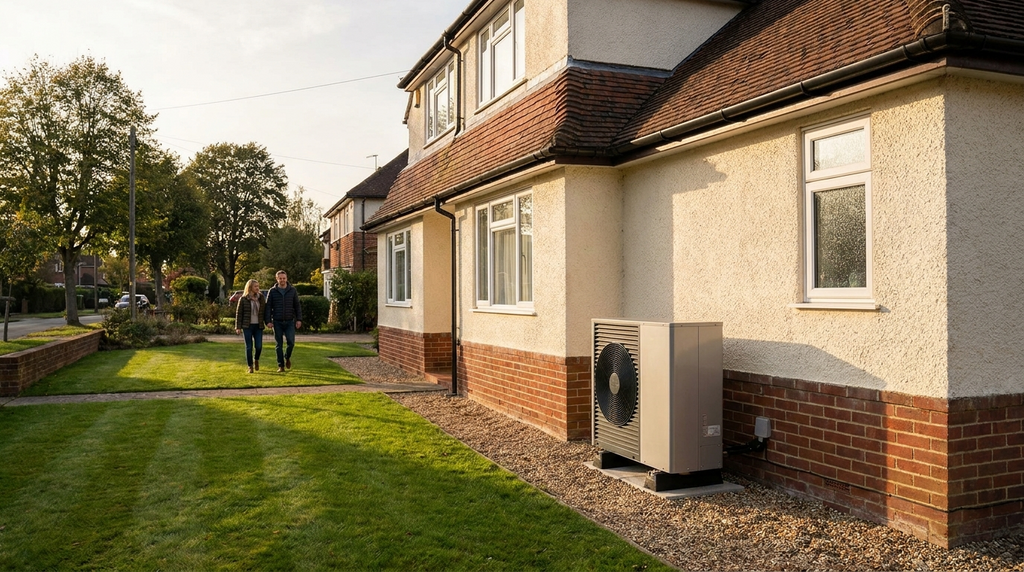
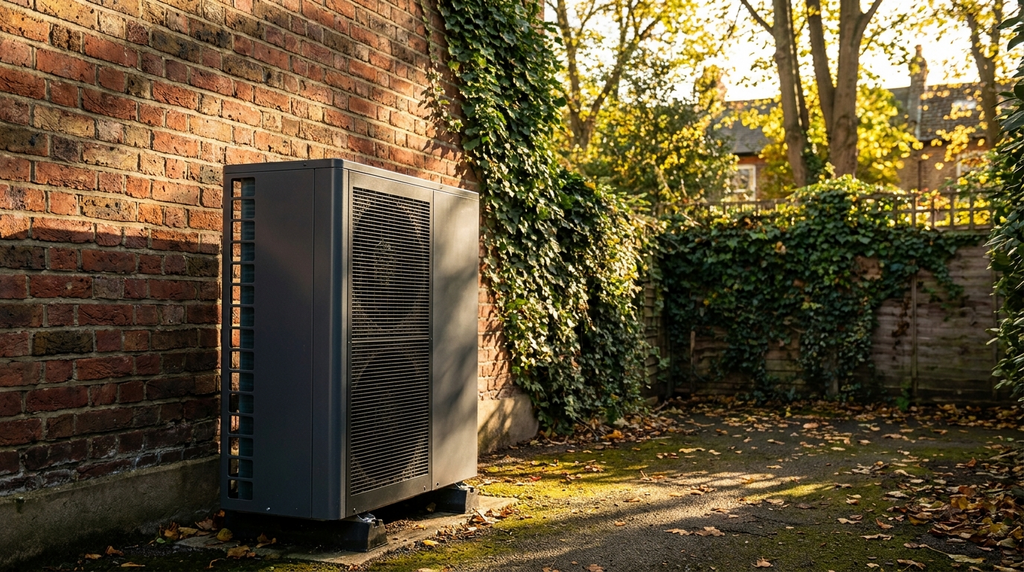
Air source heat pumps work well in West Midlands’ moderate climate. They’re particularly effective in well-insulated semi-detached and detached homes. With the Boiler Upgrade Scheme grant in place, the upfront cost drops significantly. Ground source heat pumps are more suited to larger detached properties with outdoor space, more common in Solihull and the outer suburbs.
Cavity Wall and Loft Insulation
This is where West Midlands really shines. The county’s dominant housing stock, 1930s to 1960s semi-detached and terraced homes, is almost perfectly suited to cavity wall insulation. Installation is typically completed in under a day and costs are relatively low. Loft insulation is similarly straightforward for most property types.
Double and Triple Glazing
Replacing single-glazed or original windows can cut heat loss significantly, improve comfort, and reduce condensation issues that are common in older terraced homes. Triple glazing is increasingly worth considering for homes targeting higher EPC ratings.
Energy Efficiency Improvements
Smart heating controls, hot water cylinder insulation, draught-proofing, and underfloor insulation all contribute meaningful savings at relatively low cost. These are often overlooked but can collectively save £150 to £300 per year in a typical West Midlands home.
Typical Costs and Savings for Common West Midlands Property Types
| Improvement | Terraced Home | Semi-Detached | Detached | Typical Annual Saving | Approx Payback Period |
|---|---|---|---|---|---|
| Cavity Wall Insulation | £400 – £600 | £500 – £800 | £700 – £1,200 | £150 – £300 | 3 – 5 years |
| Loft Insulation (top-up) | £200 – £400 | £200 – £500 | £300 – £700 | £100 – £250 | 2 – 4 years |
| Solar Panels (4kW system) | £5,500 – £7,000 | £5,500 – £7,500 | £6,000 – £9,000 | £500 – £750 | 8 – 11 years |
| Air Source Heat Pump | £8,000 – £12,000 | £9,000 – £13,000 | £10,000 – £15,000 | £300 – £900 | 10 – 15 years |
| Double Glazing (whole house) | £3,500 – £6,000 | £4,000 – £7,500 | £6,000 – £12,000 | £100 – £250 | 15 – 25 years |
| Solid Wall Insulation (external) | £8,000 – £13,000 | £10,000 – £16,000 | £14,000 – £22,000 | £300 – £600 | 20 – 30 years |
Tip, always get at least three quotes from MCS-certified or TrustMark-registered installers. Prices vary considerably across the county and the difference between the cheapest and most expensive quote can be thousands of pounds for larger jobs.
Grants and Funding Available to West Midlands Homeowners in 2026
West Midlands residents have access to a strong stack of funding options right now. Here’s what’s currently on the table:
National Schemes
- ECO4 (Energy Company Obligation), Funded by energy suppliers, ECO4 covers insulation, heating upgrades, and other improvements for low-income households or those with a low EPC rating. Birmingham and Walsall have high concentrations of eligible homes. Your energy supplier can confirm whether you qualify.
- The Great British Insulation Scheme closed on 31 March 2026. It funded insulation measures only and never covered windows or glazing. Most West Midlands homes in Band D or E will qualify for at least some support here.
- Boiler Upgrade Scheme (BUS), Provides a £7,500 grant towards an air source heat pump or £7,500 towards a ground source heat pump. Available to any homeowner replacing a fossil fuel boiler, regardless of income. One of the most accessible grants currently running.
- Warm Home Discount, A £150 annual credit on energy bills for eligible households on low incomes or certain benefits. Automatically applied by your supplier if you qualify.
West Midlands-Specific Funding
- WMCA Retrofit Programme, The West Midlands Combined Authority has secured dedicated retrofit funding targeting homes across Birmingham, Coventry, Dudley, Sandwell, Solihull, Walsall, and Wolverhampton. This programme prioritises fuel-poor households and properties with EPC ratings of E, F, or G, offering coordinated packages of improvements rather than single measures.
- Local Authority Flex (LA Flex), Individual councils within West Midlands can use discretionary ECO4 funding to support households that fall just outside standard eligibility. Birmingham City Council and Wolverhampton City Council have historically been active users of this route, worth asking your local council directly.
- Coventry City Council Home Improvement Schemes, Coventry has run targeted energy efficiency programmes for private rented and owner-occupied housing. Contact Coventry City Council’s housing team to check what’s currently active.
The Great British Insulation Scheme closed on 31 March 2026. It funded insulation measures only and never covered windows or glazing. Don’t assume you won’t qualify; the criteria are broader than most people think.
Planning Permission Across West Midlands, What You Need to Know Before You Start
Most standard eco home improvements in West Midlands fall under permitted development rights, meaning you won’t need planning permission. But there are important exceptions worth knowing about before you commit to anything.
When You Usually Don’t Need Permission
- Cavity wall and loft insulation
- Internal solid wall insulation
- Solar panels on a pitched roof (as long as they don’t project more than 200mm)
- Air source heat pumps on most homes (subject to size and noise conditions)
- Draught-proofing and window upgrades that match original style
When You Might Need to Check First
- Listed buildings, West Midlands has a significant number of listed properties, particularly in historic areas of Birmingham, Coventry city centre, and parts of Solihull. Any external work on a listed building requires listed building consent.
- Conservation areas, There are conservation areas across all seven major towns in the county. External wall insulation, certain solar panel installations, and changes to windows in conservation areas may need approval.
- Flats and apartments, Permitted development rights don’t always apply. Check with your local authority or managing agent before proceeding.
- External solid wall insulation, Always check, as this changes the external appearance of the building.
Which Councils Handle Applications
Planning applications are handled at the local authority level across the county. The relevant councils are Birmingham City Council, Coventry City Council, Dudley Metropolitan Borough Council, Solihull Metropolitan Borough Council, Walsall Council, and City of Wolverhampton Council. Sutton Coldfield falls under Birmingham City Council’s planning jurisdiction.
A good installer will flag any planning concerns before work starts, if they don’t mention it at all, that’s worth questioning.
How West Midlands’ Climate Shapes the Best Eco Improvements for Your Home
West Midlands sits in the centre of central England, and that central position gives it a fairly moderate, balanced climate. It’s not exposed to the extremes you’d find on the Welsh coast or the Scottish Highlands, but it’s definitely not the mild south either.
With 1,500 to 1,800 heating degree days per year, the county has a solid and reliable heating demand that makes insulation measures consistently worthwhile. The moderate winters mean heat pumps work efficiently without being pushed to their limits, which is good news for anyone considering one.
Rainfall sits between 700 and 1,000mm per year, enough to make roof condition and ventilation important factors in any improvement project. Damp is a genuine concern in older West Midlands terraces, and poorly installed cavity wall insulation can make this worse rather than better. Always use an installer who carries out a full cavity survey before injecting insulation, this is non-negotiable in a county with as much older housing stock as this one.
Solar generation is moderate but dependable. A south-facing roof in Solihull or Sutton Coldfield will comfortably outperform a north-facing installation in Wolverhampton, but even average-performing systems across the county typically generate enough to deliver meaningful savings and Smart Export Guarantee income.
The sheltered inland geography means wind turbines are rarely a practical option for urban or suburban homes here, solar and heat pumps are a far better fit for the vast majority of West Midlands properties.
Where You Can Access Eco Home Services Across West Midlands
Axiom Eco Homes works with homeowners right across West Midlands county, with services currently available in the following towns and cities:
- Birmingham, The UK’s second largest city and the heart of the county. Strong installer network, high demand for insulation and heat pump upgrades, significant grant eligibility across many postcodes
- Coventry, Substantial postwar housing stock with good retrofit potential. Active local council schemes and strong WMCA programme presence
- Dudley, Mix of older terraced and 1950s–1960s semi-detached housing. Good cavity wall insulation candidates throughout the borough
- Solihull, Higher proportion of newer and larger detached homes. Strong solar and heat pump demand, with some premium installer options
- Sutton Coldfield, Largely suburban with a mix