Why Greater Manchester Is One of the Most Interesting Counties for Eco Home Improvements
Greater Manchester is a fascinating place to talk about eco homes. You’ve got one of the most densely populated urban cores in England sitting alongside market towns, moorland edges, and post-industrial neighbourhoods, all within the same county boundary. That variety means the challenges and opportunities for eco home improvements are genuinely different here than almost anywhere else in the UK.
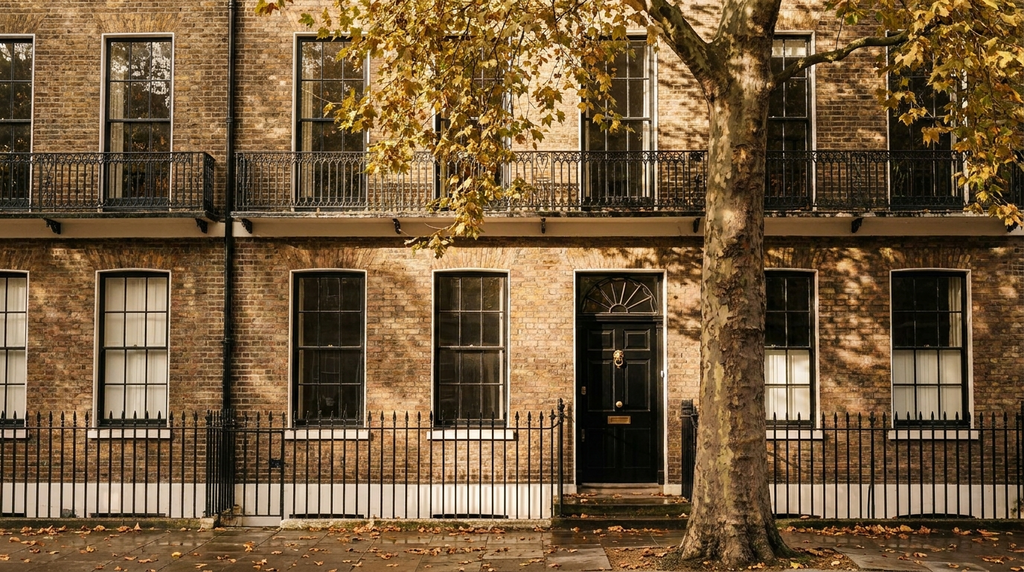
The county stretches from the red-brick terraces of Salford and the city centre flats of Manchester right out to the hillier fringes of Oldham and Rochdale, where older stone properties sit on exposed ridgelines. That range of housing types, ages, and exposures means there’s no single “right answer” for eco upgrades here, and that’s actually good news, because it means solutions exist for almost every home.
Greater Manchester also has something most English counties don’t, a serious, coordinated approach to residential retrofit through the Greater Manchester Combined Authority (GMCA). The GMCA has been pushing hard on energy efficiency across all ten of its boroughs, meaning residents here often have access to joined-up support that homeowners in more fragmented counties simply don’t get.
With 1,425,000 residents spread across 9 main towns and cities, the scale of opportunity, and need, is enormous. Average energy bills here are nothing to laugh at, and with an average EPC rating of Band D, the vast majority of homes have real, achievable room for improvement.
What the Average EPC Band D Really Means for Your Energy Bills
Band D is the UK average, and Greater Manchester sits right on that line. But averages can be misleading, the county contains some genuinely poor-performing homes dragging down the figures, particularly in areas with large concentrations of pre-1930s terraced housing.
Parts of Oldham, Rochdale, and Bolton have some of the oldest housing stock in the county. Many of these are late Victorian and Edwardian terraces built for mill workers, solid in their way, but with single-skin rear extensions, solid walls, and minimal insulation by modern standards. These homes can easily sit at Band E or F, with annual energy costs pushing well above the county average.
Meanwhile, newer developments in parts of Stockport, Salford, and around Manchester’s ring roads tend to pull the average up toward Band C. The difference between a Band F terrace in Rochdale and a Band C semi in Stockport can be £800 to £1,400 per year in energy bills, which is a significant gap for families on ordinary incomes.
Typical Annual Energy Bills Across Property Types in Greater Manchester
| Property Type | Typical EPC Band | Estimated Annual Energy Bill | Potential Bill After Upgrades |
|---|---|---|---|
| Pre-1930s terraced house | E or F | £2,400 – £3,100 | £1,100 – £1,600 |
| 1950s–70s semi-detached | D | £1,900 – £2,400 | £900 – £1,300 |
| Modern flat (post-2000) | C or B | £900 – £1,400 | £600 – £900 |
| 1930s–50s terraced house | D or E | £2,000 – £2,600 | £1,000 – £1,400 |
With average gas usage at 12,500 kWh per year and electricity at 3,233 kWh per year, Greater Manchester homes are close to the national median, which means the savings projections for standard upgrades are reliable and well-tested. You’re not in unusual territory here, which is actually reassuring when you’re planning work.
The Full Range of Eco Home Services Available Across Greater Manchester
Whatever your home type or budget, there’s likely an upgrade that makes sense for you. Here’s a plain-English overview of what’s available across the county.
Solar Panels
Solar PV works well across Greater Manchester despite the reputation for grey skies. The county receives 1,000 to 1,200 sunshine hours per year, enough to generate meaningful electricity and reduce your bills significantly. A typical 4kWp system on a semi-detached will generate around 3,200–3,600 kWh annually. Costs typically run £6,000 to £9,000 installed, with payback periods of 8 to 12 years depending on how much you use at home.
Heat Pumps
Air source heat pumps are increasingly viable for Greater Manchester homes, even in cooler months. The key is pairing them with decent insulation first, which is especially relevant for the county’s older terrace stock. Installed costs typically range from £8,000 to £14,000, though the Boiler Upgrade Scheme can reduce this significantly (more on that below). Ground source systems are less common here due to smaller plot sizes in urban areas, but they do appear in larger properties on the edges of Stockport and Wigan.
Insulation
This is where Greater Manchester homes have the biggest opportunity. Cavity wall insulation, loft insulation, and, for the large stock of solid-wall properties, external or internal wall insulation are all widely available. Solid wall insulation is particularly important here given how many Victorian terraces exist across Bolton, Oldham, Rochdale, and Bury. Costs range from £300 for basic loft insulation right up to £15,000+ for full external wall insulation on a larger terraced house.
Double and Triple Glazing
Many homes across Greater Manchester still have older double glazing from the 1990s and early 2000s that no longer performs well. Upgrading to modern A-rated or triple glazing improves comfort, reduces condensation, and cuts heat loss meaningfully. Expect to pay £4,000 to £9,000 for a full house re-glaze depending on the number of windows and property size.
Energy Efficiency and Smart Controls
Smart thermostats, hot water cylinder controls, and demand-based heating systems can trim bills by 10 to 15% for relatively modest outlay, often £200 to £600 installed. These are a sensible first step before committing to larger measures, and they often qualify as part of wider retrofit assessments.
Comparing Eco Improvement Costs Across Greater Manchester Property Types
| Improvement | Terraced House | Semi-Detached | Flat | Estimated Annual Saving | Typical Payback |
|---|---|---|---|---|---|
| Loft insulation | £300 – £500 | £400 – £600 | N/A (usually managed) | £150 – £300 | 2 – 3 years |
| Cavity wall insulation | £600 – £900 | £700 – £1,100 | £400 – £700 | £200 – £350 | 3 – 4 years |
| External wall insulation | £8,000 – £15,000 | £9,000 – £17,000 | £5,000 – £10,000 | £400 – £700 | 15 – 25 years |
| Solar PV (4kWp) | £6,500 – £8,500 | £6,000 – £9,000 | Rarely applicable | £500 – £800 | 8 – 12 years |
| Air source heat pump | £9,000 – £13,000 | £8,000 – £14,000 | £7,000 – £11,000 | £300 – £600 | 12 – 18 years |
| Double to triple glazing | £4,500 – £7,000 | £5,000 – £8,500 | £2,000 – £4,500 | £100 – £250 | 18 – 25 years |
Practical tip, if your home is a solid-walled Victorian terrace, start with loft insulation and draught-proofing before committing to anything bigger. These give the fastest payback and make other improvements work better once installed.
Grants and Funding Available to Greater Manchester Residents in 2026
This is where Greater Manchester residents are genuinely well-placed. There’s a mix of national schemes and locally-coordinated support that, used together, can dramatically reduce what you actually pay out of pocket.
The Boiler Upgrade Scheme
The Boiler Upgrade Scheme (BUS) provides a £7,500 grant toward the cost of an air source heat pump, and £7,500 toward a ground source heat pump. It’s available to homeowners across Greater Manchester replacing an existing fossil fuel boiler. Your installer applies on your behalf, you just see a reduced bill at the end. This makes heat pumps considerably more accessible than the headline installation figures suggest.
ECO4
The Energy Company Obligation (ECO4) scheme funds insulation and heating improvements for lower-income households and those in fuel poverty. If you own or privately rent a home rated Band D or below, and you receive certain means-tested benefits, you may qualify for free or heavily subsidised insulation, boiler replacement, or heat pump installation. Given how many Band D and E properties exist across Bolton, Rochdale, and Wigan, this is worth checking carefully.
Great British Insulation Scheme
The Great British Insulation Scheme closed on 31 March 2026. It funded insulation measures only and never covered windows or glazing. It focuses specifically on single insulation measures and is a good entry point if you want to start with loft or cavity wall insulation without committing to a full retrofit.
Greater Manchester Combined Authority Retrofit Support
The GMCA retrofit programme continues to be one of the more proactive county-level initiatives in the country. Through partnerships with individual borough councils, the GMCA has coordinated funding streams, local advice services, and installer quality frameworks. Residents can access tailored advice through their local council’s energy efficiency service, each of the ten boroughs has a referral route into the scheme. Contact your local council’s housing or environmental services team as a first step, as local top-up funding and priority area programmes vary by borough.
Warm Homes Fund and Social Housing Routes
If you live in social housing managed by one of Greater Manchester’s housing associations or local authority providers, you may benefit from separate retrofit funding streams that don’t require individual applications. Speak directly to your landlord or housing provider about any planned upgrade works, several large-scale programmes are underway across Salford, Manchester, and Oldham in particular.
Planning Permission and Local Authority Considerations Across Greater Manchester
Greater Manchester is administered across ten metropolitan borough councils, Bolton, Bury, Manchester City, Oldham, Rochdale, Salford, Stockport, Tameside, Trafford, and Wigan. Each handles its own planning applications, so the process varies somewhat depending on where you live.
The good news is that most standard eco home improvements, including solar panels, heat pumps, and most insulation work, fall under permitted development rights and don’t require a full planning application. But there are important exceptions to be aware of.
Conservation Areas
Greater Manchester has a significant number of conservation areas, particularly in older town centres and Victorian residential neighbourhoods. Areas of Stockport, parts of Manchester, and historic mill towns like parts of Bury and Rochdale have conservation area designations where external changes, including solar panels on front roof slopes and external wall insulation, may need consent. Always check with your local council before proceeding.
Listed Buildings
If your home is listed, and there are listed buildings scattered across all nine of Greater Manchester’s major towns, you’ll need listed building consent for almost any structural or external change. This doesn’t mean eco improvements are impossible, but it does mean working with your council’s conservation officer early in the process. Internal wall insulation and secondary glazing are often viable routes for listed properties where external changes aren’t permitted.
Flat Roof and High-Rise Considerations
Greater Manchester has a significant number of flats, particularly in Manchester, Salford, and Stockport. For flats in multi-occupancy buildings, any external improvement usually requires the agreement of the building owner or management company, and sometimes all leaseholders. Solar installations on communal rooftops can be complex but are increasingly happening through coordinated retrofit schemes.
Practical tip, before any installer visits, spend ten minutes on your local council’s planning portal to check whether your property is in a conservation area. It’ll save you time and potential headaches later.
How Greater Manchester’s Climate Shapes Your Best Eco Home Options
Greater Manchester has a reputation for rain, and frankly, it’s not entirely undeserved. The county receives 700 to 1,000mm of rainfall per year, with the higher figures on the eastern and northern fringes toward the Pennines. This matters for certain upgrade decisions.
External wall insulation, for example, needs to be specified and installed carefully in wetter climates. Poor detailing around windows, doors, and eaves can allow water ingress that undermines the insulation and damages the structure. Always ensure any external insulation installer has specific experience in wetter northern climates and uses appropriate render systems rated for high-exposure locations. This is particularly relevant for homes in Oldham, Rochdale, and the hillier parts of Bolton.
On the positive side, Greater Manchester’s relatively moderate winter temperatures, with 1,500 to 1,800 heating degree days per year