Why Merseyside Is One of the Most Interesting Counties for Eco Home Improvements
Merseyside is a county that defies easy description. Stretching from the Victorian terraces of Liverpool and Birkenhead to the Edwardian seaside villas of Southport and the leafy suburbs of Formby, it packs an extraordinary range of housing stock into a relatively compact area. With 856,000 residents spread across five distinct towns, it sits at the crossroads of industrial heritage and genuine green ambition.
What makes Merseyside stand out from neighbouring counties is that contrast. You have some of the oldest and most heat-leaky housing in the North West sitting alongside newer builds that already meet decent energy standards. That gap creates real opportunity, the homes that need the most work are exactly the ones where eco improvements deliver the biggest savings.
The county also benefits from being part of the broader Greater Manchester Combined Authority retrofit conversation, which has pushed energy efficiency up the political agenda across the North West. Local councils here are increasingly active on sustainability, and installer coverage across the county is strong enough that you can get competitive quotes without travelling far. If you’ve been thinking about solar panels, a heat pump, or better insulation, Merseyside is genuinely well-placed to make it happen.
What the Average EPC Band D Really Means for Merseyside Homeowners
The county average EPC rating across Merseyside sits at Band D, which puts it right in line with the national average. But that headline figure hides a lot of variation between different parts of the county.
Liverpool and Birkenhead carry a significant proportion of pre-1919 terraced housing, back-to-backs, through-terraces, and Victorian mid-terraces with solid brick walls, single-glazed sash windows, and minimal original insulation. These properties regularly score Band E or even Band F, and their annual heating bills reflect it. A typical Liverpool terrace on gas heating burns through around 12,200 kWh of gas per year, which at current rates works out to roughly £900 to £1,100 annually just for heating and hot water. Add electricity at an average of 3,200 kWh per year and total energy costs for many Merseyside households land between £1,500 and £1,900 a year.
St Helens has a mix of post-war semis and 1960s to 1980s builds that tend to sit in Band D territory, better than the oldest terraces, but still with plenty of room for improvement, particularly around loft insulation, cavity walls, and heating system upgrades. Southport and Formby skew towards larger detached and semi-detached properties, some of which are genuinely well-insulated already, though the older Victorian and Edwardian stock in these areas can be surprisingly inefficient given their size and the cost of heating them.
The honest picture is this, if your home was built before 1980 and you haven’t made specific eco improvements, you’re almost certainly in Band D or below, and you’re spending more on energy than you need to. The good news is that moving from Band D to Band B is achievable for most Merseyside property types, and the combination of lower bills and increased property value makes it worth taking seriously.
The Full Range of Eco Home Services Available Across Merseyside
Merseyside has good installer coverage across all the main eco home improvement categories. Here’s a practical summary of what’s available and what it typically involves.
Solar Panels
Solar PV is one of the most popular upgrades across the county, and it works better here than many people expect. Merseyside receives around 1,000 to 1,200 sunshine hours per year, which is enough to generate meaningful electricity savings, especially if you’re home during the day or have a battery storage system. A typical 4kWp system costs between £6,000 and £8,500 installed, and can generate around 3,200 to 3,800 kWh annually, roughly matching your average household electricity demand.
Heat Pumps
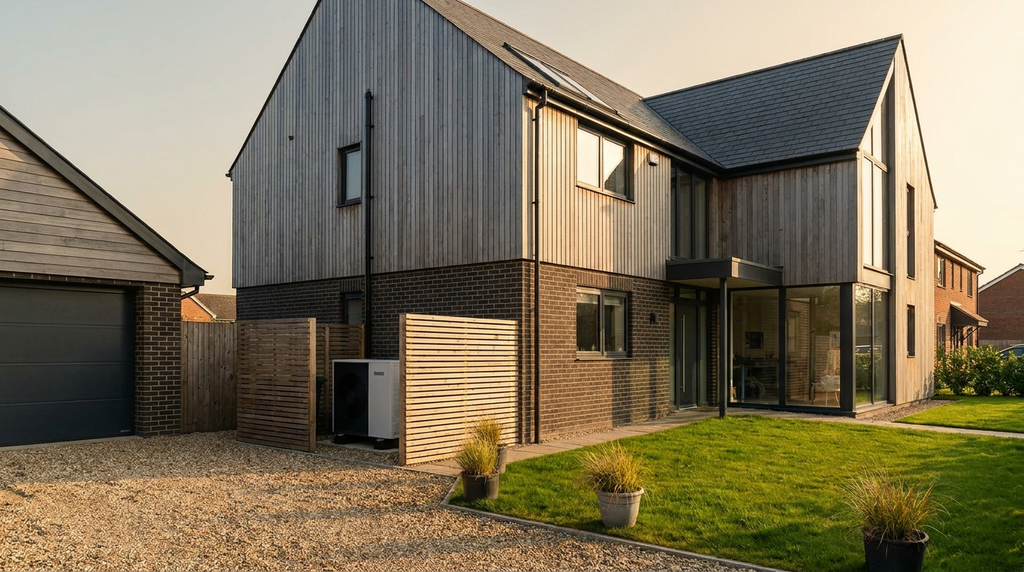
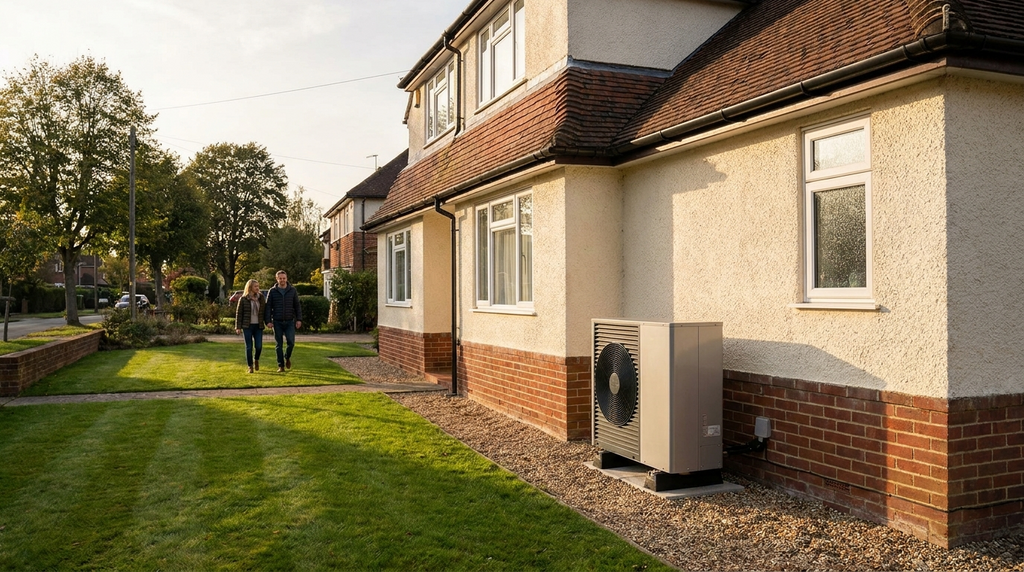
Air source heat pumps are increasingly common across Merseyside, particularly in semi-detached and detached properties with decent insulation levels. They work by extracting heat from outside air and are surprisingly effective even on cold Merseyside winter days. A fully installed air source heat pump typically costs £8,000 to £14,000, though the Boiler Upgrade Scheme (BUS) grant of £7,500 significantly reduces that upfront cost.
Insulation
For Merseyside’s large stock of older terraces and semis, insulation is often the single most impactful upgrade. Cavity wall insulation, loft insulation, and solid wall insulation (for pre-1920s properties) are all widely available. Costs range from £400 for basic loft insulation up to £8,000 to £12,000 for external solid wall insulation on a full terrace. High rainfall in Merseyside means the choice of external insulation system and the quality of installation really matters, more on that below.
Double and Triple Glazing
Upgrading from single glazing (still common in older Liverpool and Birkenhead terraces) to modern double glazing typically costs £4,000 to £8,000 for a full house, depending on the number of windows. Triple glazing costs around 20 to 30% more but offers noticeably better performance in the county’s wetter, windier conditions.
Energy Efficiency Improvements
Smart heating controls, hot water cylinder upgrades, draught-proofing, and LED lighting are lower-cost measures that can make a meaningful dent in bills. Draught-proofing a typical terrace costs £200 to £400 and can save £100 to £150 per year, one of the best pound-for-pound improvements available.
Eco Improvement Costs and Savings Across Merseyside Property Types
The table below gives you a realistic picture of what common eco improvements cost across the three main property types in Merseyside, along with estimated annual savings and how long it typically takes to pay back your investment.
| Improvement | Terraced House | Semi-Detached | Detached House | Annual Saving (est.) | Typical Payback |
|---|---|---|---|---|---|
| Loft Insulation (top-up) | £400 – £600 | £400 – £700 | £500 – £900 | £150 – £300 | 2 – 4 years |
| Cavity Wall Insulation | £700 – £1,200 | £800 – £1,400 | £1,000 – £1,800 | £200 – £400 | 3 – 5 years |
| External Solid Wall Insulation | £8,000 – £12,000 | £9,000 – £14,000 | £12,000 – £20,000 | £400 – £700 | 15 – 25 years |
| Solar PV (4kWp) | £6,000 – £7,500 | £6,500 – £8,000 | £7,000 – £9,000 | £600 – £900 | 7 – 12 years |
| Air Source Heat Pump (after BUS grant) | £2,500 – £6,500 | £2,500 – £6,500 | £3,000 – £8,000 | £300 – £700 | 8 – 15 years |
| Double Glazing (full house) | £4,000 – £6,500 | £4,500 – £7,500 | £6,000 – £10,000 | £100 – £250 | 20 – 30 years |
| Draught Proofing | £200 – £350 | £250 – £400 | £300 – £500 | £100 – £150 | 2 – 3 years |
Tip, combining measures gives you the best results. A Merseyside semi-detached that gets loft insulation, cavity wall insulation, and solar panels together could cut annual energy costs by £900 to £1,400, dramatically shortening the payback period on each individual measure.
Grants and Funding Available to Merseyside Residents in 2026
There’s meaningful funding available for Merseyside homeowners in 2026, and it’s worth understanding what you might qualify for before spending a penny.
Boiler Upgrade Scheme
The BUS grant provides £7,500 off an air source heat pump installation for eligible homeowners. You don’t need to be on a low income to qualify, the main requirements are that you own your home, have a valid EPC, and are replacing a fossil fuel heating system. Applications go through your MCS-certified installer.
ECO4
The Energy Company Obligation (ECO4) scheme targets low-income and vulnerable households. If you receive certain means-tested benefits, including Universal Credit, Pension Credit, or Child Tax Credit, you may qualify for fully funded insulation, heating upgrades, or even solar panels. ECO4 is particularly relevant across Liverpool and Birkenhead where older housing stock and fuel poverty rates are higher. Your energy supplier is the starting point for applications.
Great British Insulation Scheme
The Great British Insulation Scheme closed on 31 March 2026. It funded insulation measures only and never covered windows or glazing. It’s available to a broader range of households than ECO4, including some homeowners not on benefits, based on your EPC rating and Council Tax band. Merseyside homes in Bands A to D for Council Tax and with an EPC of D or below are worth checking for eligibility.
North West and County-Level Support
The Greater Manchester Combined Authority retrofit programme has influenced thinking and funding across the wider North West region, with spillover benefits for Merseyside in terms of installer training, supply chain development, and emerging local authority schemes. Individual councils within Merseyside, including Liverpool City Council, Sefton Council, Wirral Council, Knowsley Council, and St Helens Council, have all run or supported local energy efficiency initiatives, and it’s always worth contacting your local council directly to ask what’s currently available in your area.
Warm Homes Plan
The government’s Warm Homes Plan continues to roll out additional funding for low-income owner-occupiers and social housing tenants in 2026. Eligibility thresholds and available measures are updated regularly, so checking the current position through the Simple Energy Advice service is the best starting point.
Planning Permission and Local Authority Considerations Across Merseyside
Most standard eco home improvements fall under permitted development rights, meaning you don’t need to apply for planning permission. This includes solar panels on a roof that isn’t visible from a highway, air source heat pumps (subject to size and noise conditions), and most insulation work. But Merseyside has some important exceptions worth knowing about.
Conservation Areas
Liverpool in particular has a large number of designated conservation areas, including significant stretches of Georgian and Victorian housing around the city centre, Aigburth, and Allerton. Southport also has conservation designations covering its distinctive Edwardian streetscapes. If your home is in a conservation area, permitted development rights are restricted, you’ll need to check with your local planning authority before fitting external insulation, changing window styles, or installing visible solar panels.
Listed Buildings
Merseyside has a high concentration of listed buildings for its size, particularly in Liverpool which has a dense historic core. If your home is listed at Grade I, Grade II*, or Grade II, you’ll need listed building consent for most significant alterations, including insulation work that affects the building fabric. It’s not impossible to make eco improvements to listed buildings, but it requires specialist advice and the right installer.
Which Councils Handle Applications
Planning applications across Merseyside are handled by five local planning authorities. Liverpool City Council covers the city itself. Wirral Council handles Birkenhead and the wider peninsula. Sefton Council covers Southport and Formby. St Helens Council covers St Helens and surrounding areas. Knowsley Council covers Huyton, Prescot, and Kirkby. Each has its own planning portal and conservation area maps available online, always check your specific address before starting any external work.
How Merseyside’s Climate Shapes Your Eco Home Choices
Merseyside’s climate is worth understanding properly because it directly affects which improvements deliver the best results for your property.
The county receives 700 to 1,000mm of rainfall per year. That makes it noticeably wetter than the national average. That higher rainfall has a real implication for external wall insulation, the render system and installation quality matter enormously. Poorly specified or badly fitted external insulation can trap moisture against the wall, causing damp problems that cost more to fix than the energy savings were ever worth. Always insist on an installer with specific experience in wet North West conditions and ask to see examples of their previous work in the area.
Merseyside’s 1,500 to 1,800 heating degree days per year puts it at the moderate end for heating demand, warmer than Scotland or the Pennines, but with enough cold winter days to make good insulation and efficient heating genuinely worthwhile. Heat pumps perform well here because the county rarely experiences the extreme cold snaps that can reduce their efficiency.
Solar PV works better across Merseyside than its northern reputation might suggest. At 1,000 to 1,200 sunshine hours per year, generation is lower than the South East but still meaningful, especially when combined with battery storage that lets you use the electricity you generate at night. South and southwest-facing roof pitches perform best, and the relatively flat topography of much of the county means shading from hills is rarely an issue.
The prevailing westerly winds off the Irish Sea are worth considering if you’re thinking about external insulation or ventilation systems. Exposed elevations facing west or southwest should be specified with wind-driven rain resistance in mind.
Where to Find Eco Home Services Across Merseyside
Axiom Eco Homes covers the full county of Merseyside