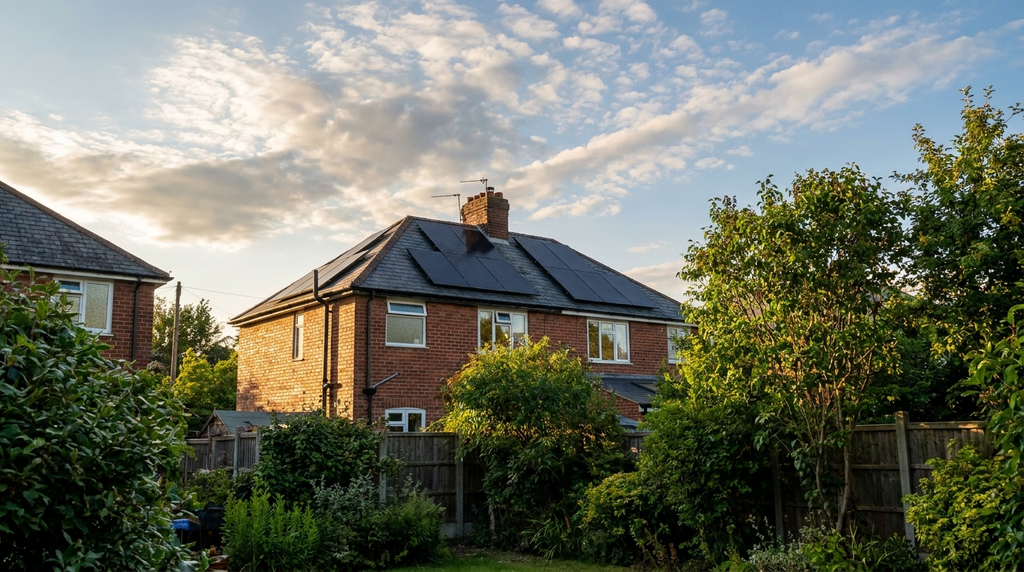
Why Denbighshire Is Worth Talking About When It Comes to Eco Homes
Denbighshire is one of those counties that quietly defies easy description. Stretch it out on a map and you’ve got everything from the Victorian seaside terraces of Rhyl and Prestatyn hugging the North Wales coast, to the stone-built market town of Ruthin sitting deep in the Vale of Clwyd, to the dramatic river gorge that frames Llangollen in the south. That variety is scenic, and it shapes the way homes were built, how they heat up, and what eco improvements make the most sense for different households.
With 53,119 residents spread across a relatively compact area, Denbighshire has a genuine sense of community. Installers here tend to cover the whole county from a single base, which means you’re not dealing with someone who has to drive two hours to reach you. That keeps costs reasonable and response times decent.
What really stands out about Denbighshire is the sheer mix of housing stock. You’ve got interwar semis, post-war council bungalows, stone cottages, and Victorian terraced streets, often within a few miles of each other. That means the eco improvement landscape here is genuinely varied, and getting the right advice for your specific property type really does matter.
Wales also operates its own building regulations and has its own Net Zero targets under the Welsh Government’s programme, which means Denbighshire residents have access to funding streams that English counties simply don’t get. If you haven’t looked into what’s available to you specifically as a Welsh homeowner, you may well be leaving money on the table.
What the Average EPC Band D Tells Us About Energy in Denbighshire
Most homes in Denbighshire sit at EPC Band D, exactly in line with the UK average, but that figure masks quite a bit of variation across the county.
The older Victorian and Edwardian terraced streets in Rhyl and Prestatyn tend to sit at Band E or even Band F. These homes were built long before insulation was a consideration, and many still have solid walls, single-glazed windows in original frames, or outdated heating systems. Energy bills in these properties can run to £2,200–£2,800 a year even with relatively modest usage.
In Ruthin and the surrounding rural Vale of Clwyd, you’ll find a mix of stone-built properties and more modern detached houses. The stone buildings often have poor thermal performance despite their solid appearance, and off-gas-grid properties, which are more common in rural Denbighshire, tend to rely on oil boilers or even solid fuel, pushing heating costs higher still.
Llangollen, set in its valley, has a fascinating mix of older Welsh stone cottages and Victorian townhouses. The geography here means some properties sit in sheltered positions while others are exposed to valley winds. Energy bills in Llangollen’s older stock regularly top £2,500 a year.
The newer housing built in the last 20–25 years across all four towns tends to perform better, Band C is common, but even these homes often have room to improve, particularly around heat pump readiness and solar generation.
Average gas usage across Denbighshire runs at 12,850 kWh per year, which is close to the national median. Average electricity consumption sits at 3,325 kWh per year. These are workable starting points, they’re not dramatically high, but there’s meaningful room to reduce both with the right upgrades.
The Full Range of Eco Home Services Available Across Denbighshire
If you’re in a coastal terrace in Prestatyn or a rural bungalow outside Ruthin, there’s a wide menu of eco improvements available to you. Here’s a plain-English rundown of what’s on offer and what each one does.
Solar Panels
Solar PV panels generate electricity from daylight, not just direct sunshine, which is good news in a county that sees 1,000–1,200 sunshine hours a year. A typical 4kW system on a semi-detached in Rhyl or Prestatyn costs around £6,000–£8,000 and can save £500–£700 a year on electricity bills, especially if you’re home during the day or pair the system with a battery.
Solar Battery Storage
Adding a battery (typically £2,500–£4,500) lets you store daytime solar generation for evening use. For households with high evening electricity demand, this can push annual savings past £900 a year when combined with panels.
Heat Pumps
Air source heat pumps are increasingly popular across Denbighshire, particularly in off-gas-grid rural properties where oil or LPG is the alternative. A typical installation costs £8,000–£14,000 before the Boiler Upgrade Scheme grant (more on that below). Ground source heat pumps suit larger rural plots and cost more, typically £18,000–£28,000, but deliver exceptional efficiency.
Cavity Wall and Loft Insulation
For homes with unfilled cavity walls, this is often the single best-value upgrade available. Costs run from £500–£1,500 for cavity wall insulation and £300–£600 for loft insulation, with payback periods of just 2–4 years in many cases.
Solid Wall Insulation
Relevant for Denbighshire’s many older stone and brick properties without cavities. External or internal insulation costs £8,000–£22,000 depending on the approach and property size, but the performance gains are substantial, often improving an EPC rating by two full bands.
Double and Triple Glazing
Replacing single-glazed windows in older Denbighshire properties makes a big difference to comfort and heating bills. Expect to pay £400–£700 per window for double glazing, or £500–£900 for triple. A full house replacement typically costs £5,000–£12,000 depending on property size and window count.
EV Charging Points
Home EV chargers cost around £800–£1,200 installed and make a real difference if you’re switching to an electric vehicle. Overnight charging at home is significantly cheaper per mile than public charging.
Smart Heating Controls
A smart thermostat and zoned heating controls can reduce heating bills by 10–15% for a relatively modest outlay of £150–£400. A great low-barrier starting point.
Typical Costs and Savings for Denbighshire’s Common Property Types
| Improvement | Semi-Detached | Terraced | Bungalow | Typical Annual Saving | Approx Payback Period |
|---|---|---|---|---|---|
| Loft Insulation | £350–£550 | £300–£500 | £400–£650 | £150–£300 | 2–4 years |
| Cavity Wall Insulation | £700–£1,200 | £500–£900 | £600–£1,000 | £200–£400 | 2–4 years |
| External Solid Wall Insulation | £12,000–£18,000 | £9,000–£15,000 | £10,000–£16,000 | £400–£700 | 18–30 years |
| Solar Panels (4kW) | £6,500–£8,000 | £6,000–£7,500 | £6,000–£7,500 | £500–£700 | 9–14 years |
| Air Source Heat Pump | £9,000–£13,000 | £8,000–£12,000 | £8,500–£13,000 | £400–£900 | 10–18 years |
| Double Glazing (full house) | £6,000–£10,000 | £5,000–£8,500 | £5,500–£9,000 | £150–£300 | 20–35 years |
| Smart Thermostat | £150–£350 | £150–£350 | £150–£400 | £80–£150 | 2–3 years |
Tip, combining improvements multiplies the savings. A semi-detached in Rhyl with loft insulation, cavity wall insulation, and a 4kW solar array could cut annual energy costs by £900–£1,300 a year in total.
Grants and Funding Denbighshire Homeowners Can Access in 2026
This is where living in Wales genuinely pays off. Denbighshire residents can access both UK-wide schemes and Wales-specific programmes that aren’t available to homeowners across the border in England.
Warm Homes Nest (Wales)
This is the flagship Welsh Government scheme for low-income households and those living in energy-inefficient homes. If your property is EPC Band D or below, which covers the majority of Denbighshire’s housing stock, and you’re on certain benefits or have a low household income, you may qualify for free insulation, heating upgrades, or even a heat pump at no cost to you. Applications go through the Nest helpline and are assessed on a case-by-case basis. It’s well worth calling even if you’re not sure you qualify.
Optimised Retrofit Programme (Wales)
This Welsh Government initiative focuses on whole-house retrofit, taking a property from a low EPC rating to a significantly better one using a planned, fabric-first approach. Denbighshire Council has been engaged with this programme, and social housing tenants in the county have benefitted from retrofits under the scheme. Private homeowners may also be able to access related advice and support, worth checking with Denbighshire County Council directly.
Boiler Upgrade Scheme
This UK-wide grant provides £7,500 off the cost of an air source heat pump or £7,500 off a ground source heat pump. The grant goes directly to your installer and is deducted from your bill, so you never have to claim it yourself. This effectively brings a mid-range air source heat pump installation within reach of many Denbighshire households.
ECO4 Scheme
The Energy Company Obligation scheme requires large energy suppliers to fund home energy upgrades for eligible low-income households. In Denbighshire, this typically means free insulation, glazing improvements, or heating system upgrades for homeowners and private renters on qualifying benefits. Eligibility is means-tested, check through your energy supplier or a local retrofit assessor.
Great British Insulation Scheme
Separate from ECO4, this scheme targets homes in EPC Bands D–G and offers subsidised or free insulation. Given that Denbighshire’s average sits at Band D, a significant proportion of county residents may be eligible. Both owner-occupiers and private renters can apply.
VAT on Energy Saving Materials
Solar panels, heat pumps, insulation, and certain other eco improvements are zero-rated for VAT in Wales. This saves you 20% compared to standard-rated goods, a meaningful reduction on larger installations.
Planning Permission and Local Considerations Across Denbighshire
Most standard eco home improvements fall under permitted development rights, which means you don’t need to apply for planning permission. But Denbighshire has some specific considerations worth knowing about before you commit to any work.
Planning applications across the county are handled by Denbighshire County Council. If your property sits within a conservation area, and both Ruthin and Llangollen have significant conservation zones, there are additional rules around external alterations. Solar panels on a front roof slope facing a highway, external wall insulation changing the appearance of a building, or replacement windows that don’t match the original style may all require consent.
The southern part of Denbighshire borders the Clwydian Range and Dee Valley Area of Outstanding Natural Beauty (AONB), which has its own landscape sensitivities. If your property sits within or adjacent to the AONB, it’s worth a quick call to the planning department before proceeding with any external works.
Listed buildings require Listed Building Consent for most alterations, including internal insulation and window replacement. Denbighshire has a significant number of listed properties, particularly in Ruthin and Llangollen, check the Cadw listed buildings register if you’re unsure about your property.
- Rear and side roof solar panels, usually permitted development, no application needed
- Front roof solar panels in conservation areas, check with Denbighshire County Council first
- External wall insulation, may need consent in conservation areas or for listed buildings
- Window replacement in listed buildings, almost always requires Listed Building Consent
- Heat pump installations, usually permitted development if the unit is below a certain size and positioned correctly
- EV chargers, generally permitted development for domestic installations
Practical tip, if you’re unsure about any of this, a pre-application enquiry to Denbighshire County Council costs a small fee but can save you significant time and expense later. Most reputable local installers will also flag any planning concerns as part of their survey.
How Denbighshire’s Climate and Geography Shape Your Best Eco Choices
Denbighshire’s climate is broadly moderate, not as wet as the mountains of Snowdonia to the west, not as cold as the exposed uplands of mid-Wales. With 1,000–1,200 sunshine hours a year and moderate rainfall of around 700–1,000mm annually, the county sits in comfortable territory for most eco improvements.
The coastal strip around Rhyl and Prestatyn gets more sunshine hours than inland areas, this makes solar PV a particularly