Why Nottinghamshire Is a County Worth Taking Seriously on Eco Homes
Nottinghamshire is one of those counties that often gets overlooked in the national conversation about green homes, and that’s a shame, because there’s a lot going on here worth paying attention to. Stretching from the ex-mining communities around Mansfield and Worksop in the north to the city of Nottingham in the south, this is a county with real variety: market towns, suburban estates, rural villages, and urban neighbourhoods all sitting side by side.
That variety is actually what makes Nottinghamshire so interesting from an eco homes perspective. You’ve got Victorian terraces in Nottingham city that haven’t had a meaningful energy upgrade in decades. You’ve got post-war semis in Newark and Retford sitting on cavity walls that are just waiting to be filled. And you’ve got rural properties in the Trent Valley and the northern coalfield communities where solid fuel heating is still common and the switch to modern alternatives can make a dramatic difference.
Nottinghamshire also has a strong industrial and community heritage, people here are practical and value things that actually work. They’re not interested in eco improvements that look good on paper but don’t deliver in real life. That’s exactly the kind of honest, straightforward approach we take at Axiom Eco Homes, and it’s why we think this county is one of the most rewarding places to work.
The county sits firmly in Central England, which means moderate winters, reasonable sunshine hours, and none of the extreme conditions that complicate eco home planning in parts of Scotland or the far west. In short, Nottinghamshire is a great place to invest in eco home improvements, and the returns, financial and environmental, are genuinely compelling.
How Energy Efficient Are Nottinghamshire Homes Right Now
The county average EPC rating across Nottinghamshire is Band D, which puts it squarely at the national average. That might not sound alarming, but what it actually means in practice is that the typical Nottinghamshire household is spending significantly more on energy than they need to, and that gap is costing real money every month.
At current energy prices, a Band D home with average gas usage of 11,700 kWh per year and electricity usage of 3,200 kWh per year will typically spend somewhere in the region of £1,800 to £2,200 per year on energy bills. That’s before you account for standing charges, which add another £300 or so on top. For many families in Nottinghamshire, that’s a significant chunk of the household budget.
Different parts of the county tell different stories. Nottingham itself has a high concentration of pre-1919 terraced housing, properties built before cavity wall construction became standard, meaning many have solid brick walls that are harder and more expensive to insulate. These homes tend to sit at the lower end of Band D or even into Band E.
In contrast, the suburban estates around Newark-on-Trent and the post-war housing in Worksop and Retford tend to feature standard cavity walls, which are among the most cost-effective improvements you can make. Many of these homes are already partially upgraded but still have significant untapped potential, particularly around loft insulation, heating controls, and solar.
The former mining communities in the north of the county, including parts of Mansfield and Ashfield, often feature older housing stock with mixed construction types and historically lower household incomes. This is where fuel poverty is most acute, and where targeted grant funding makes the biggest practical difference.
Moving from Band D to Band C, a realistic goal for most Nottinghamshire homes, could reduce annual energy bills by £400 to £700 per year, depending on the property type and which improvements you make.
The Main Eco Home Services Available to Nottinghamshire Residents
If you’re looking to cut your bills, reduce your carbon footprint, or increase your property’s value, there are several well-established eco home improvement routes available across Nottinghamshire. Here’s a plain-English overview of the main options.
Solar Panels
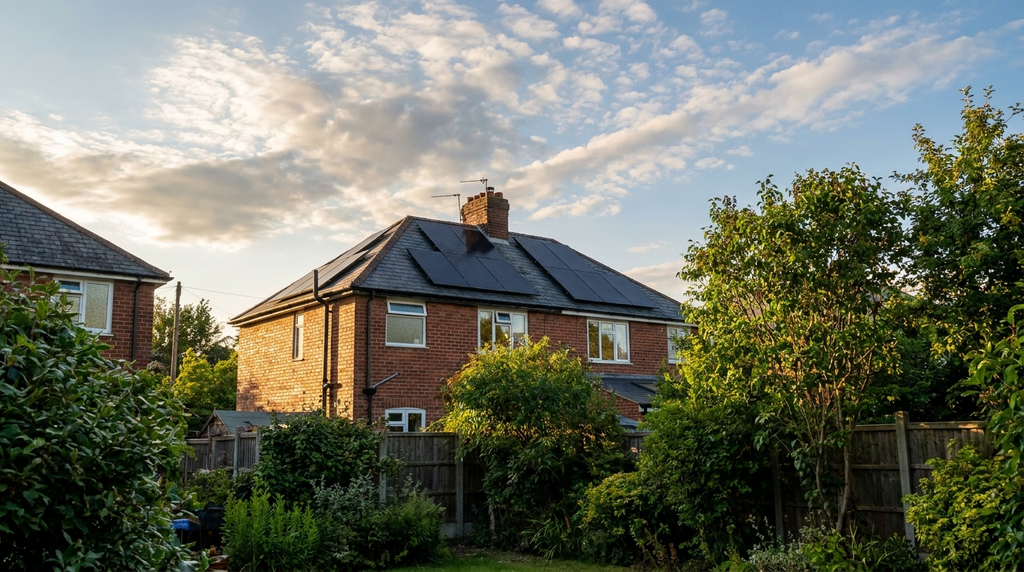
Solar photovoltaic (PV) panels generate electricity from daylight, and despite what people think, they work perfectly well in Nottinghamshire’s moderate climate. The county receives around 1,000 to 1,200 sunshine hours per year, which is enough to make solar genuinely worthwhile. A typical 4kWp system on a semi-detached home will generate around 3,400 to 3,800 kWh per year, cutting electricity bills significantly and earning income through the Smart Export Guarantee.
Heat Pumps
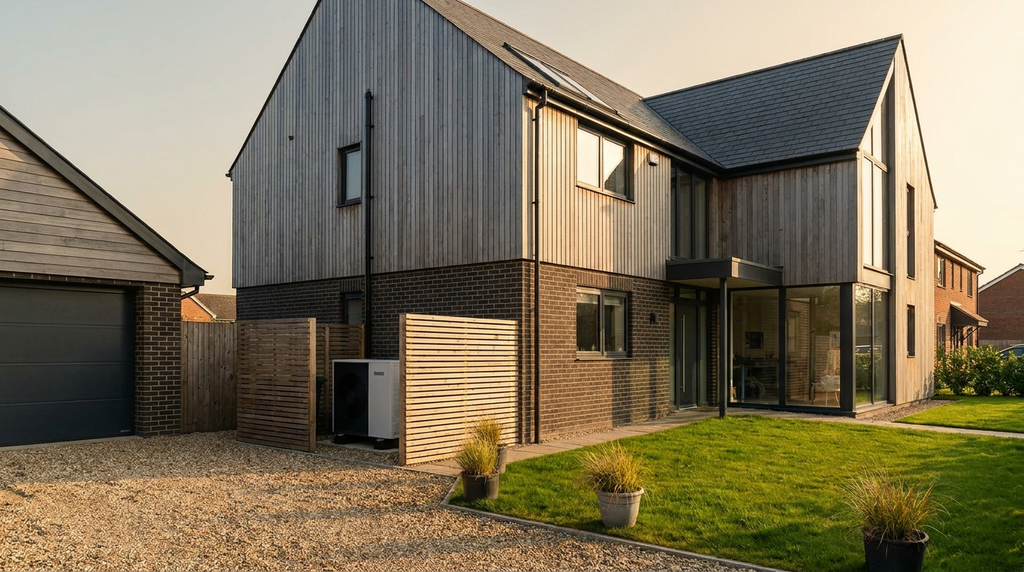
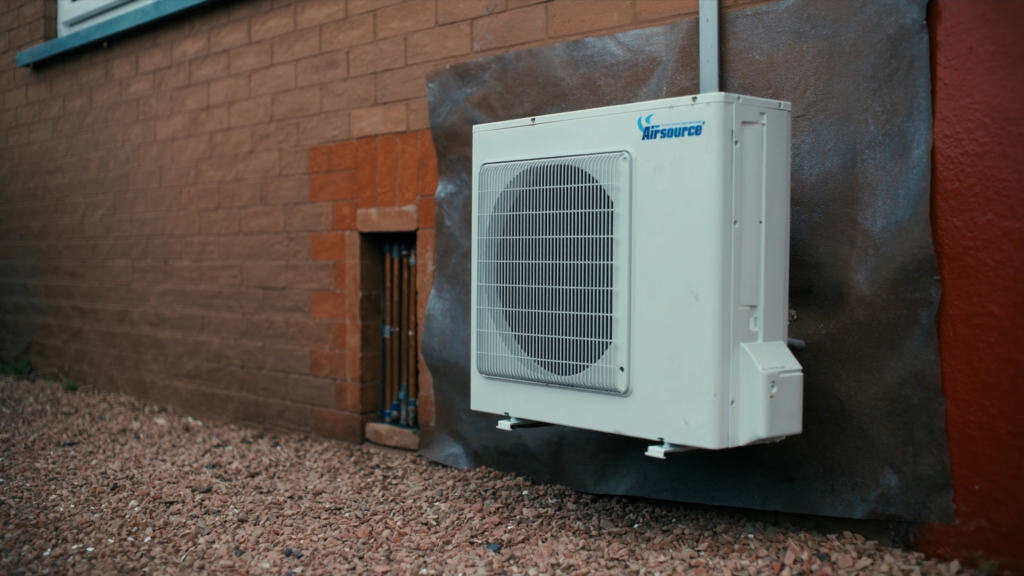
Air source heat pumps are becoming increasingly popular across Nottinghamshire, particularly in homes that already have or are planning underfloor heating, or that can accommodate larger radiators. They work by extracting heat from outdoor air, even in cold weather, and transferring it inside. They’re particularly effective in well-insulated homes, so they often work best as part of a wider upgrade package.
Insulation
Insulation remains the most cost-effective first step for most Nottinghamshire homes. Cavity wall insulation, loft insulation, and underfloor insulation are all widely available across the county and deliver fast, reliable returns. Given the prevalence of cavity-wall semis and terraces, cavity wall insulation is often the single best investment a Nottinghamshire homeowner can make.
Double and Triple Glazing
Replacing single-glazed windows or upgrading older double glazing can make a noticeable difference to both comfort and bills. Modern A-rated glazing reduces heat loss through windows significantly, and the improvement in draught-proofing alone can make a home feel warmer and quieter.
Energy Efficiency Improvements
This category covers a wide range of smaller but impactful upgrades, smart thermostats, heating controls, LED lighting, hot water cylinder insulation, and more. These are often the quickest wins and can be combined with larger improvements as part of a whole-house approach.
Typical Costs and Savings for Nottinghamshire Homes
Here’s a practical comparison of the most common eco improvements for the two most common property types in Nottinghamshire. All figures reflect typical installer prices in the East Midlands in 2026.
| Improvement | Terraced House | Semi-Detached House | Estimated Annual Saving | Typical Payback Period |
|---|---|---|---|---|
| Cavity Wall Insulation | £600 – £900 | £700 – £1,100 | £150 – £250 | 3 – 6 years |
| Loft Insulation (top-up to 270mm) | £300 – £500 | £350 – £600 | £130 – £200 | 2 – 4 years |
| Solar PV (4kWp) | £5,500 – £7,000 | £5,500 – £7,500 | £500 – £750 | 8 – 13 years |
| Air Source Heat Pump | £10,000 – £14,000 | £10,000 – £15,000 | £300 – £700* | 12 – 18 years |
| Double Glazing (whole house) | £4,000 – £6,500 | £5,000 – £8,000 | £100 – £200 | 25 – 40 years |
| Smart Heating Controls | £200 – £400 | £200 – £400 | £75 – £150 | 2 – 4 years |
*Heat pump savings depend heavily on existing heating system and insulation levels. Savings are greater when replacing older, inefficient gas boilers in well-insulated homes.
Grants and Funding Available to Nottinghamshire Homeowners in 2026
One of the most important things to know is that you almost certainly don’t have to fund everything yourself. There are several live schemes in 2026 that Nottinghamshire residents can access, and some are genuinely generous.
The Boiler Upgrade Scheme
The Boiler Upgrade Scheme (BUS) offers a £7,500 grant towards an air source heat pump for eligible homeowners in England. This is a straightforward grant, no means-testing, no repayment, available to owner-occupiers replacing a gas, oil, or electric heating system. Given that heat pump installation in a Nottinghamshire semi can cost £12,000 to £15,000, this grant makes a real dent in the upfront cost.
ECO4
ECO4 is aimed at lower-income households and those in fuel poverty. If you’re receiving certain means-tested benefits, including Universal Credit, Pension Credit, or Child Tax Credit, you may qualify for fully funded insulation, glazing, or heating upgrades at no cost to you. ECO4 is delivered through energy suppliers and approved local installers. Several councils in Nottinghamshire, including those covering Mansfield and parts of Worksop, actively promote ECO4 through local fuel poverty programmes.
The Great British Insulation Scheme
The Great British Insulation Scheme closed on 31 March 2026. It funded insulation measures only and never covered windows or glazing. Eligibility is based partly on your EPC rating and partly on your council tax band, homes in council tax bands A to D in England can qualify regardless of income. The Great British Insulation Scheme closed on 31 March 2026. It funded insulation measures only and never covered windows or glazing.
East Midlands and County-Level Programmes
Nottinghamshire County Council and several district councils have maintained active fuel poverty and energy efficiency programmes. Nottingham City Council has historically run its own Warm Homes programme, targeting households in the city’s most deprived areas with tailored upgrade packages. Mansfield District Council and Bassetlaw District Council (covering Worksop and Retford) have both participated in area-based schemes targeting the former coalfield communities, often combining ECO4 funding with council-administered top-ups.
It’s always worth checking directly with your local district or borough council, as funding availability and eligibility criteria can shift throughout the year. The key councils to contact are Nottingham City Council, Mansfield District Council, Newark and Sherwood District Council, Bassetlaw District Council, and Gedling Borough Council.
Planning Permission and Local Authority Rules You Need to Know
Most standard eco home improvements in Nottinghamshire fall under permitted development rights, meaning you won’t need planning permission at all. This applies to most solar panel installations, cavity wall insulation, loft insulation, and heat pump installations, provided you meet certain conditions.
Even so, there are important exceptions to be aware of across the county.
- Conservation areas, Nottinghamshire has a significant number of conservation areas, particularly in Nottingham city centre, Newark-on-Trent’s historic core, and the market town centres of Retford and Worksop. In conservation areas, solar panels visible from the street and external wall insulation may require planning approval.
- Listed buildings, There are numerous Grade I and Grade II listed buildings across the county, particularly in Newark and the Trent Valley area. If your home is listed, virtually any structural change, including insulation and glazing upgrades, will require Listed Building Consent in addition to any planning permission.
- Sherwood Forest area, Parts of northern Nottinghamshire, including areas around the ancient Sherwood Forest, fall within designated landscapes where additional planning considerations may apply. It’s worth checking with Bassetlaw or Newark and Sherwood District Council if your property is in this area.
- Heat pumps, Air source heat pumps are generally permitted development for single units, but there are rules around siting, noise levels, and proximity to boundaries. Your installer should confirm compliance before installation.
Planning applications in Nottinghamshire are handled by the relevant district or borough council, not the county council. The main planning authorities are Nottingham City Council, Mansfield District Council, Newark and Sherwood District Council, Bassetlaw District Council, Gedling Borough Council, Rushcliffe Borough Council, Broxtowe Borough Council, and Ashfield District Council.
If you’re unsure whether your planned improvement needs permission, a quick pre-application enquiry to your local planning authority is always worthwhile, and it’s usually free for simple queries.
How Nottinghamshire’s Climate Shapes the Best Eco Home Choices
Nottinghamshire sits in the centre of Central England, and its climate is about as balanced as you’ll find anywhere in the country. That’s actually good news for eco home planning, because it means most mainstream improvements work well here without needing to over-engineer for extreme conditions.
Winters are moderate rather than severe, with around 1,500 to 1,800 heating degree days per year, close to the national average. This means heat pumps perform reliably throughout the winter months without the efficiency drops you’d see in the far north. It also means that good insulation alone can take a real bite out of your heating bills without necessarily needing to replace your entire heating system.
Rainfall across the county is moderate at 700 to 1,000mm per year, and Nottinghamshire is sheltered from the worst of the westerly Atlantic weather by the Pennines to the northwest. This makes the county a reasonable location for solar PV, the panels don’t need blazing sunshine to generate electricity, just reasonable daylight, which Nottinghamshire gets in decent measure with 1,000 to 1,200 sunshine hours per year.
The relatively flat terrain of the Trent Valley and the central county also means fewer installation complications for most properties. Roofs tend to be standard pitches without the extreme orientations or shadowing issues you might find in hillier parts of the country.
One local factor worth noting is the historic legacy of coal extraction across the northern parts of the county. Some older properties in the Mansfield and Worksop areas may have ground conditions affected by historic mining activity. This is unlikely to affect most eco improvements, but it’s something to mention to your installer if you’re considering ground source heat pumps or underfloor systems.
Where You Can Access Eco Home Services Across Nottinghamshire
Axiom Eco Homes covers five towns across Nottinghamshire, giving residents across the county access to qualified, experienced installers for the full range of eco home improvements.
Nottingham
As the county’s urban centre and largest population hub, Nottingham has strong installer coverage and a wide range of eco home services available. The city’s mix of Victorian terraces and post-war housing creates diverse upgrade opportunities, and several targeted grant programmes operate specifically within city boundaries.