Why Isle of Anglesey Is a Fascinating Place to Think About Eco Homes
Isle of Anglesey sits apart from the rest of Wales in the most literal sense, separated from the mainland by the Menai Strait, connected by two historic bridges, and shaped by centuries of exposure to the Irish Sea. That geography matters more than you might think for your home’s energy performance.
The island has a character all of its own. Much of the housing stock dates back generations, built when insulation was an afterthought and double glazing hadn’t been invented. The prevailing westerly winds roll in off the Atlantic with very little to slow them down, and rainfall here is considerably higher than in many parts of England. All of that adds up to homes that work hard to stay warm, and energy bills that reflect it.
What makes Anglesey genuinely different from its neighbours on the mainland is the combination of exposed coastal conditions, a high proportion of older stone-built and rendered properties, and a relatively small, close-knit population of around 11,431 residents. That actually works in your favour for eco improvements, local installers know the island well, travel times are short, and communities tend to share recommendations quickly. If a neighbour has had a heat pump installed and it’s working well, you’ll probably hear about it within a week.
The Welsh Government’s own Net Zero Wales targets mean there’s also real political will, and real funding, behind helping Anglesey homeowners upgrade their properties. This is a genuinely exciting time to be thinking about eco improvements here.
What the Average EPC Band D Really Means for Anglesey Homeowners
The average home across Isle of Anglesey sits at EPC Band D, which puts the county right at the national average. That sounds reassuring until you realise what Band D actually means in practice, your home is losing heat faster than it should, and you’re paying more than necessary to keep it warm.
A Band D rating typically corresponds to a score somewhere between 55 and 68 on the EPC scale. In real terms, that often means poorly insulated walls, older windows, an inefficient boiler, and limited loft insulation. For a typical semi-detached property on the island, that can translate to annual energy bills of around £1,800 to £2,200, depending on the age of the property and how well it’s been maintained.
Terraced homes, which are very common across Anglesey, particularly in Holyhead, can be slightly more efficient simply because shared walls reduce heat loss. But many older terraces still have solid walls rather than cavity walls, which makes insulation more complex and more expensive to retrofit.
The areas around Holyhead, as the island’s largest urban centre, tend to have a concentration of pre-1950s terraced housing that’s most in need of attention. Rural parts of the island, farmhouses, stone cottages, and older detached properties, often have the lowest EPC scores of all, sometimes falling into Band E or F. These properties face the biggest bills and have the most to gain from improvements.
Moving from Band D to Band B or C is genuinely achievable for most Anglesey homes. Doing so could cut your annual bills by £600 to £1,000 or more, depending on the measures you install. Over a decade, that’s a meaningful sum, and your home becomes significantly more comfortable in the process.
The Full Range of Eco Home Services Available Across the Island
The good news is that virtually every major eco home improvement is available to residents across Isle of Anglesey. Installers who work across North Wales regularly cover the island, and some are based here permanently. Here’s a rundown of what’s available and what each service involves.
Solar Panels
Solar photovoltaic (PV) panels generate electricity from daylight, not just direct sunshine, which matters on an island that sees its fair share of cloud. With average electricity usage of 3,400 kWh per year across the county, a well-sized solar system can make a real dent in your bills. A typical 4kWp system costs £5,000 to £7,000 installed and can generate 3,000 to 3,500 kWh per year in this part of Wales.
Heat Pumps
Air source heat pumps are increasingly popular across Anglesey, particularly as gas boilers come to the end of their lives. They work by extracting heat from the outside air, even in cold weather, and are highly efficient. Costs typically run from £8,000 to £14,000 installed, though the Boiler Upgrade Scheme can reduce that significantly (more on that below). Ground source heat pumps are also viable for properties with sufficient outdoor space, though costs are higher.
Insulation
This is often the most cost-effective starting point for Anglesey homes. Loft insulation is cheap and quick, £300 to £600 for a typical semi-detached. Cavity wall insulation, where walls are suitable, costs £500 to £1,500. Solid wall insulation (internal or external) is more involved and can cost £8,000 to £18,000, but it’s often the only option for older stone-built properties on the island.
Double and Triple Glazing
Replacing single-glazed windows with modern double or triple glazing reduces heat loss significantly and makes a noticeable difference to draughts. Expect to pay £400 to £700 per window for quality double glazing, with a full house replacement typically running £4,000 to £8,000.
Battery Storage
If you’re installing solar panels, adding a battery storage system lets you use more of the electricity you generate rather than exporting it to the grid. Home batteries typically cost £2,500 to £5,000 and can meaningfully improve the financial return on a solar installation.
EV Charging Points
Home EV charger installation is straightforward and typically costs £800 to £1,200 fitted. With the island’s geography meaning most residents rely on their own transport, this is a practical upgrade for households with or considering an electric vehicle.
Typical Costs and Savings for Common Anglesey Property Types
Use this table as a starting point for budgeting. Figures are typical for Isle of Anglesey in 2026 and assume standard installations without complications.
| Improvement | Terraced House | Semi-Detached House | Estimated Annual Saving | Approximate Payback Period |
|---|---|---|---|---|
| Loft Insulation (top-up) | £300 – £500 | £400 – £600 | £150 – £250 | 2 – 4 years |
| Cavity Wall Insulation | £500 – £900 | £800 – £1,500 | £200 – £350 | 3 – 5 years |
| Solid Wall Insulation (external) | £8,000 – £13,000 | £10,000 – £18,000 | £400 – £700 | 15 – 25 years |
| Solar PV (4kWp system) | £5,500 – £7,000 | £5,500 – £7,500 | £500 – £800 | 8 – 12 years |
| Air Source Heat Pump | £8,000 – £12,000 | £9,000 – £14,000 | £400 – £900 | 10 – 18 years |
| Double Glazing (full house) | £3,500 – £6,000 | £4,500 – £8,000 | £100 – £200 | 20 – 35 years |
| Battery Storage (with solar) | £2,500 – £4,500 | £2,500 – £5,000 | £150 – £300 | 10 – 15 years |
Tip, combining measures can dramatically improve payback periods. A household that installs solar panels alongside a heat pump and improved insulation often sees combined savings that make the overall investment stack up much more quickly than any single measure alone.
Grants and Funding Available to Isle of Anglesey Residents in 2026
Living in Wales puts you in a genuinely advantageous position for funding eco home improvements. You have access to both UK-wide schemes and Wales-specific programmes that residents in England simply cannot access.
The Warm Homes Nest Scheme
This is the flagship Welsh Government scheme for lower-income households and is well worth checking if your household income is below the qualifying threshold or you receive certain benefits. Nest can fund free insulation, heating upgrades, and in some cases renewable energy measures for eligible homeowners and private renters. The scheme is administered across Wales including Anglesey, and you apply through the Nest helpline or website. Eligibility is means-tested, so it’s worth a call even if you’re not sure you qualify.
The Optimised Retrofit Programme
Wales is running its Optimised Retrofit Programme (ORP) to help develop the skills and supply chain needed for large-scale home retrofitting. While this is more of an industry development programme, it means that Welsh installers are increasingly trained in whole-house retrofit approaches, which benefits you when you’re getting quotes, as you’re more likely to get joined-up advice rather than a single-measure sales pitch.
The Boiler Upgrade Scheme (BUS)
Available across the UK including Wales, the Boiler Upgrade Scheme provides £7,500 off the cost of an air source heat pump and £7,500 off a ground source heat pump. This is paid directly to your installer and comes off the price you pay. It makes heat pumps genuinely affordable for many Anglesey homeowners, particularly if your boiler is ageing and due for replacement anyway.
ECO4
The Energy Company Obligation (ECO4) scheme requires large energy suppliers to fund energy efficiency improvements for low-income and vulnerable households. If you’re on a low income, receiving benefits, or your home has a low EPC rating, you may qualify for free or heavily subsidised insulation, heating upgrades, or other measures. Your energy supplier is the starting point, or you can apply through a registered ECO4 installer.
The Great British Insulation Scheme (GBIS)
The Great British Insulation Scheme closed on 31 March 2026. It funded insulation measures only and never covered windows or glazing. Eligibility is slightly broader than ECO4, and the scheme focuses specifically on insulation measures. It can cover a significant portion of the cost of loft and cavity wall insulation for qualifying households.
Isle of Anglesey County Council Support
Isle of Anglesey County Council (Cyngor Sir Ynys Môn) periodically runs or signposts local energy efficiency support programmes, sometimes in partnership with Welsh Government or registered social landlords. It’s always worth contacting the council directly or checking their website for any current area-based schemes, which can provide additional top-up funding alongside national programmes.
Planning Permission and Local Authority Considerations on Anglesey
Most standard eco home improvements, solar panels on a roof, a heat pump unit in the garden, loft insulation, fall under permitted development rights and don’t require a full planning application. But Anglesey has some important planning considerations you should know about before you start.
The island contains significant stretches of Area of Outstanding Natural Beauty (AONB), in fact, much of Anglesey’s coastline and countryside falls within the Anglesey AONB. In these areas, permitted development rights can be more restricted, particularly for external changes that affect the appearance of your home. External wall insulation, for example, changes the look of a building and may require consent in sensitive areas.
There are also numerous listed buildings and conservation areas scattered across the island, particularly in older settlements and around historic farmsteads. If your home is listed, you’ll need Listed Building Consent for most significant alterations, and even standard improvements like solar panels may require additional scrutiny.
All planning applications across the island are handled by Isle of Anglesey County Council’s planning department. If you’re unsure whether your planned improvement needs permission, the council offers a pre-application advice service, it’s worth using it before you commit to an installer and find out there’s a planning hurdle partway through.
A practical tip, always ask your installer whether they’ve worked in Anglesey before and whether they’re familiar with the local planning picture. An experienced installer will flag any potential issues before work begins rather than after.
How Anglesey’s Climate and Geography Shape Your Best Options
The Atlantic doesn’t hold back on Anglesey. The island receives 1,000 to 2,000mm of rainfall per year and is exposed to prevailing westerly winds that can be fierce, particularly on the western and northern coasts. This has real implications for which eco improvements work best here.
For solar panels, the key point is that Anglesey gets around 1,000 to 1,200 sunshine hours per year, reasonable rather than exceptional. Solar PV still makes financial sense because it generates useful amounts of electricity even in diffuse light, but you shouldn’t expect the same output as a home in the South East. South or south-west facing roofs will perform best. Regular cleaning is worth doing given the rainfall and the salt-laden air near the coast.
For external wall insulation, the rain and wind exposure mean that the render system used on the outside must be specifically rated for exposed locations. A cheap external insulation job that uses inappropriate render will fail much sooner in Anglesey’s climate than the same job done with marine-grade materials. Always ask for materials specifications and check that they’re suitable for the island’s exposure rating.
Heat pumps perform well in Anglesey’s climate. Air source heat pumps work efficiently when outdoor temperatures are above freezing, and thanks to the island’s coastal position, temperatures rarely drop as low as they do in inland areas of the UK. The mild but damp climate is actually well suited to heat pump operation.
Wind energy potential is genuinely excellent on Anglesey, the island already hosts significant wind energy infrastructure at a commercial scale. Small domestic wind turbines are a niche option but worth considering for rural properties with sufficient land and the right planning circumstances.
The heating demand figure of 1,500 to 1,800 heating degree days per year puts Anglesey in the moderate-to-high band for Wales, meaning insulation upgrades tend to deliver solid real-world savings that match the estimates on paper.
Towns in Isle of Anglesey
Holyhead
Services in Isle of Anglesey
Windows & Glazing
Solar Panels
Boilers & Heating
Home Insulation
Energy Saving
Government Grants
Nearby Counties
Gwynedd
46.8 km away
Conwy
56.8 km away
Denbighshire
86.8 km away
Merseyside
112.5 km away
Wrexham
113.1 km away
Ceredigion
119.8 km away
Frequently Asked Questions About Eco Home Services in Isle of Anglesey – Energy Saving Solutions
Anglesey homeowners can access the Welsh Government's Warm Homes Programme, which offers funded or heavily subsidised insulation, heat pumps, and solar panels for eligible households. If your home is EPC Band D or below, you are likely to qualify for support, and island residents on lower incomes may receive full funding. Contact Anglesey County Council or a local approved installer to check your eligibility and get the ball rolling quickly.
On Anglesey, the typical cost of a full insulation package including loft and wall insulation sits somewhere between £2,500 and £8,000 depending on your property type and current EPC rating. Many Band D homes on the island qualify for partial or full funding through the Warm Homes Programme, which can dramatically reduce or even eliminate that upfront cost. Getting two or three quotes from Anglesey-based or North Wales installers is always a smart move to ensure you get a fair price.
Look for installers registered with TrustMark or those approved under the Welsh Government's Warm Homes Programme, as these have been independently vetted for quality and reliability. The Anglesey Energy Service and local building trade directories are great starting points for finding experienced North Wales contractors who understand the island's older and often solid-wall housing stock. Always ask for references from previous local jobs and check that any installer carries the relevant MCS certification if you are looking at solar panels or heat pumps.
Heat pumps can work brilliantly in older Anglesey farmhouses, but the key is making sure the property is well insulated first, as the island's coastal climate means draughty homes will struggle to retain heat efficiently. Air source heat pumps are the most common choice for rural Anglesey properties and pair well with underfloor heating or upgraded radiators. A good local installer will carry out a full heat loss survey before recommending anything, so you can be confident the system will actually perform well in your specific home.
Solar panels actually perform better than most Anglesey homeowners expect, as they generate electricity from daylight rather than direct sunshine, and the island enjoys more annual sunshine hours than many parts of the UK. A typical 4kW system on an Anglesey home can generate a meaningful chunk of your annual electricity needs, reducing bills noticeably even through the wetter winter months. Pairing panels with a battery storage system is increasingly popular across North Wales, allowing you to store daytime generation and use it during the evening.
For a Band D home on Anglesey, the biggest gains usually come from tackling loft insulation and draught proofing first, as these are low cost and deliver quick results on energy bills. From there, upgrading to a more efficient heating system or adding solar panels can move your EPC rating up significantly, which also adds value to your property. The Welsh Government's Warm Homes Programme is a great first call, as an assessor can visit your home and map out a funded improvement plan tailored to your property.
Featured eco home guides.
Boilers & Heating
Samsung Heat Pump Review, Models (UK, 2026)
A Samsung heat pump costs £7,000–£15,000 installed, but the £7,500 Boiler Upgrade Scheme grant can cut your outlay to zero. Running costs are £200–£600 lower annually than a gas boiler,…
Boilers & Heating
Vaillant aroTHERM Plus Heat Pump Review 2026
The Vaillant aroTHERM Plus costs £10,000-£14,000 installed and has a SCOP of 4.63, making it one of the most efficient heat pumps for UK homes. However, you may need radiator…
Boilers & Heating
Daikin Altherma 3 Heat Pump Review UK 2026
The Daikin Altherma 3 costs £9,000-£14,000 installed, with a SCOP of up to 4.5 making it one of the most efficient heat pumps. Running costs for a 3-bed semi are…
Boilers & Heating
Mitsubishi Ecodan Heat Pump Review UK 2026
A Mitsubishi Ecodan heat pump costs roughly £770 per year to run in a 3-bed semi-detached home (2026), which is about 30% less than a gas boiler's £1,100. You can…
Boilers & Heating
Heat Pump VAT Zero Rating, Rules (UK, 2026)
The 2026 heat pump VAT zero rate saves you roughly £2,000 on a typical air-source installation, compared to the old 20% rate. The permanent policy covers supply and installation of…
Boilers & Heating
£9,000 Oil and LPG Heat Pump Grant UK 2026
Yes, from April 2026 you can claim £9,000 through the Boiler Upgrade Scheme (BUS) to replace oil or LPG heating with a heat pump. After the grant, an air source…
Browse all guides
Get Eco Home Quotes in Isle of Anglesey
Compare quotes from trusted local eco home installers. No obligation.
Get a Free Quote
Towns in Isle of Anglesey
Services in Isle of Anglesey
Windows & Glazing
Solar Panels
Boilers & Heating
Home Insulation
Energy Saving
Government Grants
Nearby Counties
46.8 km away
56.8 km away
86.8 km away
112.5 km away
113.1 km away
119.8 km away
Frequently Asked Questions About Eco Home Services in Isle of Anglesey – Energy Saving Solutions
Anglesey homeowners can access the Welsh Government's Warm Homes Programme, which offers funded or heavily subsidised insulation, heat pumps, and solar panels for eligible households. If your home is EPC Band D or below, you are likely to qualify for support, and island residents on lower incomes may receive full funding. Contact Anglesey County Council or a local approved installer to check your eligibility and get the ball rolling quickly.
On Anglesey, the typical cost of a full insulation package including loft and wall insulation sits somewhere between £2,500 and £8,000 depending on your property type and current EPC rating. Many Band D homes on the island qualify for partial or full funding through the Warm Homes Programme, which can dramatically reduce or even eliminate that upfront cost. Getting two or three quotes from Anglesey-based or North Wales installers is always a smart move to ensure you get a fair price.
Look for installers registered with TrustMark or those approved under the Welsh Government's Warm Homes Programme, as these have been independently vetted for quality and reliability. The Anglesey Energy Service and local building trade directories are great starting points for finding experienced North Wales contractors who understand the island's older and often solid-wall housing stock. Always ask for references from previous local jobs and check that any installer carries the relevant MCS certification if you are looking at solar panels or heat pumps.
Heat pumps can work brilliantly in older Anglesey farmhouses, but the key is making sure the property is well insulated first, as the island's coastal climate means draughty homes will struggle to retain heat efficiently. Air source heat pumps are the most common choice for rural Anglesey properties and pair well with underfloor heating or upgraded radiators. A good local installer will carry out a full heat loss survey before recommending anything, so you can be confident the system will actually perform well in your specific home.
Solar panels actually perform better than most Anglesey homeowners expect, as they generate electricity from daylight rather than direct sunshine, and the island enjoys more annual sunshine hours than many parts of the UK. A typical 4kW system on an Anglesey home can generate a meaningful chunk of your annual electricity needs, reducing bills noticeably even through the wetter winter months. Pairing panels with a battery storage system is increasingly popular across North Wales, allowing you to store daytime generation and use it during the evening.
For a Band D home on Anglesey, the biggest gains usually come from tackling loft insulation and draught proofing first, as these are low cost and deliver quick results on energy bills. From there, upgrading to a more efficient heating system or adding solar panels can move your EPC rating up significantly, which also adds value to your property. The Welsh Government's Warm Homes Programme is a great first call, as an assessor can visit your home and map out a funded improvement plan tailored to your property.
Featured eco home guides.
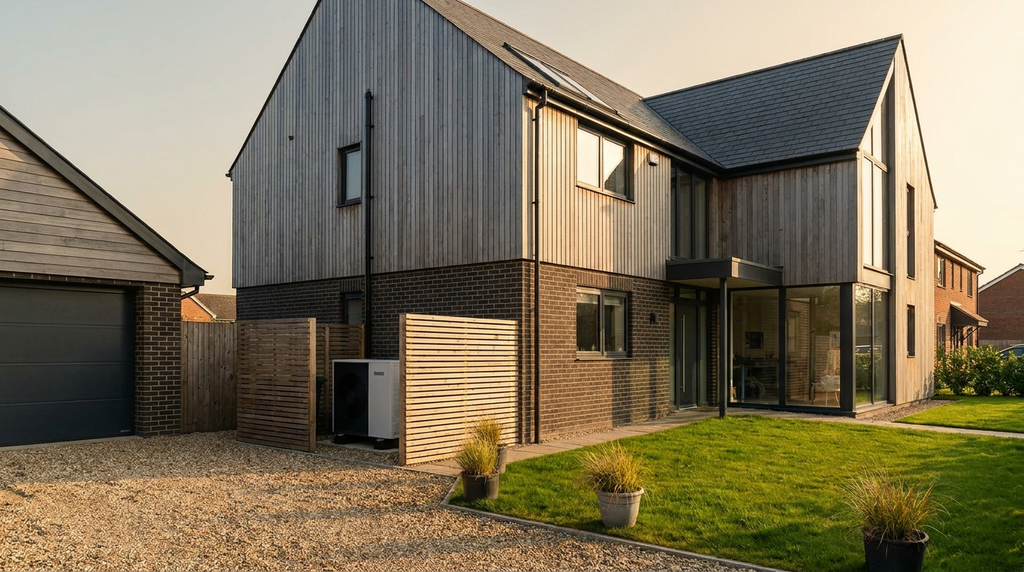
Samsung Heat Pump Review, Models (UK, 2026)
A Samsung heat pump costs £7,000–£15,000 installed, but the £7,500 Boiler Upgrade Scheme grant can cut your outlay to zero. Running costs are £200–£600 lower annually than a gas boiler,…
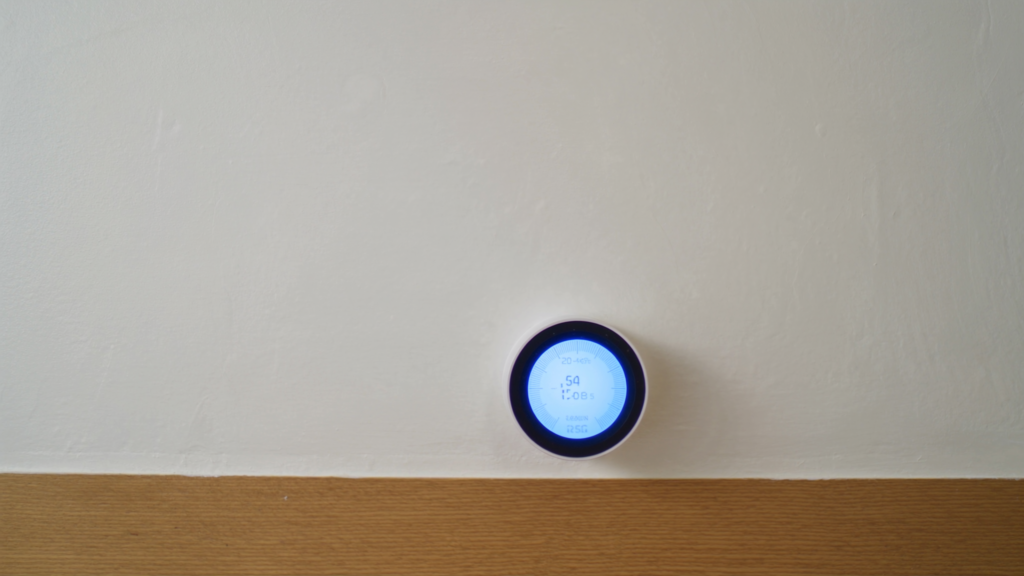
Vaillant aroTHERM Plus Heat Pump Review 2026
The Vaillant aroTHERM Plus costs £10,000-£14,000 installed and has a SCOP of 4.63, making it one of the most efficient heat pumps for UK homes. However, you may need radiator…
Daikin Altherma 3 Heat Pump Review UK 2026
The Daikin Altherma 3 costs £9,000-£14,000 installed, with a SCOP of up to 4.5 making it one of the most efficient heat pumps. Running costs for a 3-bed semi are…
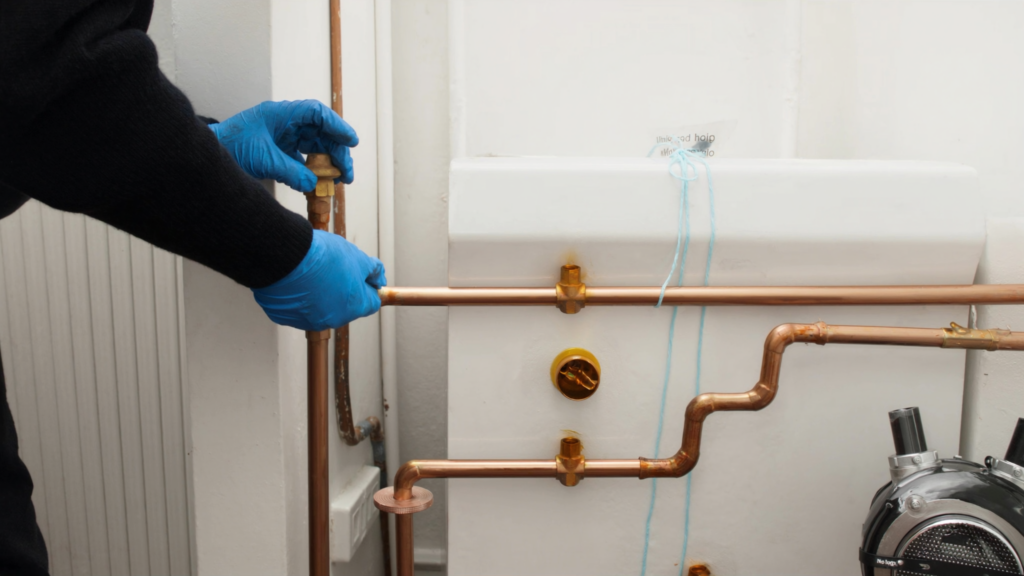
Mitsubishi Ecodan Heat Pump Review UK 2026
A Mitsubishi Ecodan heat pump costs roughly £770 per year to run in a 3-bed semi-detached home (2026), which is about 30% less than a gas boiler's £1,100. You can…
Heat Pump VAT Zero Rating, Rules (UK, 2026)
The 2026 heat pump VAT zero rate saves you roughly £2,000 on a typical air-source installation, compared to the old 20% rate. The permanent policy covers supply and installation of…

£9,000 Oil and LPG Heat Pump Grant UK 2026
Yes, from April 2026 you can claim £9,000 through the Boiler Upgrade Scheme (BUS) to replace oil or LPG heating with a heat pump. After the grant, an air source…
Get Eco Home Quotes in Isle of Anglesey
Compare quotes from trusted local eco home installers. No obligation.
Get a Free Quote