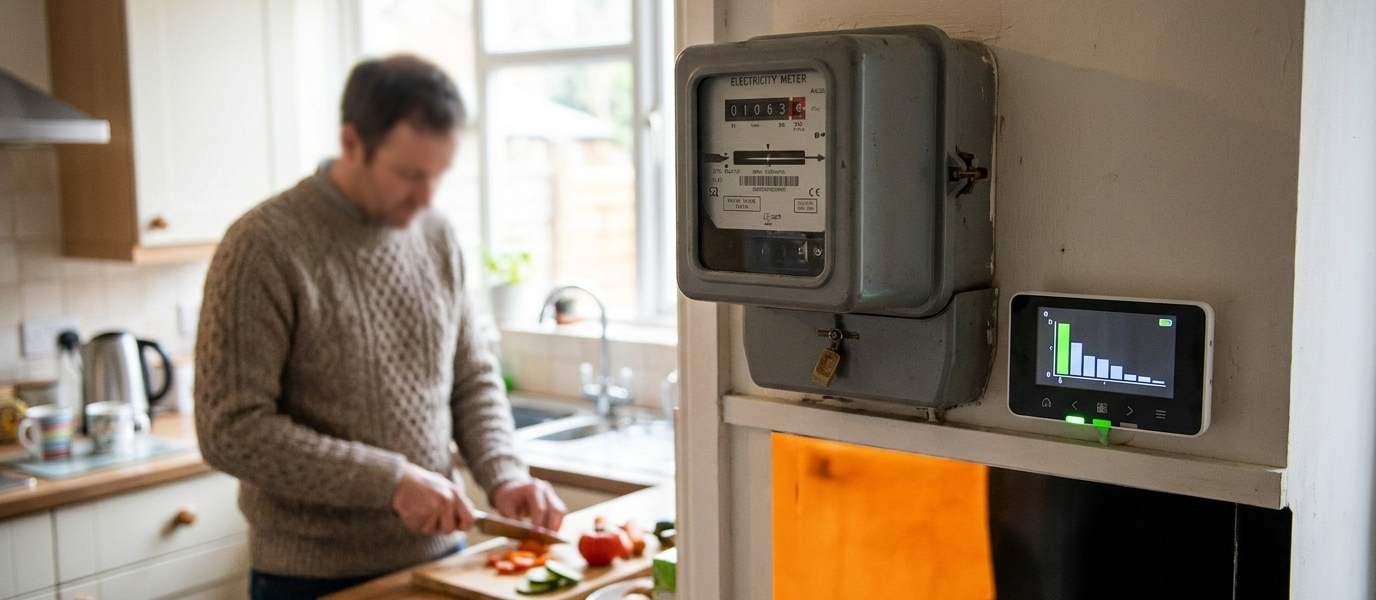
Electricity bills in the UK are set for their biggest structural shakeup in a decade, and for homeowners, the outcome could mean a direct cut to annual costs. Ofgem has confirmed it is working on a reform to how network charges are allocated, targeting the £200-300 a year the average household pays just to move electricity from power stations to homes. The change, as reported by the BBC, would shift costs from regions with high transmission distances, like Scotland and the South West, onto a national basis, potentially saving households in those areas up to £100 annually.
Who qualifies, and who doesn’t
The reform targets the ‘distribution use of system’ (DUoS) charge, which currently varies by postcode. A home in the Scottish Highlands pays roughly 30% more per kWh for network costs than one in London, according to Ofgem data. Under the new plan, these charges would be smoothed nationally. But the catch is that households in cheaper regions, particularly the South East and Midlands, could see a small rise, typically £15-25 a year, to fund the redistribution. The Energy Saving Trust estimates that a typical 3-bed semi in Inverness using 12,000 kWh could save £85; a similar home in Oxford might pay an extra £20.
What it costs a typical 3-bed semi
For most homeowners, the direct impact on the bill will be modest. Ofgem’s modelling suggests the average household will see a net reduction of £10-20 a year under the first phase of reforms. But the bigger prize is the second phase: time-of-use tariffs. Ofgem wants to incentivise households to shift washing, charging, and heating to off-peak periods, typically 10pm to 6am. A trial by Octopus Energy found that households on such tariffs saved an average of 12% on their electricity bill, about £90 a year for a typical dual-fuel home. For those with heat pumps or electric vehicles, the savings could exceed £200 annually, as these devices consume the most power. The government’s Boiler Upgrade Scheme already offers £7,500 towards a heat pump; combining that with a time-of-use tariff could halve running costs compared to a gas boiler.
The ‘but’ pivot, what this misses
Yet the reforms are not a silver bullet. The BBC report notes that network charges account for only about 20% of a typical bill; the rest is wholesale energy, policy costs, and VAT. Wholesale prices remain volatile, currently around 7p per kWh for electricity, up from 5p in 2021. Without a cap on wholesale margins, any savings from network reform could be swallowed by price spikes. Consumer groups including Which? have warned that time-of-use tariffs could penalise vulnerable households who cannot shift usage, such as those with medical equipment or shift workers. Ofgem has promised a ‘social tariff’ for low-income homes, but details remain vague.
What you should do now
Households can prepare now. Smart meters are essential for time-of-use tariffs, they are free from your supplier, and the government’s Smart Metering Implementation Programme aims for universal coverage by 2025. If you already have a heat pump or EV, ask your supplier about a time-of-use tariff; most offer them without a fixed contract. For those in high-cost regions, the reform is likely to be phased in from 2026, so check your current DUoS charge on your bill, it is listed as a separate line item. If you live in Scotland, the South West, or Wales, you stand to gain the most. Ofgem’s consultation closes in January 2025, and the final decision is expected by summer 2025. Homeowners who act early, by installing a smart meter or upgrading to a heat pump, will be first in line when the new tariffs go live.
Frequently Asked Questions
For most UK households, the direct impact will be a modest net reduction of £10-20 a year under the first phase of reforms. However, homes in regions like Scotland and the South West could save up to £100 annually, while those in cheaper areas like the South East and Midlands might see a small rise of £15-25 a year.
Time-of-use tariffs let you save by shifting energy use to off-peak hours, typically 10pm to 6am. Octopus Energy trials show average savings of 12% on electricity bills, about £90 a year for a typical dual-fuel home, and over £200 for homes with heat pumps or electric vehicles. A smart meter is essential and free from your supplier.
Yes, the Boiler Upgrade Scheme offers £7,500 towards a heat pump installation. When combined with a time-of-use tariff, this could halve running costs compared to a gas boiler, saving typical households over £200 annually on electricity.
Households in cheaper regions like the South East and Midlands could see a small increase of £15-25 a year to fund redistribution to higher-cost areas. Vulnerable households, including those with medical equipment or shift workers, may be penalised by time-of-use tariffs if they cannot shift usage. Ofgem has promised a social tariff for low-income homes, but details are still unclear.
Get a free smart meter from your supplier to enable time-of-use tariffs. Consider installing a heat pump with the £7,500 Boiler Upgrade Scheme grant to maximise savings. Monitor wholesale prices, which are currently around 7p per kWh, and be aware that network reforms alone won't cap volatile energy costs.




