Why Oxford Homeowners Are Turning to Double Glazing Right Now
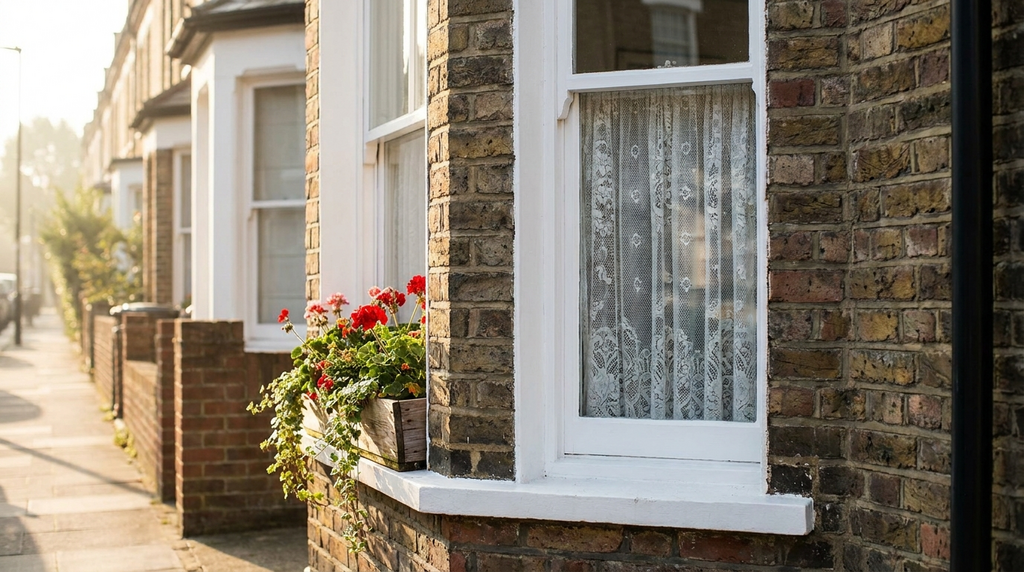
There’s a particular kind of draughty misery that comes with an Oxford winter. If you live in one of the thousands of Victorian terraces in Cowley, Jericho, or East Oxford, you’ll know exactly what we mean, that cold air seeping in around original timber frames, the condensation pooling on single-glazed panes, the radiator working overtime while heat leaks straight through the glass.
Oxford sits at Band D on average for energy performance, which puts it right at the national midpoint, meaning there’s enormous room for improvement across a huge swathe of the housing stock. With energy tariffs still painfully high in 2026, the maths on double glazing has rarely looked more compelling for homeowners here.
There’s also the Oxford property premium to consider. South East property values mean any meaningful upgrade to your home’s fabric adds tangible resale value. Estate agents across OX1 to OX4 consistently flag double glazing as a genuine buyer expectation, not a bonus. If you’re planning to sell within the next five years, installing quality double glazing now is almost certainly going to pay you back at the door as well as on your energy bills.
Finally, Oxford City Council has been actively encouraging energy retrofit schemes across the city’s residential areas, partly driven by its ambitious net-zero targets. That means both a more organised grant landscape and a local installer market that’s geared up and competitive.
What Double Glazing Actually Involves for a Typical Oxford Home
Let’s be honest about what you’re actually dealing with in most Oxford properties. The dominant housing eras here are Victorian and Edwardian terraces (1880s–1910s), post-war semis from the 1950s and 60s built during Oxford’s suburban expansion into areas like Blackbird Leys, Barton, and Wood Farm, and some more recent builds on the fringes near Marston and Risinghurst.
Each era brings its own quirks for double glazing installation:
- Victorian and Edwardian terraces, These typically have large, tall sash windows with detailed glazing bars. Replacing these like-for-like with double glazed units requires either full box sash replacements or slim-profile double glazing (more on this below). The brickwork is often solid rather than cavity, meaning thermal performance is already poor everywhere, so good glazing makes a big difference.
- 1950s–70s semis and terraces, These are actually the easiest properties to upgrade. Standard casement windows in regular openings, typically with wooden frames that are now well past their best. Replacement is usually straightforward, costs are lower, and the thermal improvement is dramatic.
- 1980s–90s builds, Some of these already have original double glazing fitted, but older units from this era often have failed seals, causing that familiar misty look between panes. You may be replacing rather than upgrading for the first time.
One practical consideration specific to Oxford terraces, access. In streets like those around Iffley Road, Cowley Road, or the older parts of Headington, parking is tight, skips can be difficult to place, and scaffolding for upper floor work sometimes requires road closure permissions from Oxford City Council. Build this into your planning conversations with installers from the start.
Party walls are another consideration in tightly-packed terraced streets. Some older Oxford terraces have window openings positioned close to shared boundaries. A good installer will flag any structural issues here before work begins.
How Much Double Glazing Costs in Oxford and the Surrounding Area in 2026
Oxford sits in a broadly competitive pricing zone. Labour costs are moderate, noticeably lower than central London, but slightly above the national average due to South East demand. Installers from Oxford typically serve a cluster covering Abingdon, Didcot, Witney, and stretching as far as Aylesbury, which keeps their order books full and their pricing reasonably keen.
Here’s a realistic breakdown of what you should expect to pay in 2026:
| Property Type and Scope | Oxford Estimate | South East Average | National Average |
|---|---|---|---|
| 2-bed terrace, full house (6–8 windows) | £4,200 – £5,800 | £4,500 – £6,200 | £3,800 – £5,400 |
| 3-bed semi-detached, full house (8–10 windows) | £5,500 – £7,500 | £5,800 – £8,000 | £4,800 – £6,800 |
| Single casement replacement | £450 – £700 | £480 – £750 | £380 – £620 |
| Sash window double glazed replacement (per window) | £900 – £1,400 | £950 – £1,500 | £800 – £1,300 |
| Bay window double glazed unit | £1,200 – £1,900 | £1,300 – £2,000 | £1,000 – £1,700 |
| Front door with double glazed panels | £1,100 – £1,800 | £1,200 – £1,900 | £950 – £1,600 |
| Conservation-spec slim double glazing (per window) | £1,100 – £1,800 | £1,200 – £1,900 | £1,000 – £1,700 |
Why is Oxford slightly below the South East average in many categories? Mainly because the city’s installer market is genuinely competitive, there are multiple well-established local firms who aren’t having to factor in long travel from major cities. Compare this to villages between Oxford and Aylesbury, where you might pay a travel premium on top.
Always get three quotes. And be wary of any quote that doesn’t include old frame disposal, silicone finishing, and a FENSA certificate, these should be standard inclusions, not extras.
How Oxford’s Weather and Location Shape Your Double Glazing Choices
Oxford’s climate is genuinely one of the more favourable in the UK for homeowners, and it changes the double glazing conversation in some interesting ways.
Winters here are milder than the UK average, sitting in that 1,200 to 1,500 heating degree days range, which means the brutal sub-zero conditions that push thermal performance to its limits are relatively rare. That’s good news in one sense, but it also means you can afford to focus some of your decision-making on summer performance, not just winter heat retention.
Oxford gets excellent solar irradiance, around 1,100 to 1,200 kWh per square metre per year, which is genuinely among the best in mainland UK. South and west-facing rooms in Oxford properties can get surprisingly warm in summer, and poorly chosen glazing can turn a front room into a greenhouse by July. This is why solar control glass is worth considering for south-facing aspects, it reduces solar heat gain without sacrificing light levels.
Rainfall is moderate at around 700 to 900mm per year, and Oxford isn’t particularly exposed to coastal winds, so wind-driven rain resistance is less of a headline concern than it would be in, say, the Cotswold edge villages further north-west. Even so, the Thames Valley location does create some specific microclimate effects, morning mists and higher humidity in lower-lying areas like Osney, Grandpont, and parts of South Oxford near the river. Higher-specification seals and quality frame materials are more important in these damper zones to avoid premature seal failure or frame deterioration.
The Products and Options That Actually Perform Well in Oxford Homes
Based on Oxford’s housing stock and climate, here’s genuinely useful advice on what to specify:
For Victorian and Edwardian Terraces in Jericho, St Clements, or Cowley
If you’re not in a conservation area, consider uPVC sash replacements with dummy glazing bars, these give you the period look with modern thermal performance, typically achieving U-values around 1.4 W/m²K. If you want to go further, slim-profile double glazing (units as thin as 14mm overall) can be fitted into existing timber boxes, maintaining the original feel.
Frame Materials for Oxford’s Mix of Properties
- uPVC, Best value for post-war semis and terraces. Low maintenance, good thermal performance, widely available from Oxford installers. White is standard but colour options are increasingly affordable.
- Composite frames, A strong choice for Victorian properties. Timber internal face gives the period aesthetic; aluminium or uPVC exterior handles weathering. More expensive but lasts well in Oxford’s damp-ish winters.
- Aluminium slim-line, Excellent for modern extensions and orangeries, and increasingly popular in Headington and North Oxford’s newer builds. Slimmer sight lines, durable, but thermally inferior unless you specify a proper thermal break.
Glazing Specifications Worth Paying For
- Argon-filled units, Standard now and worth insisting on. Argon gas between panes significantly outperforms air-filled alternatives.
- Low-E coating, Essential. This microscopically thin metallic layer on the inner pane reflects heat back into the room. Aim for a U-value of 1.2 W/m²K or lower for a good-performing unit.
- Triple glazing, Not usually necessary given Oxford’s mild winters, but worth considering if you’re on a busy road (Oxford’s traffic noise is a genuine quality-of-life issue on the A4074, A40 corridor, and Iffley Road). Triple glazing offers better acoustic performance alongside slightly improved thermal ratings.
How to Find a Trustworthy Double Glazing Installer Near Oxford
Oxford has a reasonably healthy installer market, and because local companies also serve Abingdon, Didcot, Witney, and beyond, you benefit from firms that have enough volume to stay competitive and skilled. But the market isn’t without its cowboys, so here’s how to filter properly.
Certifications to look for:
- FENSA registration, Non-negotiable. FENSA-registered installers self-certify compliance with Building Regulations, which means you get an official certificate without needing a separate local authority inspection. This is essential for selling the property later.
- TrustMark accreditation, The government-endorsed quality mark for tradespeople. A good signal that the installer takes their professional reputation seriously.
- GGF membership (Glass and Glazing Federation), Many reputable Oxford firms carry this. It includes deposit protection and a complaints process.
Questions worth asking any Oxford installer:
- Are you FENSA registered and will you provide a certificate on completion?
- Do you carry public liability insurance and what is the level of cover?
- What U-value will the finished units achieve?
- How do you handle access on narrow streets, do you have experience with Oxford’s terraced roads?
- Is frame disposal and site clearance included in the quote?
Red flags to watch for: Any installer offering a same-day significant discount, requiring large upfront deposits (more than 25%), or unable to provide references from local Oxford jobs should be avoided. Lead times in 2026 for quality South East installers typically run 4–8 weeks, be suspicious of anyone who can start next week on a full house job.
Grants and Funding Available to Oxford Residents in 2026
The grant picture in 2026 is more active than many homeowners realise. Here’s what’s genuinely available:
ECO4 Scheme
The Energy Company Obligation scheme (ECO4) can fund window upgrades as part of a whole-house energy improvement package. To qualify, you typically need to be receiving means-tested benefits (Universal Credit, Pension Credit, and similar) and live in a home rated EPC Band D or below, which covers the majority of older Oxford properties. Oxford City Council has designated area-based eligibility zones in some parts of East Oxford and Blackbird Leys, so even some households not on benefits may qualify.
Great British Insulation Scheme (GBIS)
GBIS targets homes in EPC Bands D to G. Double glazing can be funded as part of a wider energy efficiency bundle under this scheme. Contact your energy supplier directly or go through the government’s Simple Energy Advice service to check eligibility. Oxford residents have benefited from good uptake of this scheme given the proportion of Band D properties across the city.
Oxford City Council Local Retrofit Initiatives
Oxford City Council, working under its Zero Carbon Oxford commitments, has supported various local retrofit loan and grant programmes. These have included low-interest council-backed loans for energy improvements in privately owned homes, particularly targeted at properties in areas with high proportions of older housing stock. Check the council’s housing pages directly for the most current active schemes, these change more frequently than national programmes.
Warm Homes – Local Grant
This successor to previous area-based schemes provides funding through local authorities for low-income households in energy-inefficient homes. Oxford City Council participates in delivery of this scheme across the district. Eligible homeowners and some private renters may access funding for glazing as part of a qualifying package of improvements.
Practical tip, most grants for glazing are only available as part of a broader energy package, not as a standalone glazing grant. If you’re hoping for fully funded glazing, make sure you explore what other improvements might be bundled in, loft insulation, for example, is often a qualifying additional measure and genuinely worthwhile in older Oxford terraces.
Planning Permission and Oxford’s Conservation Rules
This is where Oxford diverges significantly from many other UK towns, so pay close attention.
Oxford has an unusually large proportion of its residential areas covered by Conservation Area designations. Areas including Jericho, St Clements, Headington Quarry, Osney, and significant parts of North Oxford around Norham Gardens fall within designated conservation areas. In these zones, standard permitted development rights for window replacement are either restricted or removed entirely.
In a conservation area, you generally need to apply for planning permission if your new windows would be materially different in appearance from the originals, different profile sizes, different glazing bar patterns, or non-timber frames in some cases. Oxford City Council’s planning department takes this seriously and refusals do happen.
What this means practically:
- If you’re in a conservation area, discuss your plans with a FENSA-registered installer who has specific experience with Oxford City Council conservation applications, they’re not all the same.