Why Witney Homeowners Are Turning to Double Glazing Right Now
There’s something of a quiet upgrade revolution happening across Witney’s residential streets, from the Victorian terraces off Corn Street to the post-war semis in Cogges and the newer builds spreading out towards Witney Lakes. Energy bills have bitten hard, and homeowners sitting on a Band D EPC rating are increasingly realising that single glazed or ageing double glazed windows are one of the biggest culprits.
Witney is in an interesting position. It sits firmly in the South East, a region with the best solar irradiance in England and milder winters than most of the country. That means your home doesn’t face the brutal heating demands of, say, a house in Yorkshire. But it also means inefficient windows let warmth bleed out during the cooler months when you least want it to, and let unwanted heat in during warm Oxfordshire summers.
With average gas usage in Witney running at around 10,800 kWh per year, close to the national median, there’s genuine savings potential here. Combine that with West Oxfordshire District Council’s growing focus on retrofit programmes, and 2026 is genuinely one of the better moments to act. Installers are competitive, funding routes exist, and property values in the South East mean improvements add real resale weight too.
What Double Glazing Actually Involves for a Typical Witney Home
Most properties in Witney are either semi-detached or terraced, built across a fairly wide spread of eras. You’ll find late Victorian and Edwardian terraces near the town centre, inter-war semis in areas like Newland, and larger estates from the 1960s through to the 1990s stretching outward. Each era presents its own quirks for fitting new windows.
Victorian and Edwardian Terraces
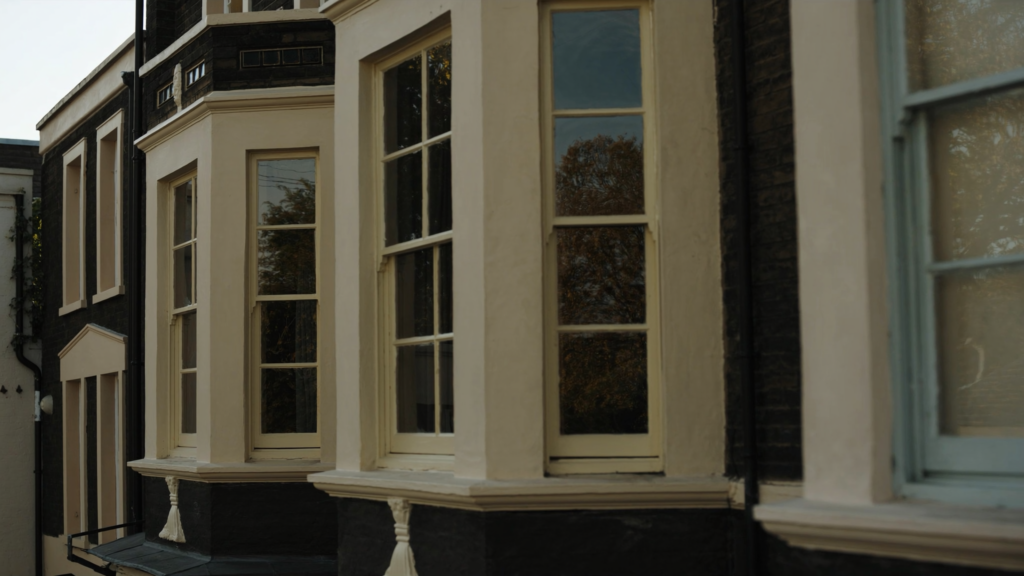
If your home dates from before 1920, expect bay windows, sash designs, and thicker original timber frames. These properties often sit closer to Witney’s historic core, which means conservation area considerations can come into play (more on that below). Replacing sash windows with modern double glazed equivalents that preserve the visual character is entirely achievable, but it does cost more than a straightforward casement swap.
Mid-Century Semis
Homes built between the 1940s and 1970s, common throughout Cogges and Hailey Road areas, often have steel or early aluminium frames that are well past their best. Replacing these is usually very straightforward, with standard casement windows fitting neatly into existing openings. These properties often benefit most from upgrading because the original glazing was never thermally efficient.
1980s and 1990s Builds
Many Witney homeowners in these properties already have some form of double glazing, but it may be reaching the end of its 20–25 year lifespan. Seals fail, condensation builds between panes, and older units simply don’t meet the thermal standards available today. Replacement rather than repair is almost always better value at this age.
One practical note, Witney’s streets in older residential areas can be tight for parking and access. Installers need to get frames in and old units out, and if you’re on a narrow terrace row, it’s worth flagging this when getting quotes. Most Witney-based and Oxford-covering installers know the area well and plan accordingly.
How Much Double Glazing Costs in Witney and the South East in 2026
Let’s be direct about costs, because vague “from £X” figures are frustrating when you’re trying to budget. The South East sits slightly above the national average for installation costs, driven by higher labour rates and, close to Witney, the occasional premium from installers whose diaries are also pulled toward Oxford and the wider London commuter belt.
| Property Type | Number of Windows | Standard uPVC Double Glazing | Premium uPVC or Aluminium | Triple Glazing Upgrade |
|---|---|---|---|---|
| Mid-terrace (2 bed) | 5–7 windows | £3,200–£4,500 | £4,800–£6,500 | £5,500–£7,800 |
| Semi-detached (3 bed) | 8–11 windows | £4,800–£6,500 | £6,500–£9,000 | £7,500–£11,000 |
| Detached (4 bed) | 12–16 windows | £7,000–£9,500 | £9,500–£14,000 | £11,000–£17,000 |
| Bay window add-on | Per bay | £900–£1,400 | £1,400–£2,200 | £1,800–£2,800 |
| Sash window replacement | Per window | £750–£1,100 | £1,000–£1,600 | £1,300–£2,000 |
These figures reflect full supply and installation. For context, Witney prices tend to sit roughly 8–12% above the national average, but below what you’d pay in Oxford city centre (where access premiums and conservation constraints are even greater). Towns like Didcot and Abingdon are comparable to Witney on pricing, while Shipston-on-Stour, further out, can see slightly higher quotes due to reduced installer competition.
Insider tip, always get at least three quotes and ask each installer to specify the U-value of the units they’re proposing. A cheaper quote using a 1.4 W/m²K unit is often worse value than a slightly pricier one using a 1.0 W/m²K unit. The numbers matter more than the headline price.
How Witney’s Weather and Location Shape Your Double Glazing Decisions
Witney’s climate is genuinely mild by UK standards. Sitting in the Windrush Valley in central Oxfordshire, it’s sheltered from the worst coastal winds and sees moderate rainfall, typically 700–800mm per year. Winters are real but not punishing, with heating degree days in the 1,200–1,500 range. This is useful context for your glazing choices.
Because Witney benefits from some of the best solar irradiance in England, around 1,100–1,200 kWh/m² per year, south-facing rooms can actually get quite warm in summer. This makes solar control glass a genuinely worthwhile consideration for south and west-facing windows, not just a nice-to-have. Without it, you can end up with rooms that overheat from spring through to October.
The moderate rainfall and lack of extreme wind exposure means that unlike coastal properties, Witney homes don’t need to prioritise ultra-heavy-duty storm resistance above everything else. Standard double glazed units with good seals and quality frames perform well here. What matters more in Witney’s climate is thermal retention overnight and good ventilation options, trickle vents are particularly useful in the older, less-ventilated terraces near the town centre.
The Windrush Valley location also means some lower-lying areas near the river can see morning mist and higher localised humidity. If your home is in or near the Woodgreen or riverside areas, ensure your installer specifies warm edge spacer bars in the sealed units, these dramatically reduce condensation on the inner pane edge in damp conditions.
The Products and Specifications That Actually Perform Well in Witney
Given Witney’s mild-but-real winters, good solar gain potential, and mix of older and newer housing stock, here’s what genuinely performs best rather than a generic product list.
- uPVC casement windows with A-rated or A+ rated units, the workhorse choice for most Witney semis and terraces. Look for units with a U-value of 1.2 W/m²K or better (1.0 W/m²K is achievable and worth specifying). These hit the sweet spot of cost, performance, and longevity.
- Warm edge spacer bars, particularly important given Witney’s seasonal humidity shifts. These reduce cold bridging at the edge of the sealed unit, which is where most condensation and seal failure starts. Swisspacer or Thermix bars are well-regarded options.
- Low-E coating (low emissivity glass), standard on most modern units but worth confirming. It reflects heat back into the room while allowing daylight through. Essential for Witney’s colder nights from November through February.
- Solar control glass for south and west elevations, given Witney’s irradiance levels, this is genuinely advisable. Products like Pilkington Activ Solar or Saint-Gobain Climatop Solar manage solar heat gain without sacrificing light.
- Slim aluminium or timber-look uPVC for conservation-adjacent properties, if your home is in or near Witney’s older streets, slim sight-line frames help maintain the visual character without the planning complications of full heritage timber.
- Triple glazing, worth considering if you’re in a noisier location (near the A40 corridor or the Witney town centre) or planning a long-term stay. The additional cost over double is roughly 20–30%, but noise reduction and thermal performance are meaningfully better.
One thing to avoid, cheap sealed units with standard aluminium spacer bars (the original warm-edge alternative that’s still sometimes sold). These cold-bridge badly in autumn and are often the source of the misted-window problems you might already be dealing with in older installations.
Finding a Trustworthy Double Glazing Installer Near Witney
Witney sits comfortably within the service radius of a good number of established installers. Most operate across the Oxford–Witney–Abingdon triangle, and some extend to Didcot and the Shipston-on-Stour direction. The installer market here is competitive, which works in your favour, but it also means a handful of less reputable operations chase work in the area.
Certifications to Look For
- FENSA registration, this is the key one for window and door replacement. A FENSA-registered installer self-certifies that the work meets building regulations, saving you from having to apply for a council inspection. Always ask for the FENSA certificate on completion.
- TrustMark accreditation, government-endorsed quality mark that gives additional consumer protection and is increasingly required for grant-funded work.
- CERTASS, an alternative to FENSA, equally valid. Either is fine.
- GGF membership (Glass and Glazing Federation), useful indicator of an established, professional operation rather than a one-van trader.
Questions Worth Asking Before You Sign
- What U-value do the sealed units achieve, and can you confirm this in writing?
- Are you FENSA or CERTASS registered, and will you provide the certificate?
- What is included in the guarantee, and who backs it if your company closes?
- Do you have experience with properties in Witney’s conservation area or with heritage-style frames?
- How do you handle waste disposal of old frames and glass?
Red flags, pressure to sign on the day, no physical address (just a mobile number), unusually low quotes with vague specifications, and any installer who can’t provide examples of local work or references from Witney or nearby Oxford area jobs.
Lead times in the South East currently run at 3–6 weeks for standard orders, pushing to 8–10 weeks for bespoke or heritage-style frames. Book earlier in autumn if you want windows installed before winter, that window (no pun intended) fills up fast once October arrives.
Grants and Funding Available to Witney Residents in 2026
Funding for double glazing has become more structured in 2026, and Witney homeowners have several routes worth exploring seriously.
ECO4 Scheme
The Energy Company Obligation (ECO4) funds energy efficiency improvements, including glazing, for lower-income households. To qualify, you typically need to be receiving means-tested benefits (such as Universal Credit, Pension Credit, or Child Tax Credit) and have a property at EPC Band D or below. Given that Witney’s average EPC sits at Band D, a substantial number of homes are technically eligible on the property rating side. Apply through your energy supplier or via the government’s Simple Energy Advice portal.
Great British Insulation Scheme (GBIS)
The Great British Insulation Scheme closed on 31 March 2026. It funded insulation measures only and never covered windows or glazing. This is particularly relevant in Witney where Band D is the average, you may qualify even without receiving benefits. Glazing upgrades can be included as part of a wider retrofit package. West Oxfordshire District Council has engaged with GBIS delivery, so it’s worth contacting them directly to ask about local referral routes.
West Oxfordshire District Council Retrofit Support
West Oxfordshire has been active in supporting retrofit initiatives, and the council’s housing team can point residents toward current local authority delivery schemes that run alongside national programmes. These schemes sometimes offer top-up funding or advice vouchers. Check the council website directly or contact their housing improvement team, the picture changes quarterly as funding rounds open and close.
Home Upgrade Grant (HUG)
For homes not connected to the gas grid, HUG funding can cover multiple improvements including glazing as part of a package. If your Witney property uses oil or electric heating rather than mains gas, this is worth investigating.
Honest note, double glazing rarely qualifies as a standalone grant item. It almost always needs to be part of a broader retrofit package. But if you’re also considering insulation or heating upgrades, bundling them together significantly improves your chances of meaningful grant support.
Planning Permission and Building Regulations in Witney
For most Witney homeowners in standard semi-detached or terraced properties, replacing windows with double glazing is covered by permitted development rights, meaning you don’t need to apply for planning permission. However, there are important local exceptions to know about.
Conservation Areas
Witney has a defined Conservation Area covering much of the historic town centre, including areas around Church Green, the Butter Cross, and streets running off the high street. If your home falls within this boundary, permitted development rights for window replacement are restricted. You’ll need to ensure any replacement windows match the original appearance in material and style, uPVC is often not acceptable in place of original timber sash or casement designs. Contact West Oxfordshire District Council’s planning department before ordering.
Listed Buildings
If your property is listed, and some of Witney’s older central properties are, you’ll need Listed Building Consent for any window changes, regardless of whether they’re