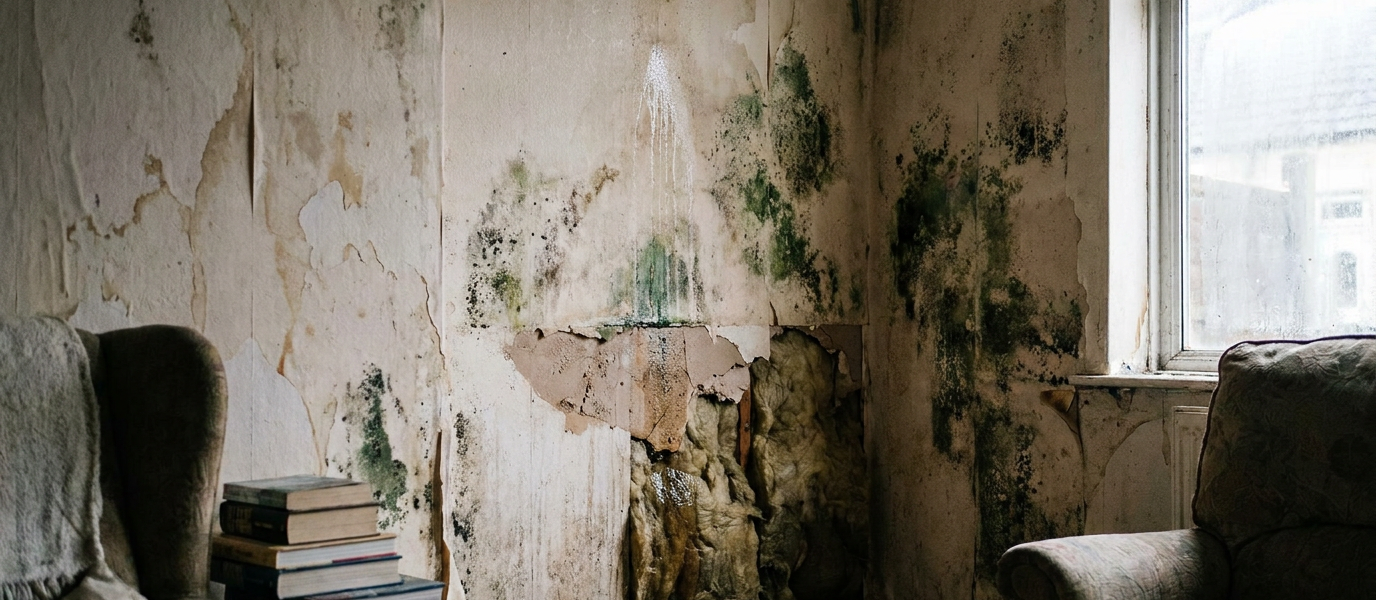
Nearly 10,000 homes are at risk of damp, mould and structural damage after botched cavity-wall and loft-insulation installations under past government schemes, the BBC has reported. The failures stem from work carried out between 2008 and 2015 under the Carbon Emissions Reduction Target and the Energy Company Obligation, where unqualified installers often used the wrong materials or blocked ventilation. For a typical 3-bed semi in Manchester or Glasgow, that can mean black mould spreading across bedroom ceilings within two winters, and a repair bill that runs into the thousands.
As reported by BBC News, the National Insulation Association estimates that up to 250,000 homes may have defective insulation from these schemes, though the government has not confirmed a figure. The catch is that many homeowners only discover the problem when they try to sell or remortgage, an EPC survey reveals the damp or missing insulation, and the rating drops from a C to an E or F. That can kill a sale or add £1,500 a year to heating bills.
Who pays for the repairs
Under the original ECO scheme, the energy company that funded the installation is liable for defects, but only if the work was done after 2013. For earlier installations, homeowners are often left to pursue the installer directly, many of whom have gone out of business. The government launched a £1.6 billion Social Housing Decarbonisation Fund in 2020, but that targets social landlords, not private homeowners. For a typical 3-bed semi needing cavity-wall insulation removed and replaced, costs range from £3,000 to £6,000, according to industry estimates. Loft-insulation removal and re-installation runs £800 to £1,500. The Energy Saving Trust advises homeowners to first check if their original installer is still trading and to contact their energy supplier, but the process is slow and rarely covers the full cost.
What this means for your EPC
An EPC rating is calculated on the assumed performance of installed insulation. If the insulation is defective, damp, missing, or incorrectly fitted, the assessor must deduct points. A home that would otherwise score a 70 (C) can drop to a 45 (E) if cavity-wall insulation is deemed ineffective. That costs the homeowner around £300 a year in higher energy bills for a gas-heated home, based on Ofgem’s typical consumption figures. Worse, the EPC is valid for 10 years, so a bad rating can lock you out of cheaper mortgages: many lenders now require a minimum EPC of C for the best rates. The fix is to have the insulation inspected by a certified installer and, if necessary, removed and replaced with a compliant system. That should restore the rating, but the process takes months.
New grants and what to watch for
The Great British Insulation Scheme closed on 31 March 2026. It funded insulation measures only and never covered windows or glazing. The catch: the installer must be TrustMark registered and the work must comply with PAS 2030 standards. That is a significant improvement over the earlier schemes, but homeowners should still ask for a written warranty covering at least 10 years. The government has also introduced a new Insulation Guarantee Scheme, but it only covers installations from 2023 onwards. For anyone with older insulation, the only real option is to pay for an independent survey, costing around £200, to identify the problem, then claim through the original installer’s liability insurance if they are still in business. Ofgem’s website lists the contact details for each energy supplier’s ECO complaints team, but the process is adversarial and can take 12 months.
What to do now
If you have cavity-wall or loft insulation installed before 2015, book an inspection with a TrustMark-registered surveyor, not the original installer. Check your EPC for any notes about insulation condition. If you find damp or mould, take photos and log a complaint with your energy supplier immediately. The government’s Home Energy Hub (gov.uk) offers a free advice line on 0800 444 202. For those planning to sell, consider a pre-sale EPC assessment so you can fix issues before listing. The insulation scandal shows cheap grants without proper oversight can cost homeowners far more than they save. But with the right checks, you can avoid becoming the next headline.
Frequently Asked Questions
Common signs include black mould spreading on bedroom ceilings within two winters, damp patches on walls, and structural damage. You may also notice higher energy bills, up to £1,500 a year more for a typical 3-bed semi, or a drop in your EPC rating from a C to an E or F.
If the work was done after 2013 under the ECO scheme, the energy company that funded the installation is liable for repairs. For earlier installations, you must pursue the installer directly, but many have gone out of business. Repair costs for a typical 3-bed semi range from £3,000 to £6,000 for cavity wall removal and replacement, or £800 to £1,500 for loft insulation.
Defective insulation can drop your EPC rating from a C to an E or F, costing about £300 a year more in heating bills for a gas-heated home. Many UK lenders now require a minimum EPC of C for the best mortgage rates, so a poor rating could lock you out of cheaper deals.
The installer must be TrustMark registered and work must comply with PAS 2030 standards. The £1.6 billion Social Housing Decarbonisation Fund only covers social landlords, not private homeowners.
First, check if the original installer is still trading and contact your energy supplier, though the process is slow and rarely covers full costs. Then, have the insulation inspected by a certified TrustMark-registered installer. If defective, removal and replacement costs £3,000 to £6,000 for a typical 3-bed semi, which should restore your EPC rating.




