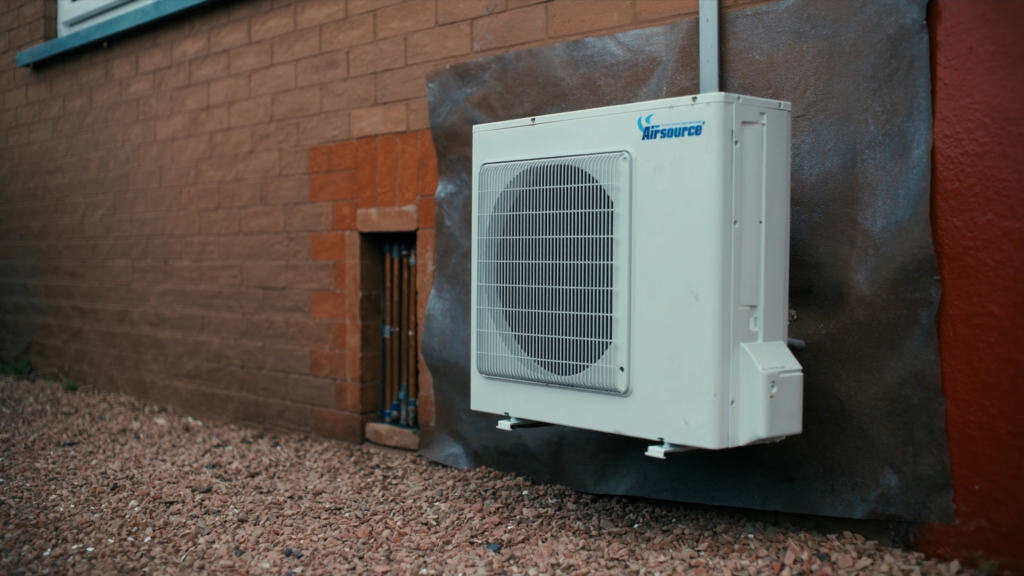
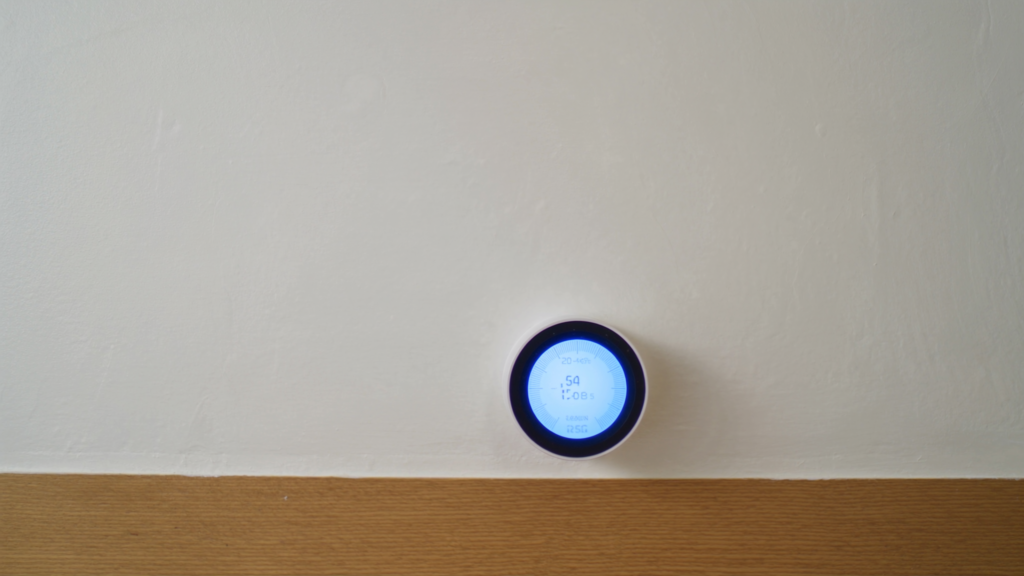
The typical combined heat pump and battery storage system costs £14,000–£18,000 after the £7,500 BUS grant
A heat pump and battery storage system replaces a gas boiler and allows you to store cheap electricity for later use. The combined upfront cost depends on the size of both components and whether you qualify for government support.
The Boiler Upgrade Scheme (BUS) provides a fixed £7,500 grant for air-source heat pumps in England and Wales, reducing upfront costs from £21,500–£25,500 to £14,000–£18,000 (GOV.UK, 2026). Battery storage adds £4,500–£8,000 depending on capacity (typically 5–13.5 kWh), bringing the combined total to £18,500–£26,000 before any solar generation (Energy Saving Trust, 2026).
A heat pump with battery storage can cut annual heating and electricity bills by £800–£1,200 compared to a gas boiler and no battery
The heat pump alone saves the average three-bedroom home £300–£500 per year on heating versus a gas boiler, based on Ofgem’s typical domestic consumption values (12,000 kWh gas, 2,900 kWh electricity) (Ofgem, 2026). Adding battery storage allows the homeowner to store cheap off-peak electricity (Octopus Agile or Economy 7 rates at 7–12p/kWh) and use it during peak hours (28–35p/kWh), saving £500–£700 annually.
Combined savings assume the battery is sized to cover the heat pump’s overnight operation and daytime top-up. Energy Saving Trust 2026 modelling shows a 10 kWh battery paired with a 7 kW heat pump achieves this range (Energy Saving Trust, 2026).
Quick numbers key performance and cost figures for heat pump and battery storage
| Row | Column 1 | Column 2 | Column 3 |
|---|---|---|---|
| 1 | Typical heat pump capacity | 5–12 kW | 7 kW most common for 3-bed homes |
| 2 | Typical battery storage capacity | 5–13.5 kWh | 10 kWh most common paired with heat pump |
| 3 | Heat pump COP (coefficient of performance) | 2.5–4.0 | Average 3.0 across UK installations |
| 4 | Battery round-trip efficiency | 85–95% | Lithium-ion typical 90% |
| 5 | BUS grant amount (England & Wales) | £7,500 | Fixed, not means-tested |
| 6 | Typical payback period (heat pump + battery) | 12–18 years | Based on £800–£1,200 annual savings |
| 7 | CO₂ saving vs gas boiler | 2.5–4.0 tonnes/year | Depends on grid carbon intensity |
| 8 | Battery lifespan | 10–15 years | Typically 6,000–10,000 cycles |
The heat pump and battery must be MCS-certified and installed by an MCS-registered contractor to qualify for government grants
The Microgeneration Certification Scheme (MCS) is mandatory for both the heat pump product and the installer to access the £7,500 BUS grant, and also for any Smart Export Guarantee (SEG) payments from the battery (MCS, 2026). For battery storage alone (without solar), MCS is not required for the battery installation, but it is required for the heat pump. A combined system installer must hold MCS for heat pumps and ideally NAPIT or NICEIC registration for the electrical work.
TrustMark registration is also required for the installer to be eligible for BUS. Check the MCS installer database at mcscertified.com and TrustMark at trustmark.org.uk (TrustMark, 2026).
A 7 kW heat pump paired with a 10 kWh battery covers 60–80% of a typical home’s heating and electricity demand during winter peak hours
The heat pump draws 2–3 kW of electricity when running, and the battery can supply this for 3–5 hours during the 4–8pm peak period, reducing grid demand and saving on time-of-use tariffs (Energy Saving Trust, 2026). On a typical winter day, the battery charges overnight (12am–6am) at off-peak rates, then discharges to run the heat pump and household loads during the afternoon/evening peak.
The remaining 20–40% of peak demand is met by grid electricity at standard rates. This gap narrows if solar panels are added (not covered in this article). solar panel and battery storage costs
The direct answer a heat pump with battery storage works by using cheap off-peak electricity to run the heat pump and store energy, then using that stored energy to power the heat pump during expensive peak hours, cutting heating bills by £800–£1,200 per year
The heat pump extracts heat from outside air (or ground) and compresses it to heat your home, using 1 kWh of electricity to produce 3 kWh of heat (COP of 3.0) (Energy Saving Trust, 2026). The battery stores electricity from the grid during low-rate periods (typically 12am–6am at 7–12p/kWh) and releases it during high-rate periods (4–8pm at 28–35p/kWh) to run the heat pump.
The combined system shifts the heat pump’s electricity consumption from peak to off-peak hours, maximising savings without changing heating behaviour (Energy Systems Catapult, 2026).
Battery storage eligibility for the Smart Export Guarantee (SEG) requires MCS certification and a compatible heat pump or solar array
The SEG pays homeowners for electricity exported to the grid from a battery, but only if the battery is charged from an MCS-certified renewable source (heat pump with solar, or solar panels) (Ofgem, 2026). A battery charged solely from the grid (for example, for time-of-use shifting) is not eligible for SEG payments. The heat pump alone does not generate electricity to export.
Typical SEG rates are 3–15p/kWh depending on the supplier. Octopus Outgoing Fixed pays 15p/kWh for solar and battery, but not for heat pump and battery alone (Octopus Energy, 2026).
The payback period for a heat pump and battery system is 12–18 years, shorter if you use a time-of-use tariff and have a high heat pump COP
At £800–£1,200 annual savings and a combined cost of £18,500–£26,000, the simple payback is 15–22 years without the BUS grant, or 12–18 years with the £7,500 grant (Energy Saving Trust, 2026). Using a smart tariff like Octopus Agile or Economy 7 can reduce the payback by 2–4 years by increasing savings from battery arbitrage (buying at 7p, using at 35p = 28p/kWh saved).
A heat pump with a COP of 3.5 or higher (for example, in a well-insulated home with underfloor heating) reduces electricity consumption by 15–20% compared to a COP of 3.0, further shortening payback (DESNZ, 2026). heat pump running costs and savings calculator
Frequently Asked Questions
A typical system costs £14,000–£18,000 after the £7,500 Boiler Upgrade Scheme grant, or £21,500–£25,500 without it, according to GOV.UK 2026 data.
No, a heat pump works without battery storage. Adding a battery lets you store cheap off-peak electricity for later use, increasing savings by £500–£700 annually, per Energy Saving Trust 2026 modelling.
A heat pump saves £300–£500 yearly on heating versus a gas boiler for a typical three-bed home, based on Ofgem 2026 typical domestic consumption values.
A 10 kWh battery is most common for pairing with a 7 kW heat pump in a three-bed home, per Energy Saving Trust 2026 recommendations. Smaller homes may use a 5 kWh battery.
The Boiler Upgrade Scheme provides a fixed £7,500 grant for air-source heat pumps in England and Wales, reducing upfront costs significantly, as confirmed by GOV.UK 2026.