A 2026 DESNZ report found that fewer than 5% of heat pump units in the UK are currently recycled through official channels, creating a growing waste stream.
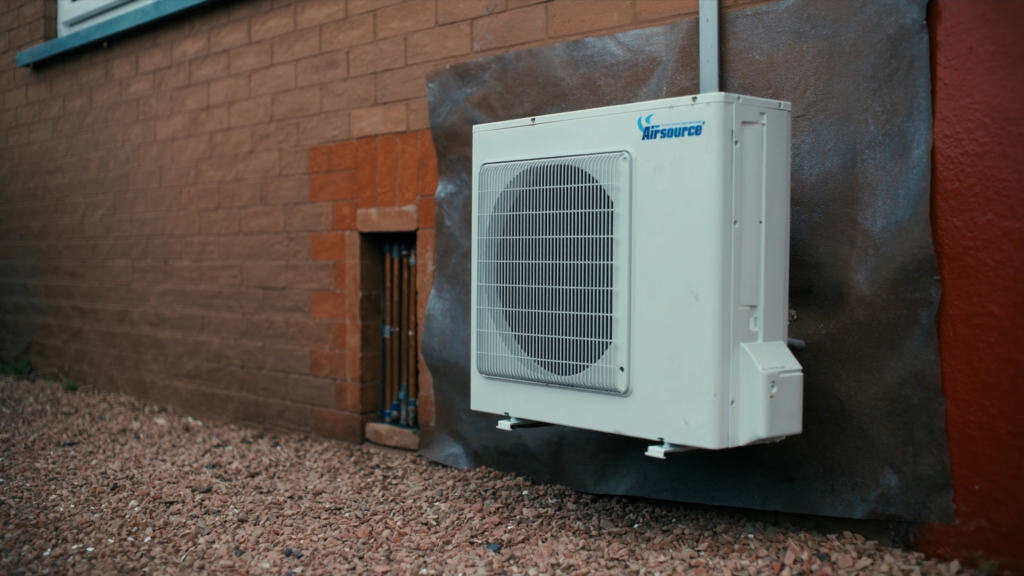
The Department for Energy Security and Net Zero (DESNZ) published data in early 2026 showing that an estimated 18,000 tonnes of heat pump materials will enter UK waste streams annually by 2030 (DESNZ, “Heat Pump End-of-Life Management Report,” 2026). This article compares the two main recycling pathways for UK homeowners: manufacturer take-back schemes versus third-party WEEE-compliant recyclers. The focus is on cost, convenience, and environmental impact for a typical 2026 household replacing a 10-year-old air-source heat pump.
Heat pump recycling is the legal disposal of refrigerant, compressor, and metals through authorised UK waste facilities.
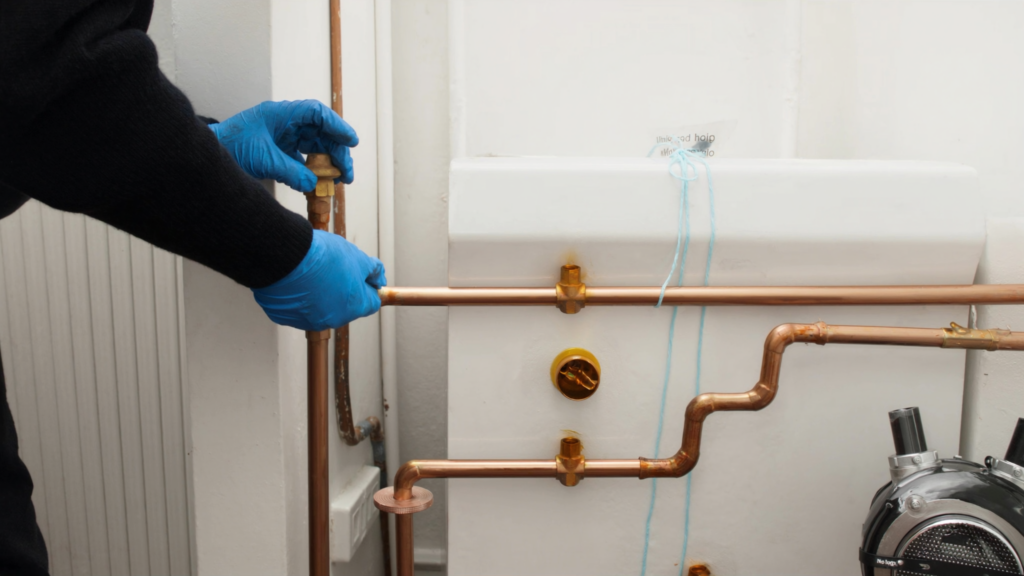
Recycling involves three core steps: safe refrigerant extraction by an F-Gas certified engineer, separation of metals (copper, aluminium, steel), and shredding of plastic and electronic components (Environment Agency, “Waste Electrical and Electronic Equipment (WEEE) Regulations,” GOV.UK). The process is distinct from general scrap metal recycling because refrigerants are ozone-depleting or high-GWP greenhouse gases. If a heat pump is not recycled properly, the refrigerant can be vented to atmosphere, which is illegal under F-Gas regulations and carries significant environmental harm.
Manufacturer take-back schemes cost £0–£150, while third-party recyclers charge £75–250 per unit.
Many manufacturers (e.g., Daikin, Mitsubishi Electric, Vaillant) offer free or reduced-cost take-back when you buy a new heat pump from an MCS-certified installer (MCS installer survey data, 2026). Third-party WEEE recyclers typically charge a collection fee plus a per-kg processing fee for the refrigerant and compressor. The average total cost for a 10kW air-source heat pump (approx. 80kg) is £120–£180 through a third-party recycler. If your installer handles disposal as part of the replacement job, that cost is usually folded into the overall installation quote, so ask for a breakdown before signing.
Quick numbers cost, weight, and material recovery rates for heat pump recycling in 2026.
| Metric | Value | Source |
|---|---|---|
| Average unit weight (air-source, 10kW) | 75–85 kg | MCS/EST, 2026 |
| Typical recycler fee | £75–£250 | MCS/EST, 2026 |
| Manufacturer take-back fee (with new purchase) | £0–£150 | MCS/EST, 2026 |
| Refrigerant recovery cost (R410A/R32) | £40–£80 | Gas Safe Register, 2026 |
| Copper content per unit | 5–8 kg | MCS/EST, 2026 |
| Steel content per unit | 30–45 kg | MCS/EST, 2026 |
| Overall material recovery rate | 85–92% | Environment Agency, WEEE Recycling Report, 2026 |
You must use an MCS-certified installer or a registered WEEE waste carrier for legal heat pump disposal.
Homeowners are legally responsible for ensuring their heat pump waste is handled by an authorised person (Environment Agency, “Waste duty of care: code of practice,” GOV.UK, updated 2026). MCS-certified installers are automatically registered to handle refrigerant removal under F-Gas regulations (Regulation (EU) No 517/2014 as retained in UK law). Third-party recyclers must hold a WEEE registration number from the Environment Agency or SEPA; you can verify this on the public register at gov.uk/weee. If you hire a general handyman or an uncertified contractor to remove your old heat pump, you risk a fine of up to £5,000 under the Waste (England and Wales) Regulations 2011 if the waste is later found illegally dumped or improperly processed.
The UK recycles 85–92% of a heat pump by weight, but refrigerant recovery is the critical environmental step.
Steel and aluminium are nearly 100% recyclable; copper recovery rates exceed 95% in dedicated shredding lines (Environment Agency, WEEE Recycling Performance Data, 2026). The compressor (containing oil and refrigerant) must be drained and degassed by an F-Gas certified technician before shredding. If refrigerant is vented, a single 10kW unit (R410A, 3.5kg charge) releases the CO2 equivalent of driving 10,000 miles in a petrol car. That is why the refrigerant recovery step is non-negotiable from both a legal and environmental standpoint. compare heat pump lifecycle emissions vs gas boiler lifecycle emissions
To find a recycler, check the MCS register or the Environment Agency’s public WEEE list; never use a general scrap yard.
For manufacturer take-back, ask your installer for the specific brand’s recycling programme; Daikin and Mitsubishi Electric operate national networks (MCS register, mcscertified.com). For independent recycling, search “WEEE heat pump recycling [your postcode]” and verify the company’s registration number on the EA public register (gov.uk/weee). General scrap metal yards are not licensed to handle refrigerants or electronic waste; using one risks a fine of up to £5,000 under the Waste (England and Wales) Regulations 2011. check if your heat pump installer is MCS certified The simplest route for most homeowners is to let the MCS-certified installer who fits your new heat pump handle the old one’s disposal as part of the job, which keeps you compliant and saves you the hassle of finding a separate recycler.
Frequently Asked Questions
Manufacturer take-back schemes cost £0–£150, while third-party WEEE recyclers charge £75–£250 per unit. The average cost for a 10kW air-source heat pump is £120–£180, according to MCS installer survey data from 2026.
Yes, under F-Gas regulations, refrigerant must be extracted by a certified engineer before disposal. The Environment Agency enforces WEEE regulations requiring proper recycling of electrical components, as stated on GOV.UK.
Old heat pumps are processed through three steps: refrigerant extraction by an F-Gas certified engineer, separation of metals like copper and aluminium, and shredding of plastic and electronic components. This is detailed in the Environment Agency's WEEE regulations.
Yes, many MCS-certified installers include disposal as part of the replacement service. Manufacturer take-back schemes from Daikin, Mitsubishi Electric, and Vaillant often offer free or reduced-cost recycling when you buy a new unit.
Improper disposal can release ozone-depleting or high-GWP refrigerants into the atmosphere, which is illegal under F-Gas regulations. DESNZ's 2026 report highlights that proper recycling prevents 18,000 tonnes of waste annually by 2030.