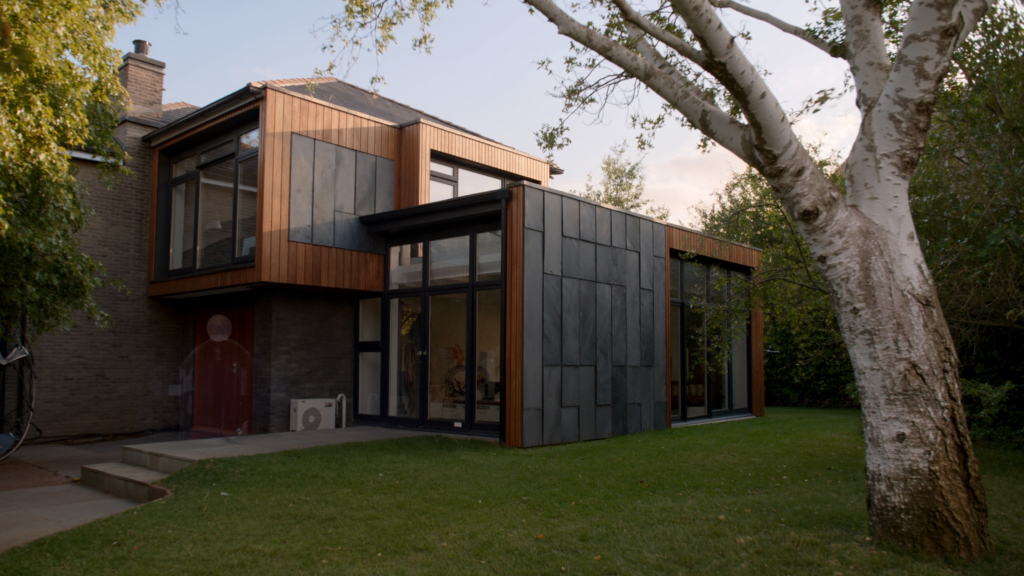
Over 3 million UK flats could be technically suitable for a heat pump, according to a 2024 DESNZ analysis.
An estimated 55% of flats in England are technically suitable for heat pump installation, according to a 2024 analysis from the Department for Energy Security and Net Zero (DESNZ) Heat Pump Ready programme (DESNZ, 2024). This means over 3 million flats could accommodate the technology, but the figure comes with important caveats.
A heat pump for a flat typically costs £3,500-£8,000 after the £7,500 Boiler Upgrade Scheme grant. Over 55% of UK flats are technically suitable, but noise limits (42 dB(A)) and outdoor space requirements apply.
- Over 3 million UK flats are technically suitable for heat pumps.
- 55% of flats in England qualify based on DESNZ 2024 analysis.
- Air-source heat pumps are the only practical option for flats.
- Noise limit is 42 dB(A) at 1m from neighbour's window (MCS 020).
- Cost after BUS grant is £3,500-£8,000 for a 4-6 kW ASHP.
- Over 3 million UK flats could be technically suitable for a heat pump, according to a 2024 DESNZ analysis.
- Air-source heat pumps are the only realistic option for most flats.
- A heat pump for flats typically costs £3,500–£8,000 after the BUS grant.
- Quick numbers key figures for a flat heat pump.
- You qualify for the £7,500 BUS grant if your flat meets these conditions.
- Your installer must be MCS-certified; check the register online.
- Space and planning what your flat needs for a heat pump.
- Older or poorly insulated flats may need radiator upgrades or insulation first.
“Technical suitability” means the flat has enough outdoor space for an external unit, an appropriate wall structure to support it, and no conflicting planning restrictions. It does not guarantee eligibility for the Boiler Upgrade Scheme grant or that a heat pump will be cost-effective for that specific flat. The analysis also notes that suitability varies significantly by flat type and age, with modern purpose-built flats far more likely to be suitable than converted Victorian tenements.
Air-source heat pumps are the only realistic option for most flats.
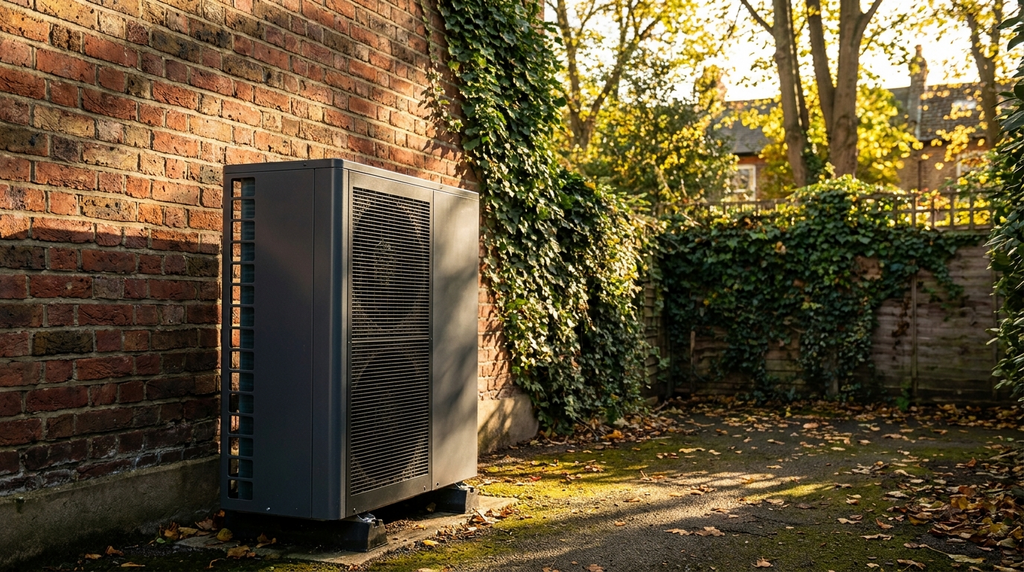
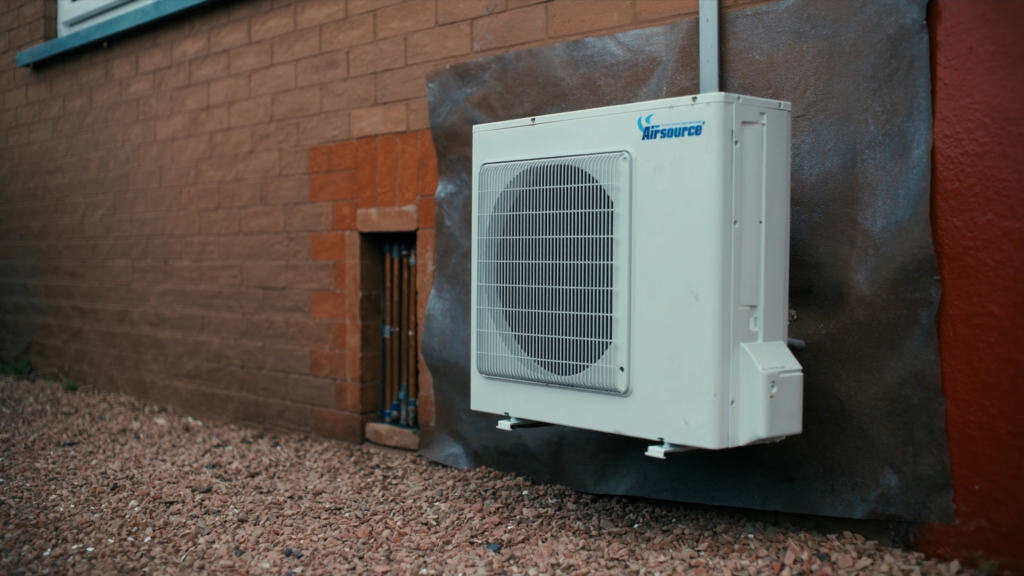
Air-source heat pumps (ASHPs) are the only practical choice for flats because ground-source heat pumps require a garden or large outdoor area for buried pipework, which most flats lack. An ASHP extracts heat from outside air and can be installed on a balcony, external wall, or flat roof, provided it is at least 1 metre from a boundary (GOV.UK, 2026).
Noise is often the limiting factor in flats. The Microgeneration Certification Scheme (MCS) standard MCS 020 limits the outdoor unit’s sound level to 42 dB(A) at 1 metre from the neighbour’s nearest window (MCS, 2026). This is roughly the volume of a quiet library. Many smaller ASHP units designed for flats meet this limit, but you should check the manufacturer’s datasheet before purchase.
A heat pump for flats typically costs £3,500–£8,000 after the BUS grant.
The Boiler Upgrade Scheme (BUS) provides a £7,500 grant for an air-source heat pump as of 2026 (GOV.UK, 2026). The typical pre-grant cost for a small ASHP (4–6 kW) ranges from £7,000 to £15,000, including installation (Energy Saving Trust, 2026). After the grant, you are looking at £3,500–£8,000.
Flats usually need smaller units (4–6 kW) than houses (often 8–12 kW), which keeps costs lower. The final price depends on the complexity of installation, whether you need a new hot water cylinder, and any radiator upgrades. Always get at least three quotes from MCS-certified installers before committing.
Quick numbers key figures for a flat heat pump.
| Metric | Typical Value | Source |
|---|---|---|
| Suitable UK flats (DESNZ) | 55% of flats in England | DESNZ, 2024 |
| Average ASHP cost (pre-grant) | £7,000–£15,000 | Energy Saving Trust, 2026 |
| Average ASHP cost (post-grant) | £3,500–£8,000 | GOV.UK, 2026 |
| Typical heat pump size for a flat | 4–6 kW | Energy Saving Trust, 2026 |
| Maximum noise at neighbour’s window (MCS 020) | 42 dB(A) | MCS, 2026 |
| SPF (seasonal performance factor) target | 2.8–3.2 | DESNZ, 2024 |
| Grant amount (BUS 2026) | £7,500 | GOV.UK, 2026 |
You qualify for the £7,500 BUS grant if your flat meets these conditions.
To get the £7,500 Boiler Upgrade Scheme grant for a heat pump in your flat, you must meet several conditions. First, the flat must have a valid Energy Performance Certificate (EPC) with no outstanding recommendations for loft or cavity wall insulation, if those are applicable to your property (GOV.UK, 2026).
Second, the heat pump must be installed by an MCS-certified installer. Third, the flat must not have a fossil fuel boiler (gas, oil, or LPG) that is less than 15 years old, though this rule has exceptions for flats in some circumstances – check the latest BUS guidance. Fourth, the flat must be in England or Wales; Scotland has separate schemes through Home Energy Scotland. The grant is paid directly to the installer, so you do not handle the money.
If you live in a leasehold flat, you may also need written permission from your freeholder or management company before proceeding. Boiler Upgrade Scheme eligibility for leasehold flats
Your installer must be MCS-certified; check the register online.
MCS (Microgeneration Certification Scheme) is the industry standard for heat pump installers in the UK. To qualify for the BUS grant, your installer must be MCS-certified and registered with TrustMark (GOV.UK, 2026). You can verify an installer on the MCS installer directory at mcsinstallerdirectory.co.uk before hiring.
Gas Safe Register is irrelevant for heat pumps because they are not gas appliances. However, electrical work may need to be done by a registered electrician through NICEIC or NAPIT, and any flue work (for a hybrid system) might require FENSA registration. Ask your installer which accreditations apply to your specific job.
Space and planning what your flat needs for a heat pump.
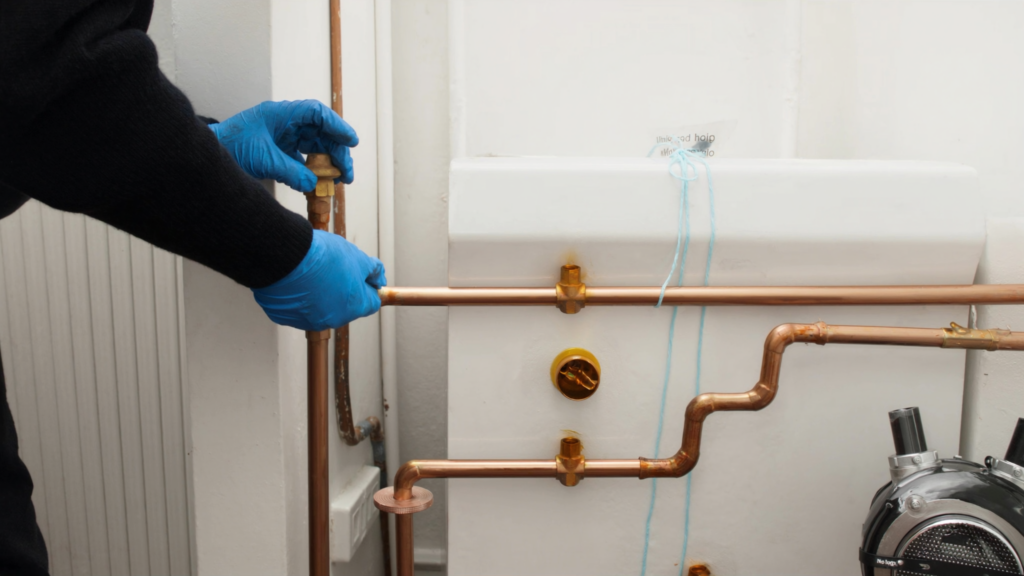
The external unit of an air-source heat pump needs a flat, level surface such as a concrete pad, wall bracket, or balcony. It requires good airflow with at least 300 mm clearance on three sides to operate efficiently (MCS, 2026). The indoor unit needs space for a hot water cylinder if you do not have a combi boiler – typically 500 x 500 x 1200 mm, plus a 150-litre tank for a small flat.
Planning permission is generally not needed for heat pumps in flats outside conservation areas or listed buildings, but you should check with your local authority (GOV.UK, 2026). If your flat is in a conservation area, a listed building, or a World Heritage Site, you will likely need planning permission. Leasehold flats may also require freeholder consent, so check your lease.
Older or poorly insulated flats may need radiator upgrades or insulation first.
Heat pumps run at lower flow temperatures (35–45°C) than gas boilers (60–70°C), so your existing radiators may need to be larger to deliver the same heat output. A flat with a wall U-value above 0.3 W/m²K may struggle to keep warm with a heat pump alone, according to DESNZ guidance (DESNZ, 2024).
Check your EPC for insulation recommendations before proceeding. If your flat has cavity walls, loft space, or solid walls that are poorly insulated, addressing those issues first will improve heat pump performance and reduce running costs (Energy Saving Trust, 2026). Some installers will include a heat loss calculation in their quote to determine whether radiator upgrades are necessary.
How to insulate a flat for a heat pump
Frequently Asked Questions
Yes, over 55% of flats in England are technically suitable, according to a 2024 DESNZ analysis. Air-source heat pumps are the only practical type for flats.
A small air-source heat pump (4-6 kW) costs £3,500-£8,000 after the £7,500 Boiler Upgrade Scheme grant. Pre-grant costs are typically £11,000-£15,500.
MCS standard 020 limits outdoor units to 42 dB(A) at 1 metre from a neighbour's nearest window, similar to a quiet library. Many small ASHPs meet this limit.
Air-source heat pumps are the only realistic option for flats. Ground-source requires garden space for buried pipework, which most flats lack.
Yes, eligibility depends on technical suitability, not building type. Check with an MCS-certified installer to confirm your flat qualifies.