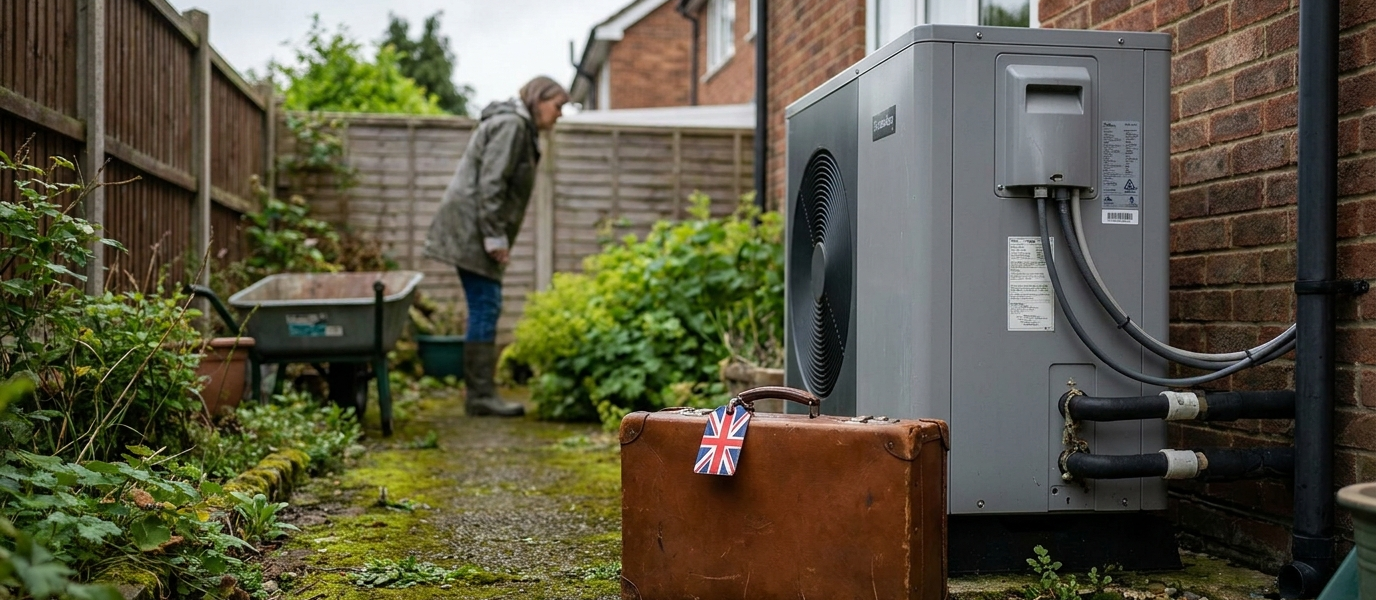
Nearly one in five UK homeowners has cut spending on holidays, takeaways, and gym memberships to fund eco upgrades such as heat pumps, solar panels, and insulation. That is the headline finding from a survey of 2,000 adults conducted by Toolstation and reported by The Mirror. The data confirms what many installers have been saying for months: the cost-of-living crisis is reshaping how households prioritise spending, with energy efficiency rising up the list.
Who is cutting what, and for which upgrades
The survey found that 18% of homeowners have redirected funds from non-essential spending toward green home improvements. The most common sacrifice was holidays (cited by 38% of those making changes), followed by takeaways (28%), gym memberships (22%), and new clothes (19%). In return, the top upgrades were loft insulation (29%), new glazing (24%), solar panels (18%), and heat pumps (12%). The pattern is clear: households are trading short-term pleasure for long-term bill reductions and higher property values.
What it costs a typical 3-bed semi
An air-source heat pump installation typically runs between £7,000 and £13,000, though the Boiler Upgrade Scheme offers grants of £7,500 towards the cost. Solar panels for a standard semi-detached home cost around £5,000–£8,000, with a payback period of 10–15 years on current electricity prices. Loft insulation, by contrast, is cheap, about £300–£600 for a typical property, and can cut heating bills by up to £315 a year, according to the Energy Saving Trust. For homeowners on a budget, insulation is the obvious first step.
The EPC effect, and the property value upside
Improving your Energy Performance Certificate (EPC) rating from a D to a C can add an estimated £10,000–£20,000 to a home’s sale price, according to Nationwide Building Society analysis. With the government proposing to raise the minimum EPC standard for rental properties to C by 2028, owner-occupiers also have a financial incentive to act early. The catch is that many of the upgrades require upfront capital, money that households are now finding by cutting luxuries rather than borrowing.
What this means for policy and installers
But the survey also reveals a gap: 12% of homeowners said they would like to make eco upgrades but cannot afford the upfront cost, even after cutting luxuries. That suggests the current grant schemes, while helpful, are not reaching everyone. The government’s Great British Insulation Scheme has been slow to roll out, and the Boiler Upgrade Scheme has seen lower-than-expected uptake in some regions. If ministers want to accelerate the retrofit programme, they will need to address the affordability barrier, perhaps through low-interest loans or council tax rebates tied to upgrades.
For now, the message for homeowners is pragmatic: start with the cheapest measures, draught-proofing, loft insulation, smart thermostats, and use the savings to fund bigger projects later. The survey shows that many are already doing exactly that. Those who delay risk higher bills and a lower EPC rating when the market shifts.
Frequently Asked Questions
An air-source heat pump installation typically costs between £7,000 and £13,000 for a standard 3-bed semi-detached home. However, the Boiler Upgrade Scheme offers a £7,500 grant, reducing your outlay to as little as £0–£5,500 depending on the system and installer.
Loft insulation is the most cost-effective upgrade, costing around £300–£600 for a typical property and saving up to £315 a year on heating bills according to the Energy Saving Trust. Draught-proofing and smart thermostats are also low-cost measures that can quickly reduce energy use.
Improving your Energy Performance Certificate (EPC) rating from a D to a C can add an estimated £10,000–£20,000 to your home's sale price, based on Nationwide Building Society analysis. This makes eco upgrades a strong investment for long-term property value.
There is no direct national grant for solar panels, but you can benefit from the Smart Export Guarantee (SEG), which pays you for excess electricity exported to the grid. Solar panels for a standard semi-detached home cost around £5,000–£8,000, with payback typically within 10–15 years at current electricity prices.




