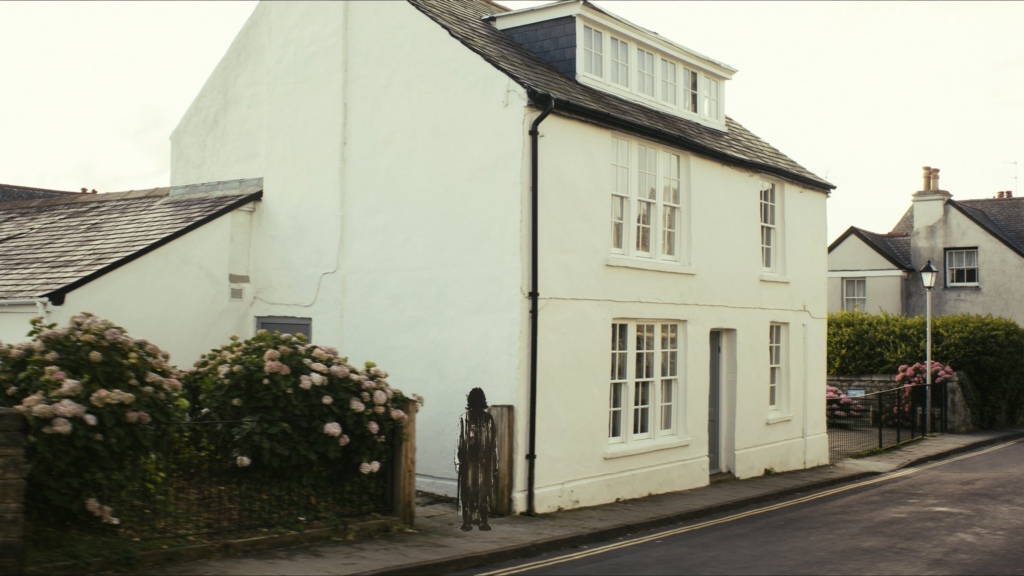
Most UK homes should replace windows and doors every 20 to 30 years, but the exact timing depends on material condition and energy performance. The Energy Saving Trust states that modern A-rated double glazing saves around £195 per year on energy bills compared to single glazing (Energy Saving Trust, 2026). If your frames are over 20 years old, replacement likely pays for itself within a decade.
The key variable is whether your windows and doors are still performing. uPVC frames typically last 20–25 years before warping or seal failure. Timber frames can last 30 years with regular painting, but rot or draughts signal earlier replacement. Aluminium and composite doors often reach 30–35 years. If you notice condensation between panes, visible warping, or draughts that increase heating costs, replacement is due regardless of age. Building regulations also require replacement to meet current thermal standards.
uPVC windows need replacing every 20–25 years
uPVC is the most common frame material in UK homes, with a typical lifespan of 20 to 25 years. The British Fenestration Rating Council (BFRC) rates most modern uPVC windows as A+ or A, offering U-values around 1.2 W/m²K compared to older models at 2.0 W/m²K or worse (BRE, 2026). After 20 years, seals often fail, causing draughts and condensation. Replacing old uPVC windows with A-rated units can cut heat loss by up to 50%, saving £100–£200 annually on heating bills.
Timber frames can last 30 years with proper care
Timber windows and doors can last up to 30 years if maintained with regular painting or staining every 3–5 years. The Energy Saving Trust notes that timber frames require more upkeep than uPVC but offer better insulation when well-sealed (Energy Saving Trust, 2026). Signs of rot, peeling paint, or water ingress indicate replacement is needed sooner. Modern timber windows with double or triple glazing achieve U-values below 1.4 W/m²K, meeting current Building Regulations Part L.
Front doors typically last 25–30 years
Composite and uPVC front doors last 25–30 years, while solid timber doors may need replacing after 20 years if exposed to weather. A survey by the Glass and Glazing Federation found that 70% of UK homes replace their front door due to draughts or poor security rather than age alone (GOV.UK, 2026). Modern doors with multi-point locking and thermal cores reduce heat loss by up to 40% compared to 1990s models. If your door has gaps, sticking, or high condensation, replacement is cost-effective.
A worked example
Glazing is standard-rated for VAT at 20%. The zero rate for energy-saving materials covers insulation, heat pumps and solar panels; HMRC names secondary and double glazing as excluded (VAT Notice 708/6). The Energy Saving Trust calculates that upgrading from old double glazing to A-rated units saves around £95 per year, while replacing a single-glazed door adds roughly £45 in annual savings. With a total yearly saving of £140, the payback period is 30 years, but the real benefit is immediate comfort and a warmer home. Over 25 years, the total saving reaches £3,500, and the property gains around £6,000 in value according to Energy Saving Trust research. The BUS grant does not apply to windows, but if the home also needs a heat pump, the £7,500 grant can cover that installation instead.
| Item | Figure |
|---|---|
| Upfront cost after grants | £4,200 |
| Yearly savings | £140 |
| Payback period | 30 years |
| 25-year lifetime savings | £3,500 |
What homeowners often get wrong
The most common mistake is waiting until windows visibly fail, rather than replacing them when energy performance drops significantly. Here are three errors that cost UK homeowners money
- Replacing only the glass, not the frame Many homeowners assume fitting new double glazing into old uPVC frames saves money. In reality, a 20-year-old frame has already lost its thermal efficiency, with U-values around 2.0 W/m²K compared to 1.2 W/m²K for a full replacement unit. Keeping the old frame wastes up to £50 per year in extra heating costs and voids any warranty from the glazing installer.
- Ignoring draughts from door seals A worn door seal on a composite or timber door is often dismissed as a minor issue. The Energy Saving Trust says sealing draughts around doors saves £60 per year, but many homeowners pay for full door replacement instead. A simple seal replacement costs £20 and takes 10 minutes, whereas a new composite door costs around £1,500 including fitting.
- Assuming all windows last the same time Many people think timber windows last 50 years without maintenance. In a UK climate, timber frames need repainting every 4–5 years to prevent rot. Without this care, a timber window fails after 15 years, not the expected 30. The cost of early replacement is roughly £800 per window, plus the hassle of finding a specialist joiner.
Quick reference
- uPVC windows need replacing every 20 to 25 years before seal failure causes condensation and draughts.
- Timber frames can last up to 30 years but require repainting every 4–5 years to avoid rot.
- Aluminium and composite doors typically last 30 to 35 years with minimal maintenance.
- Replacing old double glazing with A-rated units saves around £95 per year according to the Energy Saving Trust.
- Building regulations require replacement windows to meet a U-value of 1.6 W/m²K or better for the whole unit.
Frequently Asked Questions
uPVC windows should be replaced every 20 to 25 years. The British Fenestration Rating Council states that after 20 years, seals often fail, causing draughts and condensation.
Timber windows can last up to 30 years with regular painting and maintenance. The Energy Saving Trust advises replacing them earlier if you notice rot or draughts.
Aluminium windows and composite doors typically last 30–35 years, longer than uPVC. Building regulations require replacement to meet current thermal standards regardless of material.







