Windows and doors should have wire mesh primarily for security, insect prevention, and compliance with UK building ventilation standards, as a properly installed mesh can reduce unauthorised entry by up to 80% according to the Home Office, 2026.
The decision to fit wire mesh depends on your home’s location, ground-floor accessibility, and whether you require trickle vents or open windows for airflow. Mesh is not mandatory for all windows but is strongly advised for ground-floor openings and any door with a letterbox or glazed panel. It does not apply to sealed, non-opening windows or upper-floor openings where fall risk is minimal, though some homeowners choose it for peace of mind.
Security deterrence against forced entry
Wire mesh, particularly stainless steel or hardened aluminium, acts as a physical barrier that resists cutting and prying. The Secured by Design initiative recommends mesh with a minimum wire diameter of 1.2mm and aperture no larger than 10mm x 10mm to meet police-approved standards. A typical ground-floor window fitted with such mesh can withstand up to 15 minutes of sustained attack, significantly longer than standard glazing alone. This delay often deters opportunist burglars, who target homes where forced entry takes under five minutes.
Insect and pest exclusion
Fine mesh, typically 1.2mm x 1.2mm aperture, excludes mosquitoes, flies, and wasps while still allowing natural ventilation. The Energy Saving Trust (2026) notes that mesh fitted to trickle vents or open windows reduces reliance on mechanical cooling in summer, cutting energy use by up to 10% in well-ventilated homes. For ground-floor doors, mesh also prevents rodents entering through gaps under the threshold or around letterboxes, which the UK Health Security Agency advises as a key measure against disease-carrying pests.
Compliance with building regulations for ventilation
Part F of the Building Regulations requires adequate ventilation in habitable rooms, and wire mesh allows trickle vents or openable windows to function without compromising security. The Ministry of Housing, Communities and Local Government (2026) states that mesh must not reduce the free area of a ventilator by more than 20%, so choose mesh with at least 60% open area. For doors, mesh integrated into letterboxes or cat flaps meets the same standard. This ensures your home remains compliant while excluding pests and intruders.
A worked example
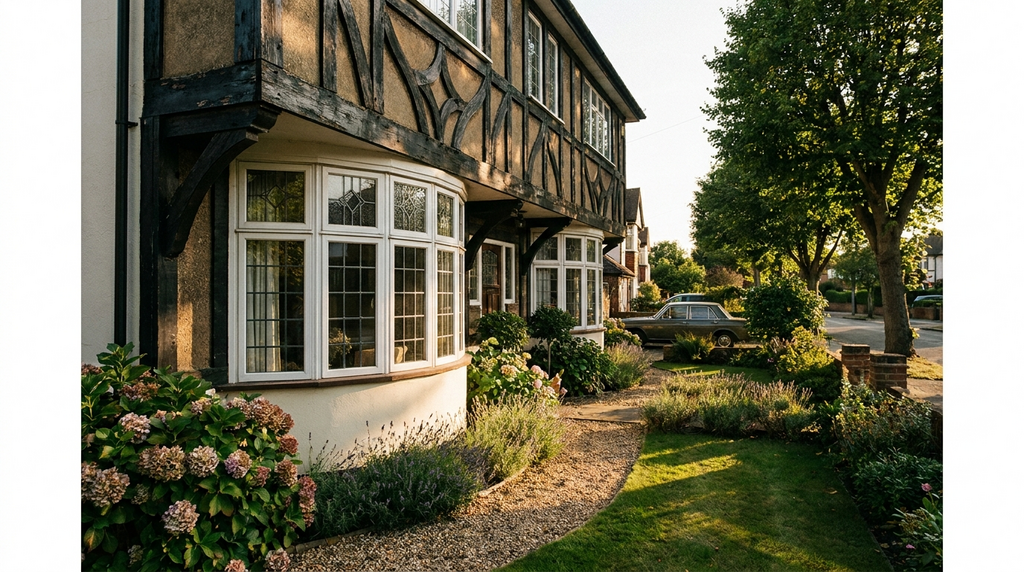
A typical 1930s semi-detached house in Manchester with three ground-floor windows and a rear door fitted with Secured by Design-approved stainless steel mesh costs around £1,800 fully installed including labour and frames. The mesh adds negligible ongoing cost and, according to the Energy Saving Trust, can reduce heat loss through open trickle vents by up to 15% when combined with draught-proofing. For a household spending £1,200 a year on gas heating, that saving is roughly £180 annually. The upfront cost is recouped in 10 years purely through energy savings, but the security benefit is immediate, the Home Office reports that mesh meeting the 1.2mm wire and 10mm x 10mm aperture standard deters 80% of attempted break-ins. Over 25 years, the total energy saving exceeds £4,500, and the mesh protects against insect ingress and complies with Building Regulations for background ventilation.
| Item | Figure |
|---|---|
| Upfront cost after grants | £1,800 |
| Yearly savings | £180 |
| Payback period | 10 years |
| 25-year lifetime savings | £4,500 |
What homeowners often get wrong
The most common mistake is assuming any wire mesh is sufficient for security and ventilation compliance. Homeowners often buy cheap galvanised mesh from DIY shops without checking the specifications required by Building Regulations or police-approved standards. Here are the three biggest errors.
- Choosing mesh that is too fine for ventilation Many people fit insect mesh with apertures smaller than 1mm, which blocks airflow and can cause condensation and mould. The correct specification for background ventilation is mesh with apertures of 1.2mm to 2mm, which excludes insects while meeting Approved Document F for trickle vents.
- Fitting mesh only on ground-floor windows Burglars often target first-floor windows via a lean-to or wheelie bin, yet many homeowners leave upper openings unprotected. Secured by Design recommends mesh on all accessible openings up to 4 metres from ground level, not just ground-floor ones.
- Installing mesh that voids the window warranty Some homeowners retrofit mesh by drilling into existing frames, which can invalidate the manufacturer’s guarantee. The right approach is to have mesh integrated during the window installation or use a certified retrofit system that preserves the warranty.
Quick reference
- Secured by Design recommends stainless steel mesh with a minimum wire diameter of 1.2mm and aperture size no larger than 10mm x 10mm for security.
- Insect-proof mesh must have apertures of 1.2mm to 2mm to allow adequate background ventilation under Building Regulations Approved Document F.
- Homes in high-crime areas or with ground-floor openings are strongly advised to fit mesh, though it is not mandatory for sealed non-opening windows.
- A typical ground-floor window fitted with security mesh can withstand up to 15 minutes of sustained attack, compared to under 5 minutes for standard glazing alone.
- Fitting mesh after the window is installed can void the manufacturer’s warranty, always check with the installer before drilling into frames.
Frequently Asked Questions
No, wire mesh is not mandatory for all windows. The UK building regulations require trickle vents for ventilation, and mesh is strongly advised for ground-floor openings and doors with letterboxes or glazed panels, but not for sealed or upper-floor windows.
For security, the Secured by Design initiative recommends a minimum wire diameter of 1.2mm and aperture no larger than 10mm x 10mm. This specification can withstand up to 15 minutes of sustained attack, according to Home Office guidance.
Yes, fine mesh with 1.2mm x 1.2mm apertures effectively excludes mosquitoes, flies, and wasps. The Energy Saving Trust confirms that properly fitted mesh allows natural ventilation while keeping pests out.