A hybrid heat pump can cut your heating bill by up to £220 a year compared to a gas-only boiler
If you are weighing up whether to replace your gas boiler with a heat pump, a hybrid system offers a compromise. It keeps your existing boiler in place but adds an air-source heat pump that handles most of the heating load in milder weather.
According to DESNZ modelling for a typical three-bed semi-detached home in 2026, a hybrid heat pump can reduce annual heating bills by roughly £220 compared to a gas-only boiler (DESNZ, 2026). This article helps you decide whether a hybrid system is the right choice for your home, budget, and heating needs.
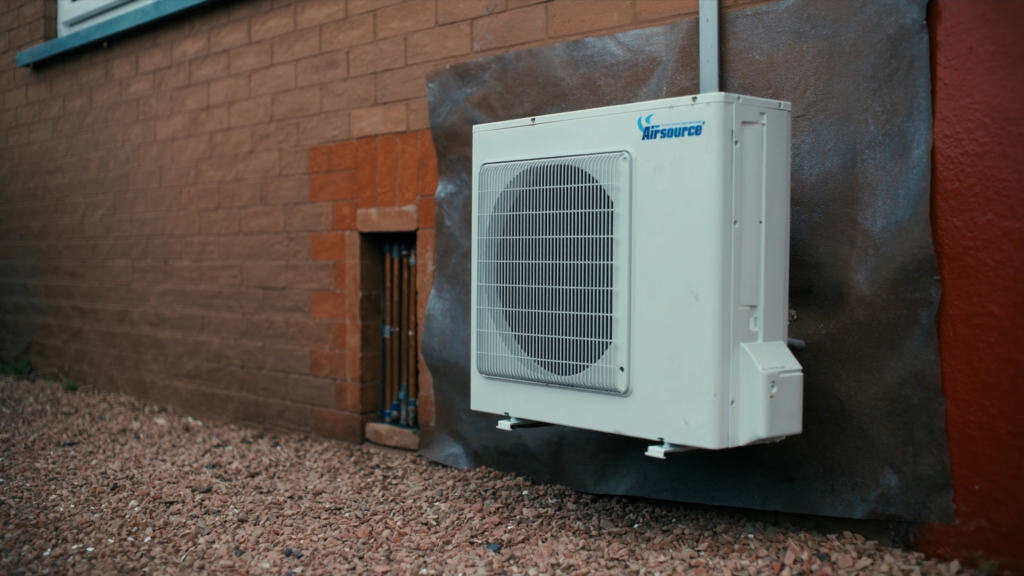
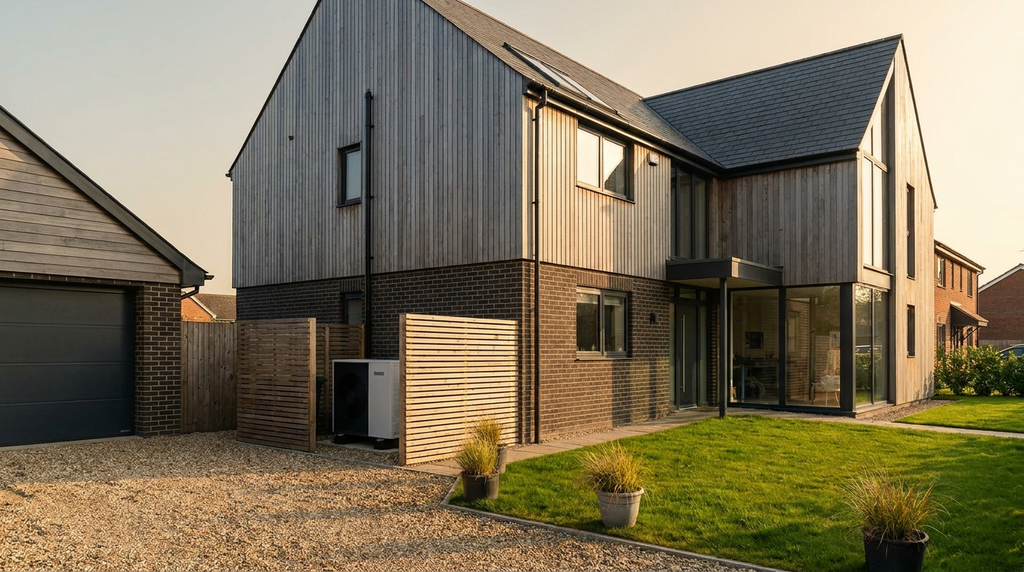
A hybrid heat pump pairs a gas boiler with an air-source heat pump
The heat pump acts as the primary heating source for most of the year, operating efficiently in outside temperatures above roughly 4°C. When the weather turns very cold, the gas boiler automatically takes over to meet peak demand. The system switches between the two based on outdoor temperature and indoor heating demand, so you do not need to manually change the source.
The boiler typically handles hot water production and covers periods of high heat demand, while the heat pump runs for longer periods at lower output. This arrangement avoids the need to oversize either unit, keeping both the upfront cost and running costs lower than a full heat pump installation in many cases.
Quick numbers, hybrid heat pump costs, savings, and emissions in 2026
| Item | Typical figure (GBP or unit) | Source |
|---|---|---|
| Installed cost (hybrid system) | £7,000 – £13,000 | MCS, 2026 |
| Annual running cost saving vs gas-only boiler | £220 | DESNZ, 2026 |
| Annual CO₂ saving vs gas-only boiler | ~1,000–1,500 kg | DESNZ, 2026 |
| Boiler Upgrade Scheme grant amount (if eligible) | £7,500 | GOV.UK, 2026 |
| Typical heat pump unit size (kW) | 5–8 kW | Energy Saving Trust, 2026 |
| Typical boiler unit size (kW) | 24–30 kW | Energy Saving Trust, 2026 |
The key trade-off is lower running costs against higher upfront cost
A hybrid system costs roughly £7,000–£13,000 to install, compared to £2,500–£4,000 for a new gas boiler (MCS, 2026). The annual running cost is typically 20–30% lower than a gas-only boiler, but the payback period is 5–10 years depending on energy prices (DESNZ, 2026).
DESNZ modelling indicates the heat pump will reduce gas use by 60–80% in a typical home, which directly cuts your gas bill. However, electricity costs more per unit than gas, so the saving depends on the heat pump’s efficiency (its coefficient of performance, or COP) and the ratio of gas to electricity prices. The homeowner must weigh the long-term savings against the initial outlay, and consider whether the payback period fits their circumstances.
You do not need to replace your boiler entirely to install a hybrid system
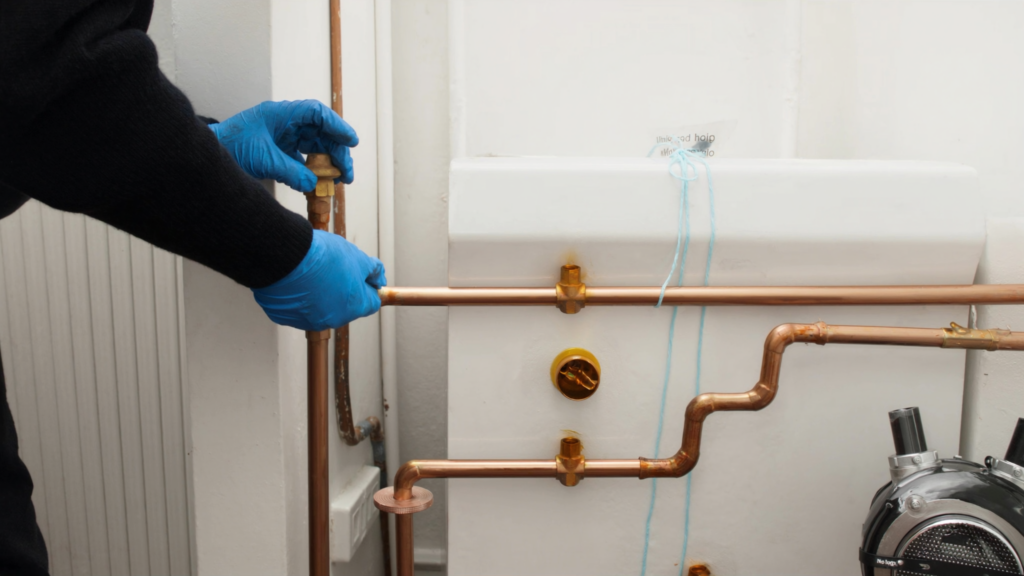
One of the most common questions is whether a hybrid system requires a full boiler replacement. The answer is no: your existing gas boiler can often remain in place if it is in good working order and compatible with the hybrid controller. The heat pump unit is added externally, and a new hot water cylinder may be needed if your boiler is a combi type, because the heat pump works best with a separate hot water store.
The hybrid controller manages the switch between the two heat sources automatically. This means the hybrid system is an addition to your existing heating setup, not a full replacement. However, if your boiler is very old or inefficient, you may still benefit from replacing it alongside the heat pump installation for maximum efficiency.
Eligibility for the Boiler Upgrade Scheme depends on your property and installer
The Boiler Upgrade Scheme (BUS) in England and Wales offers a grant of £7,500 for an air-source heat pump in 2026. However, the hybrid system must meet the scheme’s definition of a “heat pump installation” to qualify. The heat pump must be installed by an MCS-certified installer, and your property must have a valid Energy Performance Certificate (EPC) with no outstanding recommendations for loft or cavity wall insulation (GOV.UK, 2026).
The grant applies to the heat pump unit only, not the boiler part of the hybrid system. This means you can claim £7,500 towards the heat pump installation, but you will pay for the boiler and any additional work separately. The total installed cost of a hybrid system after the grant can be roughly £3,000–£8,000, depending on your property and installer.
You must use an MCS-certified installer to qualify for the government grant
MCS certification is the industry standard for heat pump installations in the UK, and it is a mandatory requirement for the Boiler Upgrade Scheme. The installer must also be registered with TrustMark for consumer protection (TrustMark, 2026). For the gas boiler part of the hybrid system, the installer must be Gas Safe registered (Gas Safe Register, 2026).
You should verify the installer’s MCS number on the MCS register before signing a contract. Only MCS-certified installations will qualify for the £7,500 grant. Using an uncertified installer means you lose the grant and may also void your heat pump warranty.
The hybrid system is most cost-effective in homes with high heat demand or poor insulation
Homes with high heat loss, typically older, solid-wall properties, benefit most from the hybrid approach. The gas boiler can cover the peak load without requiring you to oversize the heat pump, keeping installation costs down. A full heat pump would struggle in such a home without extensive insulation upgrades, which may not be feasible or cost-effective (DESNZ, 2026).
The hybrid system avoids the need for expensive insulation work. That makes it a practical option for a large portion of UK housing stock. Energy Saving Trust notes that homes with high heat demand often see the greatest savings from a hybrid setup (Energy Saving Trust, 2026). If your home is well-insulated and has low heat loss, a full heat pump may be more cost-effective over the long term.
heat pump vs gas boiler running costs comparison
Boiler Upgrade Scheme 2026 eligibility and application guide
Frequently Asked Questions
A hybrid heat pump pairs a gas boiler with an air-source heat pump. The heat pump handles most heating in milder weather, and the boiler takes over in very cold conditions, as confirmed by the Energy Saving Trust.
Installed costs for a hybrid system range from £7,000 to £13,000 in 2026, according to MCS. You may be eligible for a £7,500 Boiler Upgrade Scheme grant from GOV.UK.
DESNZ modelling shows annual savings of roughly £220 compared to a gas-only boiler for a typical three-bed semi-detached home in 2026.
A hybrid system avoids oversizing either unit, keeping upfront and running costs lower than a full heat pump in many cases. It also retains your existing boiler for peak demand.
Yes, a hybrid heat pump can save around 1,000 to 1,500 kg of CO₂ per year compared to a gas-only boiler, based on DESNZ 2026 data.