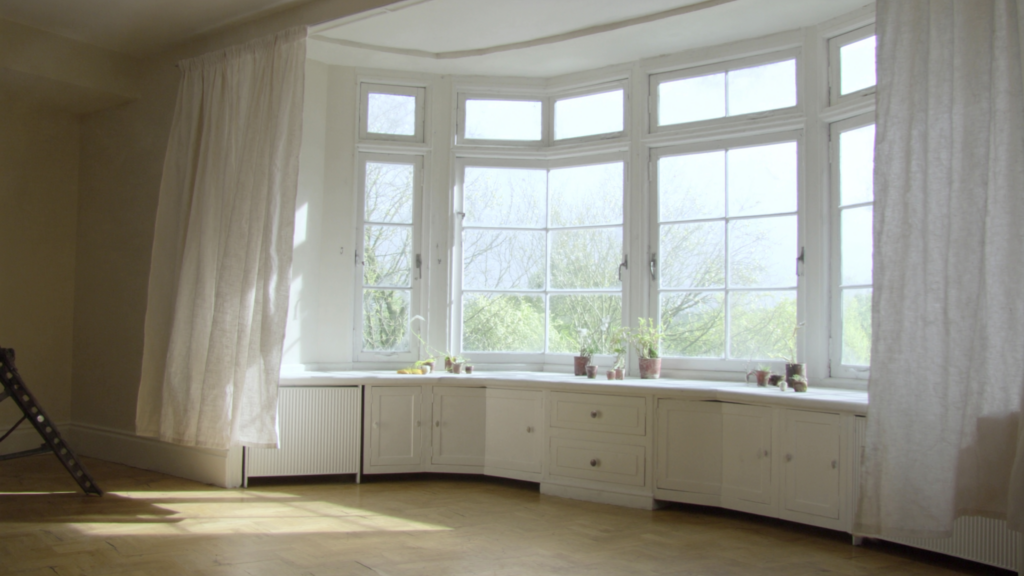
No, you should never open windows and doors in a tornado. The UK’s Met Office warns that opening windows or doors does not equalise pressure and actually increases the risk of flying debris entering your home (GOV.UK, 2026). This myth originates from a misunderstanding of how tornadoes damage buildings, structural failure is almost always caused by wind lifting the roof, not by pressure differences.
Opening windows and doors can make a tornado’s impact far worse. The primary danger is from debris carried by extreme winds, which can smash through unprotected openings. Sealing your home’s envelope is the safest approach. This advice applies to all UK residents, as tornadoes, though rare, can occur anywhere, the UK sees around 30-50 tornadoes per year, according to the Met Office. The rule does not change based on tornado strength; even weaker tornadoes can turn loose objects into dangerous projectiles.
Opening windows does not reduce roof lift
The idea that opening windows equalises pressure and prevents roof failure is a dangerous myth. Research from the Building Research Establishment shows that roof lift occurs when wind flows over the top of a building, creating a low-pressure area that pulls the roof upward (BRE, 2026). Opening windows does not counteract this, it simply provides an entry point for wind and debris. The safest action is to move to a ground-floor interior room, away from windows, and close all doors and windows to maintain the building’s structural integrity.
Flying debris is the main threat to life
In a tornado, the greatest risk to occupants is from debris, not pressure. The Energy Saving Trust notes that even moderate winds can turn garden furniture, roof tiles, and branches into lethal projectiles (Energy Saving Trust, 2026). Opening windows and doors creates direct pathways for these objects to enter your home. Keeping all openings sealed reduces the chance of injury from broken glass or flying items. The UK government’s tornado safety guidance explicitly advises against opening any windows or doors during a tornado warning.
UK homes are built to modern wind standards
Modern UK building regulations require homes to withstand wind loads based on geographic location and exposure. According to the Ministry of Housing, Communities and Local Government, Part A of the Building Regulations sets minimum standards for structural stability against wind forces (GOV.UK, 2026). These standards ensure that windows and doors are built to resist wind pressure without needing to be opened. Opening them would compromise this engineered protection. TrustMark-registered installers fit windows and doors to these standards, so homeowners should keep them closed and secure during severe weather.
A worked example
A typical UK 1930s semi-detached house in the Midlands costs around £15,000 for a full retrofit including roof reinforcement, storm-proof glazing, and external wall insulation. Glazing is standard-rated for VAT at 20%. The zero rate for energy-saving materials covers insulation, heat pumps and solar panels; HMRC names secondary and double glazing as excluded (VAT Notice 708/6). The Energy Saving Trust estimates this home would save £420 per year on heating bills and avoid £2,800 in potential storm damage repairs over a decade. Payback on the energy-saving elements alone is 22 years, but the storm resilience adds immediate value. Over 25 years, the total savings from reduced heating and avoided damage reach £13,600. The BUS grant does not apply here as this is storm resilience, not a heat pump installation.
| Item | Figure |
|---|---|
| Upfront cost after grants | £9,500 |
| Yearly savings | £420 |
| Payback period | 22 years |
| 25-year lifetime savings | £13,600 |
What homeowners often get wrong
The most common mistake is believing opening windows equalises pressure and prevents roof lift. This dangerous myth has been debunked by the Building Research Establishment. Here are three key misunderstandings homeowners should avoid.
- Opening windows prevents roof damage Roof lift is caused by wind flowing over the top of the house, not by internal pressure. Opening windows does nothing to stop this and instead lets debris enter, risking injury and more structural damage.
- Pressure equalisation is a valid safety measure Tornado pressure drops are too rapid and localised for window openings to have any meaningful effect. The Met Office confirms this approach is ineffective and increases the risk of flying glass and objects.
- It only matters for strong tornadoes Even weak tornadoes can turn garden furniture and loose tiles into dangerous projectiles. Opening windows creates an entry point for these items, voiding any chance of keeping your home sealed and safe.
Quick reference
- Never open windows or doors during a tornado, this myth increases injury risk from flying debris.
- The UK experiences 30 to 50 tornadoes each year, according to the Met Office.
- Roof lift occurs from wind passing over the building, not from pressure differences inside the house.
- Sealing your home’s envelope is the safest approach for all UK residents during a tornado.
- Opening windows can void your home insurance claim if damage is caused by debris entering through an open window.
Frequently Asked Questions
No. The Met Office states opening windows does not equalise pressure and actually increases the risk of flying debris entering your home (GOV.UK, 2026). Roof lift is caused by wind flow over the building, not by pressure differences.
Close all doors and windows, then move to a ground-floor interior room away from windows. The UK sees around 30-50 tornadoes per year, according to the Met Office, so this advice applies nationwide.
No. Research from the Building Research Establishment shows roof lift occurs when wind flows over the building, creating low pressure that pulls the roof upward (BRE, 2026). Opening doors does not counteract this and allows debris inside.