What defines a Victorian front door in 2026
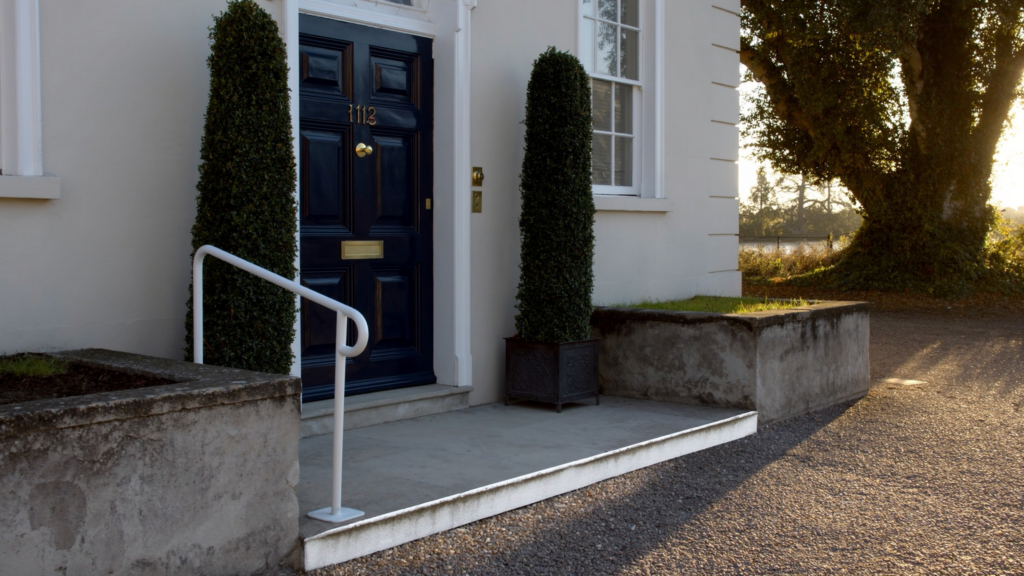
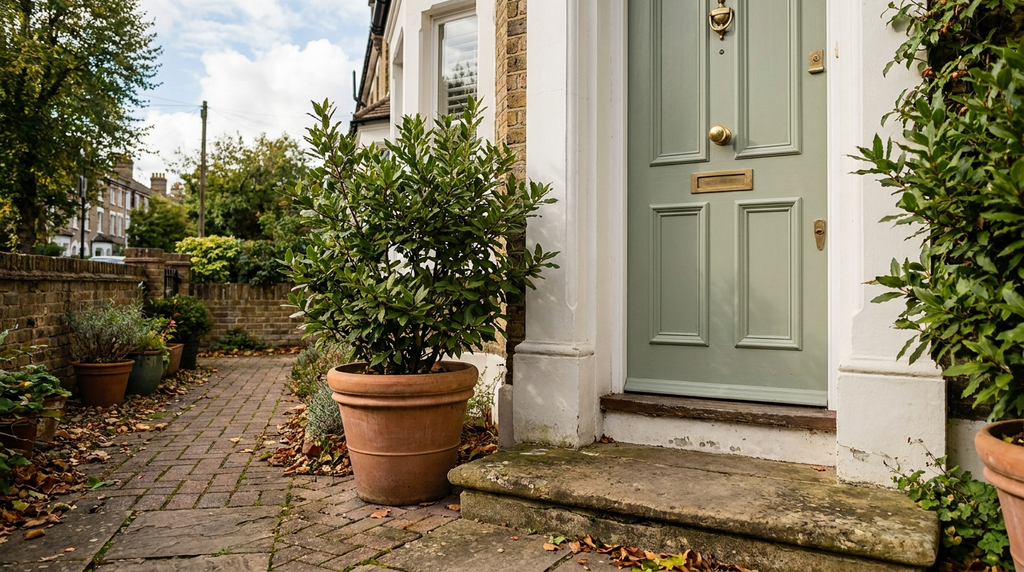
The defining feature of a Victorian front door is its four-panel design with raised mouldings, a style that became standard during the Victorian era (1837–1901). The panels are typically arranged in a 2+2 layout, with two long vertical panels above two shorter square panels. Decorative bolection mouldings, raised profiles that sit proud of the panel surface, are a hallmark of the period, along with vertical planks and a semi-circular fanlight window above the door (Historic England, 2026).
Victorian front doors cost £500–£2,500 in 2026, with timber at £800–£2,200, composite at £900–£2,500, and uPVC at £500–£1,200. The best choice depends on whether you prioritise authenticity, low maintenance, or budget.
- Timber doors cost £800–£2,200; repaint every 2–3 years.
- Composite doors cost £900–£2,500 and need no painting.
- uPVC doors cost £500–£1,200 but look less authentic.
- Standard sizes are 762–838mm wide and 1981–2032mm high.
- Bespoke doors add 20–40% for non-standard openings.
- What defines a Victorian front door in 2026
- The three material choices for Victorian-style doors in 2026
- How to verify a Victorian door installer in 2026
- Energy performance of Victorian-style doors in 2026
- Quick numbers for Victorian front doors
- Planning permission and listed building rules for Victorian doors in 2026
- The direct answer should you buy a Victorian front door in 2026
In 2026, modern Victorian-style doors replicate this period look but use contemporary materials such as composite, uPVC, or engineered timber. Original Victorian doors were typically 762mm to 838mm wide and 1981mm to 2032mm high, and these proportions remain the most common sizes available from manufacturers today (FENSA, 2026). If your home has a non-standard opening, you may need a bespoke door, which adds 20–40% to the cost.
The three material choices for Victorian-style doors in 2026
Solid timber remains the most authentic option. Oak or engineered hardwood doors cost £800–£2,200 supplied and fitted, but require repainting or varnishing every 2–3 years (Checkatrade, 2026). Composite doors, a glass-reinforced plastic (GRP) skin over a timber or foam core, cost £900–£2,500 and need no painting, making them the lowest-maintenance period replica. uPVC doors with an embossed Victorian panel finish cost £500–£1,200 but lack the raised moulding depth of timber or composite, so the period effect is noticeably flatter.
If authenticity is your priority, timber is the only choice that will satisfy a listed building officer. If low maintenance and energy efficiency matter more, composite is the better option. uPVC is the budget fallback but carries the risk of looking out of place on a period property, which can reduce resale value (FENSA, 2026).
How to verify a Victorian door installer in 2026
For timber doors, check that the installer is registered with FENSA (for overall Building Regulations compliance) and ideally a member of the Timber Door Manufacturers Association (TDMA). For composite doors, FENSA registration is not mandatory if the door is installed as a like-for-like replacement, but TrustMark registration is the key consumer protection standard (TrustMark, 2026). For uPVC doors, FENSA or CERTASS registration is legally required under Building Regulations Part L for energy efficiency (GOV.UK, 2026).
Every installer must provide a 10-year insurance-backed guarantee covering the door and its ironmongery. If the installer cannot produce this guarantee, walk away. You can verify FENSA registration on the FENSA register and TrustMark certification on the TrustMark website before paying a deposit.
Energy performance of Victorian-style doors in 2026
A modern Victorian-style composite door achieves a U-value of 1.2–1.4 W/m²K, compared to a solid timber original at 3.0–4.5 W/m²K (British Fenestration Rating Council, 2026). uPVC Victorian-style doors achieve the best U-values in the category at 1.1–1.3 W/m²K. Timber doors with a thermal core can reach 1.5–1.8 W/m²K, but solid timber without insulation stays above 2.5 W/m²K.
Adding a draught-proofing kit to any Victorian-style door reduces heat loss by 15–20%, according to the Energy Saving Trust (Energy Saving Trust, 2026). This can save £50–£80 per year on heating bills compared to an unsealed solid timber original. If you are replacing an original door in a listed building, you may need to keep the original timber door and add draught-proofing instead, which is often permitted without listed building consent.
Quick numbers for Victorian front doors
| Metric | Value | Source |
|---|---|---|
| Average cost, timber Victorian door (supplied and fitted) | £1,200–£2,200 | Checkatrade 2026 |
| Average cost, composite Victorian door (supplied and fitted) | £1,400–£2,500 | Checkatrade 2026 |
| Average cost, uPVC Victorian door (supplied and fitted) | £500–£1,200 | Checkatrade 2026 |
| Typical U-value, composite Victorian door | 1.2–1.4 W/m²K | BFRC |
| Typical U-value, solid timber Victorian door | 3.0–4.5 W/m²K | Energy Saving Trust |
| Percentage of UK homes with a period front door | 18% | BRE Housing Survey 2025 |
| Typical lifespan, timber Victorian door (with maintenance) | 30–50 years | Timber Trade Federation |
| Typical lifespan, composite Victorian door | 25–35 years | Composite Door Manufacturers Association |
Planning permission and listed building rules for Victorian doors in 2026
If your home is listed (Grade I, II*, or II), you must apply for listed building consent before replacing the front door, even with a replica that matches the original design. Unauthorised replacement can result in a fine of up to £20,000 and a requirement to reinstate the original door (Historic England, 2026). The National Heritage Protection Plan 2026 reports that 78% of enforcement actions relate to unauthorised window and door replacements.
If your home is in a conservation area, permitted development rights may be restricted. Check your local authority’s Article 4 direction, which can remove the right to replace doors without planning permission. Even in conservation areas without Article 4 restrictions, you should check with the planning department before proceeding, as local policies vary widely (GOV.UK, 2026).
For listed buildings, composite and uPVC doors are almost never approved. You must buy a timber door that matches the original design in material, profile, and finish. how to apply for listed building consent
The direct answer should you buy a Victorian front door in 2026
A Victorian-style front door is the best choice if your home has period features, you want to maintain kerb appeal, and you are willing to spend £1,200–£2,500 for a thermally efficient replica. If your home is listed, you must buy a timber door that matches the original design, composite and uPVC are almost never approved. If your budget is under £1,000, a uPVC Victorian-style door is the only option, but it will look less authentic and may reduce resale value on a period property. If you want the best energy performance, choose a composite door with a U-value of 1.2–1.4 W/m²K and draught-proofing, this can save £50–£80 per year on heating bills compared to a solid timber original. composite door costs and U-values compared
Frequently Asked Questions
A Victorian-style front door costs £500–£2,500 supplied and fitted in 2026, depending on material. Timber doors range £800–£2,200, composite £900–£2,500, and uPVC £500–£1,200, according to Checkatrade.
Timber is the most authentic option and required for listed buildings, but needs repainting every 2–3 years. Composite offers low maintenance and good energy efficiency, while uPVC is the cheapest but looks less authentic, per FENSA.
A Victorian front door typically has a four-panel design with raised bolection mouldings in a 2+2 layout, plus a semi-circular fanlight above. Original doors are 762–838mm wide and 1981–2032mm high, as noted by Historic England.
Yes, uPVC doors with embossed Victorian panel finishes cost £500–£1,200. However, they lack the depth of raised mouldings found in timber or composite, so the period effect is noticeably flatter, according to FENSA.
If your home is listed, you need listed building consent for any door replacement. For non-listed homes, like-for-like replacements usually don't need planning permission, but check with your local council, advises GOV.UK.