Why City of Edinburgh homeowners are choosing Windows in 2026
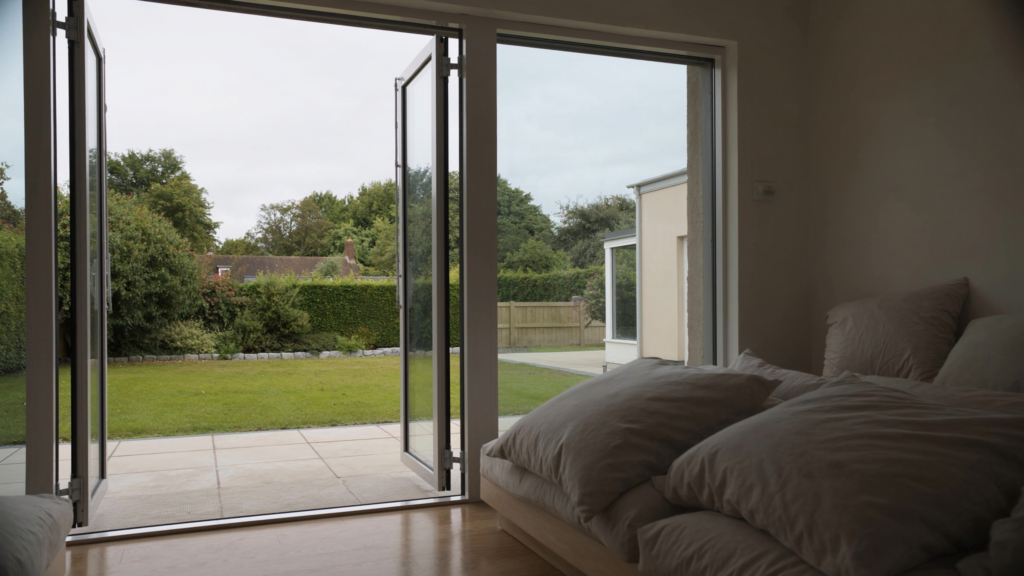
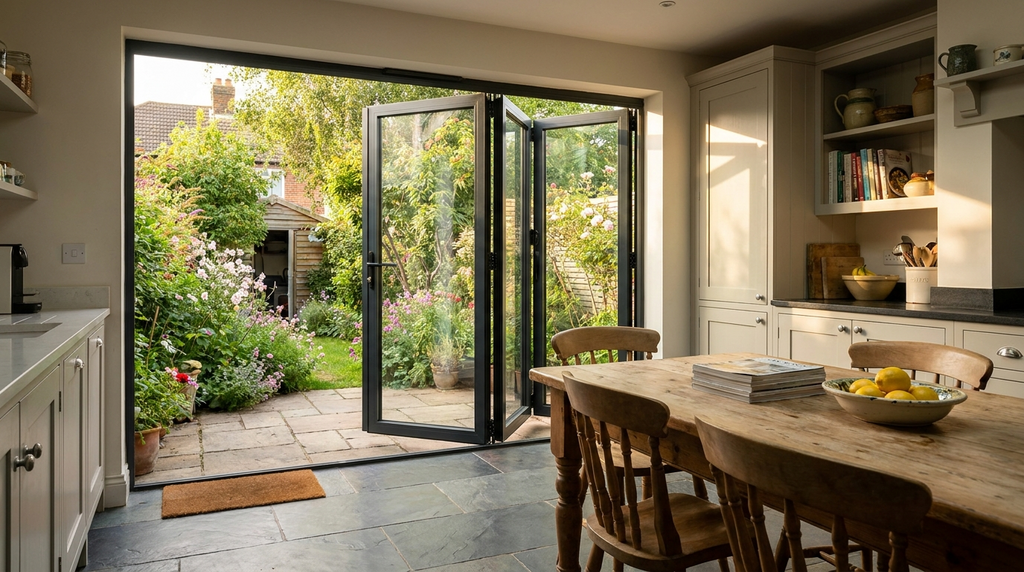
Edinburgh homeowners are turning to new windows in record numbers this year, and it is not hard to see why. The city’s iconic Georgian and Victorian tenements, while beautiful, are notorious for single glazing and draughty frames. With energy bills still high and the Scottish Government pushing hard for net zero, upgrading your windows has become one of the smartest home improvements you can make.
What makes this particularly relevant in 2026 is the combination of rising heating costs and generous Scottish funding schemes. Edinburgh’s average EPC rating sits at Band D, and replacing old windows is one of the quickest ways to jump two bands higher. For a typical mid-terrace home in Marchmont or a top-floor flat in Leith, the difference is dramatic.
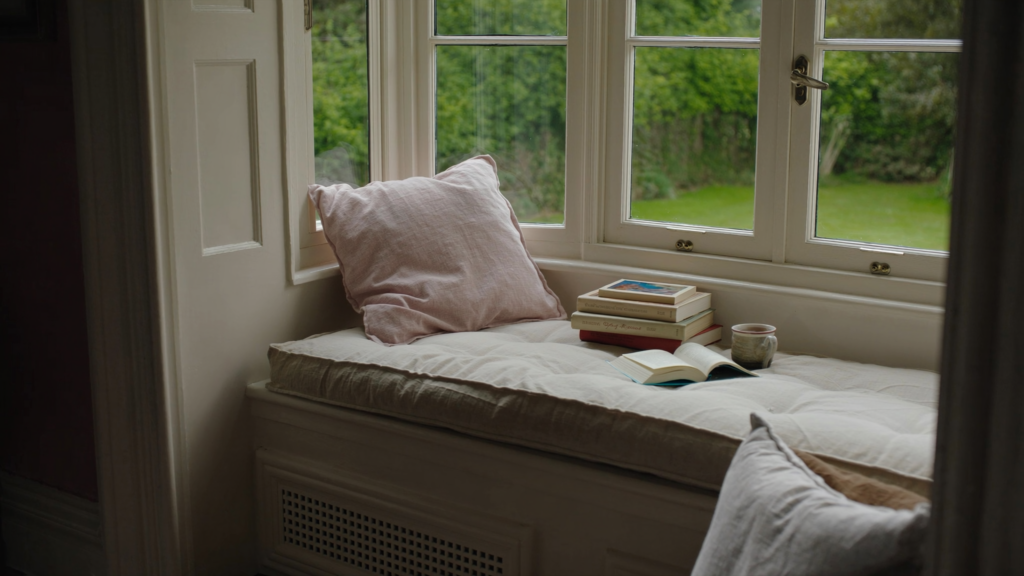
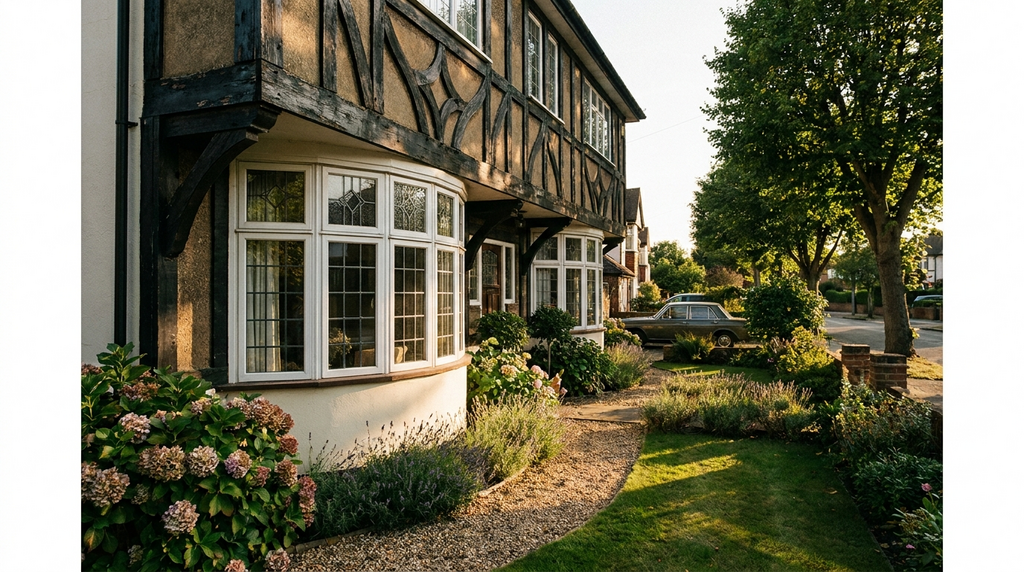
There is also the conservation factor. Edinburgh has more listed buildings and conservation areas than almost any other UK city outside London. Many homeowners are choosing heritage-approved double glazing that keeps the historic look while delivering modern energy performance. This is a niche but growing demand across the capital.
Finally, the city’s climate seals the deal. With 1,800 to 2,200 heating degree days each year and only 850 to 1,000 sunshine hours, Edinburgh homes need every bit of insulation they can get. New windows stop heat escaping, cut condensation, and make your home noticeably quieter on those busy Princes Street evenings.
How much Windows costs across City of Edinburgh in 2026
Window prices in Edinburgh vary depending on your property type, the style of window, and the materials you choose. Below is a detailed breakdown for the most common homes across the county.
| Property type | Window style | Material | Number of windows | Total cost (supply and fit) | National average cost | Edinburgh premium |
|---|---|---|---|---|---|---|
| Flat (2 bed tenement) | Casement | uPVC | 6 | £3,600 | £3,200 | +12% |
| Flat (2 bed tenement) | Sliding sash | Timber | 6 | £6,200 | £5,500 | +13% |
| Terraced house (3 bed) | Casement | uPVC | 8 | £4,800 | £4,300 | +12% |
| Terraced house (3 bed) | Sliding sash | uPVC heritage | 8 | £6,400 | £5,800 | +10% |
| Terraced house (3 bed) | Sliding sash | Timber | 8 | £8,800 | £8,000 | +10% |
| Detached house (4 bed) | Casement | uPVC | 12 | £7,200 | £6,500 | +11% |
| Detached house (4 bed) | Tilt and turn | Aluminium | 12 | £10,500 | £9,500 | +11% |
Prices in Edinburgh are typically 10% to 13% above the UK national average. This reflects the city’s higher labour costs, the prevalence of heritage homes requiring specialist fitting, and the additional logistics of working in dense urban areas with limited parking. A standard uPVC casement window for a flat will cost around £600 per window fitted, while a timber sliding sash in a conservation area can reach £1,200 per window.
Why do prices vary across the county? In central Edinburgh, conservation area rules often demand heritage products, which cost more. In newer estates on the outskirts like Wester Hailes or The Inch, standard uPVC casements are perfectly fine and much cheaper. Always get three quotes from local installers to find the best deal for your specific street.
County-specific considerations for Windows
Climate and geography
Edinburgh sits on the southern shore of the Firth of Forth, exposed to cold winds from the North Sea. Winters are damp and chilly, with average temperatures hovering around 3°C to 6°C from December to February. This means your windows need to be solid against driving rain and strong gusts, especially in high-rise flats and exposed terraces in places like Leith or Portobello.
The city’s hilly terrain also matters. Homes on the south-facing slopes of Arthur’s Seat or Blackford Hill catch more solar gain, but north-facing properties in Stockbridge or Canonmills lose heat faster. Triple glazing is becoming popular for north-facing rooms, though double glazing with a low-E coating still performs well for most homes.
Building stock and heritage
Edinburgh’s housing stock is dominated by Victorian and Georgian tenements, along with sandstone terraces from the 19th and early 20th centuries. These buildings have solid stone walls with no cavity, so heat loss through walls is high. New windows are often the single most effective upgrade you can make in these homes.
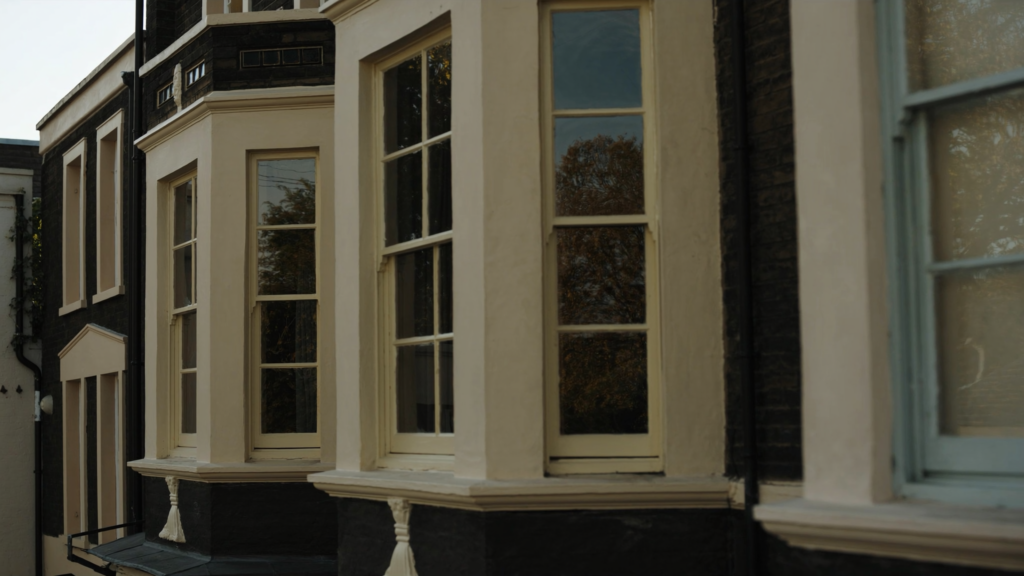
However, if you live in a conservation area or a listed building, you will need planning permission for window replacements. Edinburgh has over 4,000 listed buildings and 35 conservation areas, including the Old Town, New Town, and Dean Village. Your installer must use heritage-approved designs that match the original sightlines and materials. Slimline double glazing is now widely available and meets conservation officer requirements without the bulky look of older units.
Building regulations in Scotland
Scotland has its own building standards under Section 6 of the Scottish Building Regulations. Any new window installation must achieve a U-value of 1.4 W/m²K or lower for replacement windows. For new builds, the standard is even tighter at 1.2 W/m²K. Your installer should provide a certificate of compliance after fitting.
There are no national parks within Edinburgh’s city boundaries, but the Pentland Hills Regional Park lies just south of the city. Homes in Balerno or Currie near the park boundary may face stricter planning rules if they are in a scenic area. Always check with Edinburgh City Council planning department before ordering windows if you are unsure.
The best Windows options for City of Edinburgh homes
Choosing the right window for your Edinburgh home depends on your property type, budget, and whether you are in a conservation area. Here are the best options for the city’s most common homes.
| Property type | Recommended window type | Specifications | Energy rating | Price bracket per window |
|---|---|---|---|---|
| Tenement flat (conservation area) | Timber sliding sash with slimline double glazing | U-value 1.4 W/m²K, 4mm glass, argon fill | Band B | £900 to £1,200 |
| Tenement flat (non-conservation) | uPVC sliding sash heritage style | U-value 1.3 W/m²K, 6mm glass, low-E coating | Band A | £550 to £800 |
| Terraced house (sandstone, non-conservation) | uPVC casement | U-value 1.2 W/m²K, 8mm glass, warm edge spacer | Band A+ | £450 to £650 |
| Terraced house (conservation area) | Aluminium sliding sash heritage | U-value 1.3 W/m²K, 6mm glass, thermal break | Band A | £750 to £1,000 |
| Modern flat or new build | Tilt and turn aluminium | U-value 1.0 W/m²K, triple glazing, warm edge | Band A++ | £700 to £950 |
| Detached house (any era) | Composite or aluminium casement | U-value 1.1 W/m²K, triple glazing, low-E | Band A+ | £600 to £900 |
For most Edinburgh flats and terraced homes, uPVC sliding sash windows offer the best balance of cost, performance, and aesthetics. They mimic the traditional look without the maintenance demands of timber. If you are in a conservation area, timber or aluminium heritage sashes are your only option but they last 40 years or more with proper care.
Triple glazing is worth considering for north-facing rooms or homes near busy roads like the A8 or A90. It cuts noise by up to 40 decibels and reduces heat loss by an extra 10% compared to double glazing. The extra cost of around £150 per window is often justified by the comfort gain.
Grants and funding for Windows in 2026
Edinburgh homeowners have several funding options to reduce the cost of new windows. Here are the main schemes available in 2026.
Home Energy Scotland
This is the go-to service for Scottish homeowners. They offer free impartial advice and can arrange interest-free loans of up to £15,000 for energy efficiency improvements, including windows. The loan is available to all homeowners in Edinburgh, regardless of income. You repay it over five years with no interest. This is a fantastic way to spread the cost.
Warmer Homes Scotland
If you receive certain benefits or have a low income, you may qualify for free window replacements through Warmer Homes Scotland. The scheme covers the full cost of installation for eligible households. To qualify, you must own your home or rent privately, and have a household income below £20,000 or receive means-tested benefits. Contact Home Energy Scotland to check eligibility.
ECO4
The Energy Company Obligation (ECO4) scheme also applies in Edinburgh. It provides funding for energy-saving measures, including windows, for low-income households. The scheme is delivered by energy suppliers. You need to be on certain benefits or have a low income to qualify. Your installer can check eligibility for you.
Great British Insulation Scheme (GBIS)
GBIS offers funding for insulation measures, but windows are not directly covered. However, if you are combining window replacement with loft or cavity wall insulation, you may get a package deal that reduces overall costs.
Local authority grants
Edinburgh City Council occasionally runs local grant schemes for energy efficiency in specific wards. These are usually time-limited and targeted at fuel-poor households. Check the council website or ask your installer if they know of any current programmes.
Most Edinburgh homeowners will find the Home Energy Scotland interest-free loan the most accessible option. It works for any property type and any window style, including heritage products. Apply early as funds can run out.
How to find trusted Windows installers in City of Edinburgh
Finding a reliable window installer in Edinburgh is straightforward if you know what to look for. Here are the key steps.
Certifications to check
Always choose an installer who is registered with FENSA or CERTASS. These bodies certify compliance with Scottish building regulations. Without this certification, your installation may not be legal and could cause problems when you sell your home. Also look for membership in the Glass and Glazing Federation (GGF) which offers consumer protection.
Getting good quotes
Get at least three written quotes from different installers. Ask for a full breakdown of costs, including materials, labour, VAT (5% on energy-saving installations), and any scaffolding charges. Edinburgh tenements often require scaffolding for upper-floor windows, which adds £500 to £1,500 to the total. Make sure the quote includes this.
Typical lead times
In 2026, most Edinburgh installers are quoting 6 to 12 weeks from survey to installation. Heritage windows take longer due to bespoke manufacturing. Book your survey early, especially if you want work done before winter. Summer months are busiest, so plan ahead.
Installer coverage across the county
Edinburgh has excellent installer coverage. Most companies operate across the entire city and surrounding suburbs. You will find specialists in heritage windows in the city centre and general uPVC installers in the outer estates. Always ask if they have experience with your specific property type. A tenement specialist will cost more but deliver better results.
Check online reviews on Trustpilot and Checkatrade. Ask for references from recent jobs in your neighbourhood. A good installer will be happy to share photos of similar work.
Savings you can expect from Windows in City of Edinburgh
Using Edinburgh’s average energy data, here is what you can realistically save by replacing single glazing with modern double or triple glazing.
| Upgrade type | Annual gas saving | Annual electricity saving | Total annual saving | Typical cost | Payback period | EPC improvement |
|---|---|---|---|---|---|---|
| Single to double glazing (uPVC casement) | £210 | £25 | £235 | £4,800 | 20 years | Band D to Band C |
| Single to heritage double glazing (timber sash) | £190 | £20 | £210 | £8,800 | 42 years | Band D to Band C |
| Double to triple glazing (uPVC casement) | £40 | £5 | £45 | £5,800 | 129 years | Band C to Band B |
| Single to triple glazing (aluminium) | £240 | £30 | £270 | £10,500 | 39 years | Band D to Band B |
The biggest savings come from replacing single glazing in older tenements and terraced homes. A typical Edinburgh home uses 13,000 kWh of gas and 3,200 kWh of electricity per year. New double glazing cuts heat loss through windows by around 50%, saving roughly £235 annually on energy bills.
Payback periods vary. For standard uPVC casements, you recoup your investment in about 20 years through energy savings alone. Heritage timber sashes take longer but add significant value to your home. In central Edinburgh, a heritage window upgrade can increase your property value by £5,000 to £10,000, making the financial case much stronger.
Your EPC rating will typically improve from Band D to Band C with double glazing. If you combine windows with loft insulation and a new boiler, you can reach Band B or even Band A. This matters if you plan to sell your home in the next few years.
Towns across City of Edinburgh where we cover Windows
Our trusted installers operate across the entire City of Edinburgh area. Here is where you can get window services.
Edinburgh
Scotland’s capital city is the only town in the county, but it is a large and diverse one. Our installers cover all postcode areas, from the historic centre to the suburbs. Whether you live in a Georgian townhouse in the New Town, a tenement flat in Marchmont, a modern home in The Inch, or a cottage in Balerno, we have experienced fitters who know your property type.
Edinburgh’s unique mix of conservation areas, listed buildings, and modern estates means our installers are trained to handle everything from heritage slimline glazing to standard uPVC casements. They understand the local planning rules and can guide you through the permissions process if needed.
If you are in a hard-to-reach top-floor flat in Leith or a basement flat in Stockbridge, do not worry. Our installers have the equipment and experience to work in tricky urban settings. They will quote for scaffolding or specialist access as part of the job.
For homeowners in the outlying villages like Currie, Juniper Green, or Kirkliston, coverage is just as good. These areas often have larger family homes with more windows, so expect slightly higher total costs but the same high standard of workmanship.
Contact us today for a free survey and quote. We will match you with a local installer who knows Edinburgh inside out.